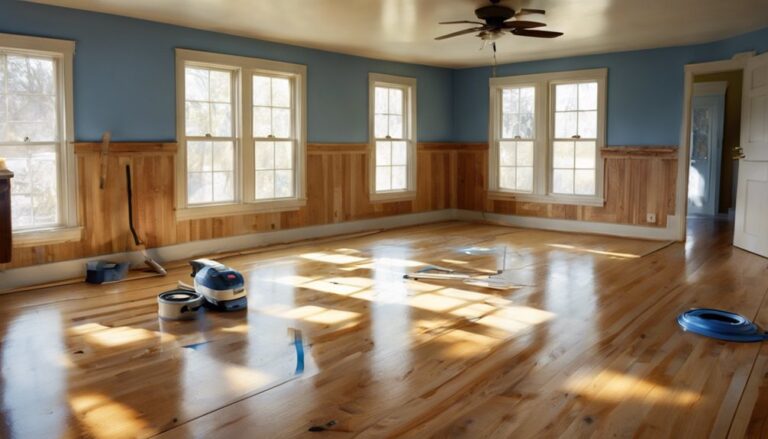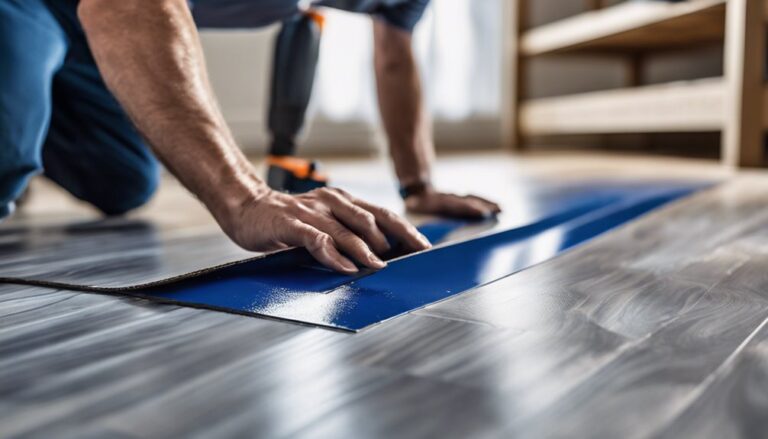
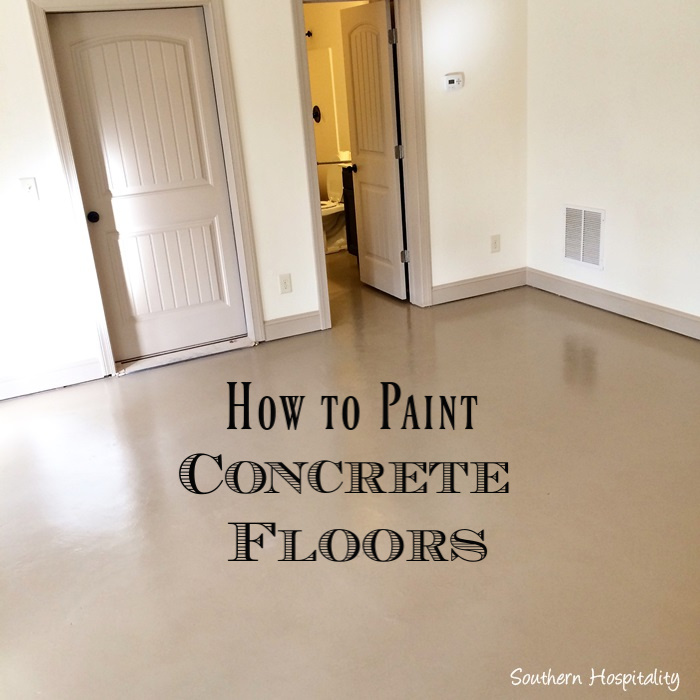

Are you tired of staring at that dull, lifeless concrete floor in your garage or basement? Imagine transforming it into a stunning, inviting space with just a splash of color.
Painting a concrete floor can seem daunting, but it’s easier than you think, and the results can be truly transformative. By learning how to paint your concrete floor, you can breathe new life into your home, increase its value, and create a space that’s uniquely yours.
Why settle for plain concrete when you can have a floor that reflects your personal style and enhances your living space? With the right tools and a little guidance, you can achieve a professional-looking finish that lasts. Plus, you’ll enjoy the satisfaction of knowing you did it all yourself. In this guide, you’ll discover simple, step-by-step instructions that will have you painting like a pro in no time. Say goodbye to boring concrete and hello to a vibrant, refreshed floor. Let’s dive in and get those creative juices flowing!

Preparing The Surface
A clean floor is very important. Use a broom to sweep away dirt. Remove dust and other small particles. A vacuum can help too. Wash the floor with water and soap. Use a mop for this task. Rinse well and let it dry completely. A dry floor is necessary for painting.
Fill cracks with concrete filler. This makes the floor strong. Use a putty knife to spread the filler. It should be even with the floor. Check for holes. Patch holes with the same filler. Let it dry before moving on.
Sand the floor to make it smooth. A smooth floor is best for painting. Use a sanding machine or sandpaper. Move in circles for best results. Remove dust after sanding. This helps the paint stick well.
Choosing The Right Paint
Concrete floors need special paint. Epoxy paint is a good choice. It is strong and lasts long. Acrylic paint is another option. It dries fast and is easy to clean. Polyurethane paint gives a shiny finish. It is good for high-traffic areas.
Colors can change the room’s feel. Light colors make spaces look big. Dark colors add warmth. Think about room use. Choose colors that fit. Look at paint samples. Test small areas first. Pick a color you love.
Gathering Essential Tools
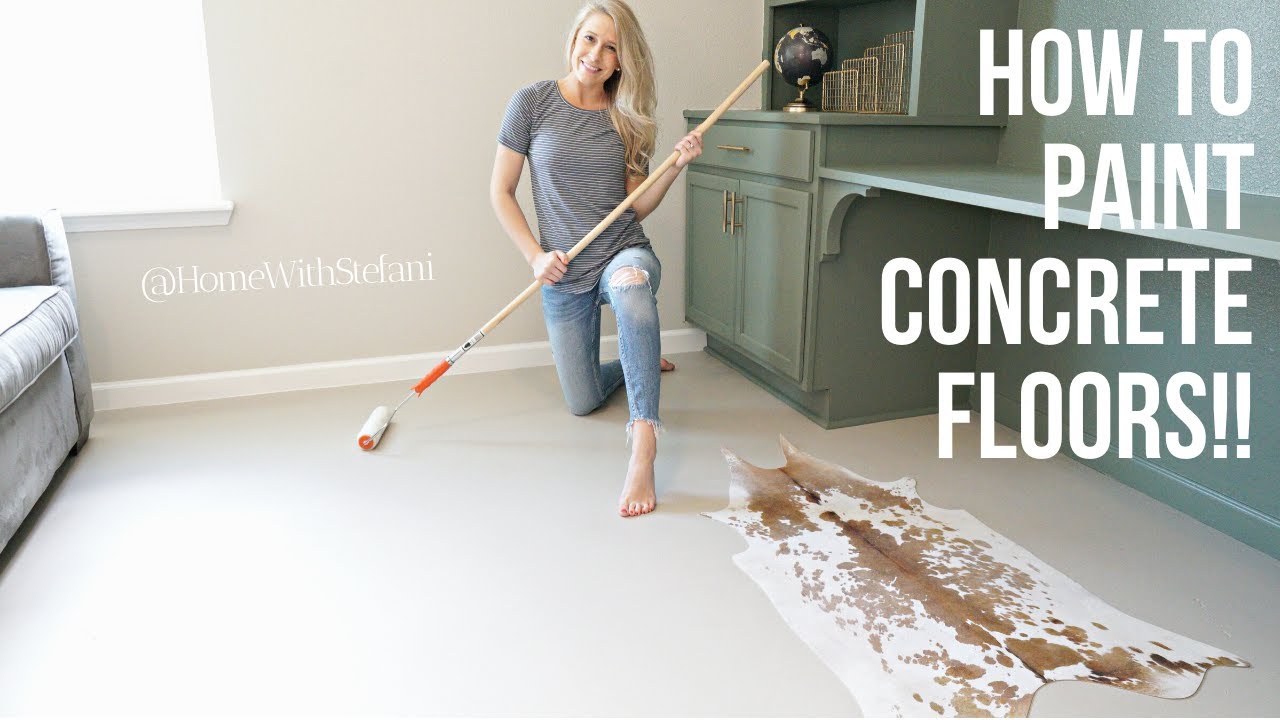
First, gather the right tools for painting. Paint rollers and paint trays are important. Choose a roller with a long handle. This helps reach far places. Use a paint brush for edges. It’s good for small corners. Get a paint stir stick. It mixes the paint well. Lastly, have a drop cloth. It keeps the floor clean.
Safety gear is very important. Always wear gloves to protect your hands. A mask helps you breathe clean air. Get some goggles for your eyes. Paint can splash easily. Wear an apron or old clothes. They keep your clothes clean. Safety shoes protect your feet from spills. Stay safe while working.
Priming The Concrete
Primer makes paint stick better. It stops paint peeling. Concrete floors need a good primer. It seals pores and covers dust. Primer helps paint last longer. It protects the floor from wear. Without primer, paint can crack. Primer is the first step to paint success.
Clean the concrete floor first. Use a broom or vacuum. Apply primer with a brush or roller. Start at the corner. Move towards the center. Use even strokes. Cover all spots. Let it dry completely. Check the instructions on the can. Use a mask and gloves. Safety is important.
Applying The Paint
Start by cleaning the concrete floor thoroughly. Apply a primer for better paint adhesion. Use a roller for smooth application and even coverage. Let each layer dry before adding another.
Using Brushes And Rollers
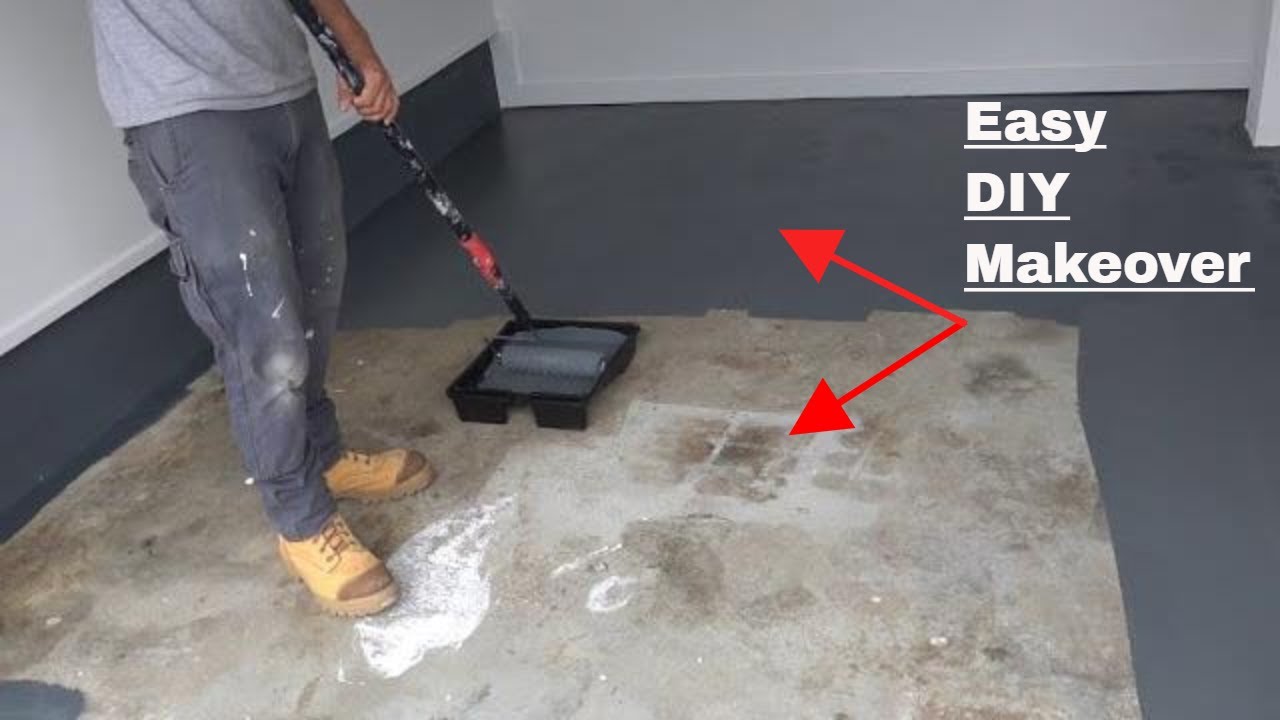
Begin with a clean surface. Dust and dirt can ruin the paint. Use a brush for corners and edges. Rollers work best for large areas. Load the roller with paint but not too much. Too much paint can cause drips.
Roll the paint in a W shape. This helps with even coverage. Apply a thin coat first. Let it dry completely. Then add another coat if needed. Patience is key for a smooth finish.
Ensuring Even Coverage
Overlap each stroke slightly. This avoids missed spots. Check for uneven areas as you work. Use a small brush for touch-ups. Smooth out any bubbles with the roller. Let the paint dry fully. This might take a few hours.
Don’t rush the process. Good things take time. Your floor will look great when done!
Finishing Touches
Add elegance with the final steps in painting a concrete floor. Ensure complete drying between coats for a smooth finish. Use a sealant to protect and enhance durability.
Adding A Sealant
Sealant helps protect your painted concrete floor. It makes the floor last longer. First, choose a good sealant for concrete. Read the instructions on the sealant can. Use a clean brush or roller to apply the sealant. Start at one corner and work your way out. Apply the sealant evenly over the paint. Wait for the first layer to dry. Then, apply a second layer for extra protection. Make sure the room has good air flow while the sealant dries. This helps it dry faster.
Maintaining The Painted Surface
Keeping your painted floor clean is important. Use a soft broom to sweep dust away. For sticky dirt, use a mild soap with water. Avoid harsh chemicals; they can hurt the paint. Wipe spills quickly to prevent stains. Regular cleaning keeps your floor looking new. If you see chips or cracks, fix them early. This stops bigger damage later. A well-maintained floor stays beautiful longer.
Common Mistakes To Avoid
Avoid applying paint on a dirty concrete floor. This leads to peeling. Always clean thoroughly first. Skipping primer can cause uneven surfaces. It helps paint stick better. Using the wrong paint type may result in flaking. Choose paint made for concrete.
Skipping Surface Preparation
Many people skip preparing the surface. This is a big mistake. Dirt and dust can stop the paint from sticking. Cracks need fixing before painting. If not, the paint will peel. A clean surface is important. It makes the paint last longer. Use a broom to sweep the floor. Then, use a mop with water. Let the floor dry completely.
Using Inappropriate Paint
Not all paint is good for concrete. Some paint will not last. Use paint made for floors. It is stronger and sticks better. Read the label before buying. Check if it’s for concrete floors. This paint can handle heavy walking and won’t chip easily. Choose the right color too. Light colors show dirt. Dark colors hide it better.
Expert Tips For Success
Weather is a big factor. Paint on a dry day. Humidity can ruin the paint job. Temperature matters too. Ideal temperatures range from 50°F to 90°F. Avoid painting under direct sunlight. The sun can make the paint dry too fast. Wind can blow dust onto wet paint. Choose a calm day. Always check the weather forecast. Plan ahead to avoid surprises.
Keeping the floor clean is important. Dust and dirt can damage the paint. Use a soft broom or a vacuum. Mop the floor often. Use mild soap and water. Avoid harsh chemicals. They can fade the paint. Inspect the floor regularly. Look for chips or scratches. Fix them quickly to prevent bigger damage. A good maintenance routine keeps the floor looking new.
Frequently Asked Questions
Can You Paint A Concrete Floor?
Yes, you can paint a concrete floor. Start by cleaning the surface thoroughly. Use a concrete primer before applying paint. Choose a paint suitable for concrete surfaces. This ensures durability and enhances the floor’s appearance. Allow the paint to dry completely for the best results.
How Do I Prepare Concrete For Painting?
Begin by cleaning the concrete surface thoroughly. Remove any dirt, grease, or old paint. Use a concrete cleaner for best results. After cleaning, let the floor dry completely. Fill any cracks or holes with concrete filler. This ensures a smooth surface for painting.
What Type Of Paint Is Best For Concrete Floors?
Epoxy paint is ideal for concrete floors. It’s durable and resistant to wear and tear. Acrylic paint is another good option. It offers a variety of colors and is easy to apply. Ensure the paint is suitable for concrete surfaces for the best results.
How Long Does Concrete Floor Paint Last?
Concrete floor paint can last several years. The lifespan depends on the quality of paint and preparation. Regular maintenance extends its durability. High-traffic areas may require touch-ups sooner. Always follow the manufacturer’s instructions for the best results and longevity.
Conclusion
Painting a concrete floor transforms the space beautifully. It’s practical and stylish. Start by cleaning the surface thoroughly. Choose quality paint for long-lasting results. Apply primer for better adhesion. Use rollers for even coverage. Let each coat dry completely. Seal the floor to protect it.
Regular maintenance ensures durability. Enjoy your refreshed, modern space. It’s easier than you think. Ready to tackle your next project? Follow these steps for a great finish. A painted concrete floor enhances any room. It’s a simple way to update your home.
Perfect for garages, basements, or patios.