
Are you staring at your worn-out floor and dreaming of a fresh, vibrant look? Painting your floor can completely transform the space, giving it a new lease of life without breaking the bank.
Imagine walking into a room that feels brand new, with colors that reflect your style and personality. Whether you’re looking to update your kitchen, living room, or even the garage, painting the floor is a DIY project that you can tackle with confidence.
In this guide, we’ll walk you through the simple steps to achieve a stunning painted floor, ensuring that the end result is not only beautiful but durable. Get ready to grab your paintbrush and turn your flooring fantasy into reality!
Choosing The Right Paint
There are many types of floor paints. Each has its own uses. Epoxy paint is strong. It is great for garages. Latex paint is easy to use. It works well for wooden floors. Polyurethane paint gives a shiny look. It is good for high-traffic areas. Choose the right type for your floor.
Pick a color that matches your room. Light colors make rooms look bigger. Dark colors hide dirt well. Neutral colors are always safe. They match with many styles. Bright colors add fun. Think about the mood you want. Ask others for ideas if unsure.
Eco-friendly paints are better for the planet. They have less chemicals. Look for low-VOC or no-VOC labels. These are safe for your family. They also smell less. Water-based paints are easier to clean. They are good for the environment. Think about using paints that last longer.
Preparing The Floor
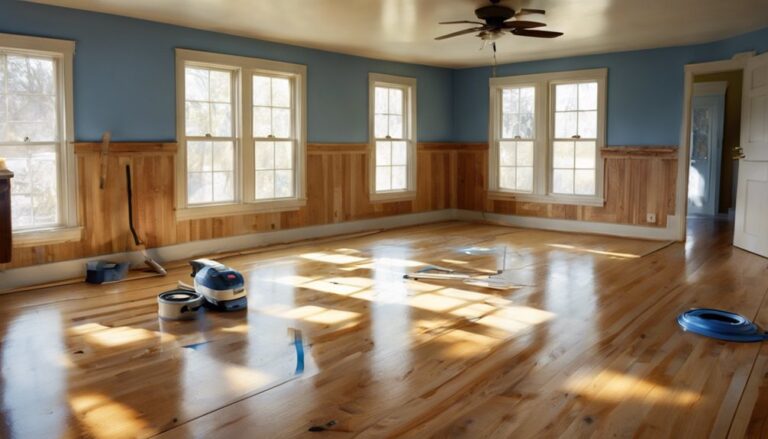
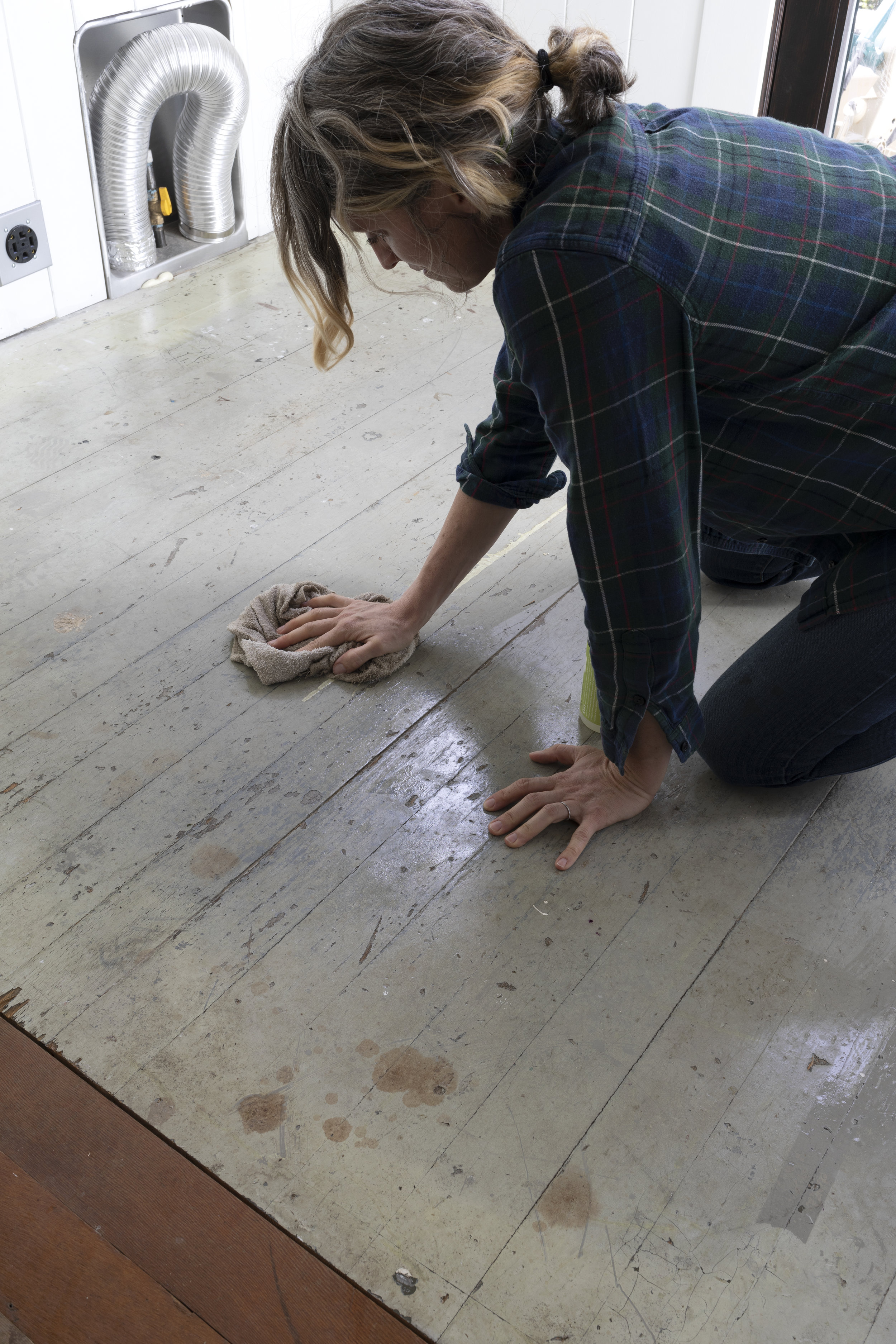
Start with a clean floor. Use a broom or vacuum to remove dust. Wash the floor with warm soapy water. Let it dry completely. Look for cracks or holes. Fill these with wood filler or cement. Smooth the surface with a putty knife. Wait for it to dry.
Sanding makes the floor smooth. Use a sanding block or electric sander. Move in even strokes across the floor. Pay attention to rough areas. Always sand along the grain of the wood. Clean the dust again after sanding.
Priming helps paint stick better. Choose a primer that matches your paint. Apply it with a roller for large areas. Use a brush for corners. Let the primer dry for a few hours. This ensures a smooth finish.
Gathering Essential Tools
Brushes help you paint corners and edges. Rollers are for large areas. Pick a roller with a long handle. This keeps your back safe. Choose a brush with soft bristles. It makes smooth strokes.
Gloves protect your hands from paint. Masks keep your nose safe from fumes. Goggles shield your eyes. Wear old clothes to stay clean. Safety is very important.
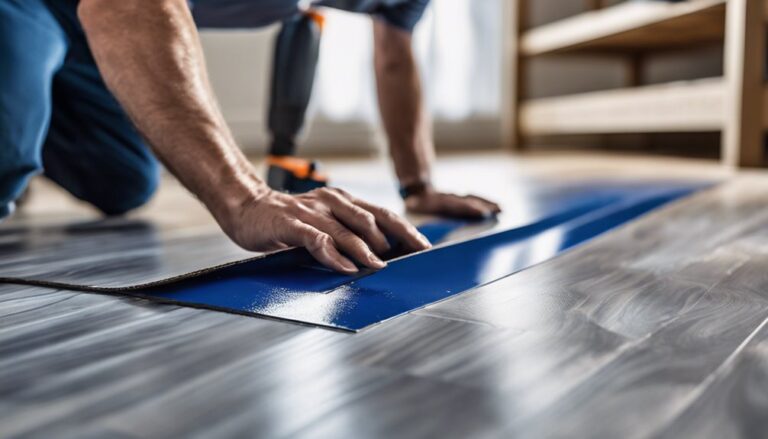
Painter’s tape keeps lines neat. Drop cloths cover the floor. This stops paint spills. Buckets hold the paint. Stir sticks mix the paint well. Remember to have rags for cleaning up.
Painting Techniques
Transform a dull floor into a vibrant space with simple painting techniques. Start by cleaning and sanding the surface. Apply primer, then paint with even strokes for a smooth finish.
Applying The First Coat
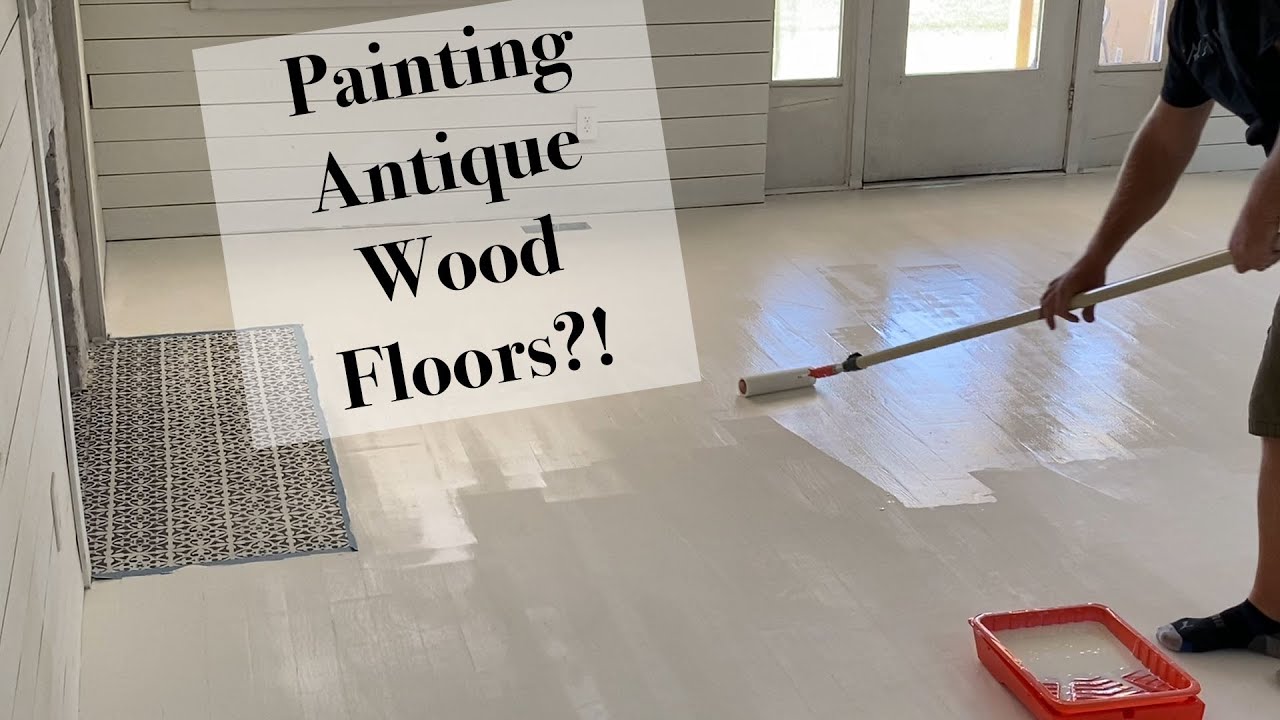
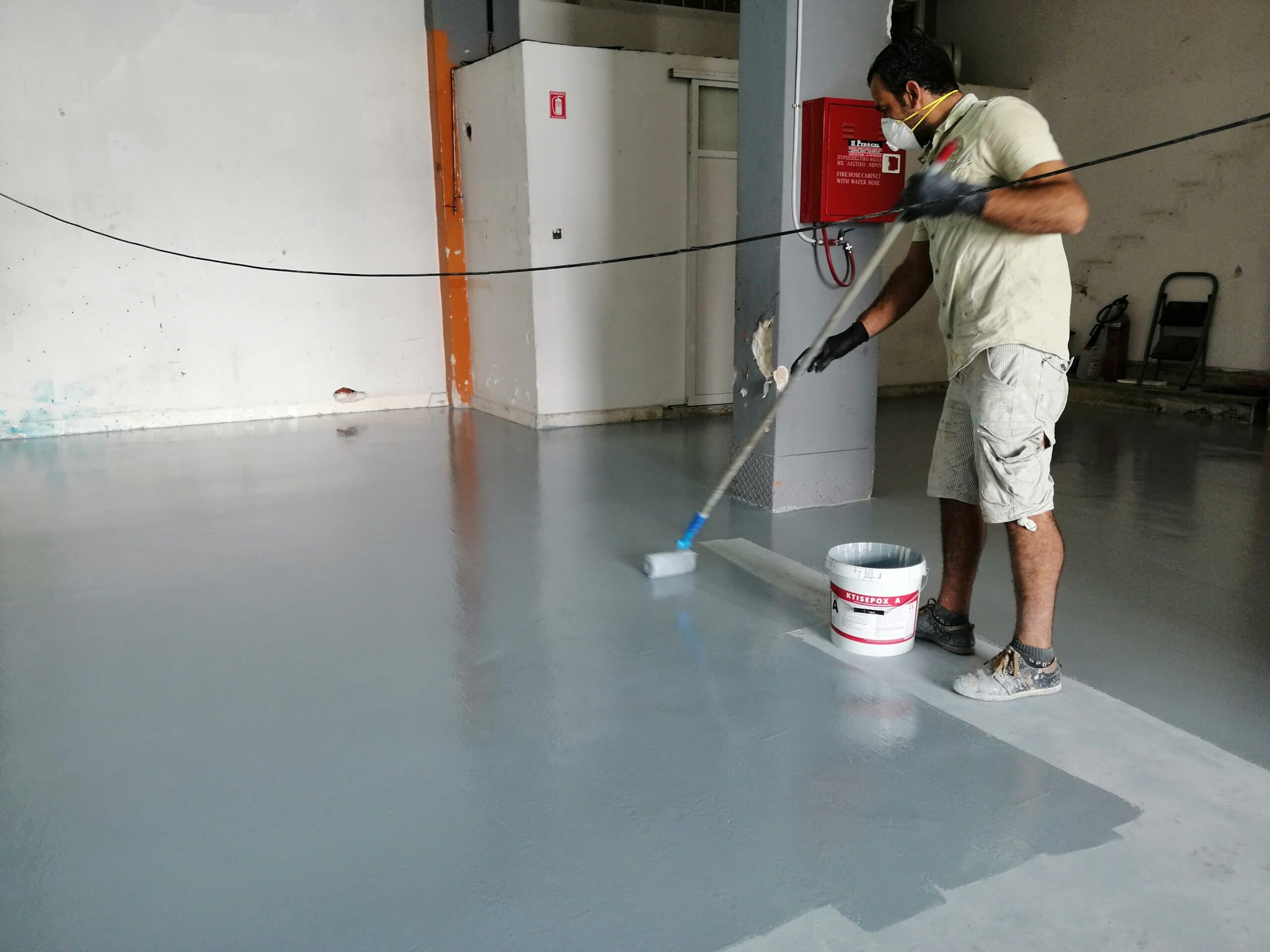
Start with a clean floor. Use a broom to remove dirt. Mix the paint well. Pour some paint in a tray. Use a roller to apply. Work in small sections. Make sure the coat is even. Let it dry fully. Check for thin spots. Fix them with more paint. Always use good lighting. This helps see any missed spots.
Creating Patterns And Designs
Choose a pattern first. Stripes or dots work well. Use tape for straight lines. Apply paint over the tape. Let it dry before removing tape. For dots, use a stencil. Hold the stencil firmly. Paint over it with a brush. Let dry before moving stencil. Patterns make floors fun and unique.
Sealing And Finishing Touches
Use a sealant for protection. Choose clear sealant for shine. Apply with a clean brush. Use thin coats for best results. Let dry completely. Check for spots you missed. Fix them with more sealant. A good sealant keeps floors safe. Makes them last longer.
Caring For A Painted Floor
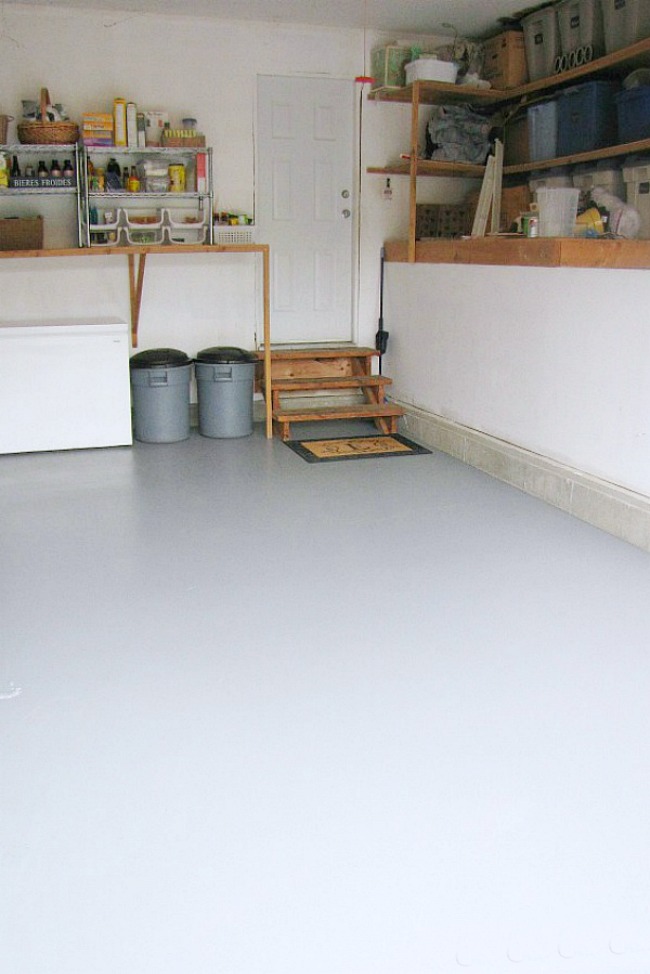
Sweep the floor weekly. Dirt can scratch the paint. Use a soft mop with water. Avoid harsh chemicals. They can damage paint. Dry the floor well. Keep it clean for long life.
Place rugs in busy areas. Cover the floor with mats. Reduce scratches. Use felt pads under furniture. Prevent damage. Fix small chips soon. Keep the floor looking new.
Clean the spot first. Apply paint carefully. Use a small brush. Blend it with the old paint. Let it dry well. Repeat if needed. Maintain a fresh look.
Avoiding Common Mistakes
Picking the right paint is very important. Some paints are not for floors. They may peel or scratch easily. Always use paint made for floors. This paint is stronger. It can handle foot traffic. It also resists stains and spills.
Floors need cleaning before painting. Dirt and dust can ruin the paint job. Use a broom or vacuum first. Then, wash with soap and water. Let the floor dry completely. Fix any cracks or holes. Smooth surfaces help paint stick better.
Patience is key for painting floors. Paint needs time to dry. Rushing can spoil your hard work. Wait for each coat to dry. Follow the instructions on the paint can. This ensures the paint lasts longer. It also prevents sticky floors.
Frequently Asked Questions
What Is The Best Paint For Floors?
Choosing floor paint depends on the type of floor you have. For concrete floors, epoxy paint offers durability and a smooth finish. Wooden floors benefit from polyurethane-based paints for a resilient surface. Always consider the room’s traffic level and moisture exposure before deciding on the best paint.
How Do I Prepare A Floor For Painting?
Proper preparation ensures long-lasting results. Start by cleaning the floor thoroughly to remove dirt and grease. Repair any cracks or holes, and sand the surface to ensure smoothness. Apply a primer suited for your floor type to enhance paint adhesion and durability.
Can I Paint Over Old Floor Paint?
Yes, painting over old paint is possible, but proper preparation is key. Start by cleaning and sanding the old paint to remove any loose material. Applying a primer ensures better adhesion of the new paint. Ensure the old paint is not peeling or damaged for best results.
How Long Does Floor Paint Take To Dry?
Drying time varies by paint type and environmental conditions. Typically, floor paint takes about 24 to 48 hours to dry completely. Ensure adequate ventilation and follow the manufacturer’s instructions for best results. Avoid heavy foot traffic during the drying period to prevent damage.
Conclusion
Painting a floor transforms your space. It’s simple with the right steps. Start with a clean surface. Choose paint designed for floors. Follow instructions for application. Let it dry completely. This ensures durability. Regular cleaning maintains the fresh look. Enjoy the refreshed feel of your home.
Invite friends and family. Share your DIY success. Painting a floor is rewarding and fun. Feel proud of your work. The beauty of a painted floor enhances any room. Try it yourself! Your floor is ready for new adventures.