
Have you ever looked at your tile floors and wondered how to keep them looking pristine? You’re not alone.
Whether it’s in your kitchen, bathroom, or hallway, tile floors can often collect dust and grime that seem impossible to remove. But there’s good news—mopping tile floors doesn’t have to be a daunting task. Imagine stepping onto a floor so clean it feels like new.
Wouldn’t that be refreshing? You deserve a home that sparkles, and with the right techniques, you can achieve that shine easily. This article will guide you through simple, effective methods to transform your tile floors from dull to dazzling. Keep reading to discover the secrets of mastering the mop and making your floors the envy of everyone who visits your home.
Choosing The Right Mop
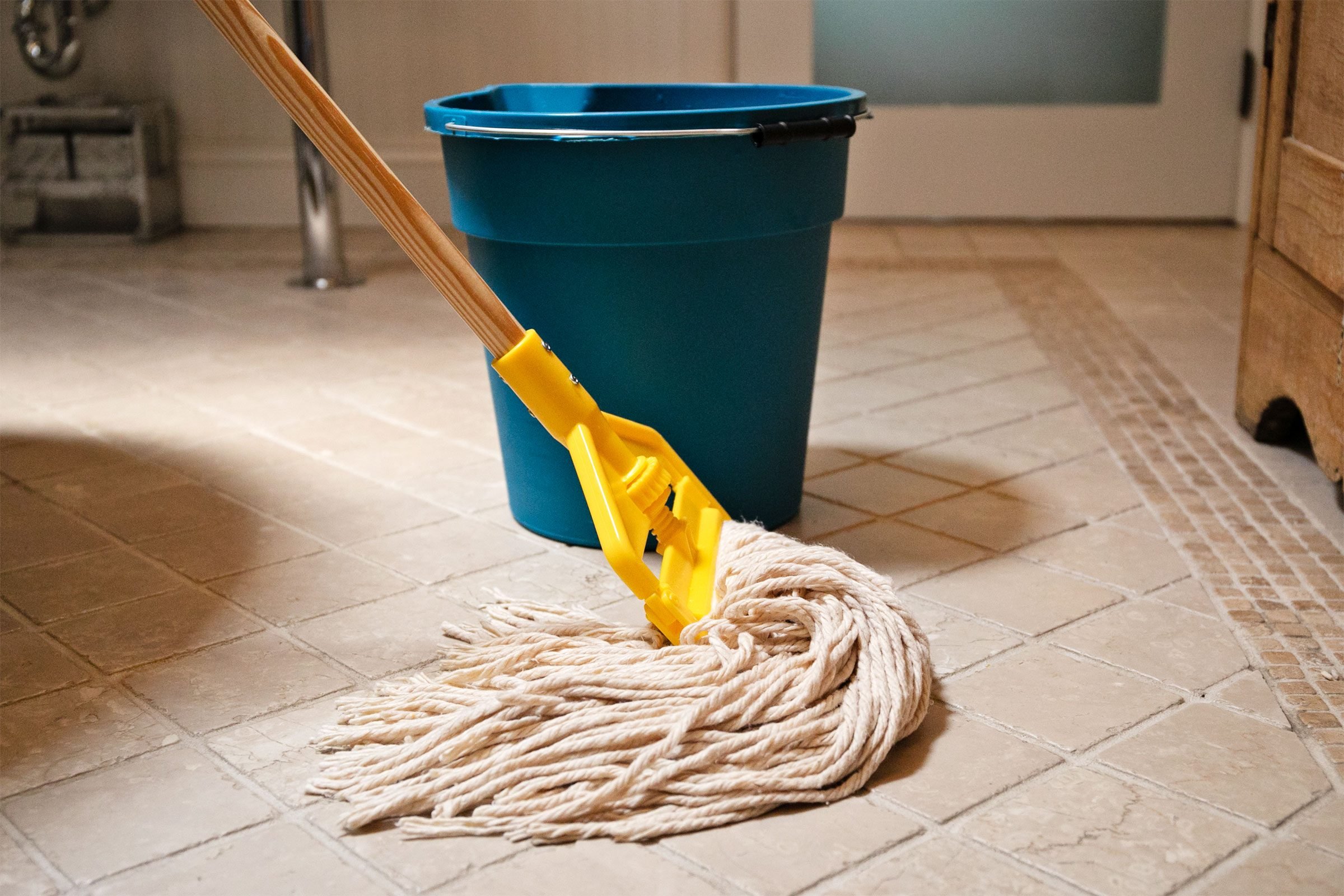
String mops are cheap and work well for big areas. They soak up a lot of water. They can leave behind lint. Sponge mops are better for small spills. They are easy to clean. They can wear out fast. Microfiber mops are good for picking up dirt. They are light and easy to use. They may cost more than others. Steam mops clean with hot steam. They kill germs without chemicals. They need electricity to work.
| Mop Type | Pros | Cons |
|---|---|---|
| String Mop | Cheap, absorbs water | Leaves lint |
| Sponge Mop | Easy to clean | Wears out fast |
| Microfiber Mop | Picks up dirt well | More expensive |
| Steam Mop | Kills germs, no chemicals | Needs electricity |
Selecting The Best Cleaning Solution
Commercial cleaners are easy to find in stores. They are ready to use. These cleaners work well on tile floors. Homemade cleaners can be made with simple items. Many use vinegar and water. Both have pros and cons. Commercial cleaners may contain strong chemicals. Homemade solutions are often safer. They are also cheaper.
Some ingredients can harm tile floors. Avoid using bleach. It can change the tile color. Ammonia is also not good. It can make tiles dull. Strong acids can damage the grout. Always read labels before use. Choose safe and gentle options. Keep your floors looking nice.
Preparing The Floor
Begin with sweeping the floor. Use a soft-bristle broom. This removes dust and dirt. Next, vacuum the floor. It picks up tiny bits. Ensure the vacuum is set for hard floors. Avoid using a beater bar. This can scratch tiles. Check corners and under furniture. Often, dirt hides there. Clean these areas thoroughly. This step keeps your tiles safe. It also makes mopping easier.
For stains, use a damp cloth. Dab the stain gently. Avoid rubbing hard. It might spread the stain. Use a mild cleaner. Apply it to the cloth, not directly on tiles. Test the cleaner on a hidden spot first. This ensures it won’t damage tiles. For tough stains, use a soft brush. Scrub lightly. Rinse the area with water. Dry it with a soft towel. This helps keep tiles looking new.
Effective Mopping Techniques
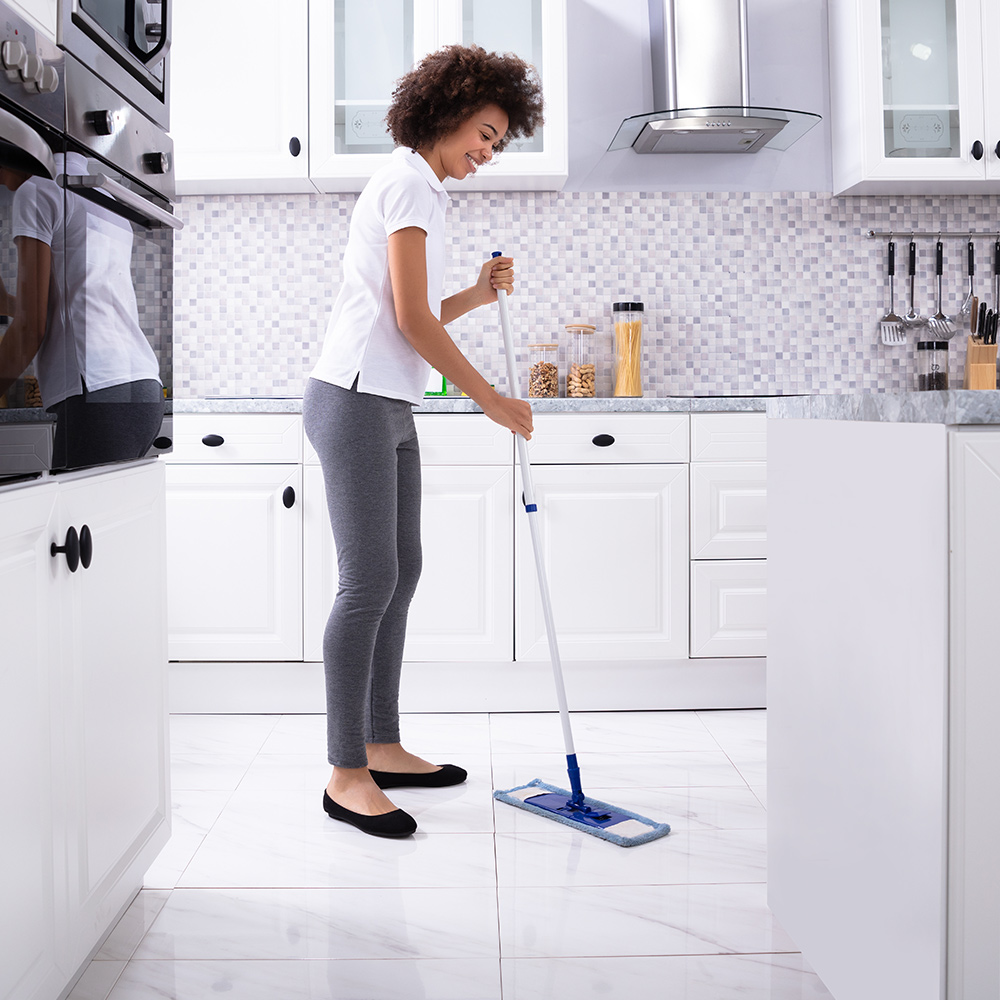
Always move the mop in a figure-eight pattern. This motion helps clean dirt efficiently. Use gentle pressure while mopping. Too much pressure can damage tiles. Make sure the mop is damp, not soaking. Excess water can cause stains. Keep the mop head clean. Rinse often to avoid spreading dirt.
Do not use harsh chemicals. They might harm the tile surface. Avoid using a dirty mop. It can leave streaks on the floor. Never let water sit on tiles. It can lead to mold growth. Ensure the mop is clean and dry after use. Store it properly to avoid bacteria buildup.
Drying The Floor
Properly mopping tile floors starts with removing surface dirt and debris. Use a damp mop, not soaking wet. This prevents water from seeping into grout lines. After mopping, dry the floor with a clean towel to avoid streaks and water spots.
Preventing Water Spots
Water spots can make floors look dirty. It’s important to dry the floor. Use a clean, absorbent cloth. Move quickly to avoid spots. Start at one corner of the room. Work your way out. This helps prevent stepping on wet spots. Drying right away keeps the floor shiny. Avoid letting water sit too long. Quick action is key.
Choosing The Right Drying Cloth
Select a cloth that absorbs well. Microfiber is a good choice. It picks up water fast. Cotton towels also work well. They are soft and absorbent. Use a large cloth for big areas. Smaller cloths are good for corners. Always keep extra cloths handy. Damp cloths won’t work as well. Change them often for the best results.
:max_bytes(150000):strip_icc()/tile-cleaning-mistakes-1901117_04_0686-b5b684adec7c43e788f513f588ef610a.jpg)
Maintenance Tips
Maintain clean tile floors by using warm water and a gentle cleaning solution. Mop in a figure-eight motion for effective dirt removal. Regular cleaning prevents grime build-up and keeps tiles looking fresh.
Regular Cleaning Schedule
Keep tile floors clean by mopping them twice a week. Use warm water with mild soap. This helps remove dirt and grime. Always rinse with clean water to avoid soap residue. Dry the floor with a soft towel. This prevents water spots.
Dealing With Grout
Grout can get dirty fast. Use a soft brush and baking soda. This helps scrub away dirt. Mix baking soda with water. Apply to grout lines. Let it sit for five minutes. Scrub gently, then rinse well. Seal grout every six months. This keeps it looking fresh.
Eco-friendly Cleaning Options
Choose cleaners that are safe for the environment. Look for natural labels. They contain less chemicals. Vinegar and baking soda are good choices. They clean well and don’t harm the earth. These products are usually biodegradable. This means they break down easily.
Make your own cleaning solutions at home. Use water, vinegar, and a little lemon juice. Mix them well in a spray bottle. This solution cleans and makes your tiles shine. You can also add a few drops of essential oils. They add a nice smell and extra cleaning power. Remember, always test on a small area first.
Troubleshooting Common Issues
Facing dirty or streaky tile floors? Ensure your mop is clean and suitable for tiles. Use the right cleaning solution to avoid residue. Rinse the mop frequently to prevent spreading dirt.
Sticky Residue
Sticky residue often appears after mopping tile floors. This can happen if too much soap is used. Rinsing the mop thoroughly helps remove excess soap. Another cause is using dirty water. Changing water frequently during mopping prevents this problem. Adding a splash of vinegar to the water can help. Vinegar breaks down sticky residues.
Streaks And Smudges
Streaks and smudges make floors look dull. These appear when the mop is not clean. Rinse the mop after each use. Drying the floor quickly also helps. Use a clean, dry cloth to wipe the floor after mopping. This will remove streaks. Avoid using too much cleaning solution. A small amount is enough to clean tile floors. Use warm water instead of cold. Warm water lifts dirt better.
Frequently Asked Questions
What Is The Best Mop For Tile Floors?
Choosing a mop with microfiber pads or sponge heads is ideal for tile floors. These mops effectively capture dirt and debris without scratching the tiles. Ensure the mop is easy to wring out and maneuver for efficient cleaning. Regularly replace the mop heads for optimal hygiene.
How Often Should I Mop Tile Floors?
For high-traffic areas, mop tile floors once a week to maintain cleanliness. In less frequented spaces, mopping every two weeks is sufficient. Adjust frequency based on the level of dirt and foot traffic. Consistent cleaning helps prevent grime build-up and keeps tiles looking fresh.
Can I Use Vinegar To Clean Tile Floors?
Yes, vinegar is a natural cleaning agent suitable for tile floors. Mix equal parts water and vinegar for a mild solution. Vinegar effectively removes stains and disinfects surfaces. Avoid using vinegar on stone tiles like marble, as it may damage them over time.
How Do I Prevent Streaks When Mopping?
To prevent streaks, ensure your mop is damp but not overly wet. Use warm water and mild detergent for cleaning. Mop in straight lines, overlapping each stroke. Rinse the mop frequently to remove dirt. Dry tiles with a clean cloth for a streak-free finish.
Conclusion
Mopping tile floors doesn’t have to be complex. First, gather your supplies. A mop, bucket, and cleaning solution. Start with sweeping or vacuuming. This removes loose dirt. Then, mop with warm water and cleaner. Rinse the mop often. Dry the floor with a clean towel.
This prevents streaks. Regular mopping keeps tiles clean. It also extends their lifespan. Avoid harsh chemicals. They can damage tiles. Stick to gentle cleaners. Your floors will thank you. Remember to clean spills quickly. This prevents stains. Simple steps lead to shiny tile floors.
Follow this guide for easy maintenance. Enjoy your clean and fresh tiles!