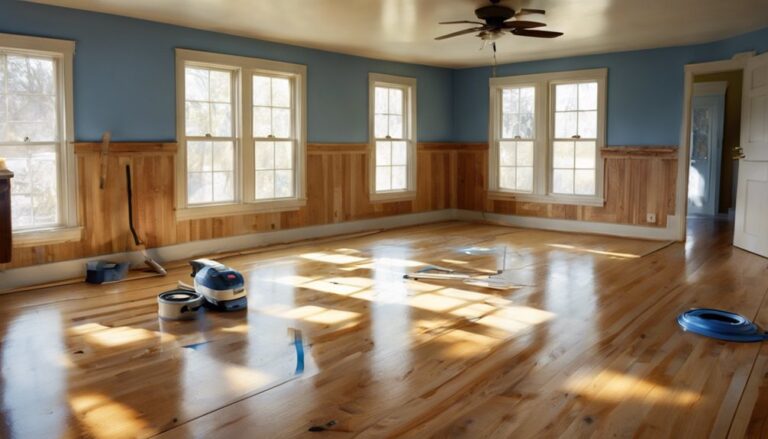

Have you ever walked across your old house and noticed uneven floors beneath your feet? That subtle slope or creaky spot can be more than just a minor inconvenience—it can affect everything from the aesthetics of your home to the structural integrity.
Leveling a floor in an old house might sound daunting, but it can be done with the right approach and tools. Imagine the satisfaction of stepping onto a perfectly level surface, knowing your house is stable and safe. This guide will walk you through the process, making it simple, straightforward, and achievable.
You’ll discover easy steps to transform your home’s floors, ensuring they stand the test of time. Don’t let the fear of complexity hold you back; read on to learn how you can tackle this project and give your old house the solid foundation it deserves.
 Floor in an Old House: Expert Tips”/>
Assessing Floor Condition
Old houses often have uneven floors. Start by looking for slopes and dips. Use a level tool for accuracy. Walk across the floor. Feel for soft spots. Check corners and edges. These areas may need fixing first.
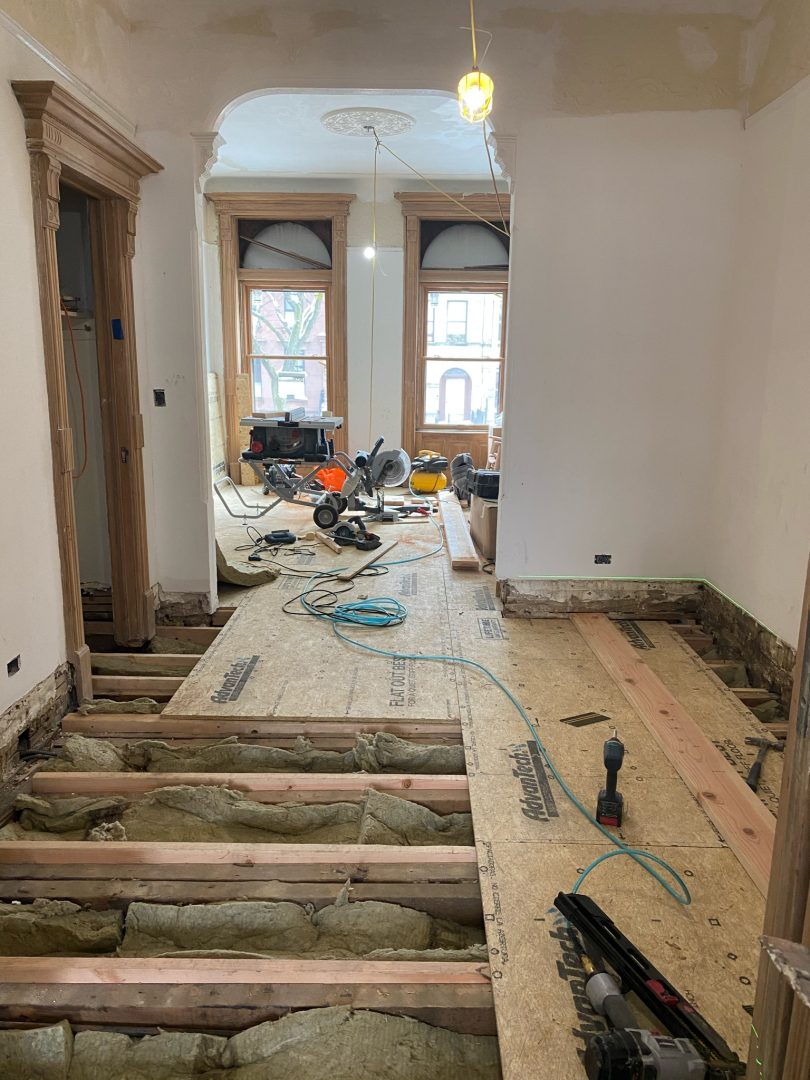
Structure is key for a level floor. Inspect the floor joists. Look for cracks or bends. These can cause unevenness. Examine the support beams. Ensure they are strong and stable. Weak beams affect the floor above. Use a flashlight to see clearly. Seek professional help if damage is found.
Essential Tools And Materials
Start with a good leveling tool. A long level or a laser level works best. A measuring tape is key to check distances. Also, keep a screwdriver handy for small adjustments. A hammer can help to tap down high spots. A sander is useful for smoothing surfaces. Lastly, wear safety goggles to protect your eyes.
Choose strong and durable materials. Plywood is a great base. It’s solid and easy to use. For a smoother finish, use a self-leveling compound. This flows into gaps and evens out surfaces. For smaller fixes, wood shims are helpful. They fill in low spots easily. Always have enough nails and screws for securing everything.
Preparing The Workspace
Start by removing all furniture and decorations from the room. Keep the space empty. It is easier to work this way. Look for any obstacles on the floor. Remove them carefully. This helps in keeping the area safe. Make sure nothing is left on the floor.
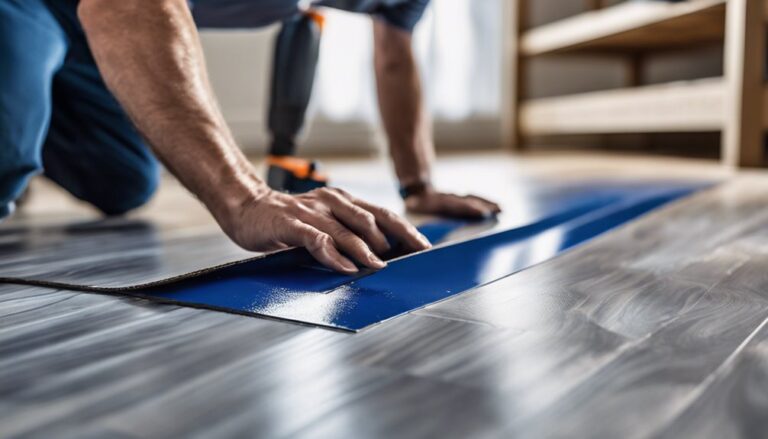
Cover walls and other surfaces with plastic sheets. This keeps them clean. Use tape to hold the sheets in place. It stops dust from spreading. Cover doors and windows too. This helps in keeping the room tidy. Always protect your workspace. It makes cleaning easier later.
Leveling Techniques
Self-leveling compounds help fix uneven floors. Pour the compound over the floor. It spreads out by itself. Easy and quick. Preparation is key. Clean the floor first. Remove dust and debris. Use a primer before the compound. The primer helps the compound stick. Mixing the compound is important. Follow instructions on the package. Use a large bucket and a mixer. Pour the compound fast. It hardens quickly. Wait for the compound to dry. Usually takes a few hours. The floor will be smooth and level.
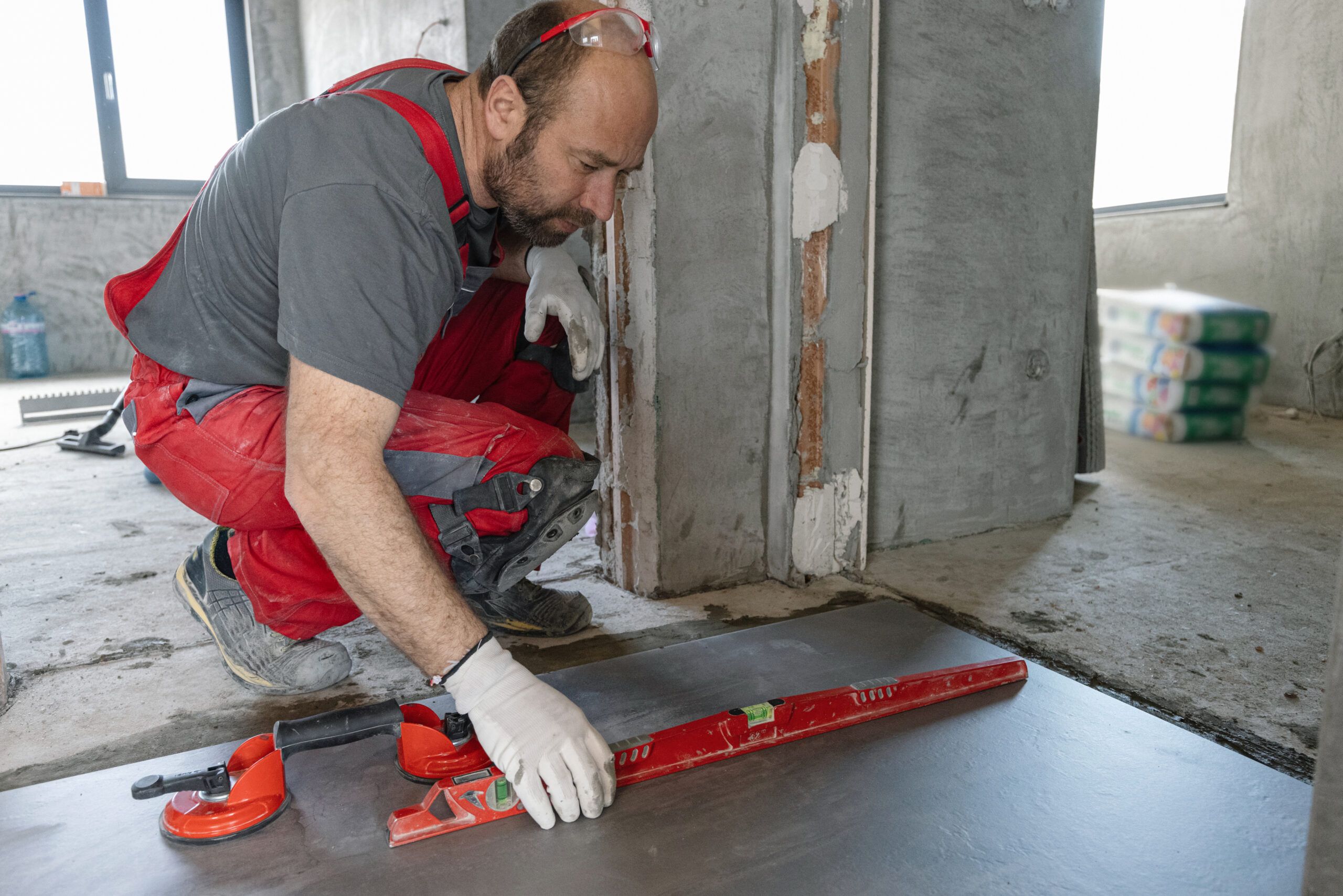
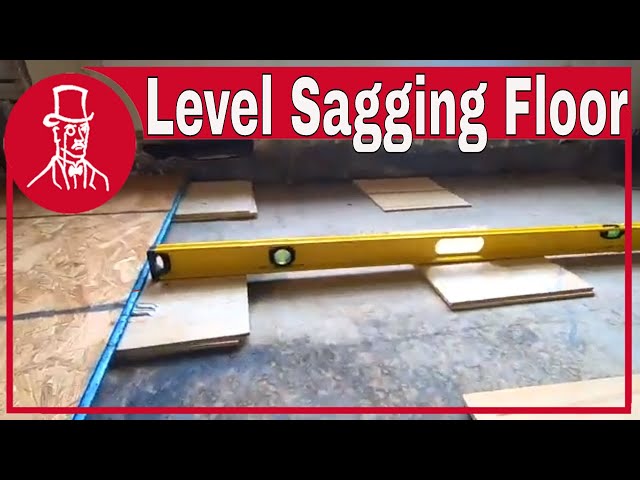
Shimming adds small pieces under the floor. This raises low spots. Use wood shims or plastic ones. Easy to install. Planing shaves down high spots. Makes the floor even. Use a hand planer or a power planer. Check the floor level often. Use a spirit level or laser level. Shimming and planing work well for small areas. Good for old wooden floors. Care is needed. Take your time and be careful. This avoids mistakes and makes your floor level.
Addressing Underlying Issues
Old houses often have foundation issues. These can cause floors to slope. Cracks in the walls might be a clue. It’s important to check the foundation. You might need to call a professional. They can assess and fix these problems. Fixing the foundation can help level the floor. A solid foundation is key to a stable house. Small fixes can prevent bigger issues later. Don’t ignore any signs of trouble. Safety should always come first.
Moisture is a common problem in old houses. It can cause wood to rot. This affects floor levels. Check for leaks in the roof. Also, ensure gutters are clear. Water must flow away from the house. Install a dehumidifier to control indoor moisture. Keep an eye on basement areas. These are prone to dampness. Fix any water issues promptly. A dry house helps keep floors even. Protect your home from water damage.

Professional Help
Some floors are tricky. They have many problems. Cracks and uneven spots can be hard to fix. An expert knows how to handle these issues. They have the right tools and skills. This makes the job faster and safer. Experts also know the best materials to use. Hiring them can save time and stress.
Hiring an expert can be expensive. But it might be worth it. Fixing mistakes can cost more later. Professionals can get it right the first time. This means fewer problems in the future. Think about your budget. Decide what is best for your home. Quality work often costs more. But it can last longer.
Maintenance Tips
Check floors twice a year. Look for cracks or uneven spots. Use a flashlight to see better. Listen for squeaky sounds when walking. Squeaks can mean trouble. Feel for bumpy areas with your feet. If you find problems, fix them quickly. Small problems can become big if left alone.
Keep floors dry. Water can cause damage fast. Use mats near doors to soak up water. Clean spills right away to prevent stains. Use furniture pads. Heavy items can dent floors. Check for pests like termites. They can harm wood floors. Seal cracks in walls and floors. This keeps pests and moisture out.
Frequently Asked Questions
Why Is My Old House Floor Uneven?
Uneven floors in old houses may result from settling foundations or warped floorboards. These issues can occur due to age, moisture, or structural shifts. Addressing them requires assessing the root cause and choosing the appropriate leveling method.
Can I Level A Floor Myself?
Yes, you can level a floor yourself with proper tools and guidance. Basic DIY methods include using self-leveling compounds or shims. However, consulting a professional ensures accurate results and avoids potential issues.
What Tools Do I Need To Level A Floor?
Essential tools for leveling a floor include a level, measuring tape, and self-leveling compound. You may also need a trowel, sander, and shims. Ensure you have these tools before starting the project.
How Much Does Floor Leveling Cost?
Floor leveling costs vary based on the method and size of the area. DIY methods are cheaper, with materials costing around $100 to $500. Professional services may range from $500 to $2,000, depending on complexity.
Conclusion
Leveling a floor in an old house requires patience and care. Start by assessing the uneven spots. Gather your tools and materials. Follow each step carefully. Address any structural issues first. Use the right leveling compound. Apply smoothly for a flat surface.
Check your progress frequently. Take safety precautions seriously. Once finished, enjoy your sturdy floor. A well-leveled floor boosts home comfort. It enhances the house’s appeal. Share this guide with friends who need help. They will appreciate it. Remember, patience leads to the best results.
Happy renovating!