
Are you tired of cold floors that make your home feel less cozy? Insulating your floor could be the solution you’ve been searching for.
Imagine walking barefoot across a warm, snug surface, feeling comfort with every step. You might wonder if it’s a complicated task, but don’t worry—it’s easier than you think! We’ll guide you through simple steps to effectively insulate your floor, enhancing your home’s comfort and energy efficiency.
Say goodbye to high heating bills and hello to a more inviting space. Keep reading to discover how you can transform your living area and enjoy the warmth you’ve always desired.

Benefits Of Floor Insulation
Floor insulation helps keep your home warm. It stops cold air from coming in. This means lower heating bills. Less money spent on energy. Insulation also reduces noise. Quieter rooms make life better. Enjoy peace and quiet at home. Insulated floors last longer. They protect against moisture damage. Moisture can ruin floors over time. Strong floors mean fewer repairs. Less hassle and cost.
Insulation is good for the planet. Saving energy helps reduce pollution. Cleaner air for everyone. Floor insulation is easy to install. Many types to choose from. Find what fits your home best. Make your home cozy and warm. Insulation is a smart choice for every home.
Types Of Floor Insulation
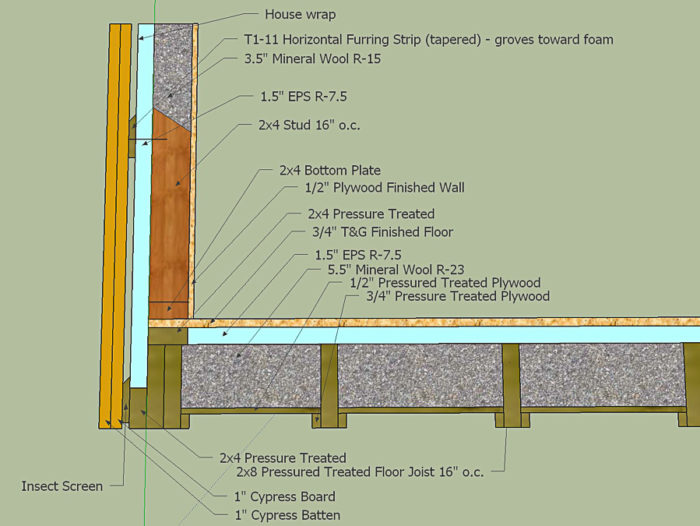
Rigid foam boards are strong and lightweight. They help keep heat inside. These boards are cut to fit any floor shape. They are great for cold areas. Rigid foam does not absorb water. So, it is safe in wet places. Builders like it because it is easy to use.
Spray foam is a soft, sticky material. It expands to fill gaps. This makes floors warm and cozy. Spray foam stops air leaks very well. It is great for odd-shaped floors. Some people call it magic foam. It works fast and lasts long.
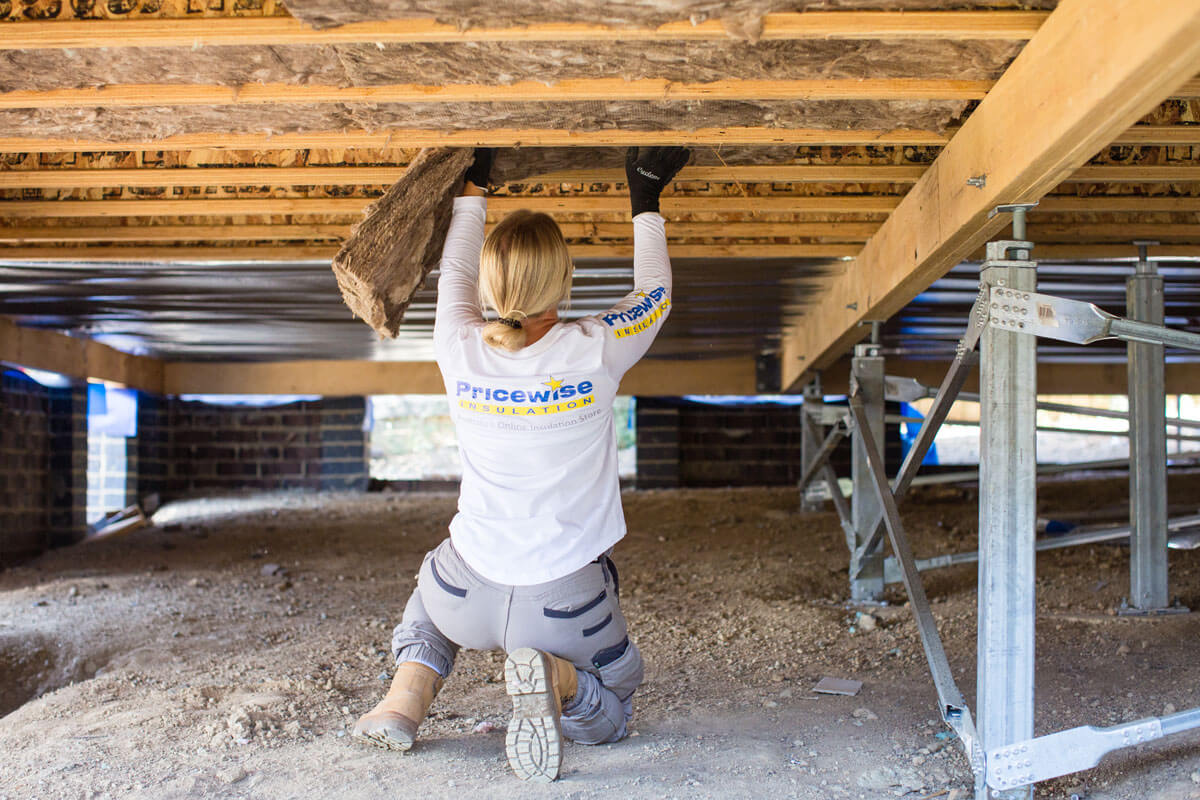
Fiberglass batts look like fluffy blankets. They fit between floor beams. These batts keep the house warm. Fiberglass is made from tiny glass fibers. It is soft and easy to cut. People like it for its low cost. Always wear gloves when touching it.
Choosing The Right Insulation Material
Cold places need thick insulation. This keeps homes warm. Warm places need thinner insulation. This helps homes stay cool. Look at your local weather. Choose the right material for your climate.
Insulation costs vary. Some materials are cheap. Others cost more money. Set a budget first. Choose materials that fit your budget. Save money by shopping around.
Some insulation is hard to install. Others are easy to put in. Easy materials save time. Hard materials may need a professional. Check installation instructions. Choose what you can handle.
Tools And Materials Needed
Good tools make work easier. Start with measuring tape. It helps measure spaces. Utility knife cuts insulation neatly. Safety goggles protect your eyes. Dust mask keeps out dust. Gloves keep hands safe.
Buy floor insulation. Choose the right type. Foam boards are popular. Fiberglass is good too. Adhesive spray helps stick insulation. Staple gun secures it tight. Tape measure checks size.
Hammer and nails are useful. Screwdriver helps fix things. Drill makes holes if needed. Level ensures flat surfaces. Ladder reaches high spots. Keep these tools ready.
Preparing The Floor
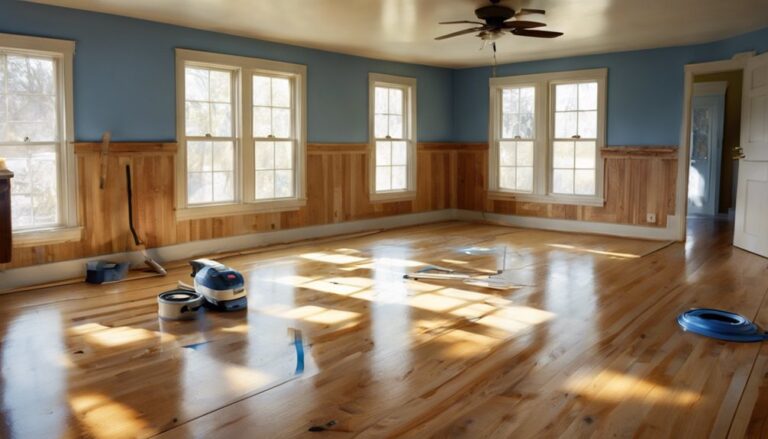
Start by removing all furniture and rugs from the room. Make sure the floor is clear. Sweep the floor to get rid of dust and dirt. Use a vacuum for any remaining particles. Ensure every corner is cleaned thoroughly. This makes the floor ready for insulation.
Check the floor for any cracks or holes. Fill these with a suitable filler. Let the filler dry completely. If any boards are loose, nail them down securely. A flat and even surface is crucial. This ensures the insulation is effective. Double-check for any remaining issues.
Installing Underfloor Insulation
First, measure the floor area. Use a tape measure for accuracy. Write down each measurement. Next, cut the insulation to fit. Use a sharp knife or scissors. Be careful not to cut too much. Make sure the pieces fit snugly. This will help keep the heat in. Insulation should cover the whole floor. Gaps can let the cold in. Double-check your measurements. It is important they are correct.
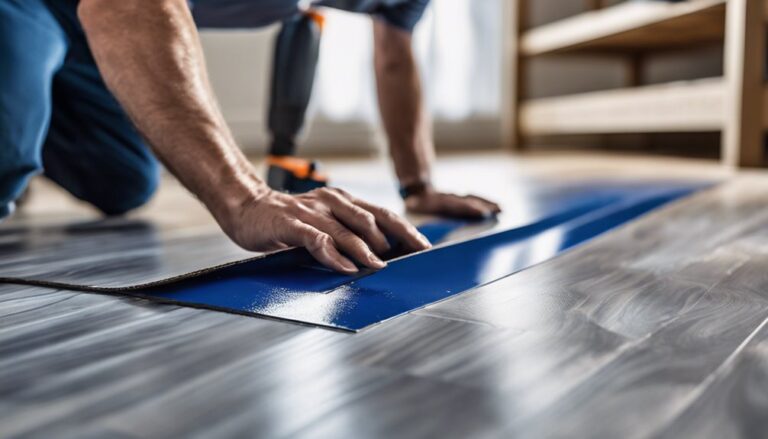
Lay the cut pieces on the floor. Check they fit well. Use strong tape or staples to secure. Start at one corner of the room. Work your way across. Press the insulation down firmly. This helps it stay in place. Make sure there are no bumps. Smooth out any wrinkles. Check that all edges are covered. This keeps the floor warm.
Insulating Above The Subfloor
Start by placing the insulation sheets on the floor. Ensure they fit snugly. Sheets must cover the entire area. Use a straightedge to cut sheets if needed. Make sure there are no gaps between sheets. A tight fit is important for good insulation. Check each sheet as you lay it down. Press each sheet firmly into place. This helps keep them secure.
Gaps reduce the effectiveness of insulation. Use sealant to fill in any spaces. Pay attention to the edges of the room. Seal these areas carefully. A well-sealed edge stops air from escaping. This keeps the floor warm. Make sure to check for small cracks. Fill these with sealant too. Double-check your work once finished.
Dealing With Crawl Spaces
Crawl spaces can be hard to reach. Access is often tight. This makes insulation tricky. Small spaces need special tools. Use a flashlight to see better. Wear gloves to protect your hands. Kneepads help too. Be careful of sharp objects. Planning is key. Measure the space first. This ensures you buy the right materials. Keep your tools close. You might have to crawl. Move slowly to avoid getting stuck.
Moisture can ruin insulation. It causes mold and damage. Use a vapor barrier. This keeps water out. Check for leaks before starting. Fix any water problems first. Plastic sheets work well as barriers. Tape seams tightly. This stops moisture from entering. A dry crawl space is safe. It keeps the floor warm. Good ventilation is important. It helps air move. This keeps everything dry.
Common Mistakes To Avoid
Some people pick the wrong materials. Cheap insulation often fails. It doesn’t keep heat in. Always choose quality insulation. It saves money over time. Better warmth for your home.
Many skip preparing the floor. Dust and dirt reduce insulation effectiveness. Clean floors work best. Remove debris before insulating. This step is crucial.
Moisture can ruin insulation. Always add a moisture barrier. Keep water out. It protects the insulation. Prevents damage and mold.
Insulation must be installed correctly. Gaps allow heat to escape. Follow instructions carefully. Ensure no spaces or holes. Proper technique is key.
Maintenance And Longevity Tips
Regular checks keep the floor insulation in good condition. Look for any damage or wear. This helps in fixing issues early. Clean the floor often to remove dirt and debris. They can harm the insulation over time. Use a soft broom or vacuum for cleaning. Avoid using harsh chemicals. They can damage the insulation material.
Keep an eye on the humidity levels. High humidity can cause mold growth. Mold can damage the insulation. Use a dehumidifier if needed. Check for water leaks under the floor. Fix leaks immediately to prevent damage. Keep the temperature consistent in the room. Extreme changes can harm the insulation.
Frequently Asked Questions
What Is The Best Material For Floor Insulation?
The best material for floor insulation depends on the specific needs of your space. Common options include fiberglass, foam board, and mineral wool. Each has its own benefits like thermal efficiency and soundproofing. Consider factors such as budget, climate, and installation ease when choosing the right material.
How Much Does Floor Insulation Cost?
The cost of floor insulation varies based on material and installation complexity. On average, homeowners spend between $1,500 and $4,500. Factors like home size and insulation type influence the total cost. It’s advisable to get multiple quotes from professionals for an accurate estimate tailored to your needs.
Can I Insulate My Floor Myself?
Yes, you can insulate your floor yourself if you’re comfortable with DIY projects. Choose the right materials and follow proper installation techniques to ensure effectiveness. However, for complex structures or large areas, hiring professionals is advisable to ensure thorough and efficient insulation.
How Does Floor Insulation Save Energy?
Floor insulation reduces heat loss and drafts, maintaining indoor temperatures more effectively. This results in lower energy consumption for heating and cooling, leading to reduced utility bills. Insulation creates a barrier that minimizes the need for constant temperature regulation, enhancing energy efficiency in your home.
Conclusion
Insulating a floor can save money and energy. It keeps your home warm. It also reduces noise from outside. The process is simple with the right tools. Start by measuring the area. Choose the best insulation type for your needs.
Install carefully for maximum effectiveness. Check for gaps and seal them well. Regular maintenance ensures insulation lasts longer. Enjoy a cozy and quiet home year-round. Small changes make a big difference in comfort. Try it yourself and feel the improvement.
Your home deserves the best care and attention.