
Imagine waking up on a chilly morning and stepping onto a floor that feels as warm as a cozy blanket. That’s the magic of radiant floor heating.
If you’re tired of cold tiles or want to add a touch of luxury to your home, installing radiant floor heating might be the perfect solution for you. But how do you start? And is it as complicated as it sounds?
Here’s the good news: with the right guidance, installing radiant floor heating can be straightforward and rewarding. This guide will walk you through each step, making sure you understand the process and feel confident about your project. Whether you’re a DIY enthusiast or simply curious about home improvement, this article promises to equip you with the knowledge you need, while keeping things simple and stress-free. Read on to discover how you can transform your living space into a warm haven, and never dread winter mornings again.
Benefits Of Radiant Floor Heating
Radiant floor heating keeps rooms warm and cozy. No more cold feet on chilly mornings. It spreads heat evenly across the floor. This saves energy and reduces heating costs. The system is quiet and does not make noise. It works under any type of floor: wood, tile, or carpet. Comfort is key with radiant floor heating. It eliminates cold spots in rooms. Furniture stays warm too, which is a bonus. There are no visible heaters, giving more space in rooms. Safe for kids and pets, no hot surfaces to touch. Enjoy warm floors and lower energy bills. It’s a smart choice for every home.
Types Of Radiant Floor Heating Systems
Electric systems use wires or mats under the floor. These systems are easy to install. They are best for small areas like bathrooms. Electric systems heat up quickly. They can be controlled with a thermostat. This allows you to manage the temperature. Electric systems are usually more expensive to run. It’s important to check your electricity costs before deciding.
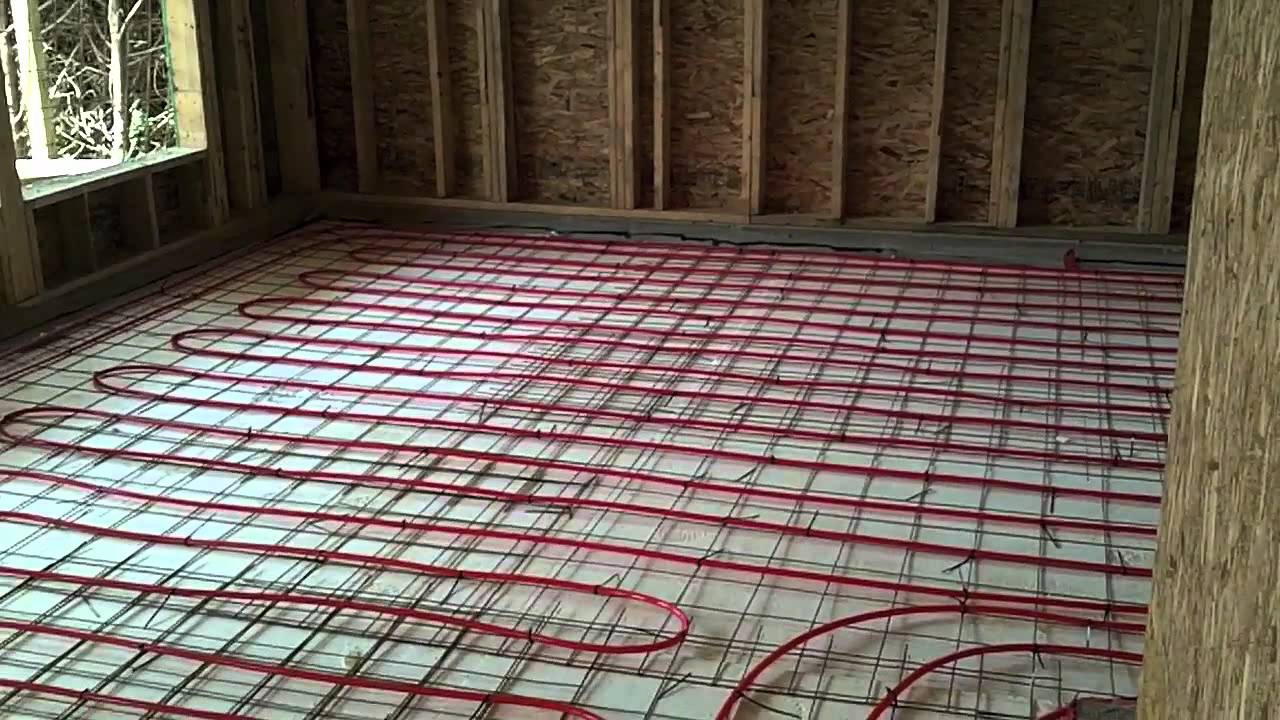
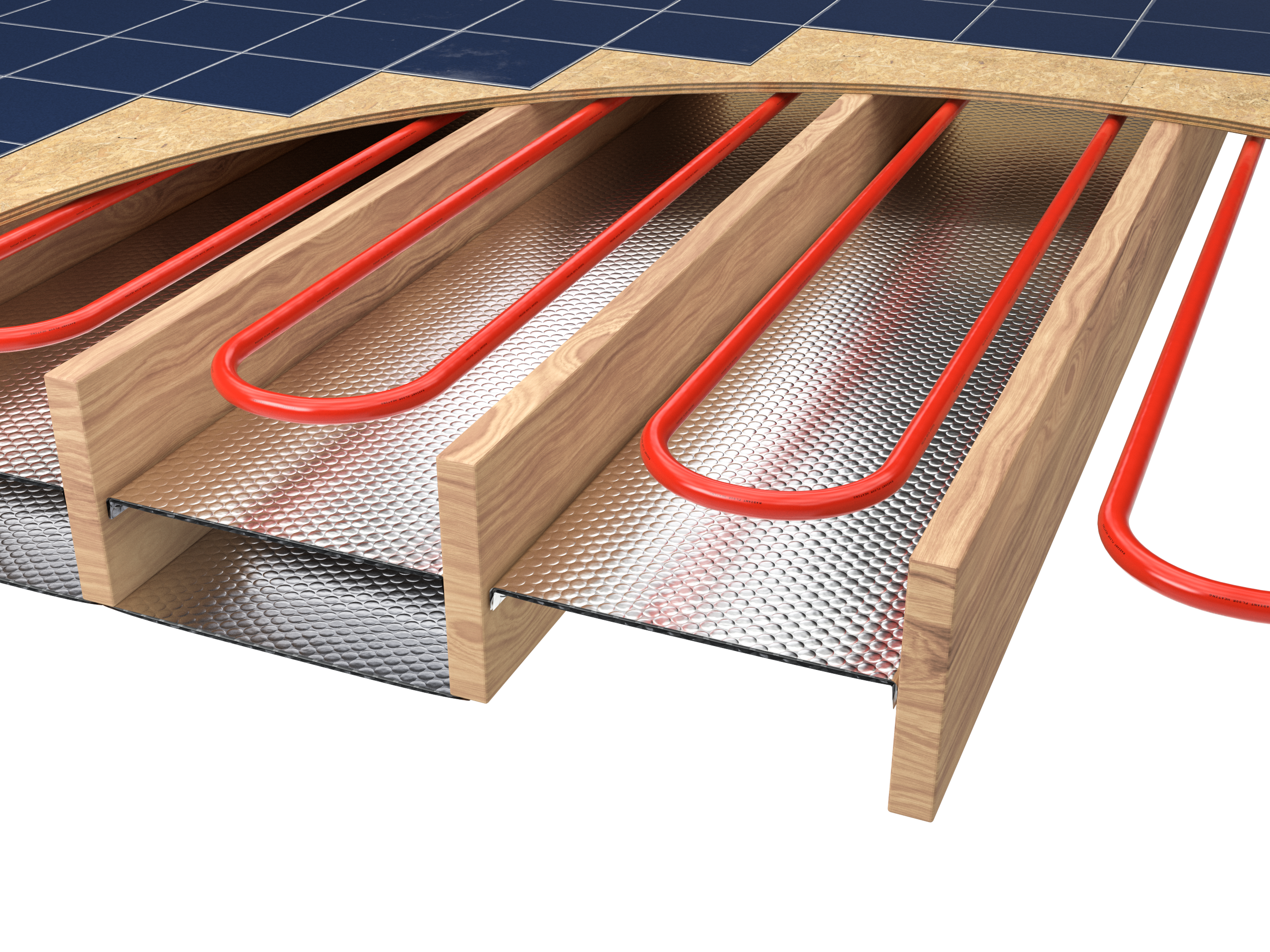
Hydronic systems use hot water to heat the floors. Water flows through tubes under the floor. These systems are ideal for larger areas. They are more energy-efficient than electric systems. Hydronic systems can use different heat sources. They include boilers, water heaters, or solar panels. Installing hydronic systems is more complex. It is often done during home construction or renovation.
Necessary Tools And Materials
Start by gathering all the important tools and materials. You will need a tape measure, a utility knife, and a staple gun. A drill with bits is also needed. Make sure to have a thermostat and a circuit tester. Don’t forget the tubing for the heating system.
Prepare the floor with a subfloor. Use a flooring underlayment to protect the heating system. Purchase a reliable radiant heat system kit. This kit usually includes the heating cable or mats. Check that you have enough insulation for the floor. Insulation is very important. It helps keep the heat in the room.
Preparing The Installation Area
Remove all furniture and items from the room. This makes work easier. Sweep the floor to remove dust. This helps the new heating work well. Ensure the area is clean and ready. A clean area makes installation quicker.
Inspect the subfloor for any damage. Fix cracks or holes. A strong subfloor is important for heating. Make sure it is even. Use a level tool to check. An even subfloor helps the heating system work better.
Installing Electric Radiant Heating
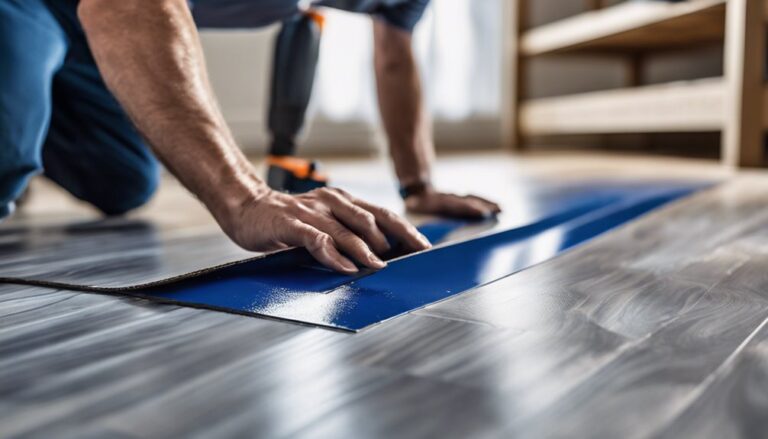
First, clean the floor surface well. Ensure no dust or debris is left. Roll out the heating mats on the floor. Place them flat without wrinkles. Avoid cutting the heating wire. Only cut the mesh if needed. Use tape to secure the mats. Ensure mats cover the entire area evenly. Leave a small gap near walls. This helps in proper fitting. Check the mats for any damages. Fix them before proceeding.
Begin by turning off the power. Safety first is always important. Connect the thermostat to the power supply. Follow the instructions given in the manual. Connect the heating mats to the thermostat. Ensure all wires are tightly connected. Use a screwdriver for this task. Double-check connections before powering on. Set the thermostat to the desired temperature. Test the system by turning it on. Check if the floor warms up evenly. Adjust settings if needed.
Installing Hydronic Radiant Heating
First, find a good spot for the manifold. It should be close to the heating source. Attach the manifold to the wall using screws. Make sure it is level. Connect the boiler pipes to the manifold. Use a wrench to tighten the connections. Check for leaks with water pressure. If any leaks appear, tighten the connections again.
Begin by unrolling the tubing across the floor. Keep the loops even. Space them about 6 inches apart. Use clamps to secure the tubing. Make sure it is flat on the floor. Attach the tubing ends to the manifold. Check that all connections are tight. Test the system with water flow. Look for any leaks or issues.
Testing The System
Turn on the water in the pipes. Look for any leaks. Use a pressure gauge. Ensure the pressure stays steady. No water should drip out. If leaks are found, fix them quickly. A small leak can cause big problems. Once fixed, test again. Ensure there are no more leaks.
Walk on the heated floor. Feel for cold spots. Use a thermal camera for better checks. All parts should feel warm. If not, adjust the system. Check the settings and controls. Make sure the temperature is even. This ensures comfort in all areas.
Finishing Touches
Installing radiant floor heating adds comfort and efficiency to your home. The process involves laying heating cables or mats under your flooring. Ensure proper insulation and connect the system to a thermostat for control and convenience.
Installing Flooring
Choose flooring that works with radiant heat. Tile, laminate, and stone are good options. Avoid carpet as it blocks heat. Clean the subfloor before installation. Make sure it’s dry and smooth. Lay the flooring carefully to prevent damage. Use spacers for even gaps. Follow the manufacturer’s instructions for best results. Trim edges neatly for a polished look.
Sealing And Insulating
Sealing gaps is important to keep the heat in. Use a high-quality sealant. Focus on edges and joints. Insulation helps the system work better. Insulate walls and ceilings too. This keeps the room warm. Double-check for any missed spots. A well-sealed room saves energy. It also keeps the floor heating system efficient.
Maintenance Tips
Check the system regularly. Ensure the temperature control works. Clean the floor surface to avoid dirt buildup. Dirt can block the heat. Inspect pipes for any leaks. Leaks can cause damage. Keep the room at a steady temperature. Sudden changes can affect the system. Watch out for strange noises. Noises can mean trouble. Call a professional for help. They know what to do. Follow the manufacturer’s guidelines. Proper care extends the system’s life. Use gentle cleaning products. Harsh chemicals can hurt the system.
Frequently Asked Questions
What Are The Benefits Of Radiant Floor Heating?
Radiant floor heating provides consistent warmth across your home. It is energy efficient and reduces heating costs. This system also eliminates the need for radiators, saving space. It offers silent operation and enhances comfort by reducing allergens in the air.
How Long Does Installation Take?
Installation of radiant floor heating typically takes a few days. The duration depends on the size of the area. Professional installers ensure efficient and timely setup. Larger projects may take longer. Proper planning can help streamline the installation process.
Is Radiant Floor Heating Energy Efficient?
Yes, radiant floor heating is energy efficient. It uses less energy compared to traditional heating systems. This system distributes heat evenly, reducing energy waste. It helps lower energy bills. Radiant heating also offers better control over room temperature.
Can Radiant Floor Heating Work With Any Flooring?
Radiant floor heating works well with various flooring types. It is compatible with tile, stone, and concrete floors. Wood and laminate floors can also be used. Consult with manufacturers for specific compatibility. Proper insulation is crucial for optimal performance.
Conclusion
Radiant floor heating offers warmth and comfort. It enhances your home’s atmosphere. Installation requires patience and attention to detail. Follow each step carefully for best results. Choose quality materials for durability and efficiency. Consult professionals if needed for guidance and assurance.
Enjoy the cozy feeling of warm floors during chilly months. Experience improved comfort and energy savings. It’s a worthwhile home upgrade. Radiant heating combines modern technology with simple comfort. Transform your living space with this efficient system. Feel the difference it makes in daily life.
Make your home a cozy haven with radiant heat.