


Imagine stepping into your bathroom to enjoy a refreshing shower, only to find water pooling around your feet. The culprit?
An improperly installed shower drain. If you’re facing this frustrating problem or planning to install a new shower in your concrete floor, you’re in the right place. Installing a shower drain may seem like a daunting task, but with the right guidance, you can do it yourself and save on costly repairs.
You’ll discover straightforward steps that make the process easier, even for those new to home improvement. You’ll learn about the tools you’ll need, common pitfalls to avoid, and tips to ensure your drain works perfectly. By the end, you’ll feel confident tackling this project and enjoy a shower that drains smoothly every time. Let’s dive in and transform your bathroom into a functional and comfortable space.

Tools And Materials Needed
Get a shower drain and a concrete saw. You need a measuring tape too. A bucket and a sponge will help clean up. Use a pencil for marking spots. Bring a drill with a masonry bit. It makes holes in the concrete. Safety glasses protect your eyes. A dust mask keeps dust away. Use work gloves to protect your hands.
Gather PVC pipes and pipe glue. You need a pipe wrench. It helps tighten the pipes. Get a level to check if pipes are straight. A trowel smooths the concrete. Use plastic sheeting to cover things. Duct tape helps hold the plastic.
For finishing, use concrete mix. Mix it with water in a bucket. Pour it around the drain. Smooth it with the trowel. Let it dry for a day.
Preparing The Work Area
Clear the bathroom area first. Move any items that might get in the way. Use a broom to sweep away dust and debris. This makes the floor clean and ready. You will need a clear space to work efficiently. Avoid stepping on loose objects. They can cause slips or accidents. Keep your tools nearby for easy access. This will save time and effort.
Find the center of where the drain will go. Use a tape measure for accuracy. Mark the spot with a pencil or chalk. Make sure the mark is visible. This helps you cut in the right place. Double-check your measurements to avoid mistakes. A clear mark ensures the drain fits perfectly. Remember, accuracy is key here.
Cutting The Concrete
Cutting concrete requires a strong and reliable saw. A diamond blade is best for concrete. It cuts smoothly and lasts long. Electric saws are good for indoor work. They produce less noise and dust. Gas-powered saws offer more power. Useful for big projects outdoors.
Wearing protective gear is important. Use safety goggles to protect your eyes. Wear ear protection to guard against loud noises. Dust masks keep lungs safe from particles. Gloves shield hands from sharp edges. Ensure the area is clear of obstacles. Keep a fire extinguisher nearby for emergencies.

Installing The Drain Assembly
Position the drain correctly for a smooth installation. Place it in the center of the shower area. Make sure it aligns with the plumbing. The drain should sit flush with the concrete floor. This prevents water pooling and ensures proper drainage.
Secure the drain firmly to avoid leaks. Use screws to fix the drain in place. Tighten them evenly. This keeps the drain stable. Check for any gaps around the drain. Fill gaps with waterproof sealant. This keeps water from seeping under the floor.
Let the sealant dry completely. Ensure it’s dry before testing the drain. This step is crucial for a leak-free shower. Properly installed drains last longer and work better.
Connecting The Plumbing
Start by measuring the length of the drain pipe needed. Cut the pipe to the correct length using a pipe cutter. Make sure the cut is straight and clean. Connect the pipe to the main line. Use a wrench to secure the connection. Ensure all parts fit snugly. This prevents any water leaks.
Apply plumber’s putty around the drain flange. This creates a tight seal. Place the drain on the hole in the concrete. Press down firmly to secure it. Tighten the flange screws with a screwdriver. Check all connections for leaks. Turn on the water and watch closely. If no leaks appear, the job is well done.
Pouring New Concrete
Mix concrete in a large bucket or container. Use a shovel or a mixing tool. Add water slowly. Stir until the mix is smooth. It should feel like thick mud. Make sure there are no lumps. This is very important.
Pour the mixed concrete onto the floor. Use a trowel to spread it evenly. Smooth the surface with gentle strokes. Press lightly to remove air bubbles. Wait for it to dry a bit. Check if the surface is even. Add more concrete if needed. Let it dry completely before walking on it.
Testing The Installation
Begin by ensuring the shower drain is securely fitted within the concrete floor. Verify that water flows smoothly into the drain, confirming a proper seal and installation. Test for leaks by observing any water seepage around the drain edges, ensuring a reliable setup.
Checking For Leaks
Inspect the shower drain for leaks. Turn on the water to a slow flow. Look around the drain area. Watch for any water pooling. If water gathers, there might be a leak. Check the drain edges carefully. Use a flashlight if needed. Make sure the seal is tight. Water should flow smoothly.
Ensuring Proper Drainage
Test the drainage by pouring a bucket of water. Observe how fast the water leaves. Water should disappear quickly. If the water stays, the drain might be blocked. Check for any obstructions inside the pipe. Use a plunger if needed. Clear the pipe to ensure smooth drainage. Proper drainage prevents water buildup.
Finishing Touches
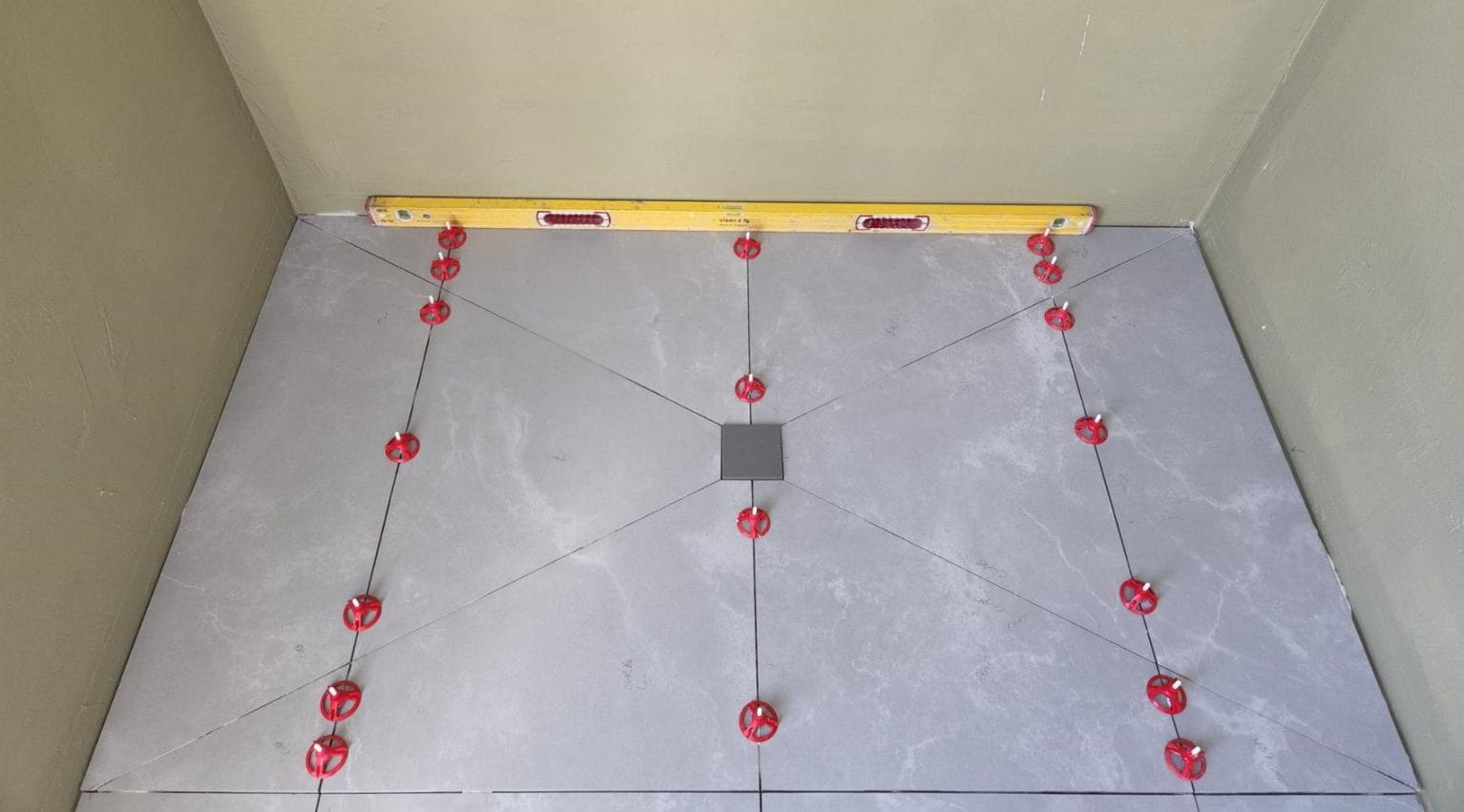
Installing a shower drain in a concrete floor requires precision and patience. Begin by marking the drain location. Then, carefully cut the concrete and position the drain pipe. Ensure proper alignment and secure the drain tightly.
Cleaning The Area
Ensure the area around the shower drain is clean. Remove any leftover debris or dust. Use a damp cloth to wipe the surface. This helps prevent clogging. A clean space makes the drain work well. Check for any sharp objects. These can harm the drain.
A clean area also looks nicer. It gives a fresh finish to your work. Your shower will be ready to use soon!
Final Inspection
Check the drain for any leaks. Pour some water into the shower. Watch if the water flows smoothly. No puddles should form. Tighten any loose screws if needed. Ensure everything is in place. A stable drain lasts longer.
Examine the edges of the drain. They should be even with the floor. This prevents trips or falls. Your work is almost done!
Frequently Asked Questions
How Do I Prepare Concrete For Shower Drain Installation?
First, clean the area and remove debris. Then, mark the drain location. Use a concrete saw to cut a hole. Verify the size matches the drain flange. Ensure proper slope for drainage. This preparation ensures effective installation and prevents future issues.
What Tools Are Needed For Installing A Shower Drain?
You’ll need a concrete saw, measuring tape, level, drain assembly, and PVC primer and cement. A bucket and sponge for cleanup are helpful. Safety gear like gloves and goggles is essential. These tools ensure a smooth installation process.
Can I Install A Shower Drain Myself?
Yes, you can install it yourself with the right tools and guidance. Follow instructions carefully and ensure proper measurements. It requires some plumbing and concrete cutting skills. If unsure, consult a professional to avoid costly mistakes.
How Long Does It Take To Install A Shower Drain?
Installing a shower drain typically takes 2 to 4 hours. This depends on your skill level and preparation. Cutting concrete and plumbing can add time. Proper planning and preparation can reduce installation time significantly.
Conclusion
Installing a shower drain in concrete requires patience and precision. Follow the steps carefully to ensure a smooth installation. Measure twice, cut once. This saves time and avoids mistakes. Use proper tools for efficient work. Check for leaks after installation.
It’s crucial for safety and function. Clean the area thoroughly to prevent blockages. Regular maintenance keeps your shower drain working well. A well-installed drain enhances your shower experience. Remember, practice makes perfect. Each installation improves your skills. Now you can enjoy a functional and efficient shower setup.
Happy renovating!