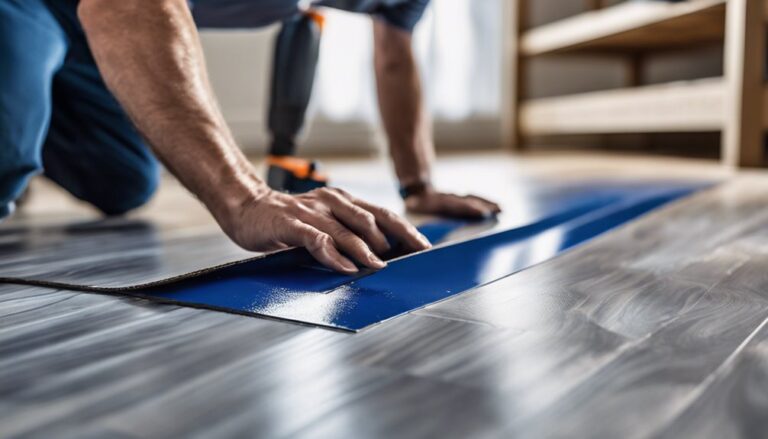

Are you staring at your old concrete floor, wondering how to give it a fresh, smooth finish? Grinding your concrete floor can transform it from a dull slab into a sleek surface.
Whether you’re a DIY enthusiast or a homeowner looking to refresh your space, knowing how to grind a concrete floor can save you time and money. This guide will walk you through the process, step by step, ensuring you have all the tips and tricks to achieve a professional look.
By the end of this article, you’ll feel confident to tackle your concrete floor project with ease and precision. Ready to discover the secrets behind a flawlessly ground concrete floor? Let’s dive in!
Preparing The Floor
Move furniture and items from the room. Sweep the floor to remove dust. Ensure no objects remain. Check corners for hidden items.
Look for cracks or holes. Mark damaged spots with chalk. Check for uneven surfaces. Ensure floor is clean before grinding.
Collect the grinder. Gather safety gear like goggles and gloves. Get a dust mask. Ensure all tools are nearby. Check if tools work well.
Choosing The Right Grinder
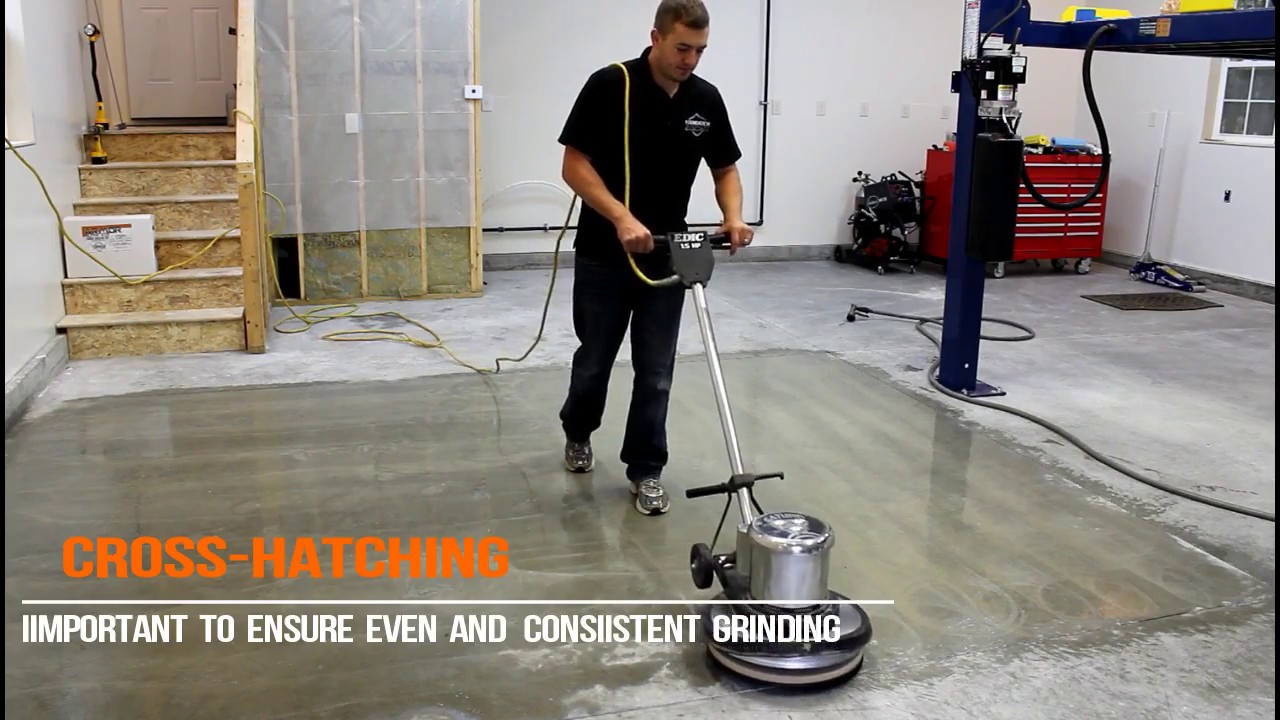
Concrete grinders come in different types. Hand-held grinders are small and easy to use. They are best for small areas. Walk-behind grinders are bigger and cover more space. They are ideal for large floors. Planetary grinders have multiple discs. These discs rotate in different directions. This makes them very effective. Edge grinders are used for grinding corners and edges. Choose the grinder that fits your project needs.
Grit refers to the roughness of the grinder’s surface. Lower grit numbers mean rougher surfaces. Higher grit numbers give a smoother finish. Start with a low grit for tough spots. Move to a higher grit for a smooth surface. For most jobs, begin with 30 or 60 grit. Finish with 120 grit or above for a polished look. This ensures the floor is even and shiny.
Safety Measures
Safety is very important. Wear a hard hat to protect your head. Safety goggles keep your eyes safe from dust. Use earplugs to protect your ears from noise. Wear a dust mask to breathe safely. Gloves protect your hands from sharp edges. Steel-toed boots keep your feet safe. Knee pads help when you need to kneel.
Read the machine manual before starting. Check all machine parts before use. Keep the work area clean. Remove any obstacles from the ground. Work at a steady pace. Take breaks if you feel tired. Never leave the machine running unattended. Communicate with your team. Always have a first aid kit nearby. Keep fire extinguishers ready in case of fire.
Grinding Techniques
Begin with a coarse diamond grinding wheel. This helps remove rough spots. The surface becomes smoother. Use steady pressure. Go over the entire floor. This makes it even.
Switch to a finer diamond grinding wheel. This removes scratches. The floor gets smoother. Work slowly and evenly. Check your progress often. Ensure a uniform finish.
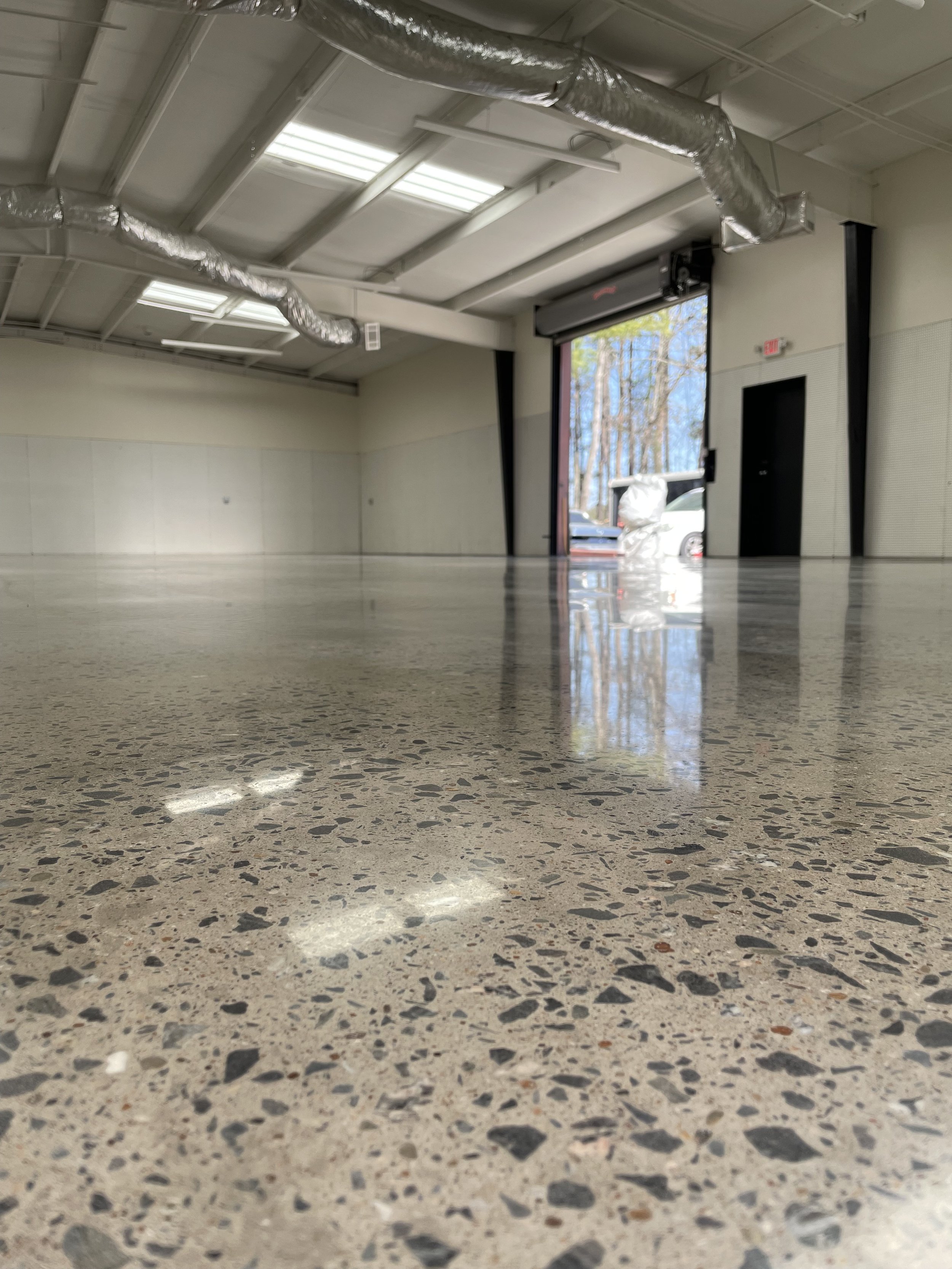
Finish with the finest wheel. The surface should be silky smooth. Look for any remaining rough spots. Buff them out gently. The floor should shine. It’s ready for the final touches.
Dealing With Edges And Corners
Grinding concrete floors requires special attention to edges and corners. These tricky areas demand precision for a smooth finish. Use a handheld grinder for better control and detail work.
Using Handheld Grinders
Handheld grinders are great for edges and corners. These tools help you reach tight spots. They are small and easy to use. Safety is important. Always wear goggles and gloves. Keep the grinder steady. Move it slowly across the surface.
Techniques For Precision
Precision is key for neat work. Use light pressure for smooth results. Be patient. Check your progress often. Adjust your approach if needed. Practice makes perfect. Remember, the right technique saves time. It also gives better results.
Cleaning The Surface
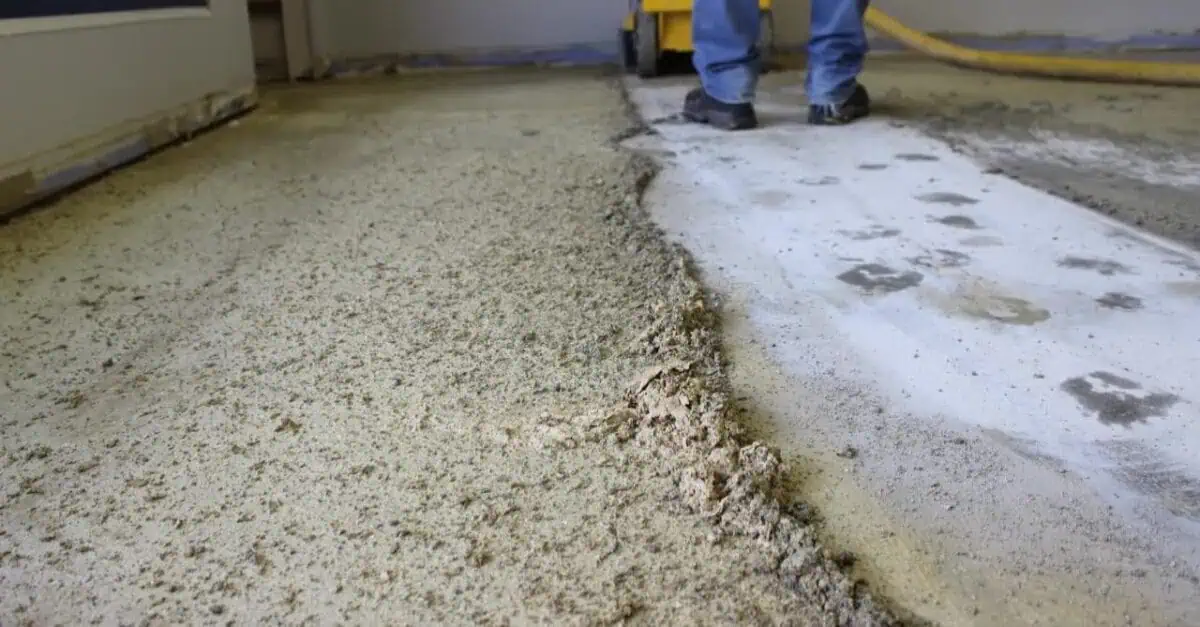
Begin by clearing the area of any obstacles. Use a broom to sweep the floor. Remove dust and small particles. Debris can damage the grinder. Vacuum the surface for a thorough clean.
Look carefully for any remaining dirt. Check the corners and edges. Ensure the floor is completely clean. A clean floor ensures better grinding results. Inspect for stains or spills. Clean them before you start grinding.
Maintaining The Equipment
Clean the grinding machine after every use. Dust and dirt can cause damage. Use a soft cloth to wipe down surfaces. Avoid water near electric parts. A clean tool works better and lasts longer.
Inspect the grinding equipment before each use. Look for any cracks or broken parts. Tighten loose screws and bolts. Replace worn-out parts promptly. Proper maintenance ensures safety and efficiency.
Troubleshooting Common Issues
Uneven grinding makes floors look bad. This happens when the grinder skips spots. To fix this, use a level tool. Check the floor. Find the high and low spots. Adjust the grinder to hit all areas equally. Move slowly and carefully. This helps smooth the surface.
Overheating damages the grinder. It can stop working. Keep it cool to avoid this. Take breaks often. Use a fan to cool the machine. Check the grinder’s motor. Make sure it runs well. Cooling helps extend the tool’s life. It saves you money.
Surface imperfections are common. They ruin the look of the floor. Use a fine grit disk to smooth them. Check for cracks or holes. Fill them with concrete patch. Let it dry well. After drying, grind again. This makes the floor even and nice.
Frequently Asked Questions
What Tools Are Needed To Grind Concrete Floors?
To grind concrete floors, you’ll need a concrete grinder, diamond grinding discs, and a dust mask. Concrete grinders are available in various sizes. Choose the right one based on your project size. Diamond grinding discs are essential for effective grinding.
A dust mask ensures safety from airborne particles during the process.
How Long Does Concrete Grinding Take?
The duration of concrete grinding depends on the floor size and condition. Small areas may take a few hours, while larger spaces could require a day or more. Factors like the grinder’s efficiency and surface texture also influence the time required.
Always plan for breaks to ensure consistency and quality.
Can I Grind Concrete Myself?
Yes, you can grind concrete yourself with proper tools and safety gear. However, it’s crucial to follow guidelines for effective grinding. Ensure you have a concrete grinder and diamond discs. Watch tutorials or seek professional advice for best practices. Always prioritize safety by wearing protective gear throughout the process.
Is Concrete Grinding Messy?
Concrete grinding can be messy due to dust and debris. Use a dust mask and goggles for protection. Employ a dust collection system or vacuum to minimize mess. Proper preparation and cleanup can reduce the impact of grinding. Consider hiring professionals if you’re concerned about cleanliness and efficiency.
Conclusion
Grinding concrete floors enhances their durability and appearance. It removes old stains and uneven surfaces. With the right tools, the task becomes manageable. Safety gear is crucial for protection. Remember, patience leads to better results. Start with coarse grit, then move to finer ones.
This ensures a smooth finish. Regular maintenance keeps the floors in top condition. Grinding also prepares floors for new coatings. Always follow expert advice and guidelines. This ensures safety and effectiveness. Your concrete floors can look impressive with the right effort.
Achieve quality results with consistent care and attention.