
Are you curious about the layout of your home? Maybe you’re planning a renovation, or simply want to visualize the space better.
Getting the floor plan of your house can unlock endless possibilities. Imagine having a clear blueprint that guides your design choices and helps you make the most of every square foot. This article will walk you through simple steps to obtain your home’s floor plan, whether it’s digging through paperwork or using modern technology.
By the end, you’ll have the knowledge to transform your living space into a masterpiece that reflects your style and meets your needs. Let’s explore how you can bring your floor plan to life.

Assessing Your Needs
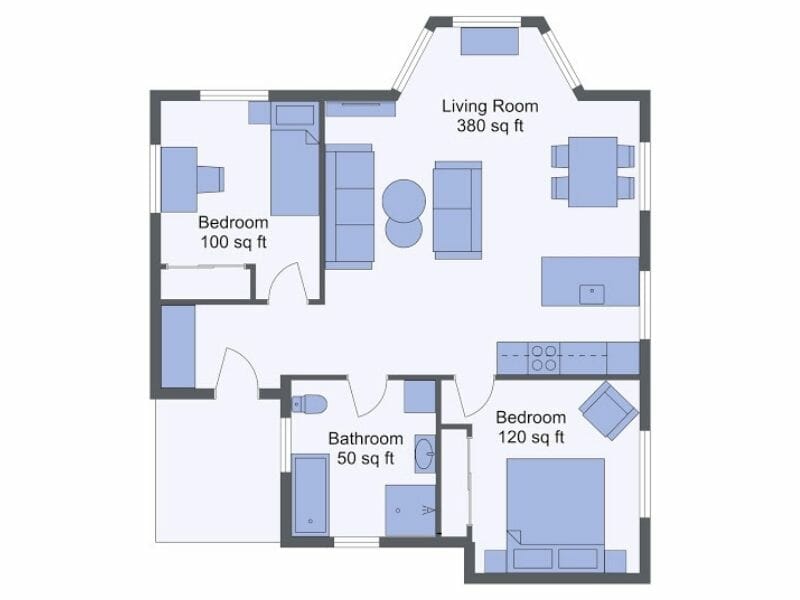
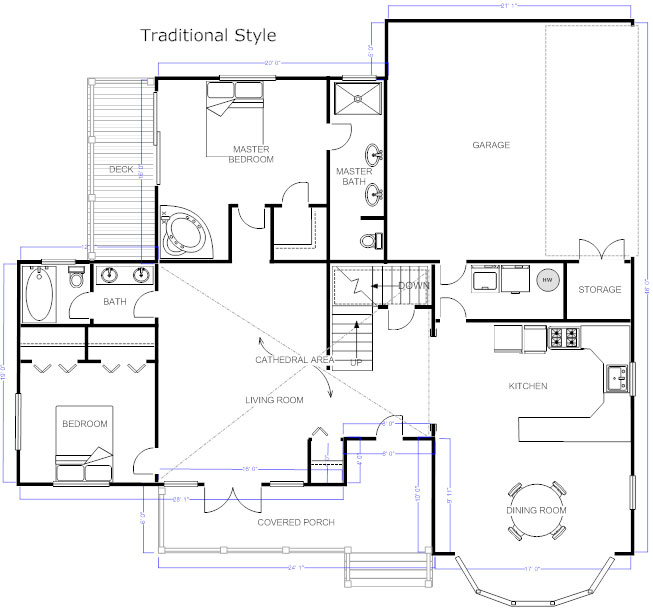
A floor plan shows the layout of your house. It helps you understand the space. You can plan furniture placement better. It’s useful for renovations. Floor plans are also needed for selling houses. Buyers like to see how rooms connect. Contractors use them to know where to build or fix things. Having a floor plan saves time and money.
There are several types of floor plans. 2D floor plans are basic. They show walls and rooms in flat view. 3D floor plans give a detailed view. They show rooms in three dimensions. Blueprints are complex. They have technical details. You might need them for construction. Each type serves a different purpose. Choose the one that fits your needs.

Gathering Information
Start by checking your home records. Many people keep them in a safe place. They might be in a file or a drawer. Ask your family members if they have seen them. Sometimes, older homes have these plans. You can also visit the city office. They may have a copy of your house plan. Another option is to contact your builder or architect. They often keep copies for many years.
Many websites offer house plans. Some sites even have free plans. You can search using your house type or style. Use simple keywords to find the right plan. Websites like local government sites may help. Look for your city or county website. They can provide plans for local houses. Also, check online forums. People often share useful tips there.
Contacting Professionals
Reaching out to a professional can simplify the process of obtaining your house’s floor plan. Architects or builders may have the original plans or can create one for you. Local government offices might also hold records if your house is older.
Hiring An Architect Or Designer
An architect can help you find your house plans. They have the skills and tools to make detailed drawings. You can also hire a designer. They can create plans from scratch. They know how to measure and draw your home. It is important to communicate your needs. Tell them what you want in detail. Always check their work. Make sure it is what you want. They can also advise you on building codes. This will keep you safe.
Working With Surveyors
Surveyors measure land and make maps. They have special tools to check your land. They can find the edges of your property. This helps in making the floor plan. A surveyor can also spot any problems. They will tell you if there are issues. They work with architects and designers. Together, they make sure the plan is accurate. This helps in building or renovating your house.
Diy Approaches
Get a measuring tape or a laser measure. Measure the length of each wall. Write it down on paper. Measure doors and windows too. Note their positions. Use a calculator for accurate numbers. Keep your tools handy. Measure twice for correctness. Check corners carefully. Align your tape straight. Use a pencil for marking. Take your time.
Start with a blank sheet. Draw the outline of your house. Use a ruler for straight lines. Mark each room. Show doors and windows. Label them clearly. Add furniture if needed. Keep your drawing neat. Use a pencil to erase mistakes. Remember to measure everything first. Adjust your sketch as needed. Make it simple and clear.
Utilizing Technology
Floor plan software helps you draw your house layout. Easy-to-use tools let you create walls and rooms quickly. Drag and drop features make it simple. You can add windows, doors, and furniture. Many programs offer 3D views to see your house as if you are inside. Some software even lets you measure spaces for accuracy. These tools save time and reduce mistakes. Perfect for planning renovations or new rooms.
Mobile apps provide a handy way to design floor plans. Tap and swipe to add features like walls and furniture. Many apps are free or low-cost. They offer instant access on your phone or tablet. Some apps use your camera for real-life measurements. Others have augmented reality to see your design in your room. Great for quick changes or starting ideas on the go.
Ensuring Accuracy
Double-checking your measurements is very important. Even small mistakes can cause big problems. Use a tape measure to check lengths. Measure twice before writing down any numbers. Ask a friend to help. They can hold the other end of the tape.
Write all measurements clearly. Label each room and wall. This makes your floor plan easier to understand. If unsure, measure again. This way, your floor plan will be accurate. A clear and correct plan helps builders and designers. They need the right information to do their jobs well.
Getting feedback is very helpful. Show your floor plan to family or friends. They might see things you missed. They can suggest changes to make it better. Listen carefully to their advice.
Make changes based on the feedback. Adjust dimensions if needed. This helps your plan be more accurate. A well-reviewed plan ensures a successful project. Always be open to good suggestions. This makes your home design better.
Legal And Practical Considerations
Understanding legal and practical considerations is crucial for obtaining your house’s floor plan. Contact local authorities or builders for accurate information. Verify property deeds and consult professionals to ensure compliance with regulations.
Understanding Zoning Laws
Zoning laws tell you what you can do with land. They make sure homes, shops, and factories are in the right places. Check local rules before making changes. Some areas only allow houses or farms. Neighbors and towns also have rules. They want safe and nice places to live. Ask experts if the rules seem hard. This helps you avoid problems later. Getting permits is important too. Follow the rules for a happy home.
Considering Modifications
Changing a house needs planning. Think about space and needs. Make sure the changes fit the house style. Old houses might need special care. Talk with builders for good ideas. They know what works and what doesn’t. Budget is key. Know how much you can spend. Tiny changes can be smart. Like adding a window or shelf. These can make a big difference.
Finalizing Your Floor Plan
Make sure the rooms are in the right place. Is the kitchen near the dining room? Check if all doors and windows are correct. This is important for light and air. Double-check all room sizes. Will the furniture fit? Make sure you have enough storage space. Think about closets and cupboards. A good floor plan makes life easy.
Families grow. Houses should too. Plan for new rooms if needed. Make sure walls can move. This helps in the future. Think about adding a garage or a playroom. Extra space is always nice. You might want a bigger kitchen someday. Future-proofing your home saves money later. Be smart and plan ahead.
Frequently Asked Questions
How Can I Find My Home’s Floor Plan?
To find your home’s floor plan, check property documents or contact the original builder. Local government offices may have records. Alternatively, use online services or apps specializing in floor plans. If unavailable, consider hiring a professional to create one.
Can I Get Floor Plans Online?
Yes, many websites offer floor plans for download. Enter your address or home’s details to search. Some platforms provide customizable templates. Ensure you use reputable services to get accurate floor plans. You might need to pay a fee for detailed plans.
Are Floor Plans Necessary For Renovations?
Floor plans are crucial for renovations. They provide a clear layout of your space. This helps in planning changes and ensuring structural safety. Contractors often require them to estimate costs and materials. Accurate floor plans streamline communication and execution of renovation projects.
Is It Possible To Create My Own Floor Plan?
Yes, you can create your own floor plan using software or apps. These tools guide you in drawing accurate layouts. They offer features like room dimensions and furniture placement. For complex designs, consider hiring a professional. DIY plans are suitable for simple projects.
Conclusion
Getting your house floor plan is simpler than you think. Start with checking old documents. Contact local authorities for official records. Consider hiring a professional for accurate measurements. Use online tools for digital layouts. Ask neighbors or previous owners for their copies.
These steps make the process easy. You gain a clear idea of your home’s layout. This helps in planning renovations or decorating. Remember, patience is key. Take your time to gather detailed information. With effort, you’ll have the floor plan you need.