Sticky floors can be a real headache. You walk across your kitchen or bathroom, and that unpleasant, tacky feeling underfoot just won’t go away.
It’s frustrating, and let’s face it, no one wants to live with sticky floors. Whether it’s spilled juice, a cooking mishap, or just regular household grime, these floors can make your home feel unclean and uncomfortable. But don’t worry—you’re not alone in this battle.
Many people face the same issue, and the good news is, there are effective ways to tackle it. By the end of this article, you’ll discover simple, tried-and-true methods to banish sticky floors for good. Imagine walking barefoot on a clean, smooth surface without a hint of stickiness. Sounds great, right? Keep reading to find out how you can achieve this and restore the comfort and cleanliness of your home.
Common Causes Of Sticky Floors
Sticky floors often result from spilled drinks. Juice or soda spills dry up. They leave a sticky residue. Grease from cooking can also make floors sticky. It splatters and sticks to surfaces. Food crumbs attract moisture and dirt. This combination leads to stickiness. Incorrect cleaning products might worsen the problem. Some cleaners leave a residue. This makes floors feel sticky. Humidity plays a role too. High humidity can make floors sticky. It is important to identify the cause. This helps in addressing the stickiness effectively.
Essential Cleaning Supplies
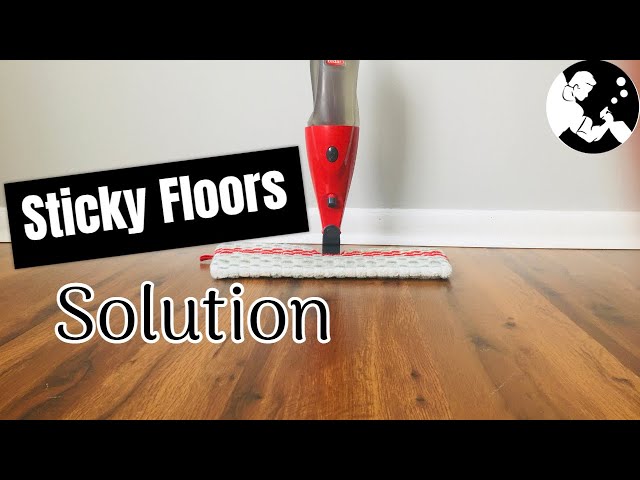
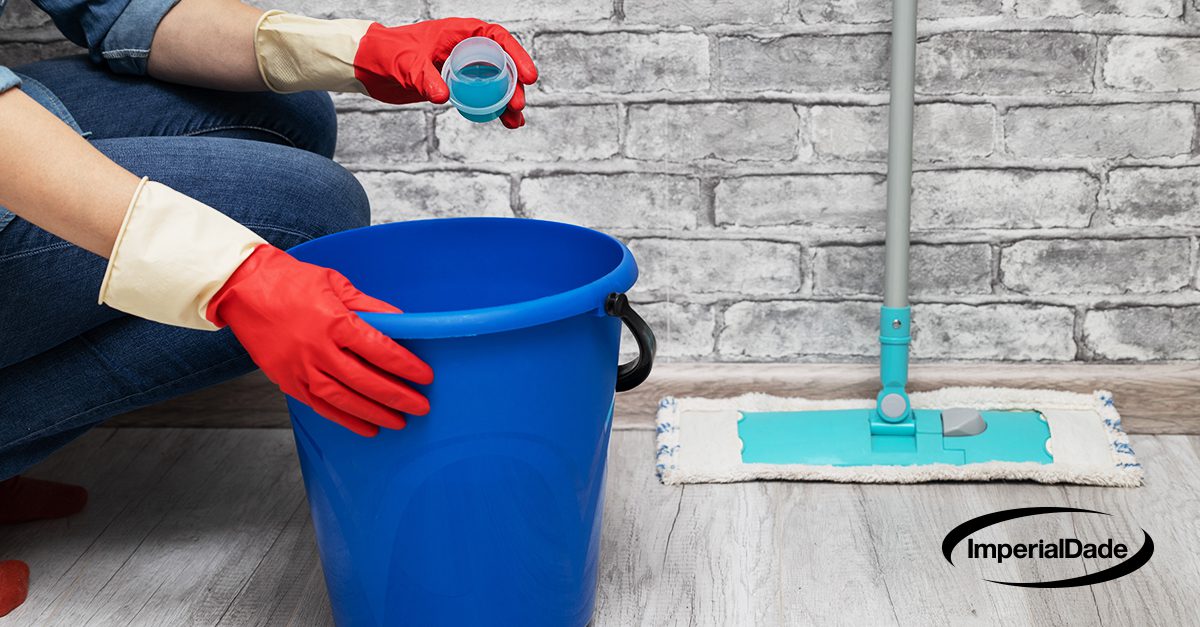
Cleaning sticky floors needs the right tools. Start with a good broom to sweep away dirt. A mop is crucial for washing. Choose a mop with a washable pad. Get a bucket for soapy water. Dish soap works wonders on sticky spots. Keep a sponge for scrubbing tough areas. Use a clean towel to dry the floor after mopping. A vacuum cleaner with a hard floor setting can help too. Don’t forget a pair of gloves to protect your hands.
Always check the floor type before choosing supplies. Wood and tile need different cleaners. Make sure all tools are clean before use. A spray bottle with water and vinegar can help. This mix is great for quick clean-ups. Keep these supplies handy for any sticky mess. Cleaning gets easier with the right tools.
Effective Cleaning Techniques
Mix equal parts of vinegar and water. Use a spray bottle for easy application. Spray on the sticky areas. Let it sit for a few minutes. This helps in breaking down the residue. Wipe with a clean cloth. Vinegar is a natural cleaner. It removes sticky grime effectively.
Sprinkle baking soda on tough spots. Dampen a cloth with water. Rub the area gently. Baking soda acts as a mild abrasive. It helps in removing stubborn stains. Rinse the spot with water after cleaning. Baking soda is safe for most surfaces.
Squeeze lemon juice over sticky areas. Leave it for a few minutes. Lemon juice has natural acids. It breaks down sticky substances. Wipe clean with a damp cloth. Enjoy the fresh scent of lemon. It leaves your floor smelling nice.

Tackling Different Floor Types
Sticky wooden floors need care. Use a damp mop. Mix vinegar and water. Avoid soaking the wood. Wipe gently. Dry with a soft cloth. Prevent water damage. Wood hates water. Use gentle cleaners. No harsh chemicals. Protect the wood.
Tiles can get sticky. Use warm water and soap. Scrub with a brush. Focus on grout lines. Grout holds dirt. Rinse well. Dry with a towel. Check grout for stains. Use a grout cleaner. Tiles can shine with care.
Laminate needs gentle cleaning. Mix mild detergent and water. Use a soft mop. Avoid too much water. Laminate can warp. Dry fast. Use a cloth. Avoid scratches. Keep laminate clean. Gentle care is key.
Preventing Sticky Build-up
Sticky floors can be a hassle to clean. Use a mild detergent and warm water to wipe away grime. Regular mopping helps prevent sticky build-up and maintains a clean surface.
Regular Maintenance Tips
Clean floors often to keep them fresh. Wipe spills right away. This stops sticky marks from forming. Use a soft broom or vacuum. They help remove dirt and crumbs. Mop floors weekly with warm water. Add a small amount of mild soap. Rinse the mop often. This keeps the mop clean. Dry the floor with a towel. Wet floors can become sticky again. Make a habit of checking shoes. Muddy shoes make floors dirty. Place a mat at the door. It helps keep dirt outside.
Choosing The Right Cleaning Products
Select the right cleaner for your floor type. Wood floors need special cleaners. Avoid harsh chemicals. They can damage the floor. For tiles, use a pH-neutral cleaner. It is gentle and effective. Vinegar and water is a good choice for sticky spots. Mix them in a spray bottle. Spray on the sticky area. Let it sit for a few minutes. Wipe with a clean cloth. Always test new products on a small area first. This ensures they are safe for your floors.
When To Call A Professional
Sticky floors can be a big problem. Sometimes, home cleaning just isn’t enough. Professionals know how to handle tough sticky spots. They have special tools and cleaners. These tools can make your floor like new. If the floor stays sticky after cleaning, it’s time to call them. Professional help is needed for large spills too. Big messes need special care. They can be hard to clean alone. Professionals also help if your floor is damaged. They can fix small cracks or holes. Your floor will look great again. Professional cleaning gives peace of mind. You can relax and let them do the work.
Frequently Asked Questions
How Do I Clean Sticky Floors Naturally?
To clean sticky floors naturally, use a mixture of vinegar and warm water. Mop the floor with this solution and rinse with clean water. The acidity of vinegar helps break down sticky residues effectively without harsh chemicals, leaving your floors clean and fresh.
Why Are My Floors Sticky After Mopping?
Sticky floors after mopping can result from soap residue or using too much cleaning product. Ensure to use the right amount and rinse your mop thoroughly. It’s important to rinse floors with clean water after mopping to remove any leftover cleaning solution.
Can Vinegar Damage My Flooring?
Vinegar is safe for most floor types, but it can damage some surfaces like marble or stone. Always test a small area first. For delicate floors, consider using a pH-neutral cleaner or consult your flooring manufacturer for specific cleaning recommendations to avoid damage.
How Often Should I Mop Sticky Floors?
Mop sticky floors as soon as you notice the stickiness to prevent build-up. Regular mopping, at least once a week, can help maintain cleanliness and prevent stubborn residues from forming. Adjust the frequency based on your household traffic and floor type.
Conclusion
Sticky floors can be frustrating. Cleaning them doesn’t have to be hard. Start with simple solutions. Use warm water and gentle soap. Vinegar works wonders too. Mop regularly to prevent buildup. Check under rugs and furniture. Dirt hides there. Avoid harsh chemicals.
They damage surfaces. Keep a clean routine. It saves time later. Remember, practice makes perfect. With these tips, sticky floors become history. Your home feels fresh again. Enjoy walking without the squeak. Clean floors invite happiness. Give it a try today!