
Have you ever found yourself staring at a sticky mess on your beautiful hardwood floors, wondering how to get glue off without causing damage? You’re not alone.
Whether it’s remnants from a craft project or adhesive from a rug pad, glue can be a frustrating eyesore. But don’t worry—there’s a solution, and it’s easier than you think. Imagine the satisfaction of seeing your floors restored to their natural elegance, free from sticky residue.
You’ll discover simple steps to tackle glue stains effectively, ensuring your hardwood floors remain pristine. Let’s dive into the techniques that will transform your floors from sticky to stunning.
Identifying Glue Types
Glue types vary greatly. Some common types include PVA glue, super glue, and epoxy. Each type sticks differently. PVA glue is often used for wood. Super glue dries fast and bonds strong. Epoxy is durable and waterproof. These glues can affect floors.
Hardwood floors are sensitive. Glue can leave marks. It can also cause stains or damage. This is why knowing the glue type matters. Different glues need different cleaning methods.

Preparing The Area
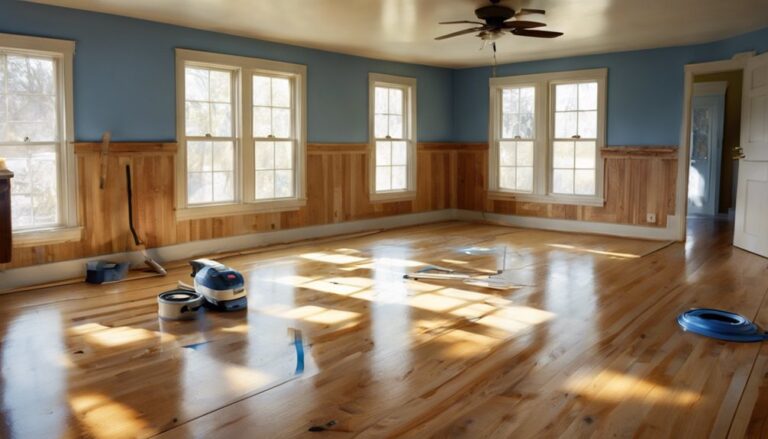
First, collect all the tools you need. Gather a scraper for removing glue. A soft cloth will help in cleaning. You need a bucket of warm water too. A mild detergent can be useful. Get a sponge to scrub gently. Also, gather a protective sheet to cover other areas.
Safety is very important. Wear gloves to protect your hands. Use goggles to keep eyes safe. Ventilate the room by opening windows. Avoid slipping by wearing non-slip shoes. Keep kids and pets away from the area. Make sure there is enough light to see everything clearly.
Basic Removal Techniques
Warm water can help remove glue from floors. First, soak a clean cloth in warm water. Next, gently rub the cloth over the glue spot. Be patient and apply light pressure. The glue should start to soften. Repeat the process if needed. Once the glue is gone, dry the area with a towel. This prevents water damage to the wood.
Mild solvents can be used for tough glue spots. Choose a solvent that is safe for wood. Apply a small amount to a cloth. Gently rub the glue area with the cloth. Be careful not to damage the floor. Check if the glue is coming off. If it is, continue until it’s gone. Wipe the area clean with a damp cloth. This removes any leftover solvent.

Advanced Removal Methods
Discover effective ways to remove glue from hardwood floors using household items. Try vinegar and water solutions or gentle scrubbing with a plastic scraper. Always test a small area first to avoid damage and ensure a clean, smooth finish.
Utilizing Heat Guns
Heat guns can help remove glue. Warm the glue gently. Keep the gun moving. Avoid holding it too close. Glue softens with heat. Use a scraper after heating. Work slowly to avoid damage. Check the floor often. Ensure the wood stays safe. This method needs care.
Scraping With Care
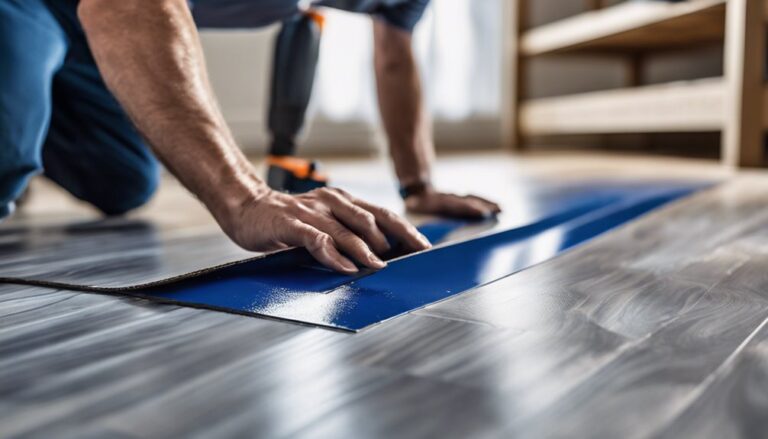
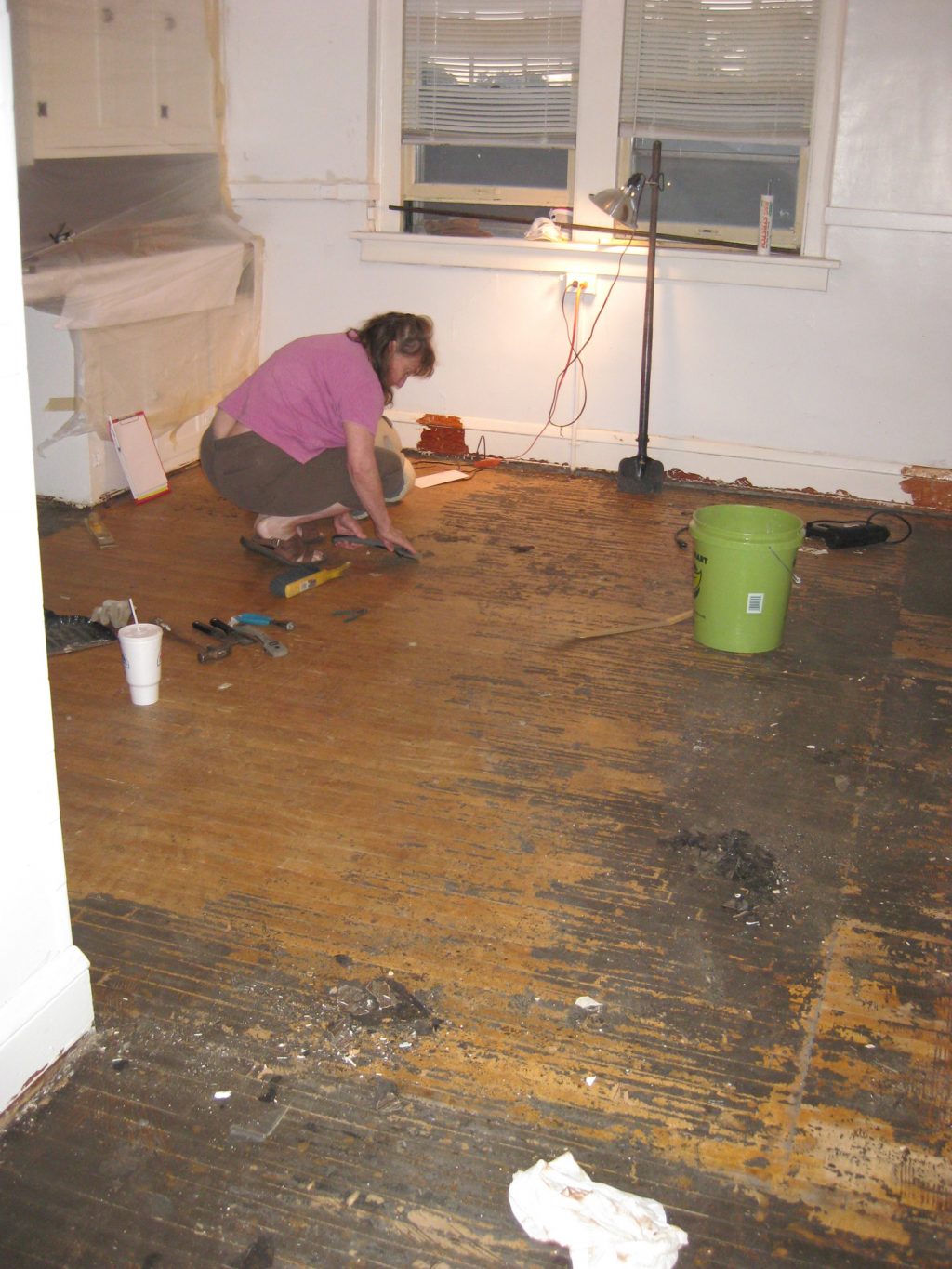
Choose the right tool for scraping. A plastic scraper works well. Metal tools can scratch wood. Apply gentle pressure when scraping. Start from the edge of the glue. Move towards the center. Lift the glue carefully. Avoid digging into the wood. Clean the area after scraping. Use a damp cloth for final touches.
Natural Alternatives
Vinegar and baking soda make a great team. First, sprinkle baking soda on the glue. Next, pour vinegar over the soda. The fizzing helps loosen the glue. Use a soft cloth to gently wipe the area. Repeat if necessary until the glue is gone. This method is safe for hardwood floors. It’s also easy and cheap.
Essential oils can also help. Lemon oil works well on glue. Apply a few drops on a cloth. Rub the cloth over the glue gently. The oil breaks down the glue. It also smells nice. Test a small area first. This ensures the oil won’t harm your floor.
Finishing Touches
Removing glue from hardwood floors requires careful handling. Start by softening the glue with a warm, damp cloth. Gently scrape it off using a plastic scraper to avoid damaging the wood surface.
Polishing The Floor
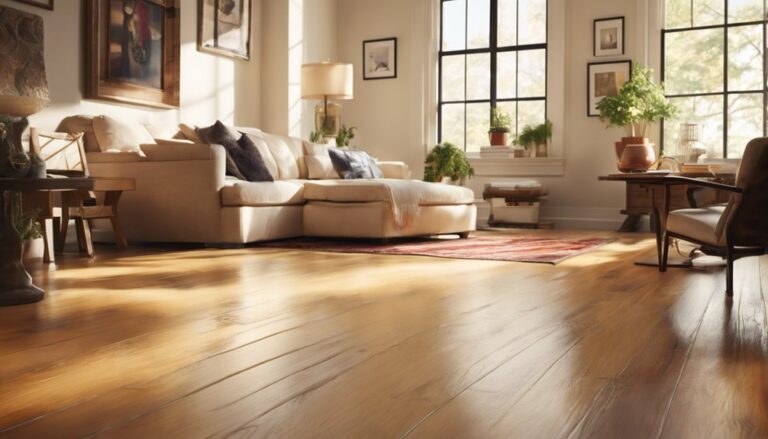
Polishing makes the floor look new. Start by cleaning the floor well. Use a soft cloth to wipe away dust. Make sure the floor is dry. Choose a good floor polish. Read the label before using it. Pour a small amount on the floor. Spread it evenly with a mop. Let it dry completely. This may take a few hours. Once dry, the floor will shine brightly.
A shiny floor looks beautiful. It also protects the wood. Regular polishing keeps it in great shape. Try to polish once every few months. It helps maintain the floor’s beauty. Your hardwood floor will last longer. Enjoy the fresh, clean look.
Remember, less is more. Don’t over-polish the floor. Too much polish can make it slippery. It’s important to be safe while keeping the floor nice.
Preventative Measures
Picking the right glue is important. Some glues stick too much. They can be hard to remove. Choose glue that is easy to clean. Always read the label. It tells you how strong it is. Some types are safe for hardwood. Others are not. Water-based glues are often better. They leave less mess. They are also less sticky. Picking the right one saves trouble later.
Keeping floors clean stops problems. Sweep often to avoid dirt. Dirt can make glue stick more. Use a damp cloth for spills. Clean glue spots right away. This stops them from drying. Dry glue is harder to clean. Check your floors every week. Look for sticky spots. Clean them before they get worse.

When To Call Professionals
Glue on floors can be tricky. Some glues are easy to remove. Others can damage the wood. Look at the glue spot. Is the wood scratched? Are there deep marks? If yes, call a professional. They have the right tools. They can fix it without harm.
Choose a trusted service. Ask friends for advice. Read reviews online. Check their experience in wood repair. Good services explain their process. They give a price before starting. Always confirm the details. This way, you know what to expect.
Frequently Asked Questions
How Do I Remove Glue From Hardwood Floors?
To remove glue, start by softening it with heat or a vinegar solution. Use a plastic scraper to gently lift it off. Finish with a hardwood-safe cleaner to remove residue. Avoid harsh chemicals to prevent damage.
Can Vinegar Damage Hardwood Floors?
Vinegar is generally safe for hardwood when used correctly. Dilute it with water to avoid acidity damage. Always test in a small area first. Avoid soaking the floor. Regular use can maintain cleanliness without harming the wood.
What Tools Work Best For Glue Removal?
Plastic scrapers and soft cloths are ideal tools. They minimize scratches while effectively lifting glue. Avoid metal tools as they can damage the wood. Heat guns can also help soften glue for easier removal.
Is Heat Effective For Removing Glue?
Yes, heat can soften glue for easier removal. Use a hairdryer or heat gun on a low setting. Be cautious to avoid overheating the wood. This method is gentle and effective, especially for stubborn glue spots.
Conclusion
Removing glue from hardwood floors is possible with simple methods. Start with gentle scraping using a plastic tool. Apply warm water or vinegar for stubborn spots. Always test a small area first. Use a soft cloth and avoid harsh chemicals.
Patience is key. Regular maintenance prevents sticky buildup. Clean spills immediately to protect your floors. Hardwood floors add beauty to any room. Keep them glue-free for lasting elegance. Following these steps makes cleaning easy. Enjoy spotless floors without stress. Your hardwood floors deserve the best care.
Implement these tips for clean, beautiful floors.