
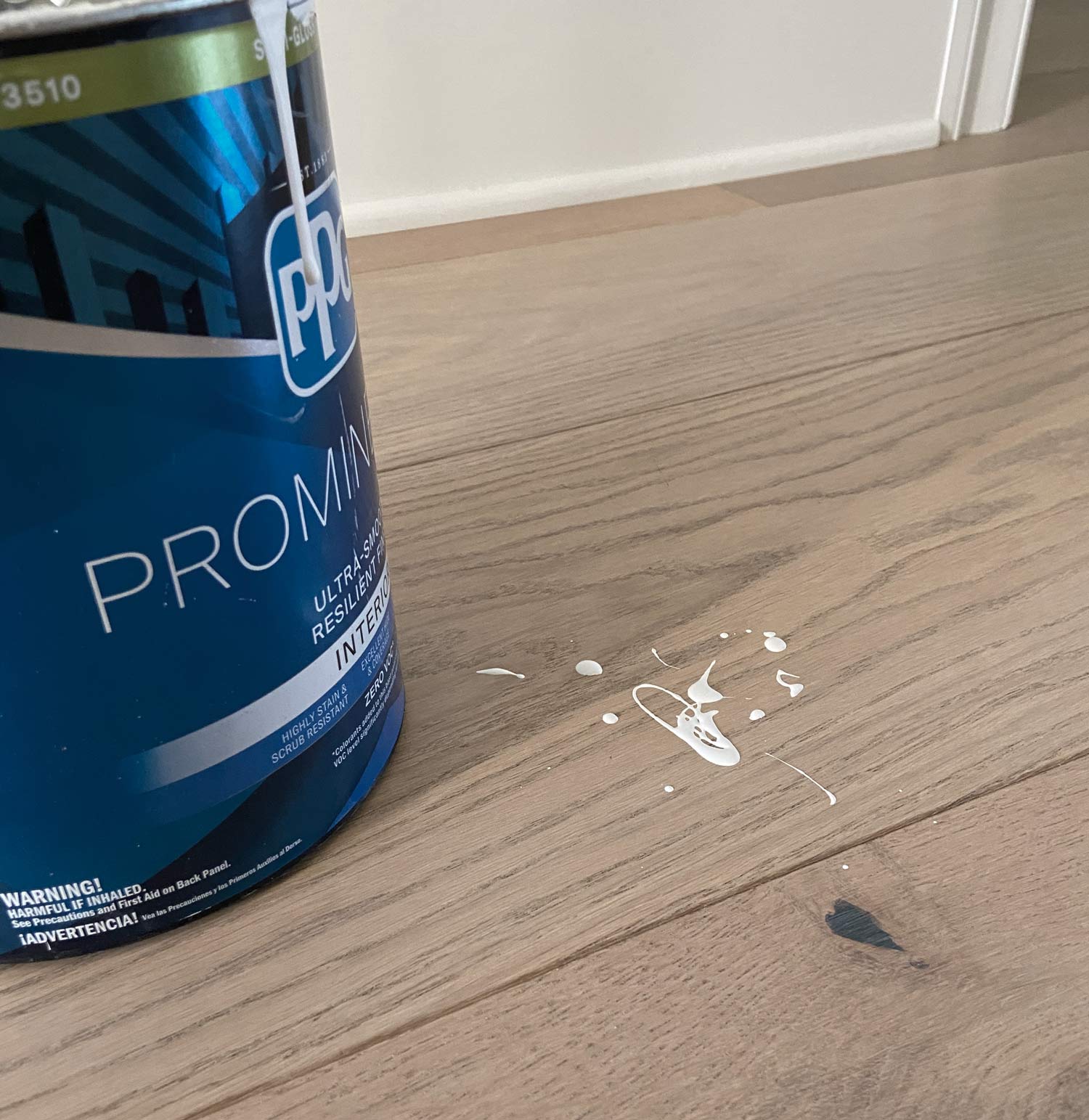
You’ve spent hours painting and refreshing your space, only to discover dried paint stubbornly clinging to your beautiful hardwood floors. It’s frustrating, isn’t it?
You want your floors to shine without any blemishes, but the thought of removing dried paint feels daunting. Don’t worry—you’ve come to the right place. You’ll learn simple, effective techniques to restore your floors to their former glory. Imagine walking into a room with floors so pristine that they enhance the beauty of your entire home.
Stick around to uncover the secrets to effortlessly getting rid of dried paint, without damaging the wood. Your perfect floors are just a few steps away.
Preparation Steps
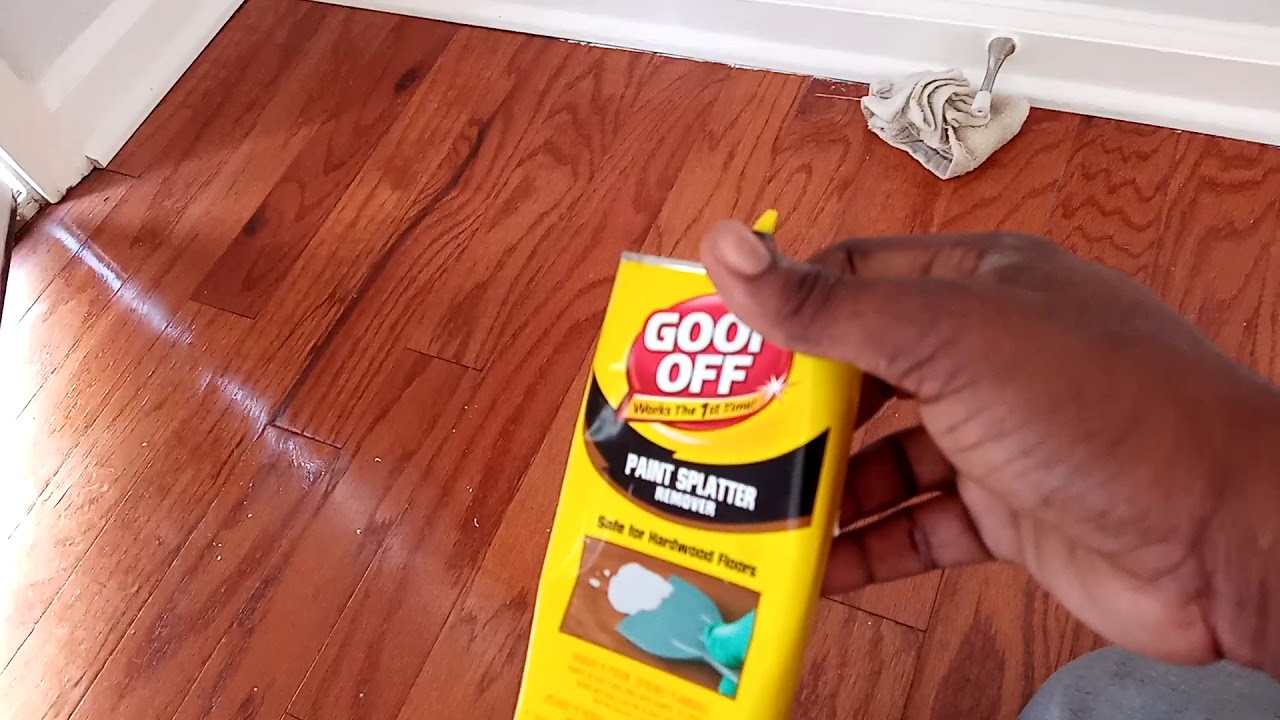
Start by collecting all the tools you need. Get a soft cloth, a plastic scraper, and some warm water. You might also need a gentle cleaner that is safe for wood. Having a bucket will help to keep things tidy. Don’t forget your gloves to protect your hands. It’s important to have all supplies ready before you begin.
Always test in a hidden spot first. This helps to see how the floor reacts. Gently apply a bit of the cleaner with a cloth. Wait a few minutes to check for any damage or color change. This step ensures that the method is safe for your floors.
Identify Paint Type
Water-based paint is common and easier to remove. You need warm water and soap. Apply water with a cloth to the paint. Let it soak for a few minutes. Scrub gently with a soft brush. Rinse the area with clean water. Repeat if necessary. Avoid harsh chemicals. They can damage the wood.
Oil-based paint is tougher to remove. Use a paint thinner or mineral spirits. Apply with a cloth and rub gently. Work in small sections. Do not pour directly on the floor. Use gloves for safety. Ventilate the room well. Open windows and doors. Dispose of used rags properly. Follow local disposal rules.
Removal Techniques For Water-based Paint
Start with warm, soapy water. Use a soft cloth or sponge. Gently scrub the paint spot. Avoid harsh scrubbing to protect the wood. Repeat until the paint softens. Wipe with a clean, damp cloth. Dry the area well after cleaning. This prevents water damage.
Mix equal parts of vinegar and water. Soak a cloth in the solution. Dab the paint spot gently. Let it sit for a few minutes. This helps loosen the paint. Scrub softly with the cloth. Repeat if needed. Dry the floor with a clean towel.
Choose a plastic scraper to avoid scratches. Gently slide the scraper under the paint. Lift the paint carefully. Avoid pressing too hard. This prevents floor damage. Clean any leftover paint with a damp cloth. Dry the floor well after scraping.
Removal Techniques For Oil-based Paint
Dried oil-based paint can be removed from hardwood floors using gentle scraping or a mixture of warm water and mild detergent. Vinegar solution or rubbing alcohol can help loosen stubborn spots. Carefully apply these methods to preserve the wood’s finish and avoid damage.
Utilizing Mineral Spirits
Mineral spirits can help remove dried paint. They work best on oil-based paint. First, soak a cloth in mineral spirits. Rub the cloth gently on the paint stain. The paint should begin to soften. Wipe away the loosened paint with the cloth. Repeat if needed until the paint is gone. Ensure the area is well-ventilated. Mineral spirits can be strong.
Applying Paint Thinner
Paint thinner is useful for stubborn paint stains. Apply a small amount to a cloth. Gently rub the cloth on the paint. Scrape off softened paint with a plastic scraper. Do not use metal scrapers. They can damage the floor. Continue until the stain is removed. Ventilation is important. Paint thinner fumes can be harmful.
Using A Heat Gun
A heat gun can melt dried paint. Hold the gun a few inches away. Heat the paint evenly. Scrape the softened paint with a plastic scraper. Be careful not to burn the wood. Test on a small area first. Repeat the process if necessary. Heat guns can be dangerous. Follow safety instructions carefully.
Natural Cleaning Alternatives
Baking soda is a gentle cleaner. It’s safe for hardwood floors. Mix baking soda with water. This creates a thick paste. Spread it on the dried paint. Let it sit for a few minutes. Use a soft cloth to rub the paste. The paint will start to come off. Rinse with water after cleaning. This will remove any residue. Make sure the floor is dry after.
Combine lemon juice with rubbing alcohol. This mix is powerful. It helps in breaking paint. Apply the solution on the paint. Wait a few minutes. Rub gently with a cloth. The paint should lift off easily. Rinse the area with water. Dry the floor well. Lemon juice also adds a fresh smell.

Preventing Floor Damage
Using abrasive tools can harm your floor. These tools can scratch and damage the surface. Instead, use a soft cloth or sponge. A gentle approach is key. This keeps the floor safe and clean. Avoid metal scrapers or hard brushes.
Always test on a small spot first. Some finishes might react badly. Use a mild cleaner that’s safe for wood. Ensure it matches the floor finish. This avoids discoloration or damage. Test and check before applying on the whole floor.
Post-cleaning Care
After removing paint, the floor might look dull. Use a soft cloth to apply floor polish. This makes it shine again. Choose a polish that’s safe for hardwood. Apply a small amount at first. Rub it in a circular motion. This helps the polish spread evenly. Avoid using too much polish. It can make the floor slippery. Buff the floor until it glows.
Sometimes, you need to reapply a floor finish. This protects the wood from future stains. Clean the floor first. Make sure it is dry. Use a brush or roller to apply the finish. Work in small sections. Let it dry completely before walking on it. Follow the instructions on the product label. This ensures the best results.
Professional Help
Stubborn paint stains can be very tough to remove. If scraping or cleaning does not work, it might be time to call a specialist. They have the tools and knowledge to remove paint safely. This can save your hardwood floors from damage. Always ensure the specialist is experienced with hardwood floors.
Hiring a specialist can be costly. Prices vary based on the extent of the job. Some specialists charge by the hour. Others may have a fixed rate. Always ask for a quote before they start. This helps avoid surprises in the bill. Consider the cost of repair if you damage the floor yourself. Sometimes paying a professional is a better investment.
Frequently Asked Questions
How Do You Remove Dried Paint From Wood?
To remove dried paint from wood, use a plastic scraper or a putty knife. Gently scrape off the paint, then clean the area with a damp cloth. For stubborn spots, try a commercial paint remover or a homemade mixture of vinegar and water.
Always test on a small area first.
Can Vinegar Remove Paint From Hardwood Floors?
Yes, vinegar can help remove paint from hardwood floors. Mix equal parts of vinegar and water, then apply to the paint. Let it sit for a few minutes before gently scrubbing with a soft cloth. Vinegar is a natural and non-toxic alternative for paint removal on wood surfaces.
Is It Safe To Use A Heat Gun On Wood Floors?
Yes, but use caution when using a heat gun on wood floors. Keep the heat gun moving to avoid scorching the wood. A heat gun can soften the paint for easy removal. Always follow safety instructions and test on a small area first to ensure no damage occurs.
What Household Products Remove Paint From Floors?
Household products like vinegar, baking soda, and dish soap can remove paint from floors. Vinegar mixed with water helps loosen paint. Baking soda and water create a gentle abrasive paste for scrubbing. Dish soap with warm water can help clean and lift paint residue effectively.
Conclusion
Removing dried paint from hardwood floors can be simple. Start with gentle methods. Use a plastic scraper to lift the paint. A damp cloth can help soften stubborn spots. For tough areas, try a mixture of water and mild soap.
Always test cleaning solutions on a small area first. Protect your floors by avoiding harsh chemicals. Patience and care can save your hardwood. If needed, seek professional help to avoid damage. With these tips, your floors can stay beautiful and clean.
Safe cleaning preserves the natural beauty of your hardwood floors.