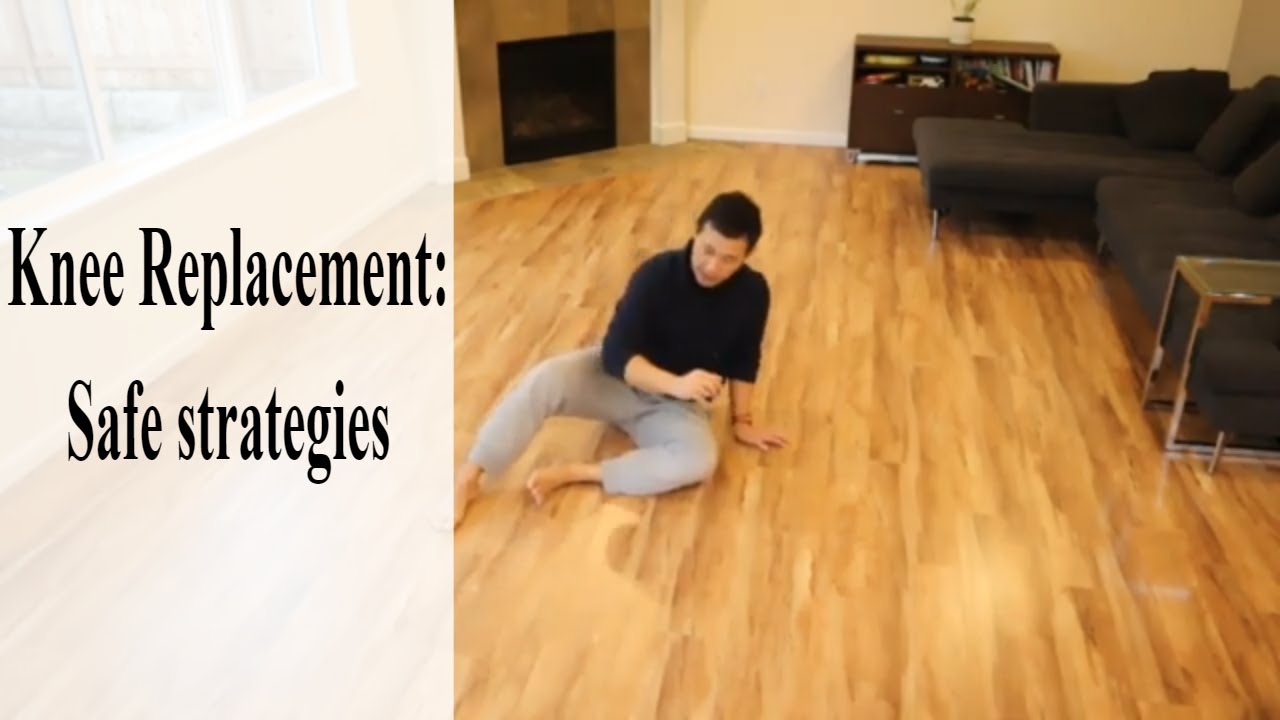

Recovering from knee replacement surgery can feel like a daunting challenge, especially when it comes to simple tasks like getting down on the floor. You might be wondering how to tackle this without causing discomfort or risking injury.
You’re not alone; many people share the same concern. But here’s the good news: with the right techniques and guidance, you can regain your confidence and mobility. Imagine the freedom of playing with your grandchildren, stretching out during a yoga session, or simply enjoying a moment of relaxation on the floor.
This article is here to guide you through safe and effective steps to make this a reality. Let’s unlock the secrets that will help you embrace your new knee with confidence and ease.
Preparing For Floor Exercises
First, make sure the floor is clear. Remove any obstacles like toys or shoes. This prevents tripping or stumbling. The area should be wide enough for exercises. A clean space helps in safe movements. Check the surface. It should be smooth and even. Avoid slippery floors. Safety comes first!
Collect your exercise mat. It gives comfort and support. Get a chair or stool nearby. This helps you get up easily. Keep a water bottle close. Staying hydrated is important. Wear comfortable clothes. They should allow easy movement. Have a towel handy for sweat. All set to begin!

Techniques For Safe Descent
Support aids can be your best friend. Use a sturdy chair or railing. Ensure it is stable. Place your hands firmly before moving. Keep your balance steady. Lower your body slowly. Use your hands to guide you. Remember, patience is key. Safety first always.
Controlled movements help prevent falls. Bend your knees gently. Move slowly. Keep your movements smooth. Avoid sudden shifts. Practice makes perfect. Repeat these steps often. This builds confidence. It also strengthens your muscles. Take your time. You’ll get better every day.
Maintaining Balance And Stability
Core muscles help keep your body steady. Tighten your belly. Feel the muscles work. This helps in keeping balance. Breathe slowly. Stay relaxed. Keeping muscles tight is important. It helps prevent falls. Practice this every day. It gets easier with time.
Arm support is very helpful. Use a chair or table. Place your hands firmly. This helps in moving down. Keep your arms strong. They will support your weight. Go slow. Take deep breaths. It keeps you calm. Practice makes it simple. Soon it will be easy.

Adapting To Individual Needs
Everyone feels pain differently. Some may have sharp pain. Others might feel dull aches. It’s important to recognize personal pain levels. This helps in finding the right method to move. Listen to your body. If pain is high, rest a bit longer. Slow movement is safer and often less painful.
Techniques must be simple yet effective. Use a sturdy chair for support. Begin by bending the knees slightly. Lower yourself gently to the floor. Keep your back straight. This helps avoid strain. If needed, use cushions to protect the knees. Practice makes it easier over time. With patience, confidence grows.
Exercises To Aid Flexibility
Stretching helps your body stay flexible. It is important to move slowly. Sit on a chair and stretch your leg. Hold your ankle with your hand. Pull gently and feel the stretch. Keep your back straight. Hold for ten seconds and then relax. Repeat these steps five times for each leg. This will make your muscles less stiff and more relaxed. Regular stretching makes it easier to move.
Strong muscles support your knee better. Sit on a chair with your back straight. Lift your leg and hold it up. Count to five slowly. Then, lower it back down. Do this ten times. Switch to the other leg and repeat. These exercises make your knee stronger. Your balance will also improve. Try to do this every day. It helps you get better faster.

Cautions And Precautions
After knee replacement, be alert to any pain or swelling. These could be warning signs. If your knee feels unstable, pause and assess. Do not push through the pain. Listen to what your body tells you.
Always talk to your doctor before trying new movements. They know your health best. A physical therapist can guide you safely. They show the correct way to move. This prevents further injury. Trust their advice for your safety.
Frequently Asked Questions
How Can I Safely Get Down After Knee Surgery?
To safely get down, use a sturdy chair or support. Bend your knees slowly, keeping them aligned. Lower yourself gradually, using aids like a walker if necessary. Ensure you have help nearby to prevent falls. Practice this technique regularly to regain confidence.
What Exercises Aid In Floor Transitions Post-surgery?
Exercises like leg lifts, seated marches, and knee bends help. Strengthening muscles around the knee aids transitions. Consult your therapist for tailored exercises. These enhance mobility and boost confidence in floor activities. Regular practice ensures smoother transitions and recovery.
Should I Use Assistance When Getting Down?
Yes, using assistance ensures safety and stability. A physical therapist can guide you on proper techniques. Using aids like walkers or cane reduces strain. Having someone to assist can prevent accidents. Always prioritize safety over independence during recovery.
How Long Before I Can Kneel Safely?
Typically, kneeling safely can take weeks to months. It depends on your recovery progress and physical therapy. Listen to your body and consult your doctor. Gradual improvement in flexibility and strength is key. Don’t rush; prioritize comfort and safety.
Conclusion
Getting down on the floor after knee replacement is possible. Start slow and listen to your body. Practice regularly to build confidence. Use supportive tools like chairs or cushions. Trust your progress and stay patient. Small steps lead to big improvements.
Remember to consult your doctor if needed. Celebrate your achievements, even the small ones. It’s a journey, not a race. Safety and comfort should always come first. Keep moving forward, and you’ll find your way back to the floor. Your dedication and patience make a difference.
Stay positive and keep practicing.