
Is your feline friend turning your floor into their personal restroom? You’re not alone.
Many cat owners face this frustrating issue, and it’s more common than you might think. But here’s the good news: you can solve it. Imagine your home free from unwanted messes, and your cat content and happy. That’s what awaits you when you discover the simple steps that can transform your living space back into a clean, serene environment.
You’ll uncover the reasons behind this behavior and, most importantly, learn effective strategies to stop it. Let’s turn the tide on this tricky problem together and restore harmony to your home. Your clean floors and peace of mind are just a read away.
Identify The Cause
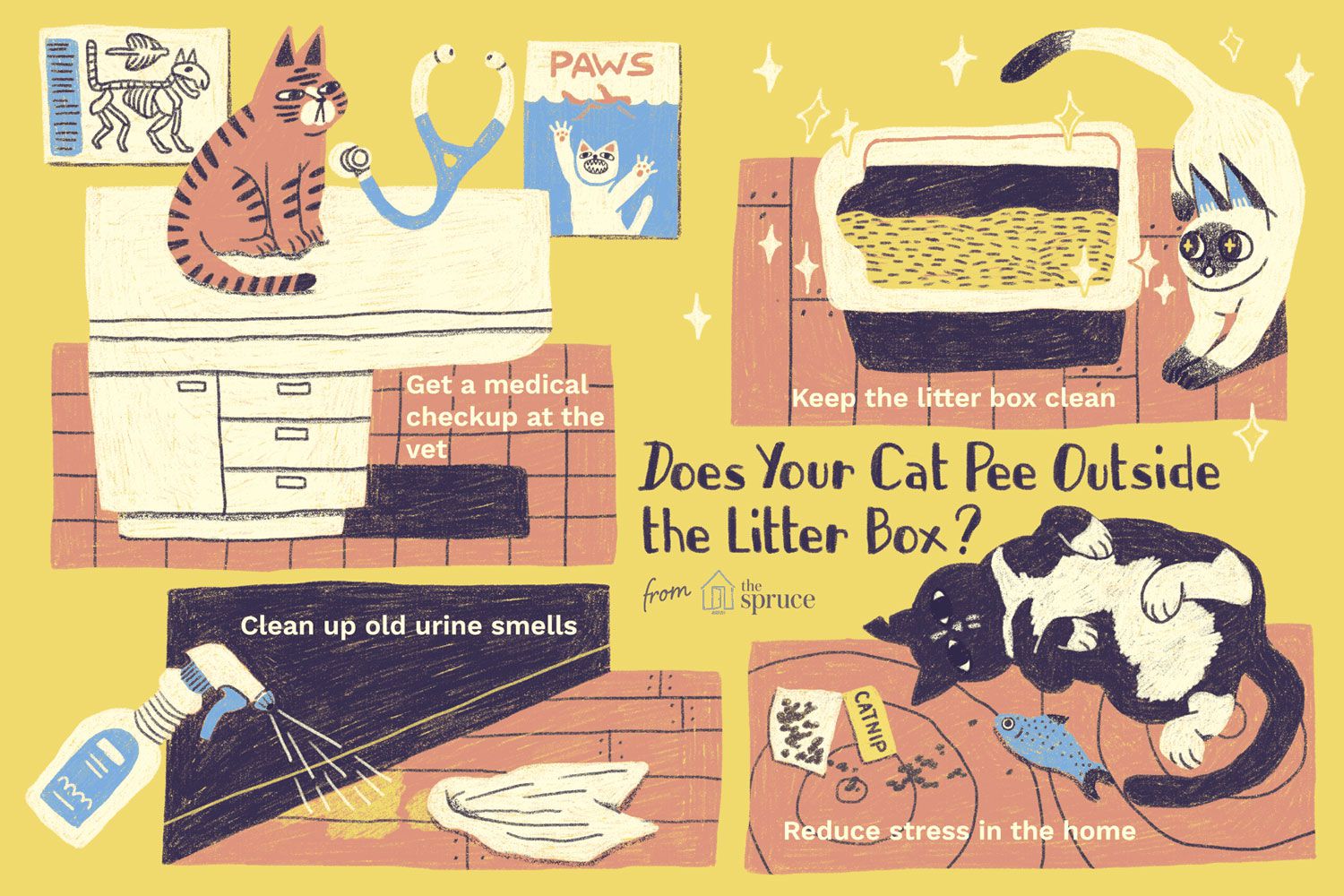
Cats may pee on the floor due to medical issues. A urinary tract infection can cause this problem. Bladder stones might also be the reason. Sometimes, cats experience pain while peeing. This makes them associate the litter box with pain. Visiting a veterinarian is important. The vet can check for any health problems. Early detection helps in treatment.
Sometimes, cats have behavioral problems. They might feel stressed. Changes in the home environment can cause stress. A new pet or family member might upset them. Cats like routine. Any change can disturb them. They might pee outside the litter box to show their discomfort. Giving them attention and affection helps. A comfortable and safe space is important.
Environmental factors can affect a cat’s peeing habits. A dirty litter box is a common issue. Cats prefer a clean place to do their business. The type of litter can also matter. Some cats dislike scented litter. The location of the litter box is crucial too. It should be quiet and easily accessible. Too many changes can confuse the cat.
Ensure Cleanliness
Cats love clean places. Make sure the litter box is clean. Scoop it every day. Change the litter weekly. Cats dislike dirty boxes. Use the right litter. Some cats prefer unscented litter. A clean box keeps your cat happy.
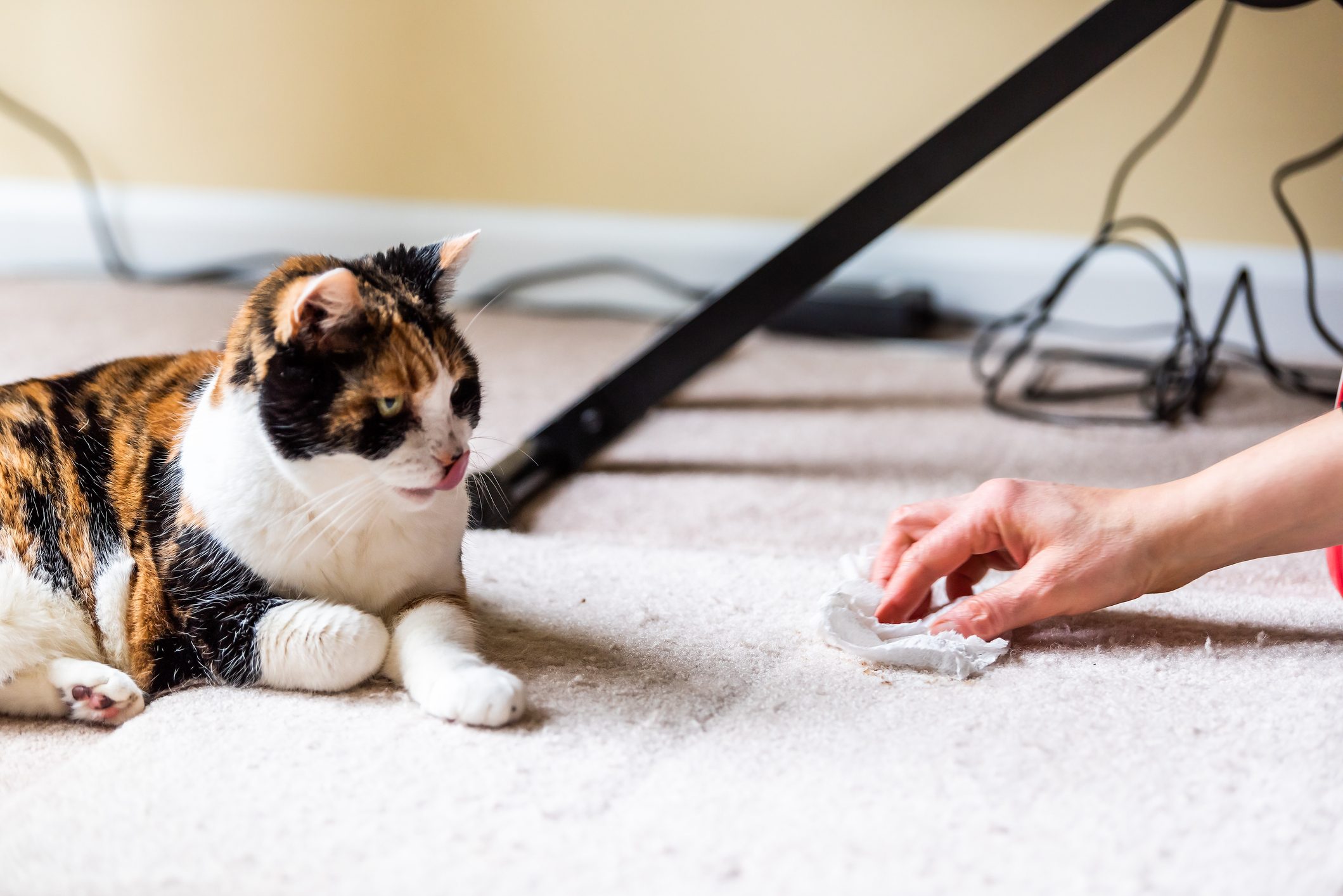
Clean accidents right away. Use special cleaners for cat urine. Regular cleaners may not work. Remove the smell completely. Cats return to places they smell. Clean well to stop this habit.
Choose The Right Litter Box
A litter box must be big enough for your cat. Cats need space to move. A small box might make them uncomfortable. The shape matters too. Some cats like open boxes. Others prefer covered ones. Try different shapes. See which your cat likes.
A tall cat might need a high-sided box. A kitten may need a low one. Choosing the right size and shape helps. It can stop your cat from peeing on the floor.
Place the litter box in a quiet spot. Cats need privacy. Loud areas can scare them. Avoid busy places in the home. Place it away from their food. Cats don’t like to eat near the box.
Try different spots. See where your cat feels safe. A good location can make a big difference. Your cat will use the box more.

Select Suitable Cat Litter
Cats may have different preferences for litter texture. Some cats like fine, sandy litter. Others might prefer coarser types. Watch your cat’s behavior. See which texture they like. Offer small samples of different kinds. Choose the one your cat uses most. This can help stop them from peeing on the floor.
Strong scents can bother cats. Some litters have perfumes that cats dislike. Select unscented options for sensitive noses. Dust is another issue. Dust can cause sneezing or eye irritation. Look for low-dust or dust-free products. This keeps the air clean. Your cat will feel more comfortable using the litter box.
Address Stress And Anxiety
Cats feel safe with a regular routine. Feed your cat at the same time daily. Playtimes should be predictable too. This helps reduce stress and anxiety. A routine makes cats feel secure and happy.
Create a safe space for your cat. A cozy bed or a quiet corner works well. Cats love small, enclosed places. This helps them feel safe from threats. Ensure this space is quiet and away from loud noises. Your cat will feel calmer and less stressed.
Use Positive Reinforcement
Give your cat a treat when it uses the litter box. This helps it learn good habits. Use treats or its favorite toy. Always reward it right after it uses the box. Cats like attention and praise. So, tell your cat it did well. Speak gently and pet it. This makes your cat happy and eager to please.
Never yell or punish your cat for accidents. This can make things worse. Cats can feel scared and confused. Instead, clean the spot without fuss. Use cleaners that remove smells. This keeps the cat from peeing there again. Stay calm and patient. Your cat will learn over time.
Consult A Veterinarian
Cats can sometimes pee on the floor. It’s not just a messy habit. It might be a sign of a health problem. Frequent accidents could mean your cat is sick. Changes in behavior are also important. Cats may show signs of stress or discomfort. If the problem persists, it’s time to see a vet. A professional can check for any issues. They can find out why your cat is peeing outside the litter box.
The vet might suggest different treatments. Medication can help if there’s an infection. Special diets can also work. Sometimes, behavior training is needed. The vet will give the best advice. They know how to help your cat. Following their plan is key. This can help your cat feel better. It can also stop the peeing problem.
Consider Professional Training
Behavioral specialist guidance can help your cat. These experts understand cats well. They know why cats behave badly. Cats may pee on the floor due to stress. Specialists can teach you how to calm your cat. They can suggest new litter boxes or locations. Sometimes, a cat needs a routine change. A specialist can create a new routine for your cat. This can stop unwanted peeing.
Training programs are also helpful. These programs teach cats and owners together. Trainers use rewards and treats to guide cats. Cats learn where to pee. Owners learn how to train their cats at home. Training takes time and patience. But, results are worth the effort. Cats can become happier and more relaxed. A trained cat pees in the right place. This brings peace to your home.

Frequently Asked Questions
Why Is My Cat Peeing On The Floor?
Cats may pee on the floor due to stress, medical issues, or territorial marking. Check for urinary tract infections or other health problems. Ensure your cat has a clean litter box and feels safe. Consult a vet if the behavior continues.
How Can I Stop Inappropriate Peeing?
First, clean the soiled area thoroughly to remove odors. Provide multiple clean litter boxes in quiet locations. Ensure your cat is healthy by visiting a vet. Reduce stress by maintaining a routine and offering interactive toys. Use pheromone sprays to create a calming environment.
What Are Signs Of Urinary Problems In Cats?
Signs include frequent urination, straining, or blood in urine. Your cat may avoid the litter box or vocalize while peeing. These symptoms might indicate a urinary tract infection or bladder stones. Visit a vet immediately to diagnose and treat any underlying health issues.
Can Diet Affect My Cat’s Peeing Habits?
Yes, diet can impact urinary health. Ensure your cat eats a balanced diet with adequate moisture content. Wet food may help prevent urinary problems. Avoid foods high in magnesium and phosphorous. Consult your vet for specific dietary recommendations tailored to your cat’s needs.
Conclusion
Helping your cat stop peeing on the floor takes patience and care. Understand their needs. Provide clean litter boxes and comfortable spaces. Observe their behavior for clues. Visit a vet if problems persist. Often, stress or health issues cause this behavior.
Simple changes can help. Adjust routines to comfort your cat. Choose suitable litter types and box locations. Encourage positive habits with praise. Stay consistent in your approach. With time and effort, your cat will feel secure. A happier pet means a cleaner home.
Keep exploring ways to support your feline friend. They’ll appreciate your efforts.