
Imagine stepping onto your beautiful wood floor only to feel a squishy sensation beneath your feet. Water damage can turn your once stunning flooring into a nightmare.
But don’t worry, you can fix it and restore its charm. You’ll learn simple steps to bring your wood floor back to life. Whether it’s a small spill or a major leak, knowing how to tackle the damage can save you money and stress.
You deserve a home that feels and looks great. Let’s dive into the practical solutions that will help you reclaim your wood floor and make it shine again. Don’t let water damage steal your peace of mind—discover how you can fix it now!
Identifying Water Damage
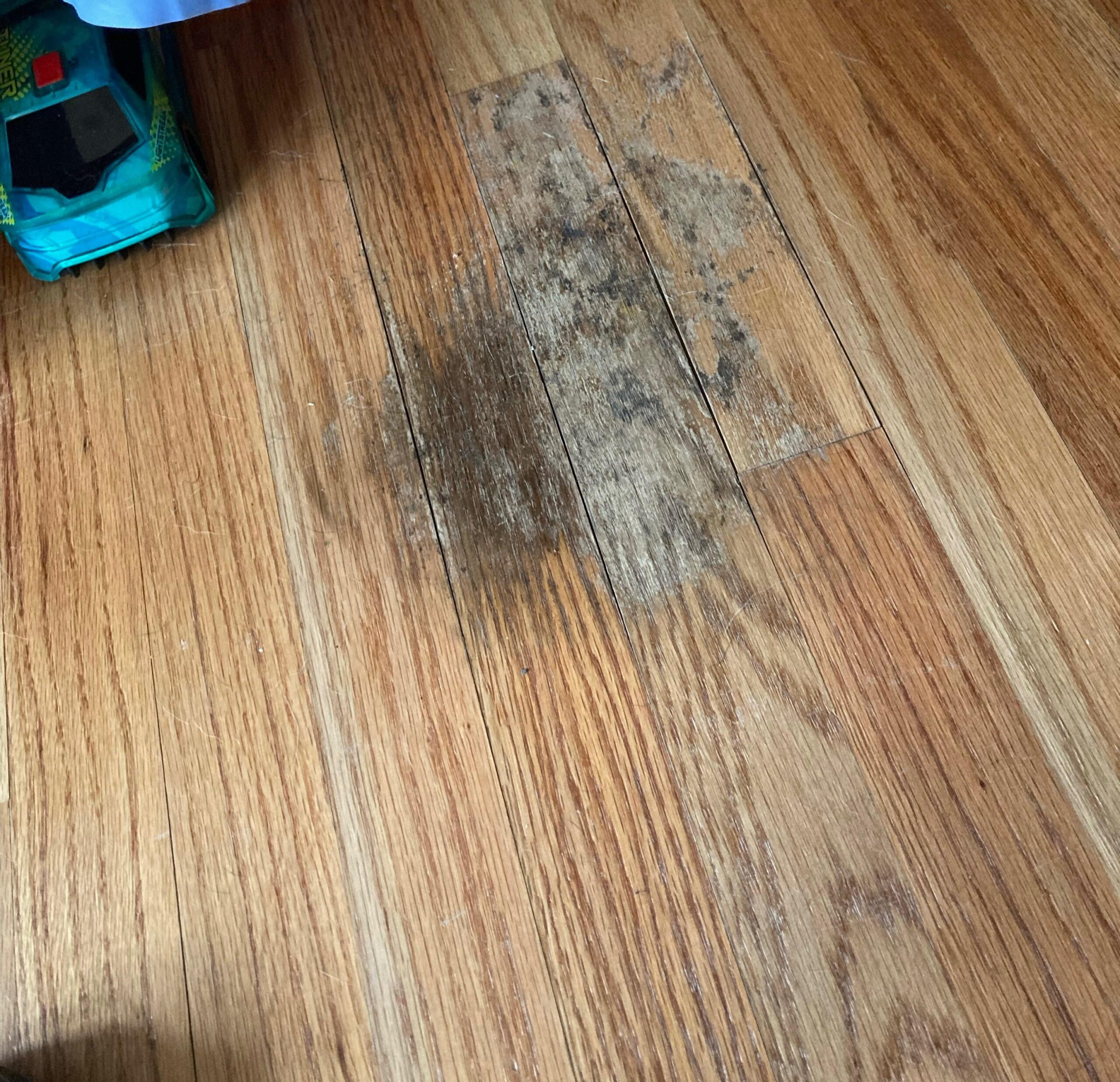
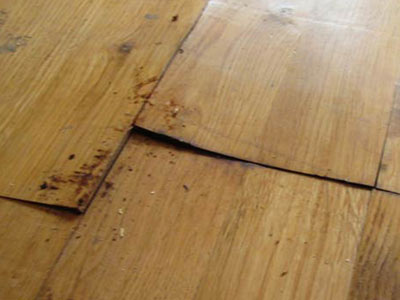
Wood floors can show many signs of water damage. The wood might look dark or stained. It can also swell or become uneven. Another sign is a musty smell. The floor might feel soft or spongy to walk on. Paint or finish may start to peel. You might even see mold growing. Check for these signs to know if your floor is damaged.
Water damage happens for many reasons. A leaky roof can cause it. So can a burst pipe. Sometimes, water comes from heavy rain or a flood. Spilling a lot of water on the floor can also do it. Even small drips over time can damage wood. Make sure to fix any leaks quickly.
Initial Assessment
First, look closely at the floor. Check for any swelling or discoloration. These are signs of water damage. You might see cracks or gaps. These are also signs. Measure how far the damage has spread. Use a ruler or measuring tape. This helps in planning repairs.
Different wood floors need different care. Solid wood floors are thicker. They handle water better. Engineered wood has layers. Water can damage it easily. Laminate floors are more fragile. Knowing your floor type helps in fixing it.
Drying Techniques
Fixing water-damaged wood floors requires effective drying techniques. Start by removing excess water using a wet vacuum or towels. Increase airflow with fans and dehumidifiers to ensure thorough drying.
Using Fans And Dehumidifiers
Fans are great for drying wood floors. Place fans around the wet area. Aim them at the floor. Let them run for hours. Dehumidifiers help too. They take moisture from the air. This stops mold. Keep doors and windows closed. This helps the machines work better. Use both fans and dehumidifiers for best results.
Natural Drying Methods
Sunlight can dry wood floors. Open curtains wide. Let the sun shine in. Fresh air helps too. Open windows if it’s not raining. Air circulation is key. Move air with a fan. This helps the floor dry fast. Patience is needed. Natural drying takes time. Avoid walking on the wet floor. This prevents damage.
:max_bytes(150000):strip_icc()/How-to-Save-a-Water-Damaged-Wood-Floor-05-a060e6cf5ede4249a92a11bcf6ad6945.jpg)
Repairing Minor Damage
Fixing water damaged wood floors involves careful cleaning and drying. First, remove any standing water using towels or a mop. Then, use fans or a dehumidifier to dry the area thoroughly. Lastly, sand and refinish the floor to restore its appearance.
Sanding And Refinishing
Begin by cleaning the wood floor. Use a gentle cleaner to remove dirt. Dry the area thoroughly. Sand the damaged area gently. Choose fine-grit sandpaper for best results. Remove the top layer carefully. This helps to smooth the surface. Once sanded, clean the dust. Use a damp cloth or vacuum. Apply a wood floor finish. Use a brush for even coverage. Let it dry completely. A smooth surface will appear.
Spot Treatments
Identify small damaged spots. Use a wood filler for holes or dents. Apply the filler with a putty knife. Smooth it evenly. Let the filler dry. Sand the area lightly. This creates an even surface. Match the floor color for a seamless look. Apply touch-up markers if needed. This helps blend the repair. Finish with a topcoat. Ensure the area is dry and clean. A neat repair will be visible.
Addressing Severe Damage
Fixing water-damaged wood floors involves assessing the extent of damage, drying thoroughly, and sanding. Replace severely damaged planks to restore integrity. Applying a protective sealant prevents future damage and maintains the wood’s appearance.
Replacing Damaged Boards
Damaged boards need removal first. Pry them up with a crowbar. Ensure you wear gloves for safety. Measure the space for the new board. Cut a new board to fit the size. Ensure the color matches. Place the new board down. Nail it securely in place. Check it’s even with other boards.
Subfloor Inspection
Check the subfloor for damage. Look for soft spots. Use a flashlight to see better. Press down to check firmness. Remove damaged sections if found. Replace with new subfloor pieces. Secure them with nails or screws. Ensure all areas are level. This keeps the floor strong.
Preventing Future Damage
Waterproofing your wood floor is a smart step. Use sealants to keep water away. There are different types like oil-based and water-based sealants. Apply sealant on a clean, dry floor. This helps in protecting the floor from water spills. Check the floor regularly for any wear.
Keeping your floor clean is important. Wipe spills immediately to prevent damage. Use a soft cloth for cleaning. Avoid using too much water. Vacuum regularly to remove dirt and dust. Place rugs in high traffic areas to protect the floor. Inspect the floor for any signs of damage often.
When To Seek Professional Help
Consider professional help if the water damage covers a large area or if the wood is severely warped. Experts can provide proper assessment and repair to ensure safety and durability. It’s essential to act quickly to prevent further damage.
Signs You Need An Expert
Wood floors can show signs of serious damage. Buckling is a big sign. This means the floor is lifting up. Warping is also common. The wood bends and twists. If you see discoloration, it’s a problem. It means water is trapped. Mold can grow if ignored. Mold is dangerous. It can make you sick. Soft spots in the floor are not good. You might fall through. Cracks between boards are another issue. These signs mean you need help.
Choosing A Qualified Professional
Find someone with experience in fixing wood floors. Ask if they have worked with water damage before. Check for certifications or licenses. This shows they know what they’re doing. Read reviews from other people. Good reviews mean they do good work. Ask for a quote before hiring. Make sure you know the cost. A good professional will answer all your questions. They should explain the process clearly. Choose someone who listens to your needs.

Frequently Asked Questions
How Can I Identify Water Damage On Wood Floors?
Water damage on wood floors often shows discoloration, warping, or buckling. Look for dark spots and stains. Check for a musty smell, indicating moisture beneath the surface. If the wood feels soft, it’s likely damaged. These signs help determine the severity and necessary repair actions.
Can Water Damaged Wood Floors Be Repaired?
Yes, water damaged wood floors can often be repaired. The method depends on damage severity. Light damage might require drying and refinishing. Severe damage could necessitate replacing individual boards. Always ensure the underlying moisture source is addressed to prevent future issues.
Consulting a professional can offer tailored solutions.
What Tools Are Needed To Fix Water Damaged Floors?
To fix water damaged floors, you’ll need a moisture meter, dehumidifier, and fans. A sander and wood filler may also be necessary. For more extensive repairs, a pry bar and replacement boards might be required. Each tool aids in restoring the floor’s appearance and structural integrity.
How Long Does It Take To Dry Wood Floors?
Drying wood floors typically takes a few days to a week. The time depends on damage extent and environmental conditions. Using dehumidifiers and fans can speed up the process. Ensure the moisture source is resolved to prevent further damage. Monitoring with a moisture meter ensures effective drying.
Conclusion
Fixing water-damaged wood floors takes patience and care. Dry the area thoroughly. Use a dehumidifier if needed. Sand down any rough spots. Apply wood filler to damaged areas. Stain or paint for a fresh look. Seal to prevent future damage.
Regular maintenance is key. Keep floors dry and clean. Look for signs of water damage early. Quick action saves time and money. Your wood floors can look new again. Enjoy the beauty of restored wood. Your home deserves it.