
Water damage to hardwood floors can feel like a homeowner’s nightmare. You’ve invested time, money, and love into your beautiful floors, and now they’re at risk.
But don’t worry; you’re not alone in this. Whether it’s a small spill or a major leak, understanding how to fix water damage can save your floors and your peace of mind. In this guide, you’ll discover simple and effective steps to restore your hardwood floors back to their original glory.
Imagine the relief you’ll feel once you’ve got it all under control. So, are you ready to tackle the issue head-on and reclaim the beauty of your home? Let’s dive into the solutions that can make it happen.
:max_bytes(150000):strip_icc()/How-to-Save-a-Water-Damaged-Wood-Floor-05-a060e6cf5ede4249a92a11bcf6ad6945.jpg)
Identifying Water Damage
Discovering water damage on hardwood floors can lead to costly repairs. Quickly drying the area and removing moisture helps. Sanding and refinishing may restore the floor’s original beauty.
Signs Of Water Damage
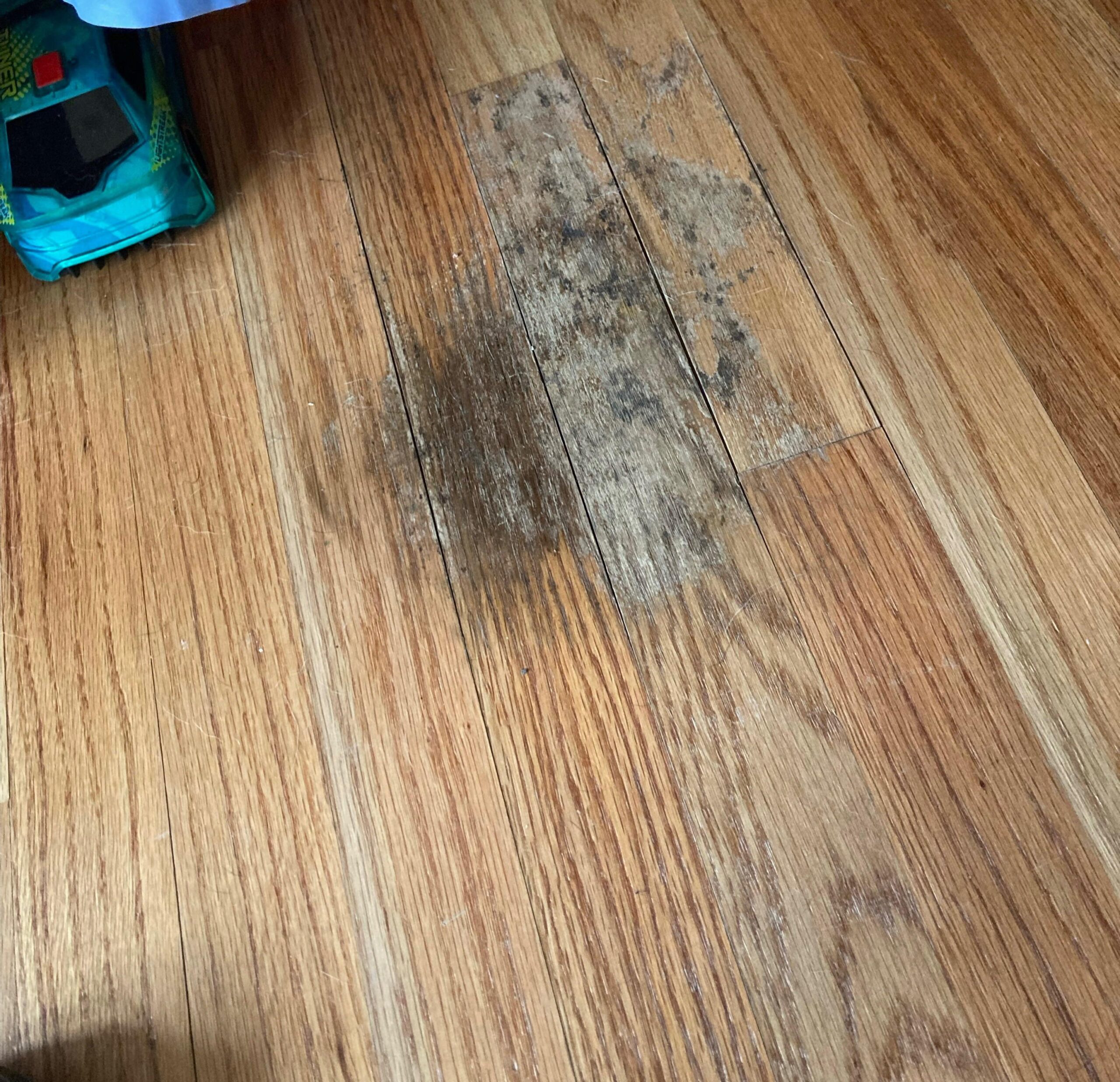
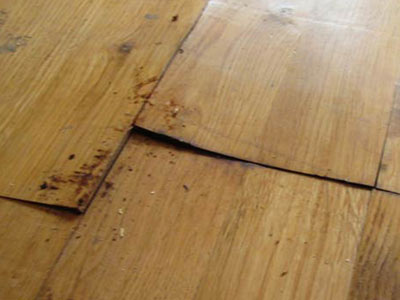
Water damage can make the floor look bad. Dark spots on the wood are a big sign. Bubbling or warping of the floor is another clue. The wood might also feel soft when you walk on it. Musty smells can be strong indicators too. These signs mean the floor has too much water.
Common Causes
Leaking pipes often cause water damage. Spills and pet accidents can also be culprits. Sometimes, rainwater enters the house and causes problems. Broken appliances like dishwashers can leak too. Even a small spill can become a big issue. It is important to fix these problems quickly.
Initial Steps To Take
Identify the water source quickly. This could be a leaky pipe or an open window. Turn off the water supply if needed. Use a towel or mop to soak up standing water. Be sure to check for hidden leaks behind walls or under the floor. Stop the water as soon as possible to avoid more damage.
Use a fan or dehumidifier to dry the area. Open windows to let in fresh air. Remove wet rugs and items from the floor. Wipe the floor with a dry cloth. Check the floor often to see if it’s drying. Do not use heat as it can warp the wood. Patience is key.
Assessing The Extent Of Damage
Surface damage can be seen easily. Look for stains or cracks. Subsurface damage hides below the boards. It might cause warping. Both types need careful checking.
Moisture meters help find hidden water. Place the meter on the wood. It shows how wet the wood is. High readings mean more damage. Use meters to check different spots. This will tell you the worst areas.
Repairing Minor Damage
Sanding helps make the floor smooth again. Start with coarse sandpaper. This removes the top layer. Then use fine sandpaper. It makes the wood very smooth. Be sure to sand evenly. This keeps the floor level. After sanding, apply wood stain. It brings back the wood’s color. Lastly, seal the floor. This protects it from future damage.
Wood fillers fix small holes and cracks. Choose a filler that matches the floor color. Fill the cracks with a putty knife. Let the filler dry completely. Then, sand the area. This makes it even with the rest of the floor. Finish by applying a stain. This blends the filler with the wood.
Dealing With Severe Damage
Sometimes, the damage is too bad. You might need to replace some boards. Remove the bad boards carefully. Use a crowbar to lift them out. Measure the space for new boards. Cut the new boards to fit. Make sure they are the right size. Secure the new boards with nails or glue. Ensure they are level with the floor. This stops bumps and tripping.
Severe damage might need professional help. Experts have the right tools and experience. They assess the damage quickly. They know the best methods to fix it. Hiring professionals can save time. It also ensures the job is done well. They can also give advice on how to prevent future damage. This can be a smart choice for big problems.

Preventing Future Damage
Sealing hardwood floors is very important. It keeps water out. Use a good quality sealant. Apply it evenly on the floor. This creates a protective layer. It stops water from soaking in. Check the seal every year. Make sure there are no cracks. If cracks appear, reseal them quickly. This keeps the floor safe.
Regular cleaning is key. Sweep the floor daily. This removes dirt and dust. Use a damp mop for cleaning. Avoid too much water. Dry the floor immediately. Check for leaks in the house. Fix them quickly. This stops water damage. Keep an eye on the floor condition. Look for any signs of damage. Repair small issues fast. This prevents bigger problems.
When To Call A Professional
Severe damage to hardwood floors often requires professional help. Extensive warping or mold growth should be assessed by experts. Calling a specialist ensures proper restoration and prevents further issues.
Recognizing Complex Cases
Some water damage cases are tough. Dark stains and warped boards are signs. Mold is another bad sign. These need expert help. Mold can make you sick. Fixing warped boards is hard. It needs special tools. Experts know how to handle it.
Cost Vs. Diy
Fixing water damage can be costly. DIY may seem cheaper. But mistakes can be expensive. Professionals may save money in the end. They work fast and do it right. DIY takes time and effort. Weigh the costs carefully. Sometimes, hiring help is best.
Frequently Asked Questions
What Causes Water Damage To Hardwood Floors?
Water damage to hardwood floors is often caused by leaks, spills, or floods. Excessive moisture can seep into the wood, causing it to warp, swell, or rot. Addressing these issues quickly can prevent long-term damage and costly repairs.
Can Water-damaged Hardwood Floors Be Repaired?
Yes, water-damaged hardwood floors can often be repaired. Minor damage can be fixed by sanding and refinishing. More severe damage might require replacing affected boards. Acting quickly can minimize the damage and reduce repair costs.
How To Dry Hardwood Floors After Water Damage?
To dry hardwood floors, first remove any standing water. Use fans and dehumidifiers to dry the area thoroughly. Ensure good air circulation to prevent mold growth. It’s crucial to dry the floors quickly to avoid further damage.
What Are Signs Of Water-damaged Hardwood Floors?
Signs of water-damaged hardwood floors include warping, buckling, and discoloration. You might also notice a musty odor or mold growth. If you see these signs, address the issue immediately to prevent further damage.
Conclusion
Restoring hardwood floors from water damage takes patience and care. Start by drying the area thoroughly. Use fans or dehumidifiers for faster drying. Inspect the damage closely. Replace warped boards if necessary. Sanding helps smooth uneven surfaces. Apply a sealant to protect the wood.
Regular maintenance is crucial. Check for leaks to prevent future damage. Clean spills immediately to safeguard your floors. Hardwood can be resilient. With proper care, they can look great again. Keep your floors dry and clean. Enjoy their beauty for years to come.
Your efforts will be worth it.