

Imagine walking into your living room and seeing scratches on your beautiful hardwood floors. It’s a sight that can make your heart sink.
You might wonder if there’s a simple way to fix these blemishes without having to call in a professional. Fortunately, you don’t need to be a flooring expert to restore the charm of your floors. In this guide, we will show you practical steps to fix those unsightly scratches yourself.
Whether they’re small scuffs or deeper gouges, you can tackle them with ease using techniques and tools you likely already have at home. You’ll discover how to transform your scratched floors back to their original splendor, making your home look fresh and inviting once again. Dive in and learn how to bring back that flawless finish to your hardwood floors.
Identify Scratch Types
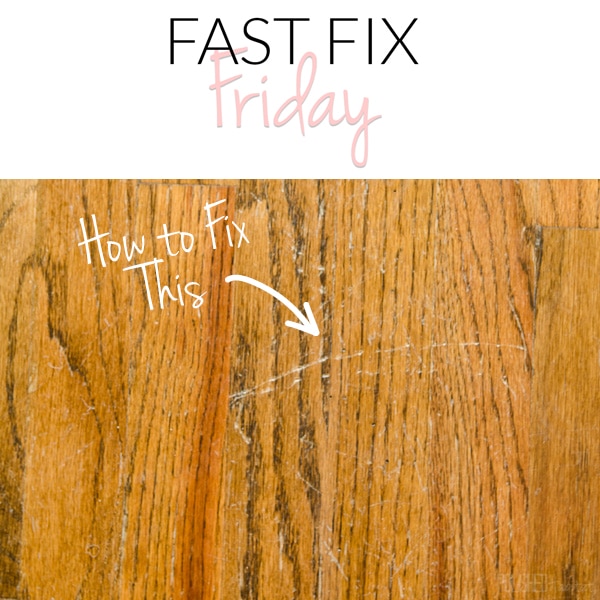
Surface scratches are small marks on the top layer of the wood. These can come from shoes or moving furniture. Polishing the floor can often hide these scratches. Use a soft cloth to apply polish evenly. This makes the floor shine again.
Deep gouges are more serious. They damage the wood layer beneath. Sanding is needed for these. Sand the area until smooth. Then, apply a matching stain to cover the gouge. Finish with a sealant to protect the area.
Discoloration marks look like stains. They change the color of the wood. These marks can come from water or chemicals. Cleaning with vinegar can help. Mix vinegar with water. Use a cloth to clean the mark. Dry it well after cleaning.
Basic Repair Tools
A good repair kit is important for fixing scratches. These kits often include wood fillers, sandpaper, and stain pens. Wood fillers fill the scratch, and stain pens match the wood color. Sandpaper smooths the area after filling. Keep these tools handy for quick fixes.
Clean floors before repair. Use a soft cloth and gentle cleaner. Remove all dust and dirt. This ensures repairs last longer. Clean surfaces also show scratches more clearly. A clean floor is easier to fix.
Protect yourself during repairs. Wear gloves to keep hands safe. Use goggles to protect your eyes. Safety is very important. Working safely prevents injuries. Always prioritize safety while repairing.
Surface Scratch Solutions
Scratch repair pens can help. Choose a pen that matches your floor color. Shake the pen well before using. Apply the pen to the scratch. Let it dry for a few minutes. Buff the area with a soft cloth. It makes the scratch less visible.
Baking soda can fix scratches. Mix baking soda with water. Make a paste. Spread the paste over the scratch. Rub gently with a soft cloth. Rinse with water after rubbing. Dry the area with a towel. The scratch should be lighter now.
Walnuts can fill scratches. Crack open a walnut. Rub the nut over the scratch. Use circular motions. Let the oil soak into the scratch. Buff the area with a soft cloth. The scratch will be less noticeable.

Deep Gouge Fixes
Hardwood floors can get deep gouges. These need special care. Use wood putty to fill the gouge. First, clean the area. Dirt can cause problems. Scoop putty with a putty knife. Press it into the gouge. Make sure it is smooth and level. Let it dry completely. Dry putty is strong and durable.
Sanding helps fix deep scratches. Use a sanding block to smooth the area. Sand gently in the direction of the wood grain. This prevents damage. After sanding, apply a fresh coat of finish. This restores the wood’s shine. A smooth finish makes the floor look new.
Wax sticks are great for small scratches. Choose a stick that matches your floor color. Rub the wax stick over the scratch. Fill it completely. Buff the area with a soft cloth. This blends the wax with the wood. A good wax stick can hide scratches well.
Handling Discoloration
Blending with a Stain Marker can hide small scratches. Choose a marker that matches your floor color. Gently press the marker on the scratch. Color it until the scratch blends with the floor. Wipe off extra stain with a clean cloth.
Applying a Touch-Up Kit is useful for deeper scratches. These kits have wax or putty. Match the wax color to your floor. Fill the scratch with wax using a small spatula. Smooth the surface with a cloth.
Polishing with Mineral Oil can improve dull spots. Use a soft cloth to apply the oil. Rub the oil gently into the floor. Let it sit for several hours. Then, buff the area for a shiny finish.
Preventive Measures
Dust and dirt cause scratches on hardwood floors. Use a soft broom or vacuum regularly. This keeps the floor clean and scratch-free. A wet mop can also help remove sticky spots. Avoid soaking the wood with water. Excess water can damage the floor.
Heavy furniture can scratch the floor when moved. Place soft pads under each furniture leg. These pads help in reducing friction. They protect the floor from scratches and dents. Always lift furniture instead of dragging it.
Wood floors can shrink or swell with humidity changes. Use a dehumidifier in summer. A humidifier helps in winter. Keep indoor humidity between 35% and 55%. This range is safe for hardwood floors. It keeps them stable and less prone to scratches.
When To Seek Professional Help
Deep scratches can be tricky to fix on your own. If damage is extensive or beyond surface level, a professional might be needed. Relying on expert help ensures repairs are done correctly, maintaining your floor’s beauty and value.
Assessing Severe Damage
Sometimes, scratches go deep into the wood. These are not easy to fix. Deep scratches may cause serious problems. You might see splinters or gaps. This is a sign of severe damage. It is important to check the floor carefully. If the damage is big, you need help.
Cost Considerations
Hiring a professional can cost money. It is important to know how much you can spend. Some services charge by the hour. Others have a flat fee. Always ask for a price quote first. Compare prices from different services. This helps you save money.
Finding A Reputable Service
A good service will have happy customers. Ask friends or family for advice. Check online reviews for more information. Look for services with high ratings. Trustworthy services often offer guarantees. They promise to fix your floor well.
:strip_icc()/BHG-how-to-get-scratches-out-of-wood-floors-03-49486-1-1839929dd43143bba6af589be87fd535.jpg)
Frequently Asked Questions
How Can I Repair Small Floor Scratches?
To repair small hardwood floor scratches, clean the area first. Use a wood repair marker or wax to fill the scratch. Buff gently to blend the repair into the floor. This method restores the appearance without needing professional help, making it cost-effective and simple for minor damage.
What Causes Hardwood Floor Scratches?
Hardwood floor scratches can be caused by furniture movement, pet nails, or debris. Regular cleaning and using furniture pads can help prevent them. Dust and dirt act like sandpaper, wearing down the finish. Maintaining a clean floor is essential for reducing scratch risk and preserving the wood’s beauty.
Can I Use A Diy Method For Scratches?
Yes, DIY methods for hardwood floor scratches are effective. Use a mixture of vinegar and olive oil for small scratches. Apply and buff with a soft cloth. This homemade solution is eco-friendly and simple, providing a cost-effective way to maintain your floor’s appearance.
Are Professional Repairs Necessary For Deep Scratches?
For deep scratches, professional repair is often recommended. Experts can sand and refinish the area, ensuring a seamless look. This process restores the floor’s original condition, preserving its value. For significant damage, expert intervention is crucial for maintaining the integrity and aesthetics of the hardwood.
Conclusion
Fixing hardwood floor scratches is easier than you think. Simple steps can restore beauty. Regular maintenance prevents future scratches. Use soft pads under furniture. Clean floors gently with a damp cloth. Avoid harsh chemicals on wood surfaces. Small scratches need quick attention.
Deep scratches may require professional help. Protect your floors with rugs in high traffic areas. Keep your floors looking new with these tips. Enjoy a flawless finish and a welcoming home. Your hardwood floors will thank you for the care.
A little effort goes a long way in preserving their charm.