
Imagine you’re walking across your living room carpet, expecting a quiet and smooth stride, but instead, you’re greeted by an annoying creak beneath your feet. It’s a small sound, yet it disrupts the peace of your home and nags at you each time you walk over that spot.
If you’re tired of tiptoeing around your own house, you’re in the right place. In this guide, you’ll discover practical and straightforward solutions to eliminate those pesky creaky floors under your carpet. No more worrying about waking up the entire household or feeling embarrassed in front of guests.
With these easy-to-follow tips, you can bring back the tranquility to your home and enjoy a peaceful walk across any room. Ready to silence those squeaks for good? Let’s dive in!
Identifying Creaky Spots
Creaky floors can be annoying. First, walk across the room. Listen carefully for any noisy spots. Keep your ears open for squeaks or creaks. Mark these areas with tape. This helps you remember where they are. Use a flashlight if needed. Sometimes, the floorboards move. They rub against each other. This creates the noise. Finding the exact spot is crucial. Once you locate it, fixing becomes easier.
Floors creak for various reasons. Loose nails are a common cause. Nails come out over time. The wood also shrinks and expands. This happens due to weather changes. Another reason is poor installation. If the floor wasn’t laid properly, it will creak. Heavy furniture can also cause creaks. It puts pressure on the floorboards. Understanding these causes can help in fixing the issue.
Preparing The Area
Fixing creaky floors needs the right tools. Start with a hammer and screws. A screwdriver is also important. You may need a drill for tough spots. Keep a utility knife handy. A carpet knife is useful too. Get a flashlight for dark areas. Finally, have a measuring tape ready.
First, move all the furniture away. Clear the carpet space. Roll the carpet back gently. Be careful not to tear it. Remove any rugs too. Keep the area clean and neat. This helps in easy fixing. Make sure you can see the floor clearly. Now, you’re ready to start the repair.
Quick Fixes For Minor Squeaks
Sprinkle some powdered graphite between the floorboards. This helps the boards move smoothly. You can also use talcum powder as an alternative. Make sure to clean the area first. Rub the powder into the gaps with a brush. This can help stop the noise. Reapply if the squeak returns.
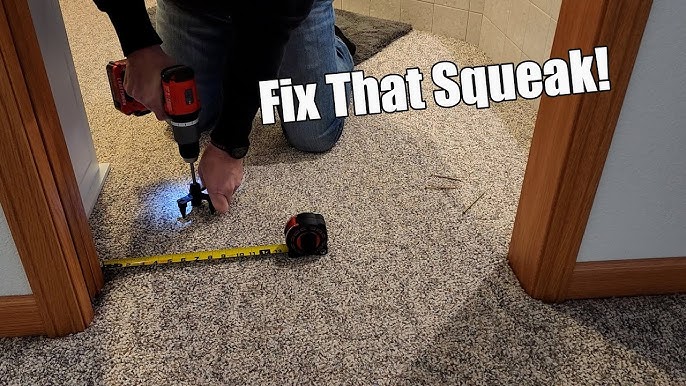
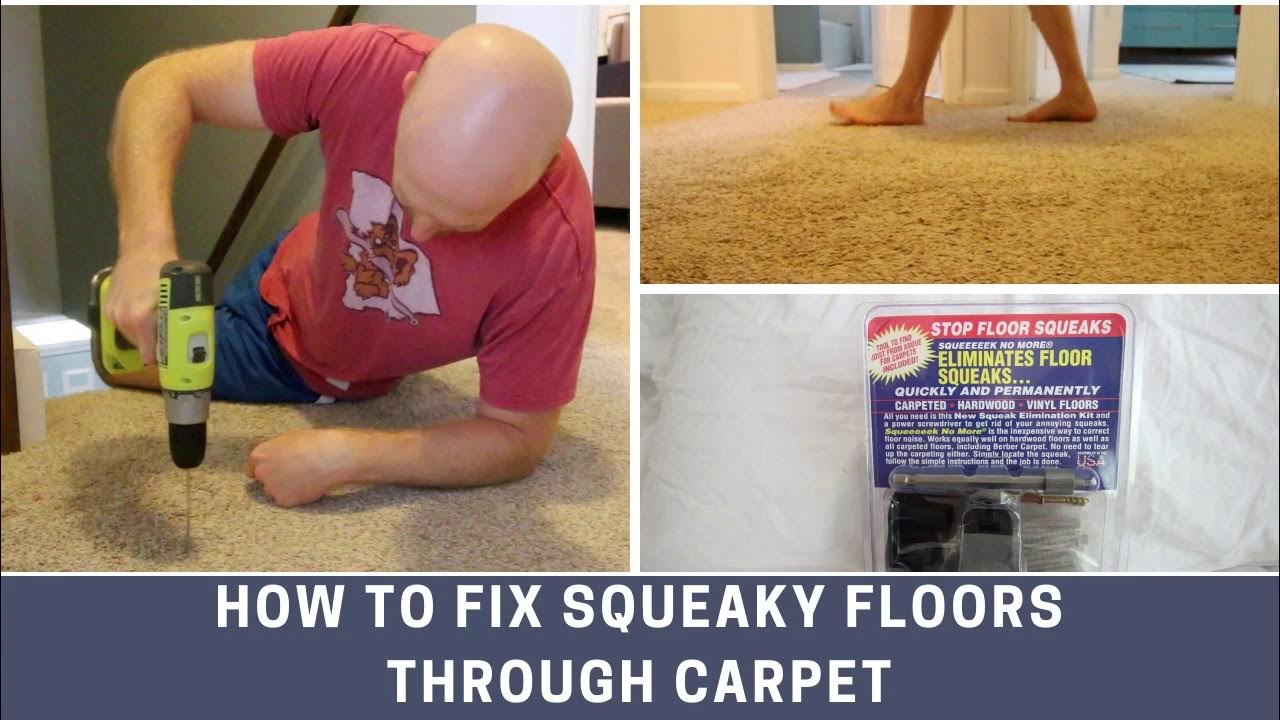
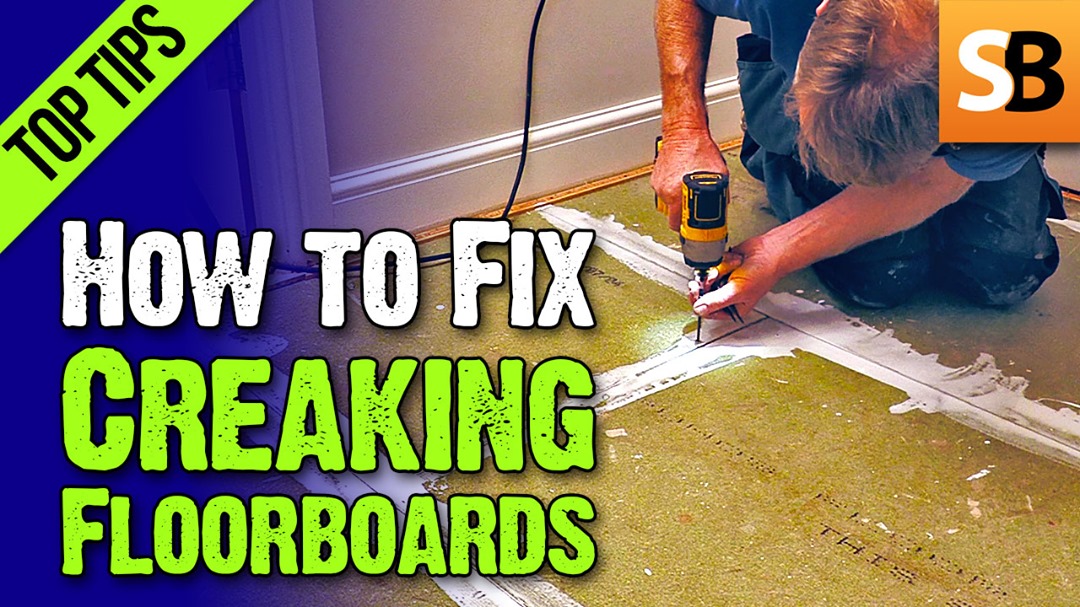
Find the loose boards under the carpet. Use a floor repair kit for this. These kits often have screws and instructions. Drill the screws into the joists below. This helps keep the boards tight. Be careful not to damage the carpet. Tight boards make less noise.
Securing Loose Floorboards
Creaky floors are annoying. They can disturb your peace. Installing screws helps. Use screws long enough. They should reach the floorboards. Avoid screws that are too short. They won’t fix the problem. Find the spot where the floor creaks. Push the carpet down gently. Drill the screw through the carpet. Make sure it goes into the floorboard. This method is safe. It won’t damage your carpet. You can walk on it without worry. You may need a drill. A screwdriver might not be enough. Remember to check the floorboard first. It should be loose before you start.
Squeak stoppers are helpful. They are small and easy to use. These tools stop the noise. Place them between the floorboards and joists. They act as a cushion. They absorb sound. Buying squeak stoppers is wise. They are cheap and effective. You can find them in stores. They do not need special tools. Just push them in place. Ensure they fit tightly. This stops the creak. They work fast. You’ll notice the difference soon. No more annoying sounds.
Under-carpet Solutions
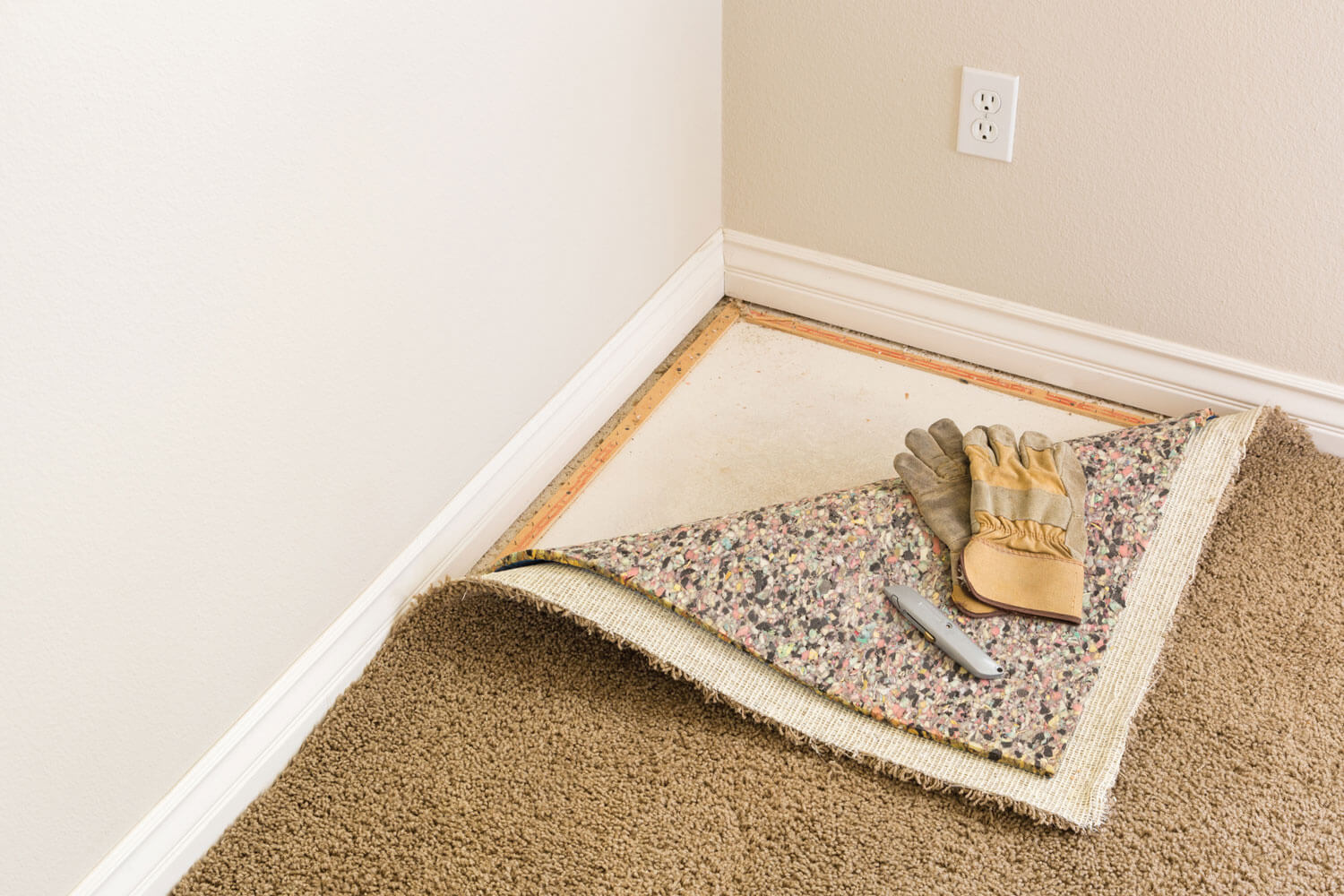
Lifting Carpet Edges Carefully is important. First, locate the creaky area. Slowly pull up the carpet edge. Be gentle to avoid damage. Use a flat tool to help lift. Keep the carpet clean during this process. This step lets you see the floorboards clearly.
Securing with Floorboard Adhesive can stop the creak. Choose a good adhesive for wood. Apply it under the lifted carpet. Cover the floorboards evenly. Press down on the carpet to stick. This helps hold the boards tight. Wait for the adhesive to dry completely. This method reduces noise.
Reinforcing The Subfloor
First, find the creaky spot on the carpet. Use a sharp knife to cut a small slit. This helps you peek under the carpet. Be careful not to cut too deep. You don’t want to damage the subfloor. Once you can see the subfloor, plan your next step. This might include adding shims or other support.
Shims are small, thin pieces of wood. They help fill gaps between the subfloor and joists. Slide a shim into the gap. Hammer it gently to secure. Make sure not to lift the floor too much. Keep the surface even. This can help stop annoying creaks.
Replacing Problematic Sections
Fixing creaky floors under carpet involves identifying and replacing problematic sections. Lift the carpet gently to access the floorboards. Secure loose boards with screws or nails to stop the noise.
Identifying Damaged Areas
Find the creaky spots by walking on the floor. Mark the squeaky areas with tape. Feel for any loose boards under the carpet. Listen carefully to the sounds. Some spots might need more care. Check for any cracks or breaks. Note these areas for fixing. Sometimes, the problem is deeper. Look for any water damage too.
Installing New Floorboards
Carefully remove the carpet over the damaged area. Take out the bad boards with a hammer and pry bar. Measure the empty space. Cut new boards to fit this space. Place the new boards in the gap. Make sure they fit snugly. Nail them down securely. Check if the new boards are sturdy. Once done, lay the carpet back over. Walk on the floor to test. Enjoy your quiet, safe floor.
Carpet Reinstallation Tips
Use a carpet stretcher to make the surface smooth. This tool pulls the carpet tight. It helps to remove any wrinkles or bumps. A smooth carpet is more comfortable to walk on. It also looks better.
Work slowly and carefully. This ensures the carpet is even. If you rush, you might miss a spot. Keep an eye out for any uneven areas. Fix them as soon as you see them.
Secure the carpet using tack strips. These strips hold the carpet in place. They are placed around the edges. This prevents the carpet from moving. The carpet should feel firm under your feet.
Use a knee kicker to press the carpet into the strips. This tool helps in tightening the carpet. It makes sure the carpet stays secure. A tight carpet stays in place and reduces noise.
Preventing Future Issues
Checking your floors often helps. Look for loose boards or nails. Fix them quickly. Tighten screws if needed. This can stop future problems. Regular checks keep floors strong. Inspect every month for best results. Listen for sounds. Creaks mean something’s wrong. Act fast to fix them. Keep tools handy for repairs. Use a flashlight to see under carpets. Safety is key during checks.
Noise-reducing products help a lot. Carpet padding can quiet floors. Choose thick pads for better results. Soundproof mats work well too. Place them under carpets. They absorb noise. Rubber mats are a good choice. They are easy to use. Floor tapes can reduce noise. They hold boards together. Use them on problem areas. Simple products can make floors quieter.
Frequently Asked Questions
Why Do Floors Creak Under Carpet?
Floors creak due to loose floorboards or subfloor issues. The movement causes friction and noise. Moisture or temperature changes can worsen the problem. Identifying the root cause is crucial for effective repair. Addressing these issues can eliminate the creaking noise.
Can I Fix Creaky Floors Without Removing Carpet?
Yes, you can fix creaky floors without removing carpet. Use a special kit with screws designed for this purpose. These kits allow you to drill through the carpet and into the floorboards. This provides a secure fix without needing to lift the carpet.
Are Creaky Floors A Structural Problem?
Creaky floors are usually not a structural issue. They often result from loose boards or subfloor movement. However, persistent creaks might indicate a deeper issue. It’s advisable to inspect the floor’s condition and consult a professional if concerned about structural integrity.
What Tools Are Needed To Fix Creaky Floors?
You typically need a drill, screws, and a creaky floor repair kit. These kits are specially designed to work through carpet. They help secure loose floorboards without removing the carpet. A stud finder might also help locate joists for effective repair.
Conclusion
Fixing creaky floors under carpet is simpler than it seems. Start by locating the noise. Secure loose boards with screws or nails. Use floor repair kits for quick solutions. These kits often solve minor problems. For severe creaks, consult a professional.
Regular maintenance helps prevent future issues. Listen to your floors; they often reveal their secrets. Silence those creaks and enjoy peaceful living spaces. No more tiptoeing around your home. With these tips, your floors can be quiet again. Remember, a calm home makes for a happier life.
Keep your space comfortable and noise-free.