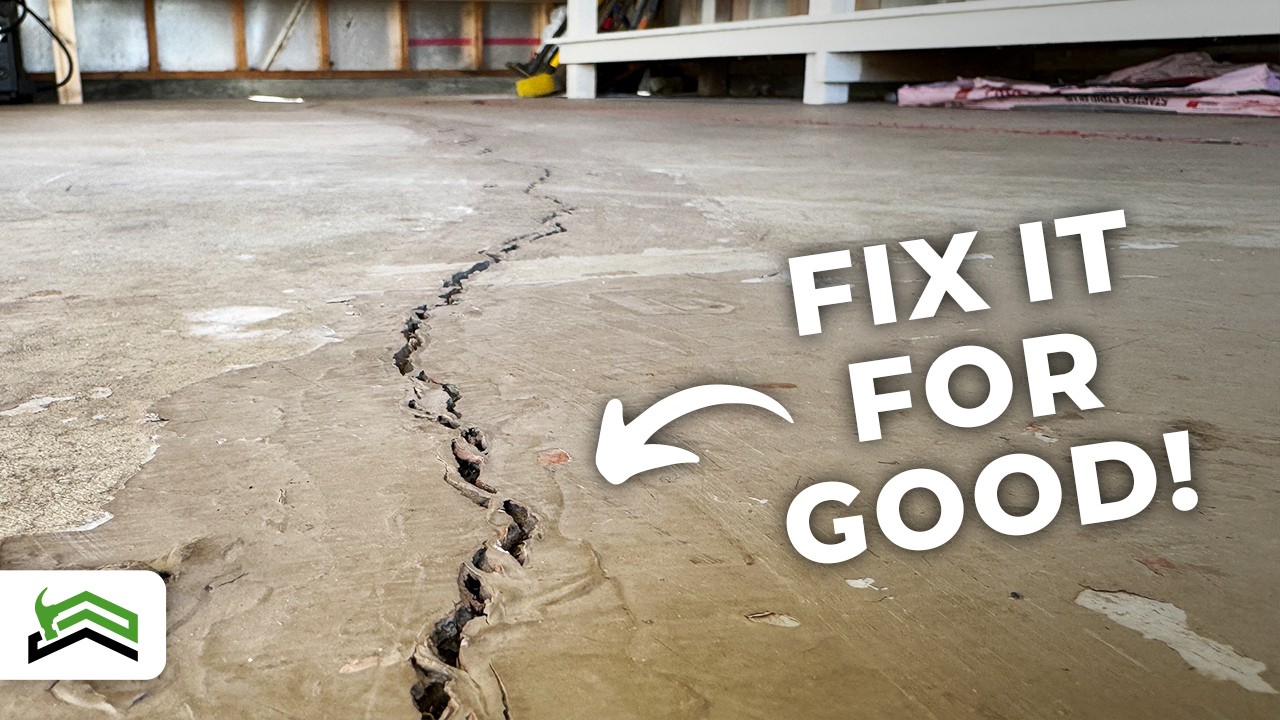

Are you tired of seeing those unsightly cracks in your garage floor? Every time you step into your garage, they seem to grow bigger, making you worry about structural damage and safety.
But don’t fret—you’re not alone, and there is a solution. Addressing these cracks can not only improve the look of your garage but also prevent future damage and save you money in the long run. Imagine walking into a smooth and flawless garage, one that enhances the value of your home.
You’ll discover simple steps and effective methods to fix those pesky cracks, ensuring your garage floor remains durable and visually appealing. Let’s dive into the practical solutions to restore your garage floor to its best condition.
Types Of Garage Floor Cracks
Hairline cracks are very thin and often harmless. They appear due to concrete drying. These cracks don’t affect the floor’s strength. Keeping the floor clean can help. Use a concrete filler to seal them. This keeps dirt out.
Shrinkage cracks are common in new floors. As concrete dries, it shrinks. This can cause small cracks. These are mostly surface-level. They rarely grow larger. Filling these cracks helps prevent future issues.
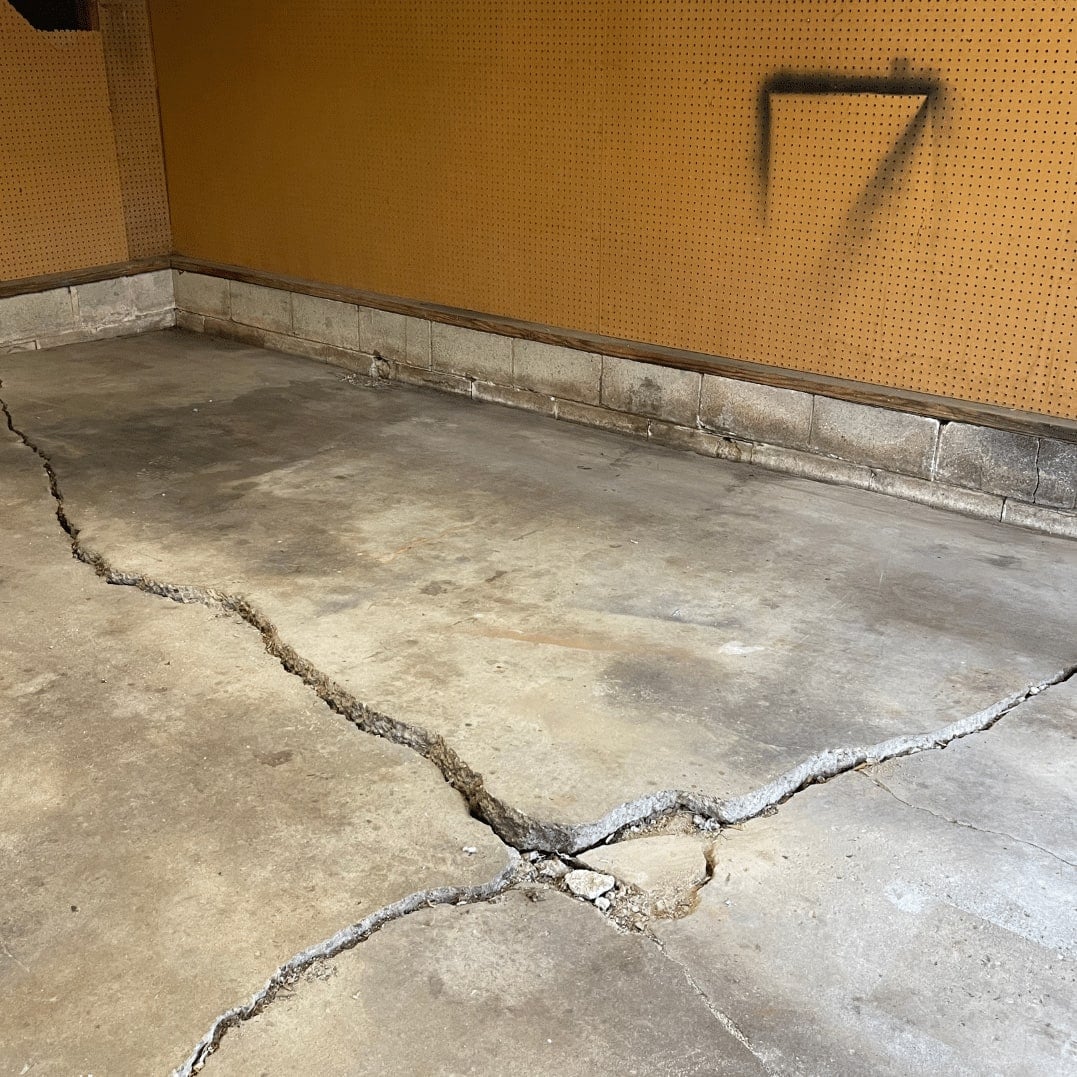
Settlement cracks form when the ground shifts. This can happen over time. They are wider than hairline cracks. Fixing them quickly is important. Otherwise, they can grow. Use a concrete patching compound to repair.
Structural cracks are serious. They affect the floor’s strength. These cracks are wide and deep. Professional help may be needed. Ignoring them can be dangerous. Always prioritize fixing these cracks.
Causes Of Floor Cracks
Soil movement can make floors crack. The soil under the garage can shift. It might swell or shrink. This movement can cause cracks.
Temperature fluctuations can affect garage floors too. Hot and cold weather can make the floor expand and contract. This movement causes cracks to form.
Improper installation is another reason. If the floor is not made well, it might crack. Using the wrong materials can lead to problems.
Water damage can weaken the floor. Water can seep through cracks. It makes the floor soft and weak. Over time, this causes more cracks.
Tools And Materials Needed
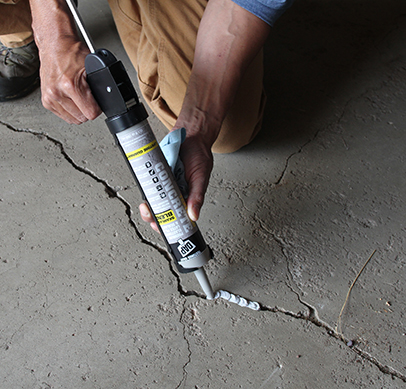
You will need a few basic tools to fix floor cracks. A hammer and chisel help to remove loose bits. A wire brush cleans the crack edges. A vacuum clears dirt and dust. A caulking gun is used for applying repair material. Safety goggles and gloves keep you safe during the work.
The right repair materials are important. Use concrete crack filler for small gaps. Epoxy or polyurethane works for bigger cracks. Sealant protects the repaired area. Sand or gravel is used to fill deeper cracks. Make sure the materials are suitable for your garage floor type.
Preparing The Garage Floor
Start by removing dirt and debris. Sweep the floor well. Scrub with a firm brush. Use a mild cleaner. Rinse the area thoroughly. Let the floor dry completely. A clean surface is crucial. It helps the repair stick better.
Observe each crack closely. Check if they are deep or shallow. Measure the width. Some cracks are wide and large. Others are small and thin. Deep cracks need more attention. Determine the severity of the damage. This step will guide the repair method.
Different cracks need different fixes. Small cracks may need a simple filler. Larger cracks might require epoxy. Concrete patching is another option. Choose the method that fits the damage. Ensure the repair lasts long. Use quality materials for the best results.
Repair Techniques For Small Cracks
Epoxy injection is a great way to fix small cracks. First, clean the crack well. Remove all dirt and dust. Then, mix the epoxy as instructed. Use a syringe to inject the epoxy into the crack. Press it in well. Make sure it fills the crack fully. Let it dry for the recommended time. This method makes the floor strong again. It keeps water and dirt out. A clean finish is key for a good repair.
Concrete patching is another method to fix cracks. Start by cleaning the crack. Remove loose pieces of concrete. Mix the patching compound as directed. Apply it using a putty knife. Press it into the crack. Smooth the surface with the knife. Let it dry completely. This helps keep the crack from growing. It’s simple and effective. Your garage floor will look much better.
Fixing Large Cracks
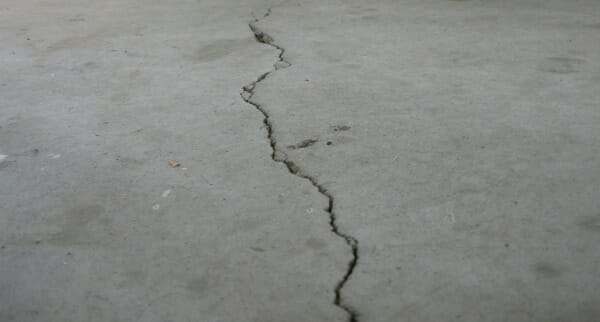
Repairing large cracks in garage floors involves cleaning the area, applying a concrete filler, and smoothing it out. Properly addressing these cracks ensures longevity and prevents further damage. Regular maintenance keeps the garage floor safe and visually appealing.
Concrete Resurfacing
Large cracks can make the garage floor look bad. They can also be dangerous. To fix them, you can use concrete resurfacing. This method covers the cracks with a new layer. First, clean the floor well. Remove any dirt or loose pieces. Then, mix the resurfacing compound. Follow the instructions on the package. Spread the compound over the floor. Use a trowel to make it smooth. Let it dry completely.
Installing Crack Isolation Membranes
Crack isolation membranes can help stop cracks from coming back. These membranes are like a special mat. They go under the new concrete layer. First, clean the floor well. Then, cut the membrane to fit the area. Stick it down with glue. Make sure there are no bubbles. Once it is in place, pour the new concrete layer. The membrane helps the floor stay strong. It prevents new cracks from forming.
Preventing Future Cracks
Keeping the garage floor clean is important. Dirt can cause cracks. Sweep the floor often. Use a mild cleaner for tough spots. Check the floor for small cracks. Fix them quickly. This stops big cracks from forming.
Water should not stay on the floor. Standing water is bad. It weakens the floor. Make sure water flows away. Check the drains often. Clean them when needed. This keeps the floor dry and strong.
Sealing the floor protects it. Sealants keep water out. They also stop stains. Apply sealant every few years. This keeps the floor looking new. It also prevents cracks. Sealant is like a shield for your floor.
Common Mistakes To Avoid
Preparing the surface is very important. Don’t skip cleaning the floor. Dust and dirt stop the repair from sticking. Use a broom or vacuum. Remove all debris. This helps the material bond well. Proper preparation makes repairs last longer.
Choosing the right materials is crucial. Cheap materials might not work well. Always buy high-quality products. They might cost more, but they last longer. Read labels to ensure they are suitable for garage floors. Quality matters for a strong repair.
Patience is key when fixing cracks. Don’t hurry the process. Follow instructions on the repair kit. Allow each layer to dry properly. Rushing can lead to weak repairs. Take your time for the best results.
Frequently Asked Questions
What Causes Cracks In Garage Floors?
Cracks often result from shifting soil, temperature changes, or improper concrete installation. Moisture and heavy loads can exacerbate the issue. Addressing these causes can prevent further damage and maintain the garage’s integrity.
How Can I Repair Small Cracks Myself?
Start by cleaning the crack thoroughly. Use a concrete filler or epoxy to seal it. Smooth the surface with a putty knife for a seamless finish. Regular checks can help maintain the repair.
Are Professional Repairs Necessary For Large Cracks?
Yes, large cracks may require professional attention. They can indicate structural issues that need expert evaluation. Professionals ensure repairs are durable and safe, preventing future problems.
Can Cracks Affect The Garage’s Structural Integrity?
Yes, cracks can compromise the garage’s foundation. They allow moisture infiltration, leading to potential damage. Regular maintenance and prompt repairs can prevent structural issues.
Conclusion
Fixing garage floor cracks isn’t hard. Follow steps carefully. Use right tools. Choose proper materials. This ensures durable results. Regular checks prevent future damage. Simple maintenance helps too. Clean spills quickly. Avoid heavy impacts. These precautions keep your floor strong.
Cracks can be fixed easily. Save money by doing it yourself. Your garage looks better. Feels safer. Enjoy peace of mind knowing it’s secure. Make your garage a functional space. Take action today. Preserve your property value. Protect investments. A little effort goes a long way.
Keep your garage floor in great shape.