
Cracks in your concrete floor can be more than just an eyesore; they might be the start of bigger problems if left unattended. Imagine walking into your garage, basement, or patio and being greeted by a smooth, flawless floor.
Sounds ideal, right? The good news is, with a little know-how, you can achieve this yourself. Whether you’re dealing with small hairline fractures or larger gaps, learning how to fix these cracks can save you time, money, and a potential headache down the road.
We understand that tackling home repairs can be daunting, especially when it comes to concrete. But don’t worry—you’re not alone. This guide will walk you through the process step-by-step, giving you the confidence and skills you need to restore your concrete floor to its former glory. Let’s dive into the details and transform those cracks into a thing of the past.
Identifying Types Of Cracks
These cracks are very thin. Often less than 1/8 inch wide. Hairline cracks are common. They usually don’t harm the concrete. Regularly check these cracks. They may grow over time.
Shrinkage cracks occur when concrete dries too fast. The surface pulls apart. This type usually doesn’t affect strength. Keep the concrete moist during curing. This can prevent shrinkage cracks.
Settlement cracks happen when the ground moves. The concrete shifts and cracks. These are more serious. They need to be fixed quickly. They can cause bigger problems.
Structural cracks are dangerous. They can affect the building’s safety. These cracks are often wide. They might show up in walls or floors. Call a professional to assess the damage. Fix them as soon as possible.
Preparing The Concrete Surface
Start by sweeping the concrete floor. Remove any dirt and debris. Use a broom or vacuum for this task. Next, scrub the area with water and soap. This helps get rid of stains. Rinse well and let it dry.
Look for any loose pieces of concrete. Use a chisel to remove them. Be gentle to avoid more damage. Sweep away the dust and small bits. This ensures a smooth surface to work on.
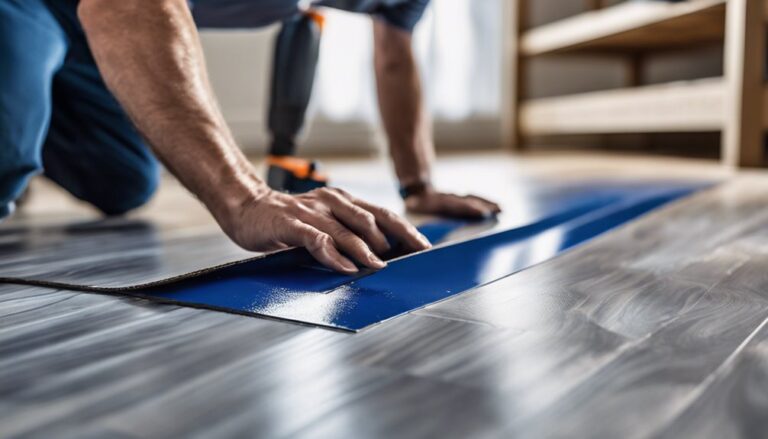
Check the floor for moisture. Tape plastic on the surface overnight. If there is moisture, the plastic will be wet. A dry surface is best for fixing cracks. Use fans or heaters to dry wet areas. This ensures the crack repair lasts longer.
Choosing The Right Repair Material
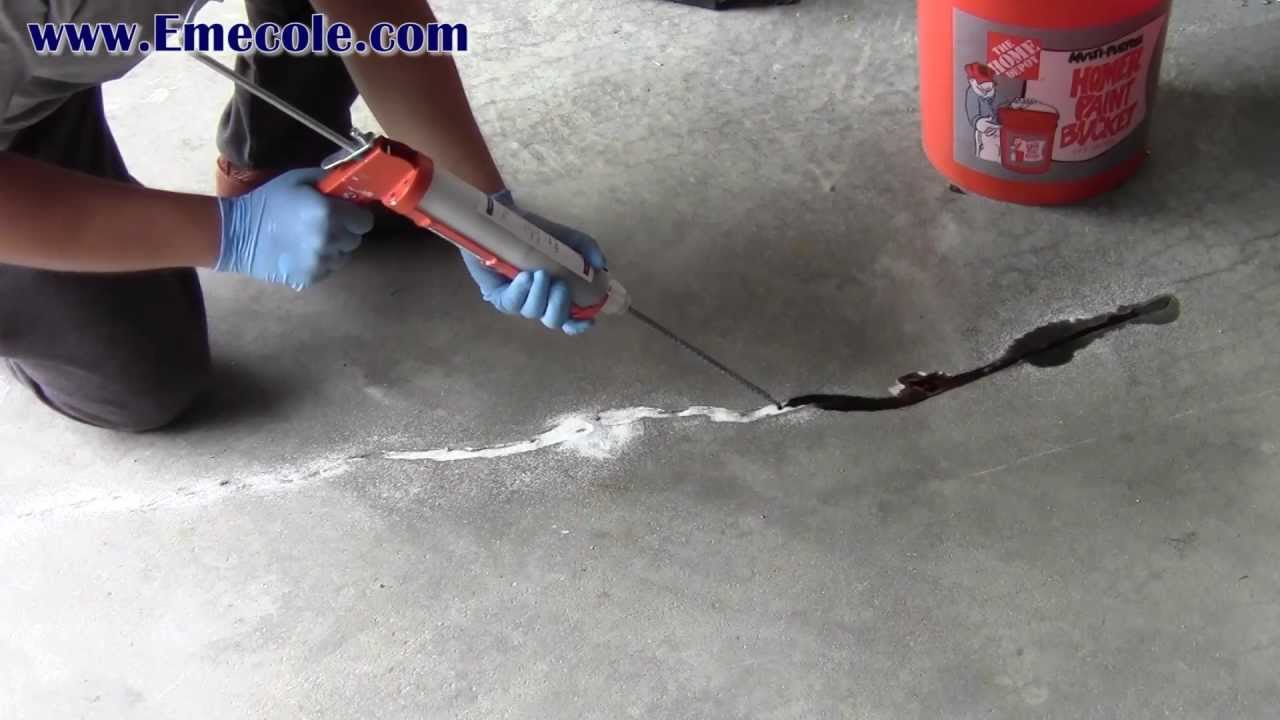
Epoxy injections work well for structural repairs. They bond the concrete and make it strong. This method is ideal for narrow cracks. Epoxy resists moisture and chemicals. Ensure the crack is clean before applying.
Polyurethane sealants are flexible. They handle movement in the concrete. These sealants fill wider cracks. They are perfect for areas with temperature changes. Apply them smoothly over the crack.
Concrete patching compounds are good for large surface repairs. They cover wide and deep cracks. These compounds are easy to mix and use. They provide a solid finish. Use a trowel to apply them evenly.
Repairing Small Cracks
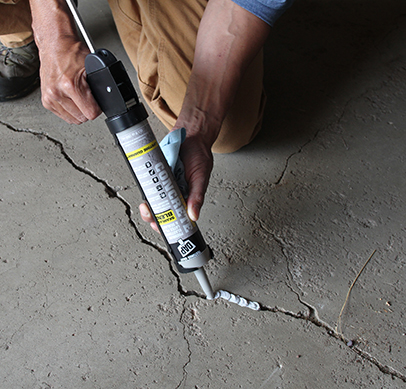
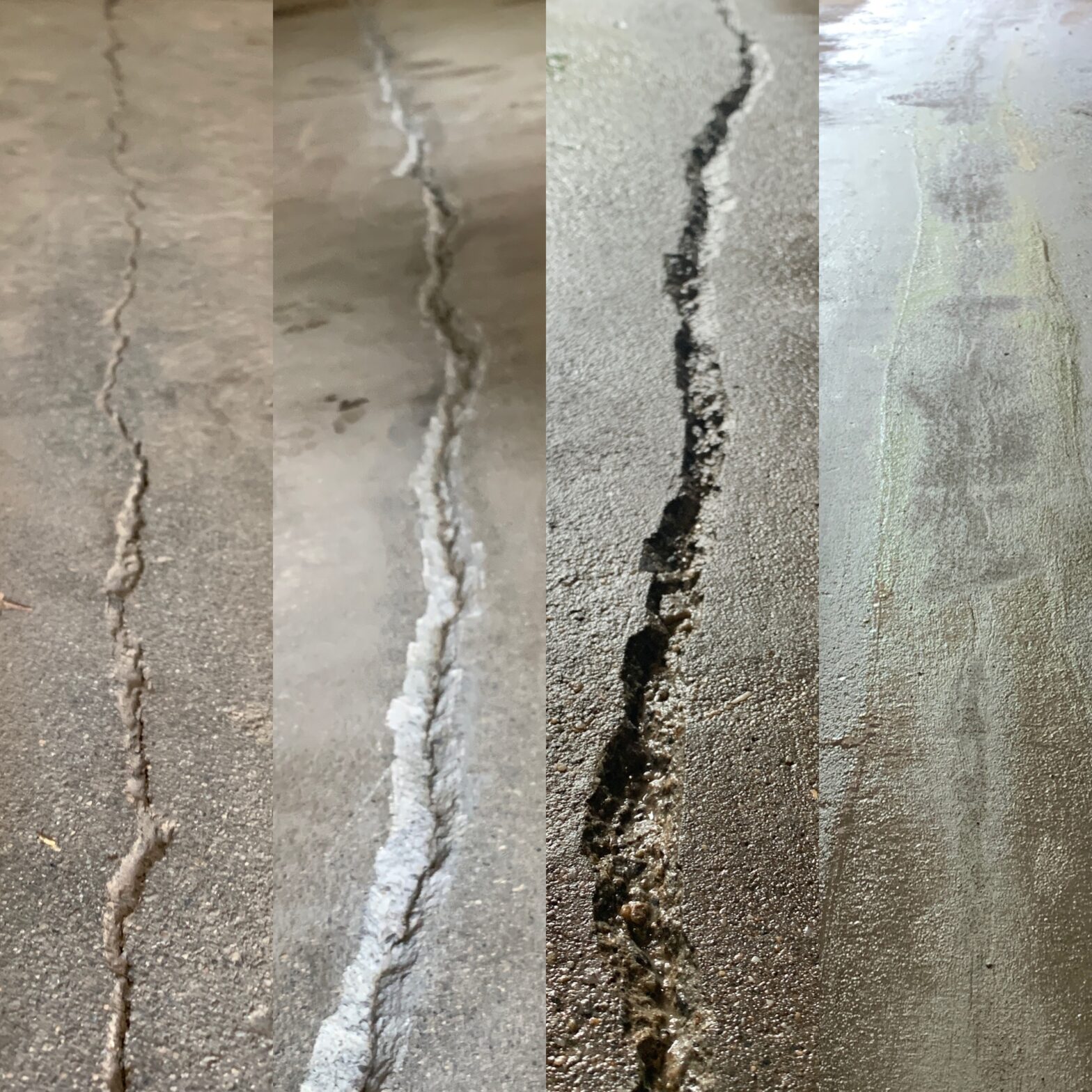
Small cracks can be fixed easily. Use concrete caulk for this task. First, clean the crack. Remove dust and dirt. Dry the area well. Then, fill the crack with caulk. Use a caulk gun for even filling. Smooth the surface with a putty knife. Let it dry for a day. The floor will look neat again.
These kits are handy and easy to use. Repair kits come with all needed tools. Follow the steps in the manual. Clean the crack first. Mix the repair compound. Fill the crack with this mix. Use a trowel to smooth the surface. Wait until it dries completely. These kits make repair simple and fast.
Fixing Large Or Deep Cracks
Epoxy resins fill deep cracks in concrete floors. First, clean the crack with a brush. Make sure no dust stays inside. Then, mix the epoxy resin as shown on the box. Pour it into the crack slowly. Let it fill the whole crack. Use a trowel to smooth the surface. This keeps the floor even. Wait for the epoxy to dry. This can take a day. The floor is now strong again.
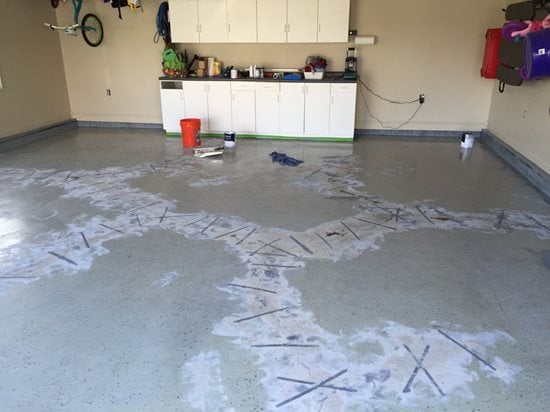
Metal staples make cracks strong. First, drill holes on each side of the crack. Place the metal staples into these holes. The staple holds the crack tight. This stops the crack from growing. Next, fill the crack with a patching mix. This mix hides the staples and makes the floor look nice. Let it dry before walking on it. This method keeps your floor safe.
Preventing Future Cracks
Preventing future cracks involves sealing joints and using quality materials. Maintain the concrete by keeping it clean and dry. Regular inspections help identify issues early, ensuring longevity and durability.
Controlling Moisture
Keep moisture away from concrete floors. Use a dehumidifier in damp areas. Seal the floor with a good quality sealant. This stops water from entering. Keep the environment dry and clean. Wet floors can cause cracks over time.
Ensuring Proper Drainage
Make sure water drains away from the floor. Use gutters and drains around the building. Keep them clean and clear. Avoid water pooling near the floor. Water can seep into the concrete and cause damage. Proper drainage keeps the floor strong and crack-free.
Regular Maintenance Tips
Inspect the floor often for small cracks. Fix them quickly to stop them from growing. Clean the floor regularly. Use a gentle cleaner and avoid harsh chemicals. These steps keep the floor in good shape. Regular maintenance helps prevent future cracks and extends the floor’s life.
When To Call A Professional
Consulting a professional becomes crucial for concrete floor cracks larger than a quarter-inch. Structural concerns or extensive damage might need expert attention. Professionals ensure proper repair techniques, preventing further issues and maintaining structural integrity.
Signs Of Structural Issues
Noticing cracks in the concrete floor can be worrying. Some cracks are harmless. Structural issues need expert help. Cracks wider than a pencil might be a sign. Also, if the floor seems uneven, it could mean trouble. Another sign is doors that won’t close right. This can show shifting. If windows stick, it might be the same reason. Hearing strange noises in the floor is another warning. These signs are serious. A professional should check them. They know what to look for.
Extensive Crack Damage
Extensive cracks need attention. They can get worse. Small cracks can become big problems. When cracks spread quickly, it’s time to worry. Water can seep in, causing more damage. These cracks may weaken the floor. If chunks of concrete fall off, it’s serious. This could mean the floor is losing strength. Large, deep cracks are a bad sign. A professional should fix these. They have the right tools. They know how to make it safe again.
Frequently Asked Questions
What Causes Concrete Floor Cracks?
Concrete cracks due to shrinkage, settling, or external pressure. Temperature changes can lead to expansion and contraction. Poor construction or insufficient curing can also cause cracks. Identifying the root cause helps in choosing the right repair method.
How Can I Identify Crack Severity?
Assess crack width and depth. Hairline cracks are often cosmetic, while wider cracks may indicate structural issues. If the crack changes over time, it might need professional evaluation. Understanding severity aids in determining repair urgency.
What Materials Are Best For Crack Repair?
Epoxy or polyurethane are ideal for concrete crack repair. They bond well and provide durable solutions. For minor cracks, concrete patching compound might suffice. Selecting the right material ensures long-lasting repairs.
Can Diy Methods Fix Concrete Cracks?
Yes, DIY methods can fix minor cracks. Use concrete patching compound for small repairs. However, larger or structural cracks may require professional help. DIY is cost-effective but ensure proper technique for successful repair.
Conclusion
Repairing concrete cracks is easier than it seems. Start by gathering tools. Clean the cracked area thoroughly. Choose the right filler or patch product. Apply it carefully, following instructions. Let it dry completely. Now, your floor looks better and lasts longer.
Regular maintenance prevents future damage. Keep an eye out for new cracks. Quick fixes save time and money. Enjoy a smooth, durable concrete floor. Share these tips with friends. Everyone deserves a solid, crack-free floor. Don’t let concrete cracks stress you out.
You’ve got this!