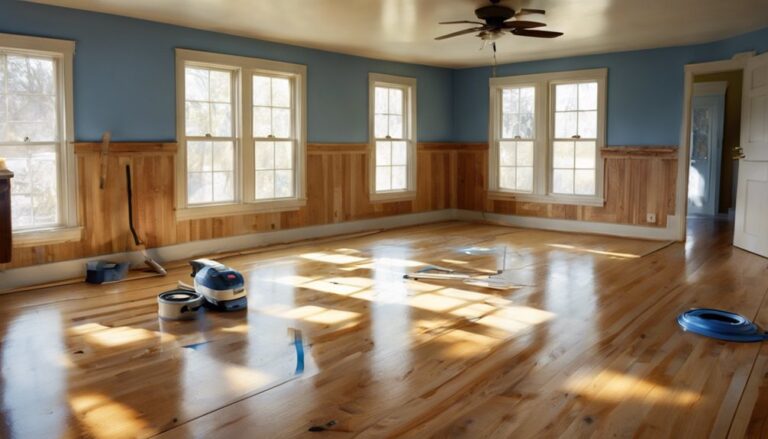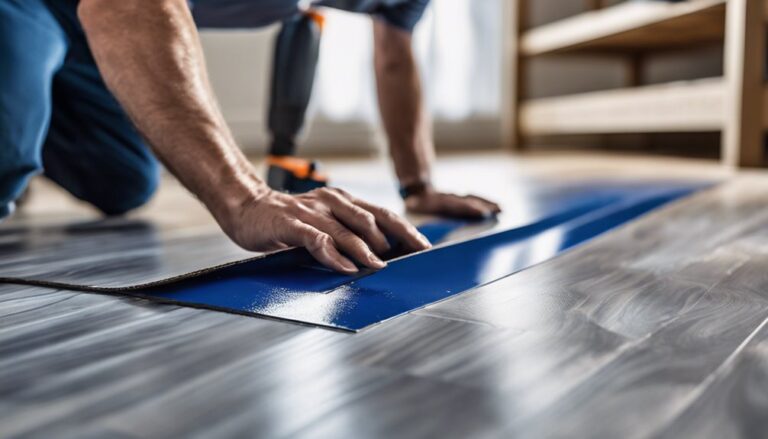

Imagine settling down to enjoy a peaceful evening at home, only to be disturbed by the annoying sound of a squeaky wood floor. Every step you take echoes through the room, disrupting your tranquility.
You’re not alone in this; many homeowners face the same frustrating issue. The good news? Fixing those squeaks can be easier than you think, and you don’t need to be a professional to do it. In this guide, you’ll discover simple, effective ways to silence those creaky boards.
By the end of this article, you’ll not only regain your peace but also learn a valuable skill that can enhance your home’s comfort. Ready to take control of those squeaks? Let’s dive in and get started.
Identifying The Squeak Source
Wood floors squeak due to several common causes. Loose nails can be a culprit. They might move when you step on the floor. Gaps between the wood planks can also cause noise. These gaps create friction. Humidity changes are another reason. Wood expands and contracts with moisture levels. This movement can lead to squeaks.
Many tools help find the squeak source. A flashlight is useful. It highlights gaps and loose parts. A rubber mallet can test floor stability. Tap the mallet gently on the floor. Listen for any noise. Carpenter’s square checks alignment. It shows uneven boards. Listening device can locate faint squeaks. It amplifies the sound for easier detection.
Simple Fixes For Minor Squeaks
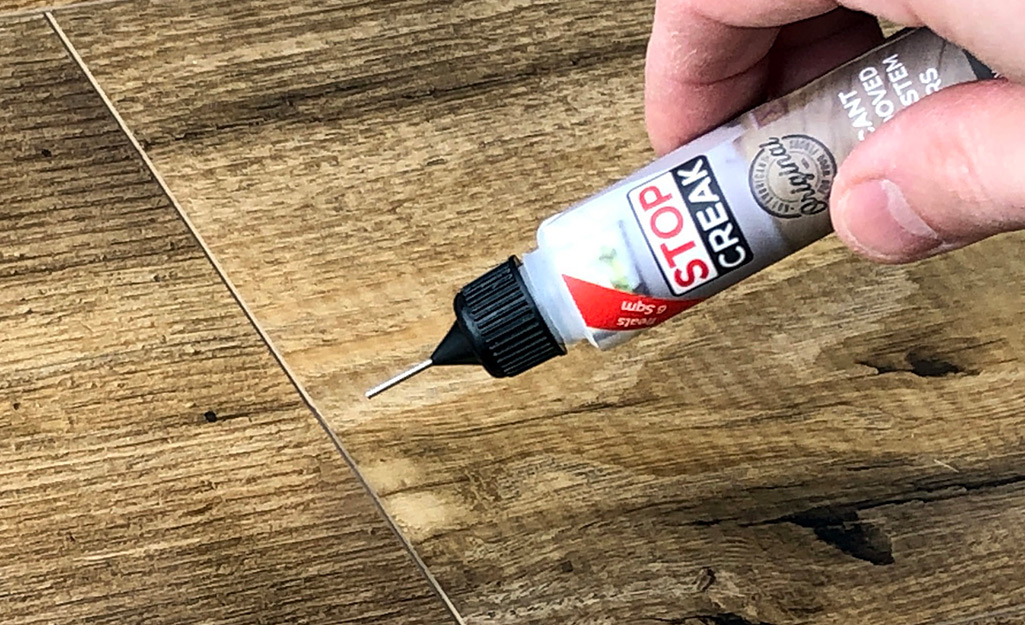
Sprinkle talcum powder on the squeaky spot. Work the powder into the cracks. You can use a soft brush. The powder helps reduce friction. This often stops the squeak.
Use liquid wax for stubborn squeaks. Apply it on the noisy area. Let it settle for a few minutes. Rub it gently with a cloth. This makes the floor smooth and quiet.
Shims help if the floor moves. Place a small shim under the loose floorboard. Tap it gently with a hammer. This will tighten the board. Make sure not to force the shim too much.
Fixing Squeaks From Above The Floor
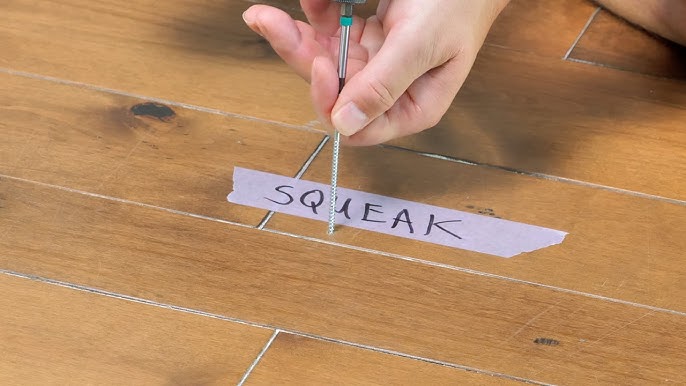
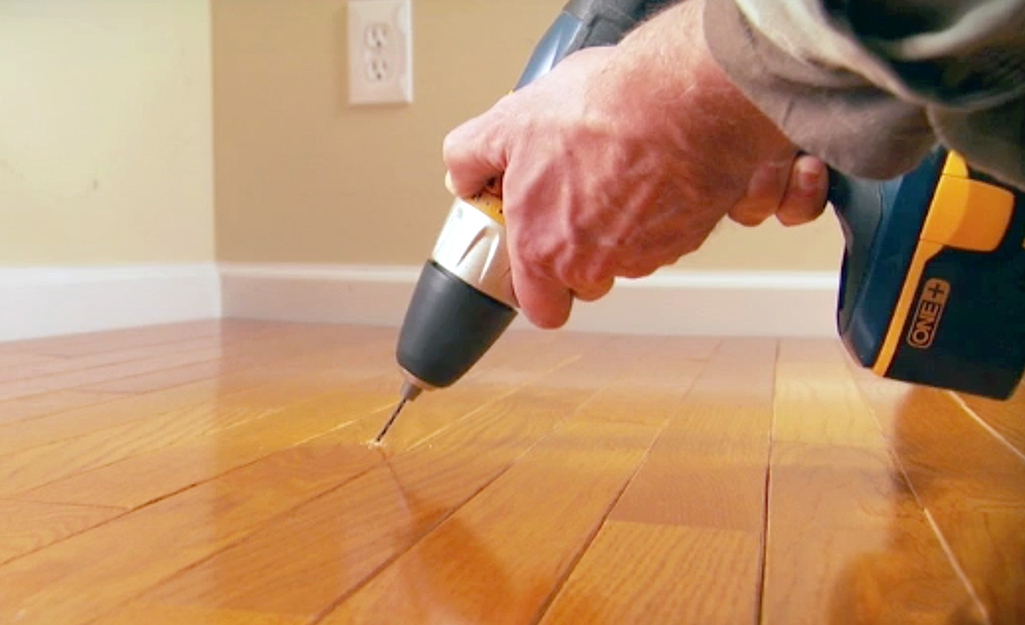
Loose floorboards cause noise. Walk over the floor slowly. Listen for squeaky spots. Mark these areas. Use nails or screws to secure them. Make sure they are tight. This reduces the noise. Take care with the nails. They should not damage the wood. Check if the squeak is gone. Repeat if needed.
Squeak-relief kits are helpful. These kits include screws and a guide. The guide helps with placement. Follow the instructions closely. Screw into the floorboards carefully. The screws pull the boards down. This makes them firm. Less movement means less noise. Kits are easy to use. They work well for most floors.
Fixing Squeaks From Below The Floor
Use screws to stop squeaky floors. First, find the squeaky spot. Ask someone to walk above while you listen below. Mark the spot. Next, drive screws through the subfloor into the joist. This holds the floor tight. Screws work better than nails. Nails might slip. Use a drill for this job. Be careful not to go through the floor. Check for wires and pipes before drilling. Fixing squeaks makes floors quieter.
Construction adhesive is helpful for squeaky floors. Apply it to the joists. This keeps the subfloor in place. First, clean the area under the floor. Then, squeeze the adhesive along each joist. Press the subfloor down. Let it dry for a day. Strong glue stops movement. This reduces noise. Glue and screws work well together. Quiet floors are nice to walk on.
Preventing Future Squeaks
Fixing squeaky wood floors involves tightening loose boards and applying talcum powder to reduce friction. Regular maintenance, like checking for loose nails and boards, helps prevent future squeaks. Simple actions ensure a quieter and more comfortable home environment.
Regular Maintenance Tips
Check your home’s humidity levels. Wood floors can be sensitive. Too much moisture makes them swell. Too little makes them shrink. Use a hygrometer to measure humidity. Keep it between 35% and 55%. This range is best for wood floors.
Clean your floors often. Dirt can cause scratches. Scratches make noise. Use a soft broom or vacuum. Avoid wet mopping. Water can damage wood.
Inspect floorboards regularly. Look for loose nails. Tighten them with a hammer. Or use a screwdriver. Fixing them early prevents bigger problems.
Place mats at entrances. They catch dirt from shoes. This keeps floors clean. It also reduces wear. Clean mats often to keep them effective.
By following these tips, you can keep your floors quiet. And in good shape.
When To Call A Professional
Identifying complex issues on a wood floor can be tricky. Some squeaks hide deeper problems. A professional can spot these issues. They have special tools and skills. Fixing these problems early is important. It prevents bigger damage later. A quick check can save a lot of money. Safety is also a concern. Loose boards can cause falls. Fixing them keeps everyone safe.
Cost vs. DIY Solutions is a big decision. DIY might seem cheaper at first. But mistakes can cost more to fix. A professional knows the best way to repair. They often have better materials. Quality repairs last longer. This saves money over time. Think about your time too. Fixing floors takes skill and patience. Hiring a professional can be quicker and easier.
Frequently Asked Questions
What Causes Wood Floors To Squeak?
Wood floors squeak due to friction between floorboards or nails loosening. Humidity changes can also cause squeaks by expanding and contracting the wood. Identifying the exact source of the squeak is crucial for effective repairs. Regular maintenance can help prevent squeaks from developing over time.
How Can I Quickly Fix A Squeaky Floor?
To quickly fix a squeaky floor, sprinkle talcum powder or powdered graphite between the boards. This reduces friction and dampens noise. For a more permanent solution, consider using screws or nails to secure loose boards. Always test in a small area first to ensure effectiveness.
Can Squeaky Floors Damage The House?
Squeaky floors don’t typically damage the house, but they can indicate structural issues. Regular squeaks are usually harmless, caused by normal wear and tear. However, persistent or worsening squeaks might require professional inspection to ensure there are no underlying problems compromising your home’s structural integrity.
Are Squeaky Floors A Sign Of Termites?
Squeaky floors aren’t typically a sign of termites. Termites usually cause visible damage or hollow-sounding wood. If you suspect termite activity, look for other signs like mud tubes or discarded wings. Regular inspections can help detect and address termite issues before they cause significant damage.
Conclusion
Fixing squeaky wood floors is simpler than it seems. First, identify the squeaky spots. Use talcum powder or oil to reduce friction. Secure loose boards with nails or screws. Try carpet or rugs for quick solutions. Regular maintenance helps prevent future squeaks.
Remember, patience is key. Each step brings you closer to a quieter home. Enjoy your peaceful space. Share your success with friends. They might need your advice too. Happy flooring!