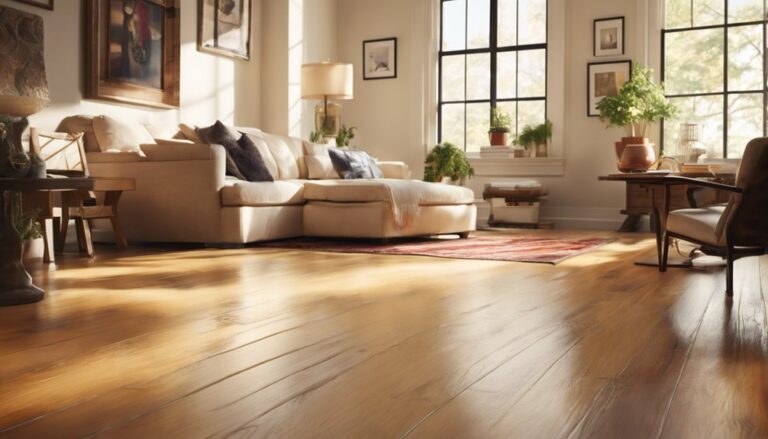

Imagine transforming your basement from a cold, unused space into a warm, inviting extension of your home. The secret to this transformation often lies beneath your feet: the basement floor.
Finishing your basement floor can not only enhance the aesthetic appeal but also increase the comfort and value of your home. But where do you start? You might feel overwhelmed with choices, from materials to techniques. Fear not, because this guide is here to simplify the process for you.
You’ll discover the best methods and materials to turn your basement floor into a stylish, functional foundation that you’ll love. So, are you ready to unlock the potential of your basement floor and create a space you’ll truly enjoy? Let’s dive in and take the first step toward your basement makeover.

Planning Your Basement Floor Project
Check for moisture and cracks. Dry basements are best. Wet basements need fixing. Look for mold and mildew. Clean and dry the space. Smooth out rough spots. Level the floor. Make sure it’s even.
Pick flooring that suits the basement. Tiles are easy to clean. Carpet feels warm. Vinyl is durable and stylish. Wood can warp. Laminate is a good choice. Think about cost and comfort. Consider the look you want.
Start with a budget plan. List all costs. Include materials and labor. Keep track of expenses. Save money for surprises. Compare prices at different stores. Shop for deals. Balance quality and cost. Stay within your budget.
Preparing The Basement Floor
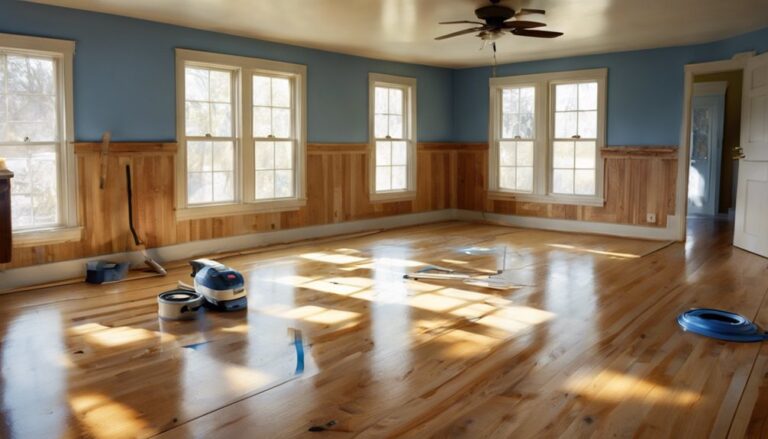
Start by sweeping away all dust and dirt. A clean floor is important. Use a vacuum for tiny particles. Next, check if the floor is level. Place a long board on the floor. Look for any gaps under it. Use a leveler compound to fill these gaps. Make sure the floor is smooth.
Inspect the floor for cracks and gaps. Cracks can cause problems later. Use a sealant to fill them. Apply the sealant with a caulking gun. Let it dry completely before moving on.
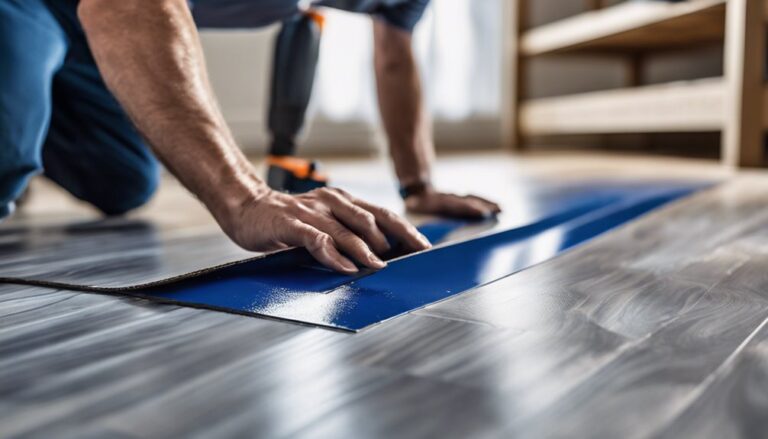
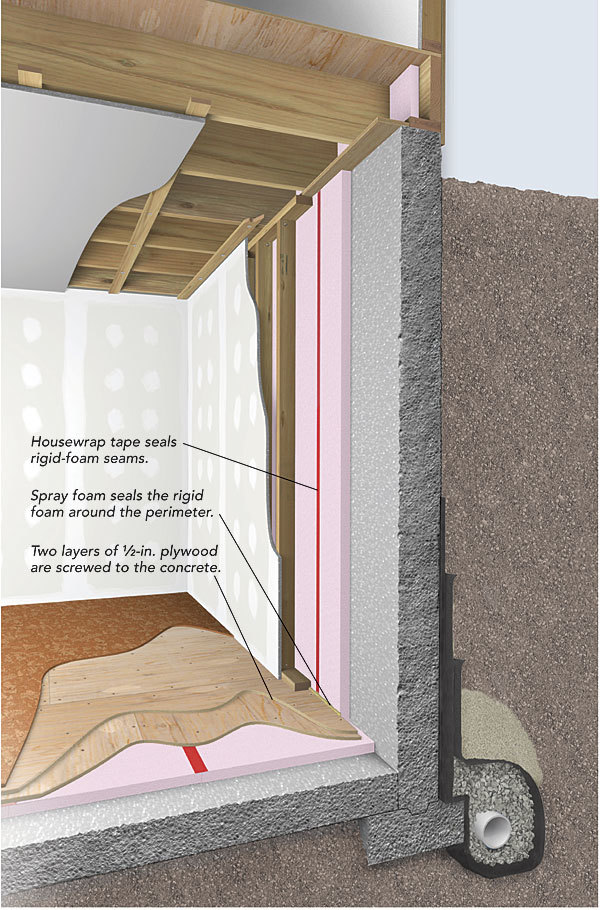
Moisture can damage the floor. Lay down a plastic sheet. This acts as a barrier. Tape the edges to keep it in place. Make sure there are no gaps in the barrier.
Installing Subflooring
Choosing the right subfloor materials is important. Plywood is a popular choice. It is strong and durable. OSB (Oriented Strand Board) is another option. It is cheaper but less moisture-resistant. Consider moisture levels in the basement. Moisture-resistant materials are best.
Measure the area carefully. Cut panels to fit the space. Leave gaps for expansion. Lay the panels in a staggered pattern. This gives more strength. Use adhesive for better grip. Position panels tightly together.
Secure the panels with screws or nails. Use a drill for screws. Hammer works for nails. Space screws evenly. This ensures stability. Check for loose panels. Re-secure if necessary. Keep subfloor firm and level.
Laying The Chosen Flooring
Carpet is soft and warm. It feels good on feet. Vinyl is easy to clean and waterproof. Both are good choices for basements. Cut the carpet or vinyl to fit the room. Use glue or tape to stick it down. Make sure it’s flat and smooth. Check all edges. Trim extra pieces. Enjoy your new floor.
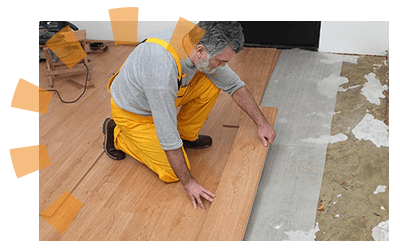
Hardwood looks beautiful but needs care. Laminate is cheaper and tougher. Both need a flat base. Lay down a foam sheet first. Snap the pieces together. Leave space by walls. Wood needs to breathe. Use a saw to cut pieces. Finish the edges with trim.
Tiles are strong and last long. First, spread cement on the floor. Place each tile on the cement. Use spacers between tiles. Keep them straight. Press tiles down firmly. Wait for them to dry. Fill gaps with grout. Wipe away extra grout. Tiles are ready to use.
Finishing Touches
Baseboards and trim give the basement a polished look. Measure the walls carefully. Cut the baseboards to fit. Secure the trim with nails or adhesive. Paint or stain to match the floor. This makes the basement look complete.
Check the floor for any uneven spots. Ensure everything is smooth. Look for gaps in the baseboards. Fill any spaces with caulk. Make sure all nails are hidden. Adjustments make the basement floor perfect.
Keep the floor clean with regular sweeping. Use a gentle cleaner for spills. Avoid harsh chemicals. Maintain the shine with occasional waxing. Check the trim for damage. Repair any scratches quickly. A clean floor lasts longer.
Frequently Asked Questions
What Are The Best Basement Floor Options?
The best basement floor options include epoxy coating, vinyl planks, and ceramic tiles. Epoxy is durable and moisture-resistant. Vinyl is easy to install and water-resistant. Ceramic tiles offer various designs and are long-lasting. Choose based on your budget and style preferences.
How Do I Prepare Basement Floor For Finishing?
First, clean the floor thoroughly and repair any cracks. Then, apply a moisture barrier to prevent water damage. Level the surface using a self-leveling compound. Finally, ensure the floor is completely dry before starting any installation process.
Can I Install Hardwood On Basement Floors?
Yes, but use engineered hardwood instead of solid wood. Engineered hardwood withstands moisture better than solid wood. Ensure proper moisture barriers are in place. This prevents damage from humidity and potential flooding. Always consult with a flooring expert for best practices.
What Tools Are Needed For Basement Floor Finishing?
Common tools include a moisture meter, floor leveler, and saw. You’ll also need a trowel and roller for application. Don’t forget safety equipment like gloves and goggles. Having all tools ready ensures a smoother installation process.
Conclusion
Finishing a basement floor enhances your home’s comfort and value. Start by choosing a suitable flooring material. Consider options like carpet, laminate, or vinyl. Each offers unique benefits for your space. Proper preparation ensures a smooth installation process. Clean the floor thoroughly before laying any materials.
Address any moisture issues to prevent damage. Use quality adhesive for a secure fit. Don’t rush the process; take your time for best results. Enjoy your newly finished basement floor. It will serve you well for years to come. Transform your basement into a functional, inviting area.
Happy renovating!