
Have you ever noticed small gaps in your wooden floors and wondered how to fix them? These gaps can be more than just a minor annoyance.
They can trap dirt, make your home feel drafty, and affect the overall look of your space. Fortunately, you don’t have to live with them forever. Learning how to fill these gaps can not only enhance the beauty of your home but also improve your comfort.
Imagine walking across your wooden floors, feeling the smooth, even surface beneath your feet. No more unsightly cracks or areas where dust and debris gather. With the right techniques and materials, you can achieve this and more. This guide will show you simple, effective ways to fill those gaps, ensuring your floors look as good as new. Are you ready to transform your living space and enjoy the satisfaction of a job well done? Let’s dive in!
Types Of Gaps In Wooden Floors
Wooden floors can change with the seasons. Wood can shrink in cold weather. This makes gaps appear between boards. In warmer times, wood expands. The gaps might close or get smaller. This is normal and happens often.
To manage this, keep your home at a steady temperature. A humidifier can help in winter. It adds moisture to the air. This can reduce shrinking. Consistent care helps keep your floor looking nice.
Some gaps do not change with seasons. Permanent gaps can happen from poor installation. Boards may not fit well. This creates spaces that stay open.
Fixing these needs more work. You might need a filler for these gaps. A wood filler or rope can help. It fills in the spaces. This makes the floor smooth again. Proper installation can stop these gaps from happening.
Tools And Materials Needed
You need a few important tools. A putty knife is essential. It helps spread filler. A vacuum removes dust. Dust can spoil the filler. A sanding block smooths the surface. It gives a nice finish. Measuring tape helps find gap size. Accurate size is key for a good fit. A brush is useful too. It cleans any loose dirt.
Wood filler is crucial. It fills the gaps. Choose a filler that matches your wood color. A sealer protects the filler. It makes it last longer. Wood glue can be helpful. It sticks pieces together. Sandpaper is needed too. It makes the floor smooth. Get some clean cloths. They wipe away excess filler.
Preparing The Floor
Dust and dirt hide in small spaces. Use a vacuum to suck them up. A damp cloth wipes away sticky spots. Let the floor dry completely. Wet floors can cause problems. Use a clean cloth to ensure no dirt remains. This helps glue or filler stick better.
Look closely at the gaps. Are they wide or narrow? Measure them with a ruler. Some gaps might need a filler. Others need glue or wood strips. Decide what works best for each gap. Small gaps are easy to fill. Wide gaps need more work. Choose the right material for the job. This saves time and effort.

Filling Gaps With Wood Filler
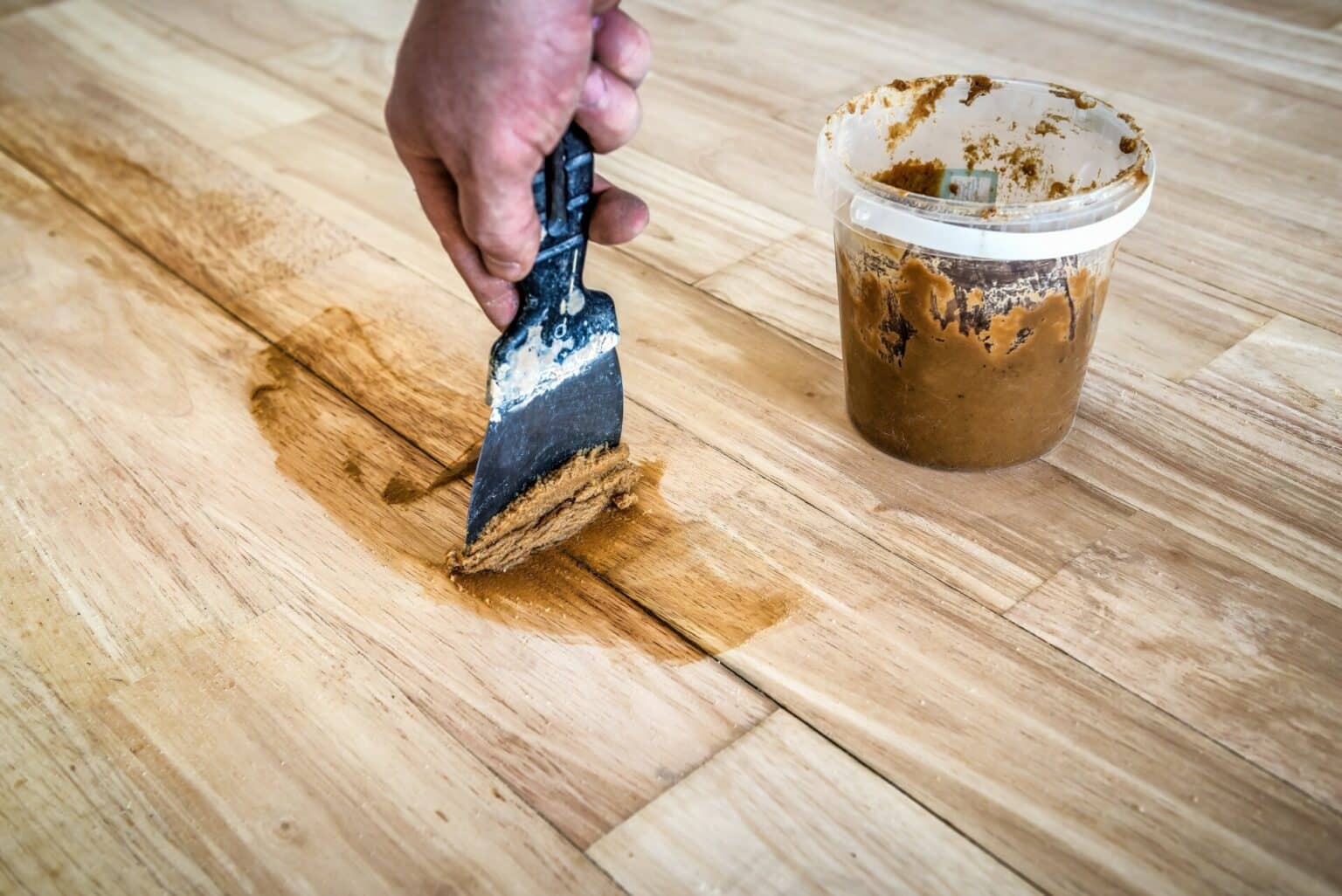
Picking the correct wood filler is important. Check the color first. It should match your floor. Read the label. Some fillers work better for big gaps. Others are for small cracks. Think about drying time. Fast-drying fillers save time. Longer-drying ones let you adjust.
Clean the gap before you start. Remove dirt and dust. Use a putty knife to apply the filler. Press it into the gap. Smooth the surface gently. Allow it to dry fully. Sand the area if it feels rough. Then, wipe away any dust. Repeat if the gap is still visible.
Using Rope Or String Method
Pick a rope or string that fits the gap. Make sure it’s not too thick. Choose a color that matches the floor. A neutral shade works well. Cotton ropes are soft and easy to use. They fit snugly in the gaps. Sisal is another option. It’s sturdy and natural looking.
Check the length before buying. The rope should cover all gaps. Measure your floor gaps carefully. This ensures you buy the right amount.
Clean the gaps first. Remove dust and dirt. This helps the rope stick well. Cut the rope to the gap’s length. Press it into the gap gently. Use a tool like a putty knife.
Ensure the rope is tight. It should be flush with the floor. Trim any excess rope. You can seal it with wood glue. This keeps the rope in place. Let it dry for a day. Your floor is now gap-free!
Applying Wood Strips
Measure the gaps between your wooden floorboards. Use a ruler or tape measure for accuracy. Cut wooden strips to the right length and width. A saw will help you get clean edges. Ensure each strip fits the gap snugly. Gaps should be filled properly to avoid any tripping hazards.
Use wood glue to hold the strips in place. Apply a thin layer on the sides of the strip. Press the strip into the gap firmly. Wipe away any extra glue with a damp cloth. Let the glue dry completely before walking on the floor. This ensures the strips stay in place.
Finishing And Sealing
Begin with a smooth surface. Use sandpaper to sand the floor. Sanding helps remove old dirt and rough spots. It makes the floor even. Start with coarse sandpaper. Then use finer sandpaper. This will make the surface smooth and ready. Dust the floor after sanding. A clean surface is important for the next step.
Choose the right sealant for your floor. A good sealant protects the wood. It keeps the wood from getting wet. Apply the sealant with a brush or roller. Use thin coats. Let each coat dry before adding another. This makes the floor look shiny and new.

Maintaining Wooden Floors
Keep your wooden floors dust-free. Use a soft broom or vacuum. Avoid harsh chemicals on the wood. Mild soap and water work best. Dry the floor quickly after cleaning. Water can damage wood. Clean spills right away. Use a soft cloth for this. Weekly mopping keeps the floor fresh. Always mop with a damp cloth. Never use too much water. Dry the floor after mopping.
Control the room’s humidity. Wood expands and shrinks with moisture. Use a humidifier in dry seasons. Keep temperature stable in the room. Check for gaps often. Fix small gaps before they grow. Use wood filler to seal gaps. Choose a color that matches your floor. Inspect floorboards for damage. Repair them if needed. A little care goes a long way.
Frequently Asked Questions
How Do I Fill Gaps In Wooden Floors?
You can fill gaps using wood filler or strips of wood. Clean the gap and apply the filler evenly. Let it dry completely before sanding for a smooth finish. Alternatively, use wood strips for larger gaps. Ensure the wood color matches the floor for a seamless look.
What Causes Gaps In Wooden Floors?
Gaps are caused by wood shrinking due to humidity changes. Seasonal temperature fluctuations can expand or contract wood. Poor installation can also lead to gaps. Regular maintenance and controlling indoor humidity can minimize gap formation in wooden floors over time.
Can Wood Filler Fix Large Gaps?
Wood filler is best for small to medium gaps. For larger gaps, wood strips are more effective. They provide a sturdy solution and blend better with the existing floor. Always choose a filler or strip that matches the floor color for a seamless appearance.
Are Gaps In Wooden Floors Normal?
Yes, gaps can occur naturally due to wood expansion and contraction. Seasonal changes in humidity affect wooden floors. Regular maintenance and monitoring indoor conditions can reduce the occurrence. Small gaps are common, but large gaps may require professional attention.
Conclusion
Fixing gaps in wooden floors enhances their beauty and longevity. Simple steps make the process easy and effective. Choose the right materials for the best results. Regular maintenance keeps floors in great shape. Clean them often to prevent new gaps from forming.
Check for gaps regularly to address issues quickly. Your wooden floor deserves care and attention. A well-maintained floor boosts the room’s appeal. You save time and money with proper care. Enjoy a smooth, gap-free floor for years. Happy flooring!