
Wood flooring adds a touch of elegance to any home, but over time, you might notice gaps starting to appear between the planks. These gaps can be more than just a cosmetic issue; they may lead to drafts, trapped dirt, or even damage.
You might be wondering how to fix these gaps without replacing the entire floor. Imagine walking across your beautiful wood floors, feeling the smooth, seamless surface underfoot, and knowing those annoying gaps are finally gone. This article is crafted just for you, guiding you step-by-step on how to fill those pesky gaps efficiently and effectively.
Whether you’re a DIY enthusiast or looking to tackle the task with professional precision, we’ve got you covered. Dive in to discover how you can restore the flawless look and feel of your wood flooring, making your home even more inviting and comfortable.
Identifying Gaps
Wood floors can have gaps. Common causes include moisture changes and floor movement. Wood expands and shrinks with weather. Humidity makes wood swell. Dry air causes it to shrink.
Seasons affect wood floors. Cold weather can make wood contract. Warm weather can make it expand. This cycle creates gaps over time.
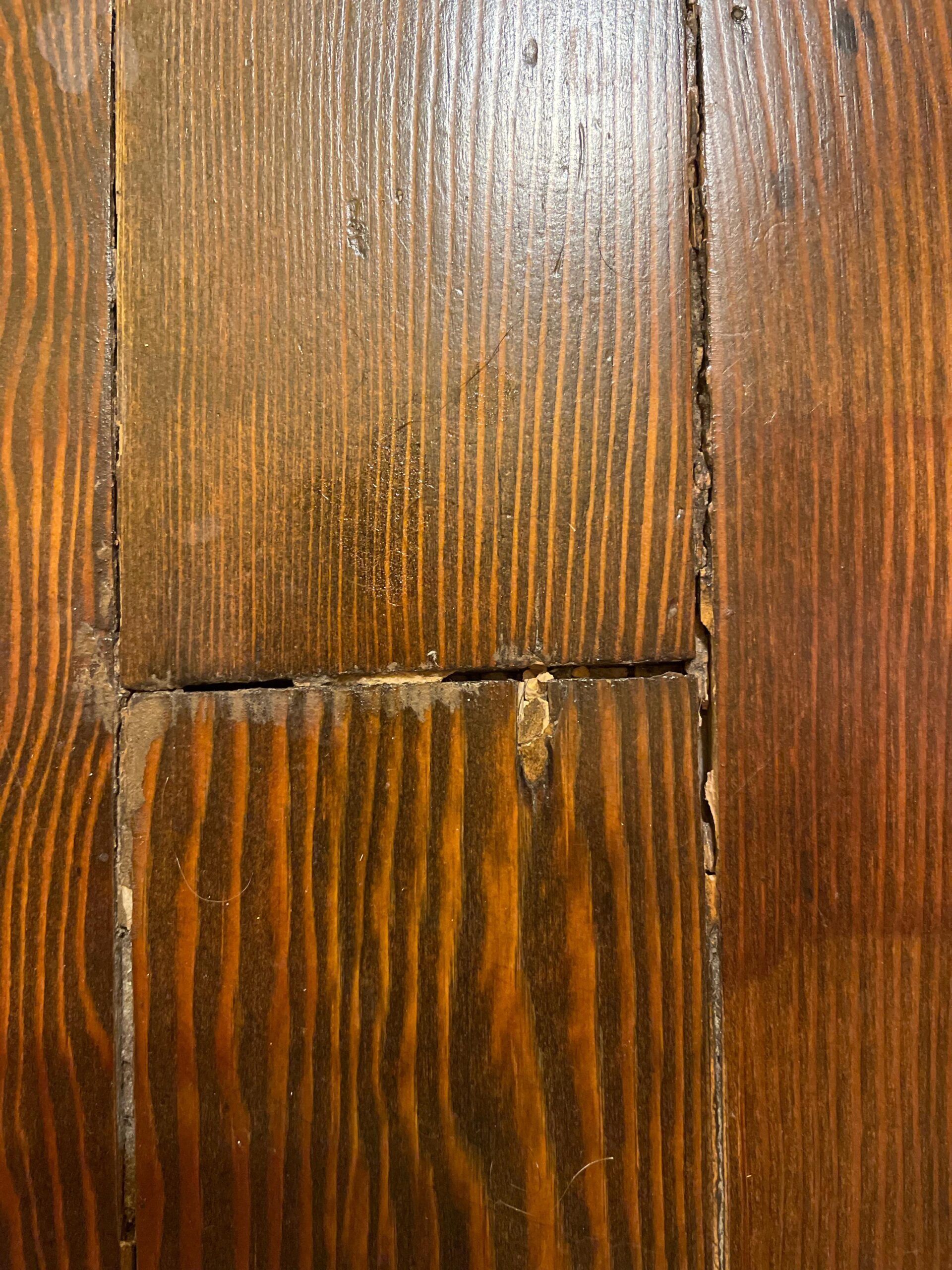
Severe gaps might indicate damage. Look for large spaces between boards. Cracks or splinters can be signs too. If gaps are wide, floors may need fixing.
Preparation Steps
Get all the tools ready. You will need a putty knife, wood filler, sanding block, and vacuum. It is important to have safety gloves and mask. Check the wood filler color. It should match your floor. This will help the floor look neat.
Remove all dust and dirt from the floor. Use a vacuum to clean well. Make sure the floor is dry. A dry floor helps the filler stick better. Clean floors mean better results.
Use a ruler to measure the gaps. Write down the size of each gap. This helps in choosing the right amount of filler. Accurate measurements lead to a smoother finish. Filling the gaps becomes easier with exact measurements.
Choosing The Right Filler
Wood putty is soft and pliable. It’s great for small gaps. It can be used inside and outside. Make sure to let it dry fully before sanding. It may shrink over time. Check your flooring color before buying. Colors may vary a lot.
Wood filler is different from putty. It dries hard and fast. Use it for bigger gaps. It can be sanded and painted. Choose the right color for your flooring. Mix it well before using.
Caulk is flexible and waterproof. Perfect for gaps near doors. It comes in tubes. Apply it with a caulk gun. Smooth it with your finger or a tool. Clean the area before applying. It lasts long and resists weather.

Filling The Gaps
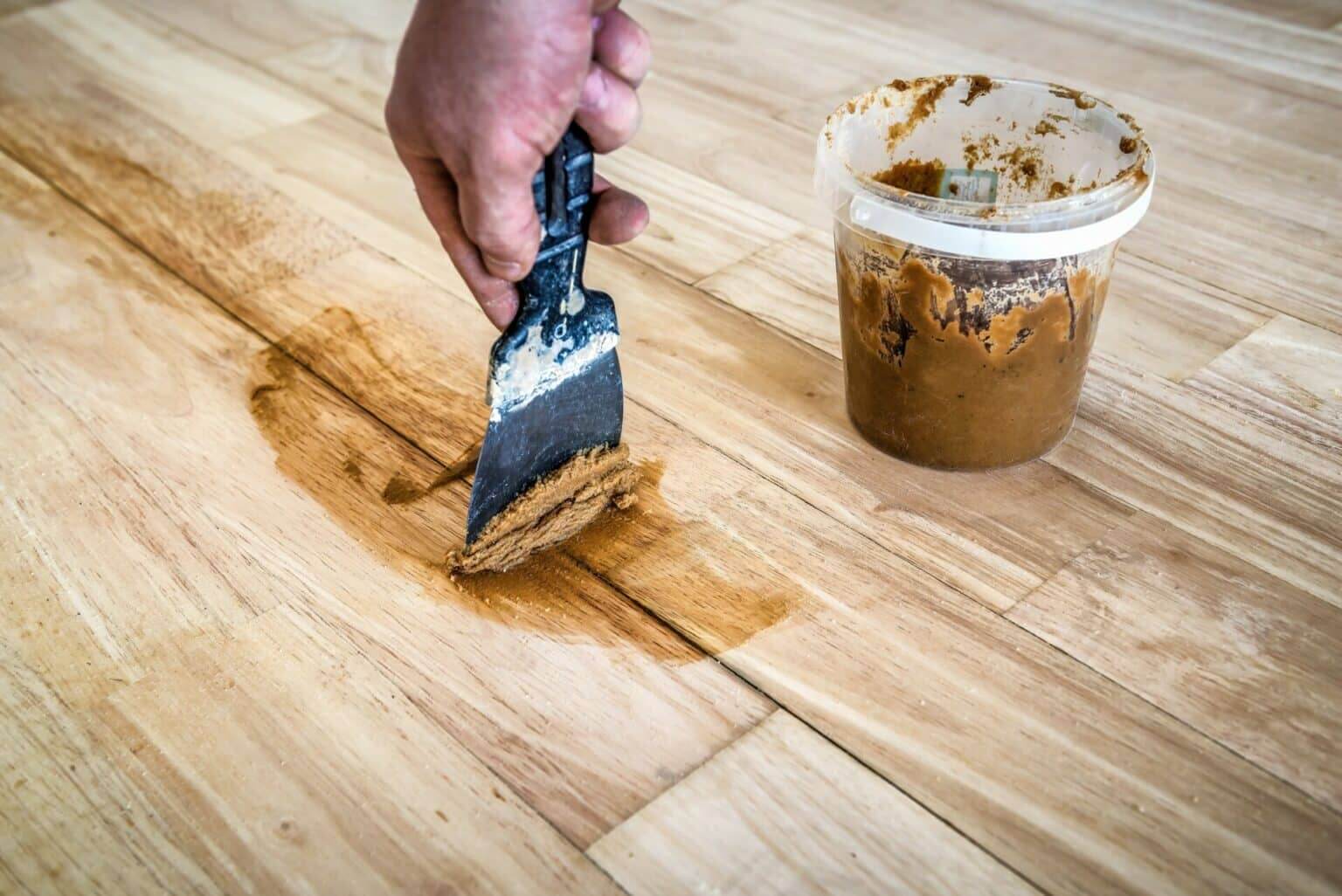
Wood putty is great for small gaps. It comes in many colors. Choose a shade that matches your floor. Apply it with a putty knife. Push the putty deep into the gap. Smooth the surface with the knife. Let it dry. Sand the surface if needed. This makes the floor look neat.
Wood filler works well for larger gaps. It is thicker than putty. Mix the filler if needed. Use a putty knife to apply it. Fill the gaps fully. Press it in firmly. Allow it to dry completely. Sand the area smooth. Choose a filler that matches your wood.
Caulk seals gaps around floor edges. It is flexible and durable. Select a color that fits your floor. Use a caulk gun for application. Press the caulk into the gaps. Smooth it with your finger. Let it dry for a perfect finish. Caulk is best for edge gaps.
Finishing Touches
Filling gaps in wood flooring enhances appearance and prevents debris accumulation. Use wood filler or putty for seamless results. Sanding the area smooth ensures a perfect finish.
Sanding The Surface
Sanding makes the floor smooth and even. Begin with a coarse sandpaper. This removes any rough areas. Switch to a finer grit for a smoother finish. Always sand in the direction of the wood grain. This helps prevent scratches. Use a vacuum to clear dust often. This ensures a clean surface. Clean thoroughly before moving on.
Staining And Sealing
Staining changes the wood color. Choose a stain that matches your style. Apply evenly using a brush or cloth. Allow the stain to dry completely. Sealing protects the wood from damage. Use a sealant suitable for wood floors. Apply with care for even coverage. Let it dry fully before the next step.
Polishing The Floor
Polishing gives the floor a shiny look. Use a good floor polish product. Apply it in small sections. Use a soft cloth or mop for application. Rub the polish gently into the wood. This enhances the wood’s natural beauty. Allow the polish to dry well. Enjoy your beautiful, polished floor!
Maintenance Tips
Clean floors every week to keep them nice. Use a soft mop and warm water. Avoid harsh chemicals. They can damage wood. Dust can scratch floors. So, clean it often.
Keep the room air steady. Wood likes stable humidity. Too dry or too wet is bad. Use a humidifier if needed. It helps keep wood healthy.
Check floors every month. Look for gaps or cracks. Small problems can grow big. Fix them early. Use a flashlight to see better.

Frequently Asked Questions
How Do I Fill Gaps In Wood Floors?
Filling gaps in wood floors involves cleaning and preparing the area first. Use wood filler or putty designed for flooring. Apply it with a putty knife and smooth out the surface. Allow it to dry completely before sanding and finishing.
This process ensures a seamless and durable repair.
What Causes Gaps In Wood Flooring?
Wood flooring gaps are usually caused by humidity changes. Wood expands in high humidity and contracts in low humidity. Poor installation or aging can also contribute. Regular maintenance and a stable indoor climate help prevent gap formation. Addressing these factors can extend the life of your flooring.
Can I Use Wood Filler For Large Gaps?
Wood filler is ideal for small to medium gaps. For large gaps, consider using strips of wood or rope. This method provides more stability and a better finish. Always ensure the filler or inserts match the wood color and texture for a cohesive look.
Should I Hire A Professional For Gap Repair?
Hiring a professional can ensure quality results, especially for large gaps or complex repairs. They have the tools and expertise needed for seamless fixes. If you’re unfamiliar with flooring repair, consulting a professional is advisable for best outcomes.
Conclusion
Fixing gaps in wood flooring adds beauty and longevity. Regular maintenance keeps floors looking stunning. Simple methods can solve minor gaps effectively. Larger gaps may need professional help. Staying proactive prevents future issues. Enjoy your floor’s natural charm. Feel confident in your flooring care skills.
Choose the right method for your needs. Protect your investment and enhance your home’s appeal. Proper care ensures lasting beauty and durability. Embrace the warmth of well-maintained wood flooring. Keep your floors in top condition. With these tips, maintaining wood floors becomes straightforward and rewarding.