
Are those unsightly gaps in your hardwood floors driving you crazy? You’re not alone.
Many homeowners face this common issue, but the good news is, there’s a simple solution waiting for you. Imagine walking across your beautiful floors without the distraction of those pesky spaces. You’re about to discover how to fill gaps in hardwood floors effortlessly, ensuring your home looks polished and inviting.
This guide is tailored just for you, offering practical steps to restore the charm of your flooring. Stick with us, and soon enough, you’ll be on your way to seamless, gap-free hardwood floors. Ready to get started? Let’s dive in and tackle those gaps together.

Identifying Floor Gaps
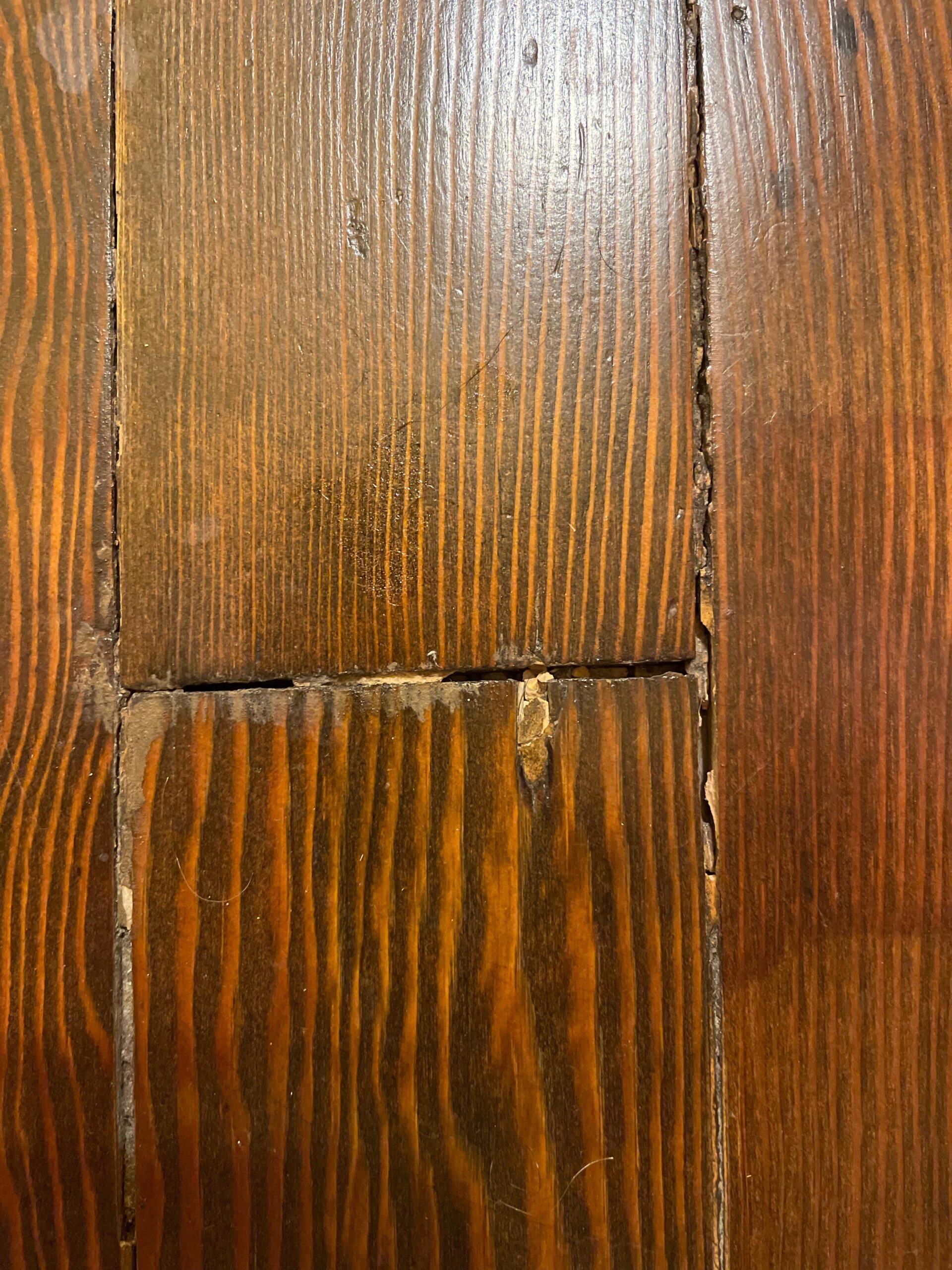
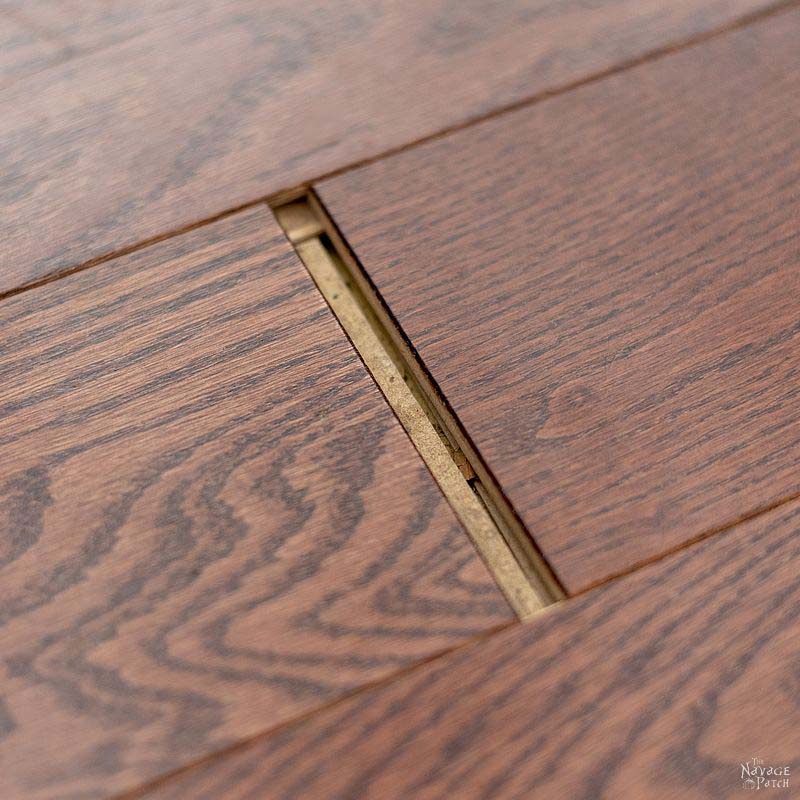
Hardwood floors can develop gaps due to several reasons. Changes in temperature and humidity are common causes. Wood expands in the summer and shrinks in the winter. This natural movement creates gaps. Another reason could be poor installation. If the wood planks are not fitted well, gaps appear. Age of the floor also plays a role. Older floors tend to have more gaps as the wood dries out over time.
Gaps in floors can be seasonal or permanent. Seasonal gaps appear during cold months and close in warm months. This is normal and expected. Permanent gaps stay open all year. They are often due to installation mistakes or extreme drying of wood. It’s important to identify the type of gap before fixing it. This helps in choosing the right solution. Knowing the type helps maintain the beauty of your floor.
Preparing For Repairs
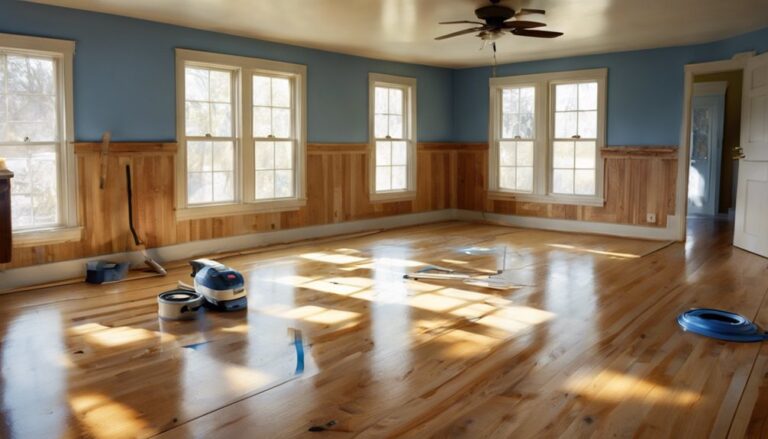
Gather all the tools you need. A putty knife is essential. Get a wood filler or putty. Sandpaper is needed too. A vacuum cleaner keeps the area tidy. A damp cloth is useful. A protective mask keeps you safe. Goggles protect your eyes. Ensure you have gloves. Have everything ready before starting.
Safety is important. Wear a mask to avoid dust. Use gloves to protect your hands. Goggles keep eyes safe from debris. Work in a well-ventilated space. Keep the area clean from obstacles. Make sure tools are in good condition. Follow instructions on product labels. Always be careful and take your time.
Temporary Fixes
Gap fillers are a quick solution for hardwood floors. They are easy to use. Flexible gap fillers are best for small gaps. These fillers come in tubes. Just squeeze it into the gaps. It dries fast and stays in place. For large gaps, it might not work well. Make sure to clean the gap first. Dirt can stop the filler from sticking. Use a soft cloth for cleaning. Follow the instructions on the filler package. This helps in getting the best results.
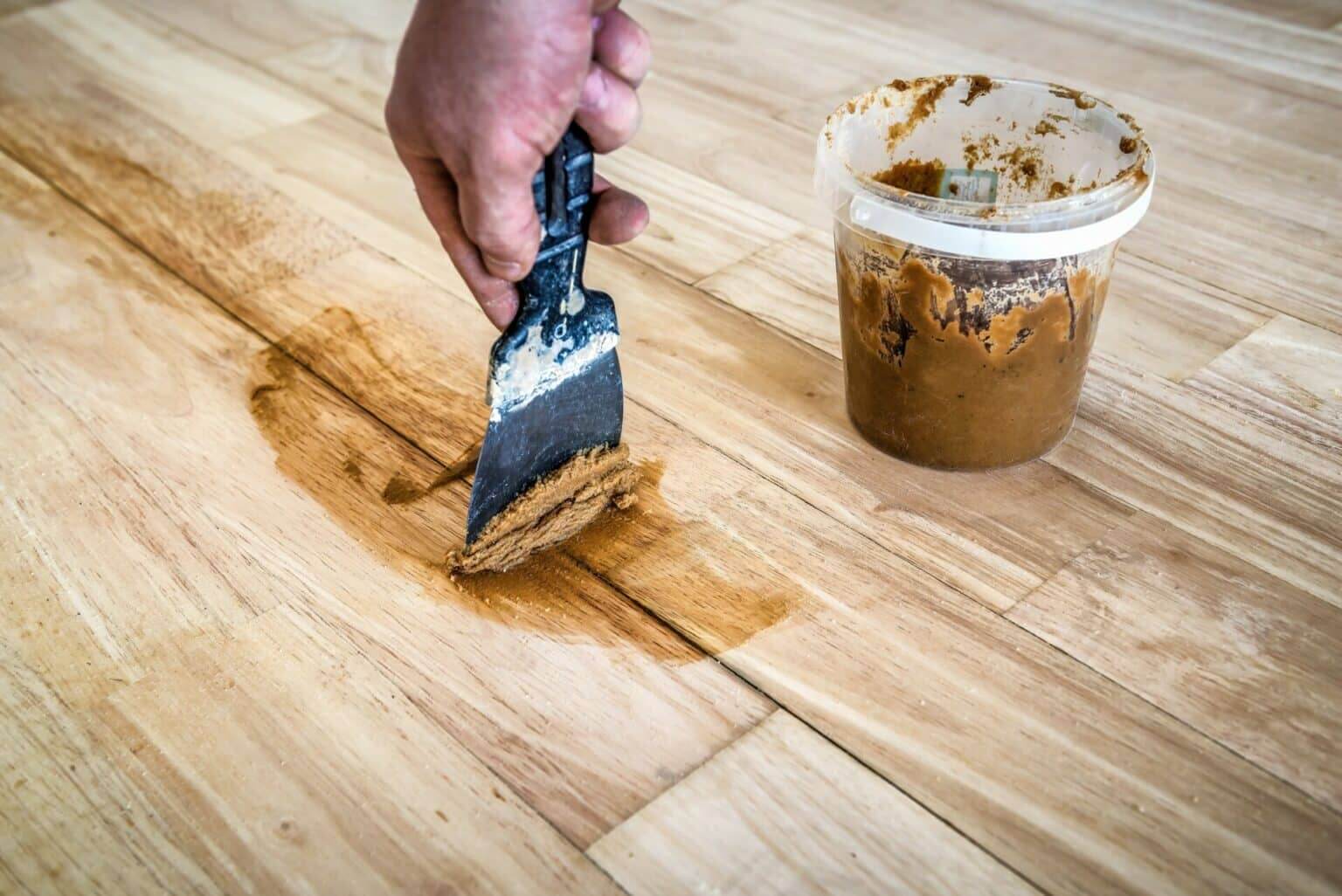
Wood putty is another option. It is thicker than gap fillers. It works great for larger gaps. You need to press it into the gap. Use a putty knife for this. Smooth it out well. Make sure it is even with the floor. Wood putty takes some time to dry. Let it dry completely. Once dry, it can be sanded. Sanding makes it smooth. You can also paint over it. This blends it with the floor color. Always follow the instructions on the putty container.
Permanent Solutions
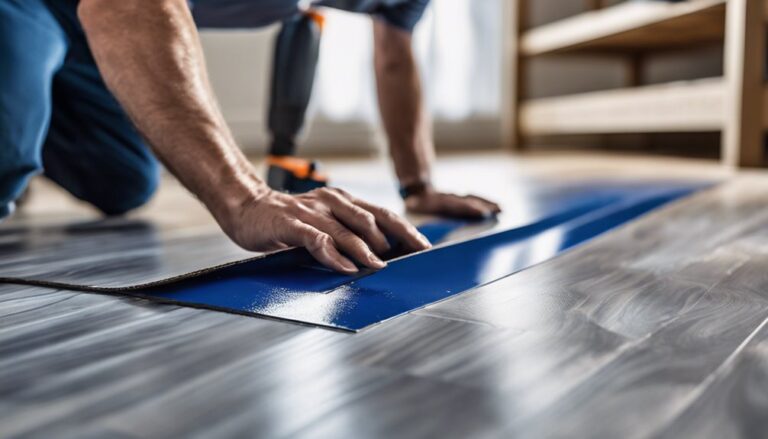
Wood strips can fill gaps in hardwood floors. Measure the gap’s width and length. Cut wood strips to fit the space. Ensure the strips are snug in the gap. Use a hammer to tap them into place. This method adds stability and improves appearance. It’s a long-lasting solution for floor gaps. Choose strips that match your floor color. This ensures a consistent look.
Glue and sawdust create a strong filler for gaps. Mix wood glue with sawdust. The sawdust should match your floor’s color. This helps blend the filler with the floor. Apply the mixture to the gap. Use a putty knife for smooth application. Let the filler dry completely. Sand the area for a seamless finish. This technique is effective and cost-friendly. It’s a smart choice for small gaps.
Preventing Future Gaps
Hardwood floors need stable humidity. Keep room humidity between 30% to 50%. This helps prevent wood from shrinking. Use a humidifier in dry seasons. A dehumidifier can help during wet seasons. Check humidity levels with a simple tool. Avoid large changes in humidity. Big changes can harm your floor.
Clean your floor weekly. Use a soft broom or vacuum. Avoid using too much water. Water can damage wood. Check for small gaps often. Fill gaps early to stop them growing. Use a wood filler or putty for small gaps. Protect floors with rugs in busy areas. Rugs reduce wear and tear. Move furniture carefully to avoid scratches. Use furniture pads under legs.
When To Call A Professional
Gaps in hardwood floors can be a big problem. Some signs are easy to spot. Very large gaps that keep getting bigger are a worry. If you see cracks or broken wood, it might be serious. Floorboards that move when you walk on them need checking. These signs mean you may need help.
Professionals know how to fix floor issues. They have special tools and skills. This makes the job quicker and better. Experts can spot hidden problems that you might miss. They help keep your floors safe and strong. Getting help can save time and stress. It also stops small problems from getting worse.
Frequently Asked Questions
How Do I Identify Gaps In Hardwood Floors?
To identify gaps, inspect your floor closely. Look for spaces between boards or uneven sections. Seasonal changes can cause these gaps. Regularly check for drafts or dirt accumulating in gaps. Identifying gaps early helps in maintaining the floor’s longevity and appearance.
What Causes Gaps In Hardwood Flooring?
Gaps often arise from humidity changes. Wood expands and contracts with temperature variations. Poor installation or subfloor issues can also contribute. Regular maintenance and monitoring humidity levels can prevent excessive gaps. Understanding the causes helps in choosing effective solutions.
Can I Fill Hardwood Floor Gaps Myself?
Yes, you can fill gaps yourself using wood filler or strips. Ensure the floor is clean before starting. Follow instructions on the filler product for best results. DIY filling is cost-effective but requires patience and precision.
What Materials Are Best For Filling Gaps?
Wood filler, strips, and putty are popular choices. Choose a material matching your floor color. Ensure it’s durable and suitable for wood movement. Quality materials ensure long-lasting results, maintaining the floor’s aesthetic.
Conclusion
Filling gaps in hardwood floors is essential for a smooth finish. It enhances the beauty of your space. Regular maintenance prevents future issues. Small gaps can be tackled with wood filler. Larger gaps might need professional attention. Always check the floor’s condition before starting.
Tools like putty knives come in handy. Work slowly and carefully for best results. Properly filled gaps increase floor lifespan. Enjoy your beautiful, gap-free floor. A well-maintained floor adds value to your home. Keep your hardwood floors looking great with these simple steps.