
Are you planning to revamp your space with new flooring? Figuring out the square footage is a crucial first step.
It might seem daunting at first, but don’t worry—it’s simpler than you think. Knowing the exact square footage ensures you purchase just the right amount of material, saving you time and money. In this guide, you’ll discover easy, practical steps to measure your floors accurately and confidently.
Imagine the relief of avoiding costly mistakes and the satisfaction of seeing your project come together smoothly. Let’s dive in and simplify the process for you!
 Flooring: Easy Guide”/>
Basics Of Square Footage
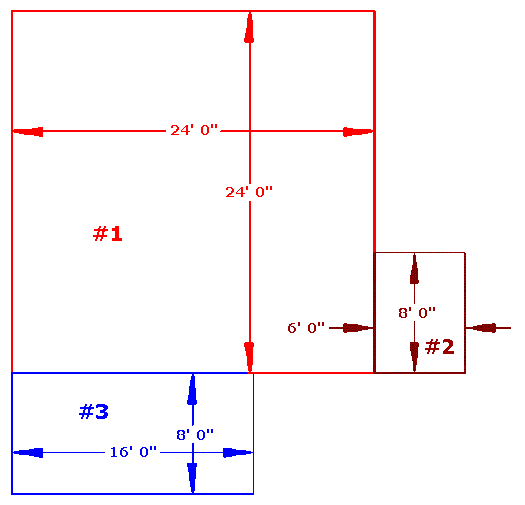
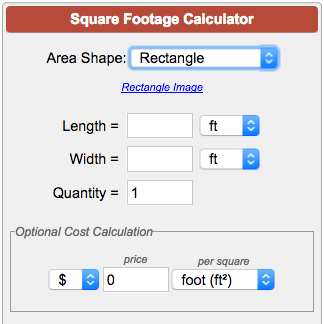
Measuring square footage is important. It helps to buy the right amount of flooring. Measure the length of the room. Then, measure the width. Multiply these numbers. Length times width gives square footage. Use a tape measure for accuracy. Write the numbers down. Check your math. It’s easy. Square footage tells how much material you need. Each flooring type needs different square footage. Tile or wood might need extra. Carpet usually needs exact. Always check the room shape. Odd shapes need special care. Divide the room into smaller rectangles. Measure each piece. Then add all pieces together. This way, you get the right square footage.
Tools You’ll Need
First, get a measuring tape. It helps measure the room size. Next, you need a notepad and pencil. These are for writing numbers down. Use a calculator to add numbers. It makes math easy. A flooring chart can help too. It shows how much material to buy. Lastly, have a straightedge. It helps with drawing straight lines.
Measuring Rectangular Rooms
Begin by measuring the length of the room. Use a measuring tape. Ensure it is straight. Write down the measurement. Next, measure the width. Again, use the tape. Make sure it is straight. Note this measurement too.
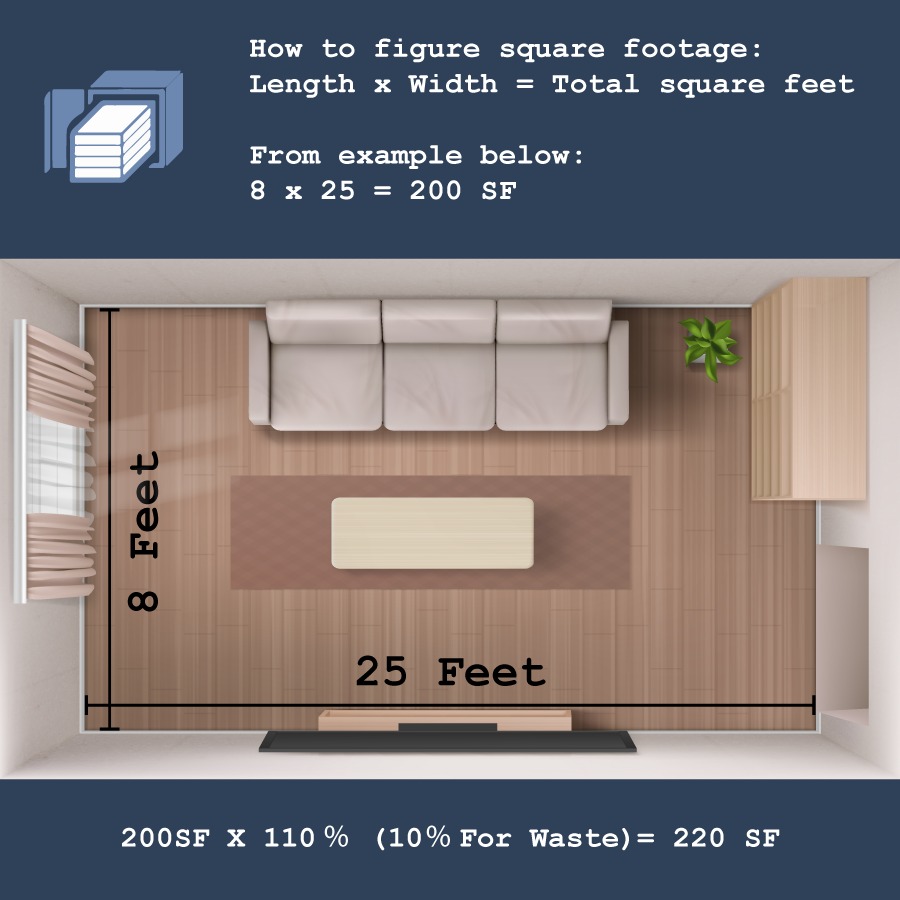
Multiply the length by the width. This gives the area. The result is in square feet. For example, if length is 10 feet and width is 12 feet, the area is 120 square feet. Always double-check your work. Mistakes can lead to buying the wrong amount of flooring.
Handling Irregular Spaces
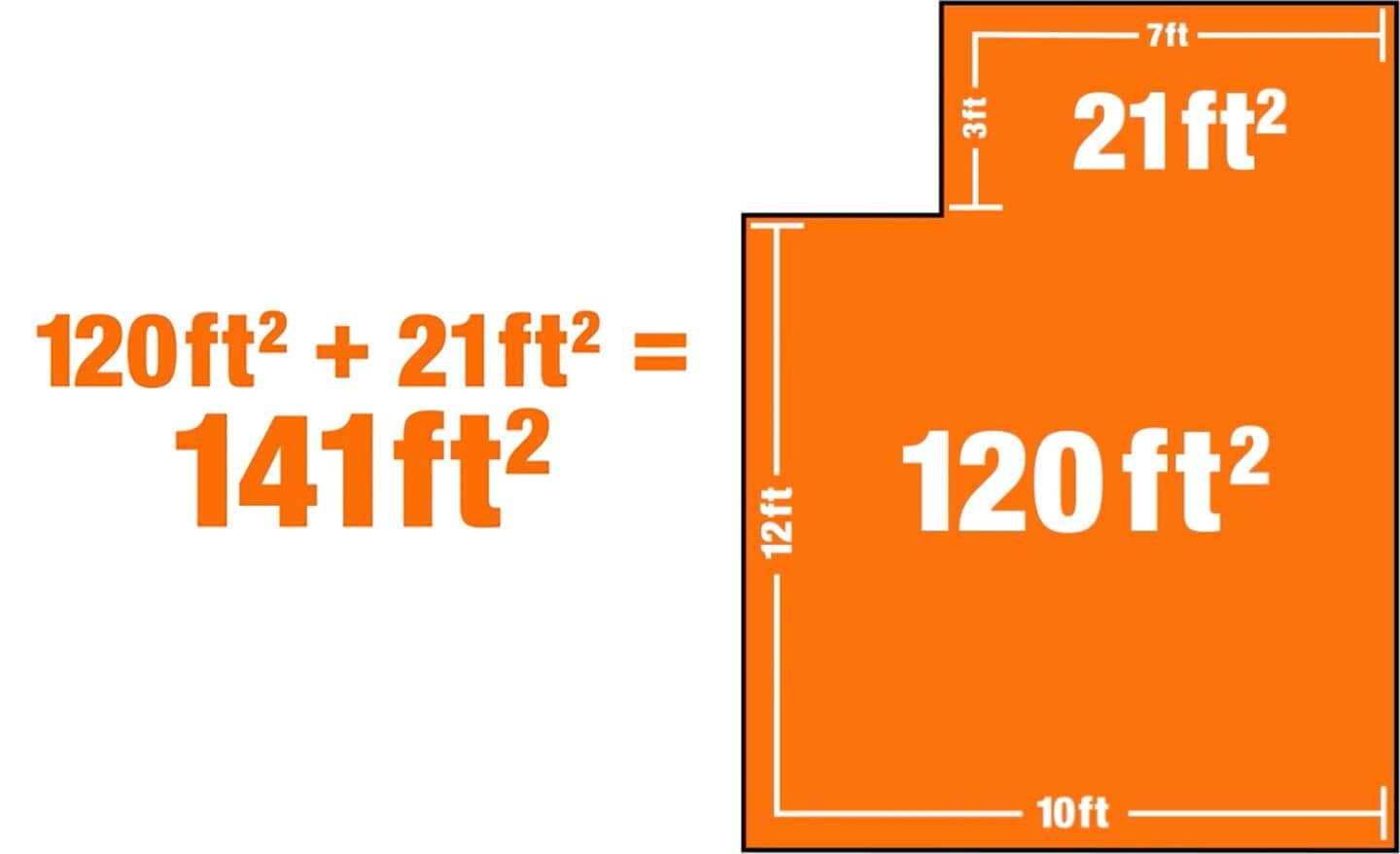
Breaking the room into smaller sections helps. Measure each section separately. This makes it easy to calculate. Use a piece of paper to draw the sections. Label each section clearly. Write down the measurements of each part. Add these measurements together. This gives the total square footage.
Rooms can have different shapes. Use geometric shapes to fit them. A triangle, circle, or rectangle works best. Measure each shape carefully. Calculate the area of each shape. Use simple formulas for this. Add all the areas together. This gives the total space size. It makes measuring easier and faster.
Dealing With Odd Corners
Start by measuring the base of the triangle. Then, measure the height from the base to the top point. Multiply the base by the height. Next, divide the result by two. This gives the area of the triangle. Use this method for all triangle-shaped spaces.
Trace the curve with a flexible tape measure. Find the widest point of the curve. Measure a straight line across this point. Multiply the length of the curve by the width. This gives an approximate area for the curve. Ensure you adjust for any extra materials. Curves can be tricky, so double-check your measurements.
Accounting For Unusable Space
Fixed installations like bathtubs and cabinets take space. You cannot use this space for flooring. Measure each fixed item. Subtract this from the total room area. This gives you the usable floor area.
Doorways and alcoves can be tricky. Measure these small areas carefully. Add these to the total floor area. Sometimes, these need extra materials. Always keep extra tiles or wood for such spaces.
Considering Waste Factor
Calculating the right amount of flooring is important. You should include a waste factor. This means buying a bit more than you need. Mistakes can happen during cutting and fitting. It is smart to add an extra percentage.
A buffer means having some extra flooring. It helps if pieces break or get damaged. Usually, adding 10% extra is a good idea. This makes sure you have enough materials to finish the job.
Remember, it is better to have a bit more. Running out of flooring can delay your project. Always plan for a buffer to avoid stress.
Converting Measurements
To change feet to inches, use multiplication. Every foot has 12 inches. If you have 5 feet, multiply 5 by 12. That makes 60 inches. Always use this method for exact measurements. It’s simple and quick. Knowing how to do this helps with flooring.
Metric units are different from feet and inches. The meter is a basic unit. One meter has 100 centimeters. To convert, multiply or divide by 100. If you have 2 meters, that’s 200 centimeters. Understanding this is key for accurate flooring. It’s easy once you practice.
Tips For Accurate Measurements
Double-checking measurements is important for accurate flooring. Mistakes can cost money. Measure twice for accuracy. Use a notepad to record sizes. Be careful with tape measures. They may slip or bend. Check your numbers again. This helps ensure correct sizes.
Using a laser measuring tool can be helpful. It is quick and easy to use. Point at the wall and press a button. The tool shows the size on a screen. This can save time. It also reduces errors. Make sure it is working well. Batteries must be strong. This helps keep measurements correct.
Frequently Asked Questions
How Do I Calculate Flooring Square Footage?
To calculate square footage, measure the length and width of the room. Multiply these numbers to get the total square footage. For irregular shapes, divide the area into smaller rectangles, calculate each separately, then add them together. This gives you the total square footage needed for flooring.
What Tools Do I Need For Measuring?
You need a measuring tape, a calculator, and a notepad. The measuring tape helps you get accurate dimensions. Use the calculator to multiply lengths and widths. The notepad is handy for recording measurements and calculations. These tools ensure precise flooring square footage calculation.
Is Square Footage The Same As Square Meters?
No, square footage and square meters are different units. Square footage is used in the U. S. , while square meters are used internationally. To convert square footage to square meters, multiply by 0. 092903. This helps when purchasing flooring materials with international measurements.
How Much Extra Flooring Should I Buy?
Buy 10% more flooring than needed. This accounts for mistakes, cuts, and future repairs. Having extra ensures you have matching materials for any future needs. This is especially important for patterned or discontinued flooring options.
Conclusion
Calculating square footage for flooring is simple. Start by measuring each room. Note the length and width in feet. Multiply these numbers to find the area. Repeat for each section. Add all areas together for the total square footage. This method ensures accurate flooring needs.
Remember, buying a bit extra helps with future repairs. Correct measurements save time and money. Enjoy the process of updating your space. Your home deserves the best fit. Now, you’re ready to shop with confidence. Happy flooring!