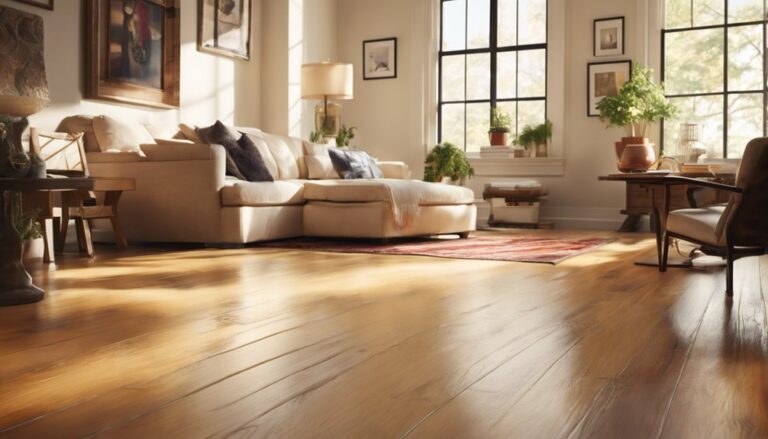

Are you tired of dealing with dull and worn-out floors? Imagine transforming your space with sleek, durable, and stunning epoxy floors.
They’re not just a treat for the eyes but also offer incredible resilience. You might think creating these floors requires a professional, but with the right guidance, you can do it yourself. This guide is here to unlock the secrets of epoxy flooring, helping you achieve a flawless finish right in your own home.
Discover the simple steps and insider tips that will empower you to take control of your flooring project. Get ready to dive into a world where you can turn your floors into works of art. Your perfect epoxy floor is within reach, and you’re about to learn how to make it happen.
What Is Epoxy Flooring?
Epoxy flooring is a type of floor covering. It is made from a resin and a hardener. These two mix together and form a strong plastic. The finish is smooth and shiny. It is great for garages and basements. The surface is also very durable and can handle heavy weights.
Many people choose epoxy floors because they are easy to clean. They resist stains and spills. If you spill something, just wipe it up. No stains left behind. These floors are also resistant to water and chemicals. This makes them a good choice for work areas.
Benefits Of Epoxy Floors
Epoxy floors are strong and last a long time. They can handle a lot of weight. No cracks or damage. This makes them a good choice for many places. Homes, garages, or even shops.
These floors are easy to clean. Just a mop or cloth is enough. No special cleaners needed. They don’t stain easily. This keeps them looking new.
Epoxy floors come in many colors and designs. You can choose what looks best. They make rooms look bright and modern. Everyone will love the new look.
Essential Tools And Materials
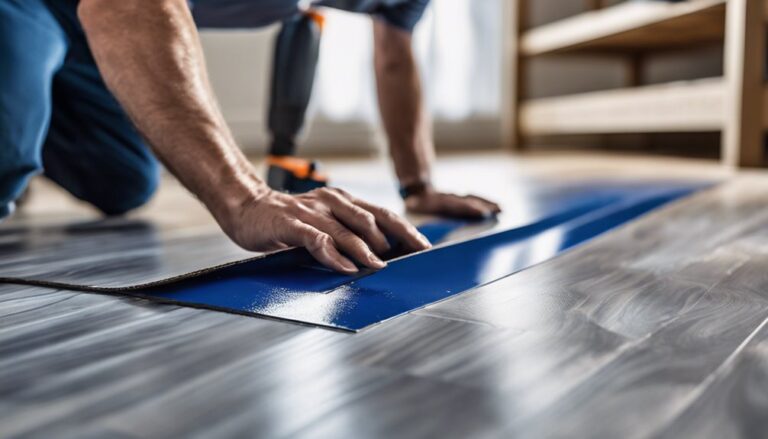
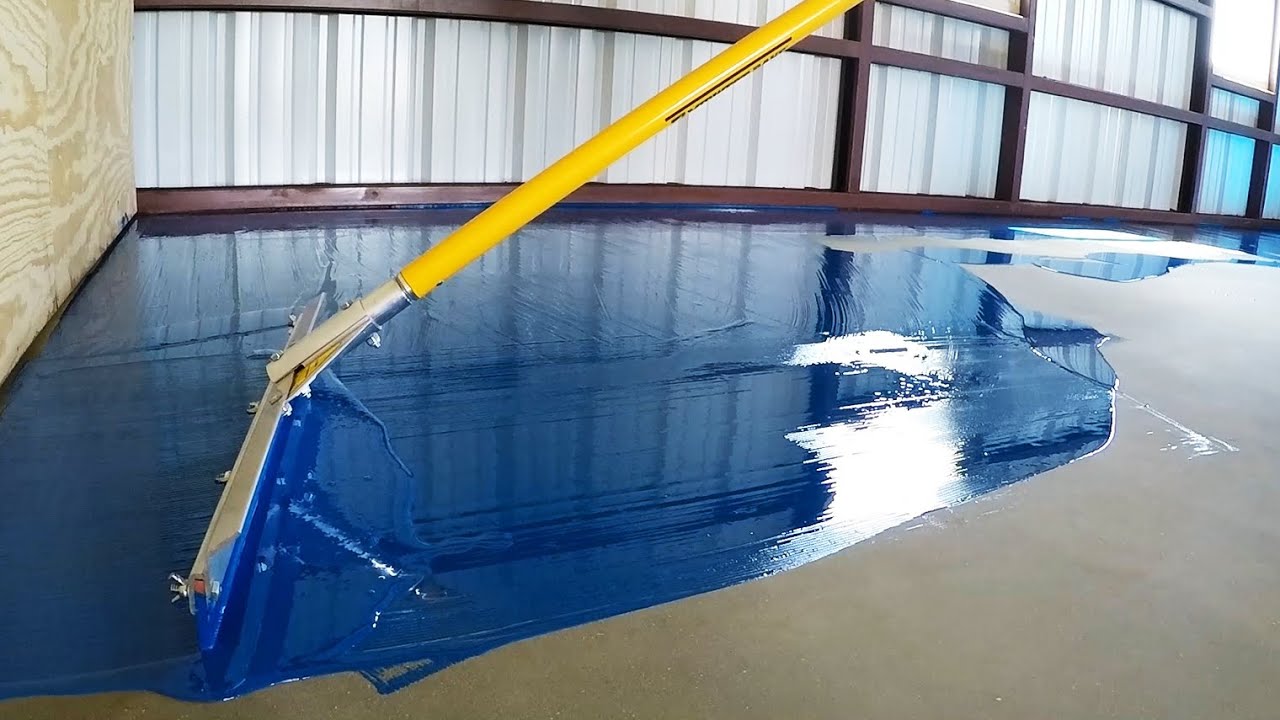
Creating epoxy floors needs specific tools and materials. Epoxy resin is the main ingredient. It’s mixed with a hardener. This mixture spreads on the floor. Mixing buckets are used to combine these elements. A paint roller helps to apply the epoxy evenly. Protective gear like gloves and goggles keeps you safe. Floor sander smooths the surface before adding epoxy. Masking tape is essential for clean edges. Stir sticks mix the resin and hardener well. Drop cloths protect nearby areas from spills.
Ventilation fans remove strong smells. Measuring cups ensure correct mixing ratios. Choose the right color pigments for your design. Concrete cleaner prepares the floor. Patch kits fix holes or cracks. Leveling tools check the floor is even. Heat gun can remove bubbles. Scrapers help clean off residue. Each tool is vital for a smooth finish.
Preparing The Surface
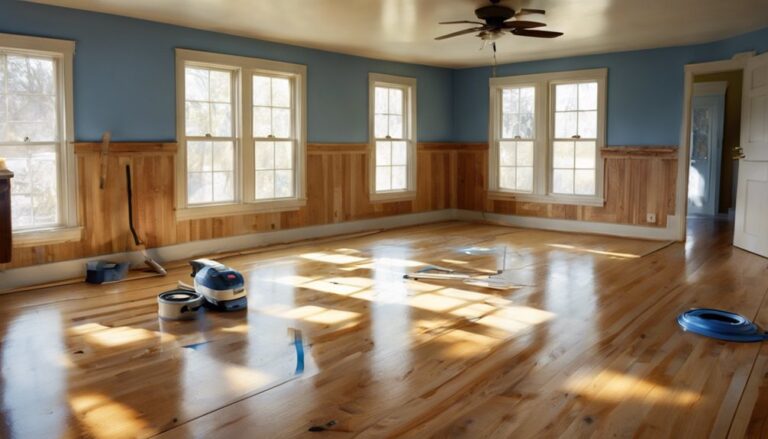
Start by sweeping the floor thoroughly. Remove all dirt and dust. Use a degreaser to clean oil spots. This helps the epoxy stick better. Rinse the floor with clean water. Allow it to dry completely before moving on.
Fill any cracks or holes with a patching compound. Use a putty knife to apply it. Make sure the surface is smooth and level. Let the repairs dry before applying epoxy. This ensures a flat and durable floor.
Etching the concrete creates a rough texture. This helps the epoxy adhere. Use an etching solution for this step. Spread it across the floor using a brush. Rinse thoroughly with water. Let the floor dry fully before continuing.
Mixing The Epoxy
Picking the right epoxy is crucial for a lasting floor. Some epoxies dry faster. Others take longer but may be stronger. Always read the label carefully. Ensure it matches your needs. Ask an expert if you’re unsure. The color is also important. Choose a color that matches your space. Quality matters too. Good quality epoxy lasts longer. Always buy from a trusted store.
Mix epoxy with care. First, gather all your tools. You will need a bucket and a mixer. Pour part A and part B into the bucket. Mix them slowly. Stir for at least 5 minutes. Make sure there are no lumps. The mixture should be smooth. Use the epoxy quickly. It can start to harden fast. Work in a well-ventilated area. Safety is key.
Application Techniques
Clean the floor first. Make sure there are no dust or dirt. Apply the primer evenly. This helps the epoxy stick better. Let it dry completely.
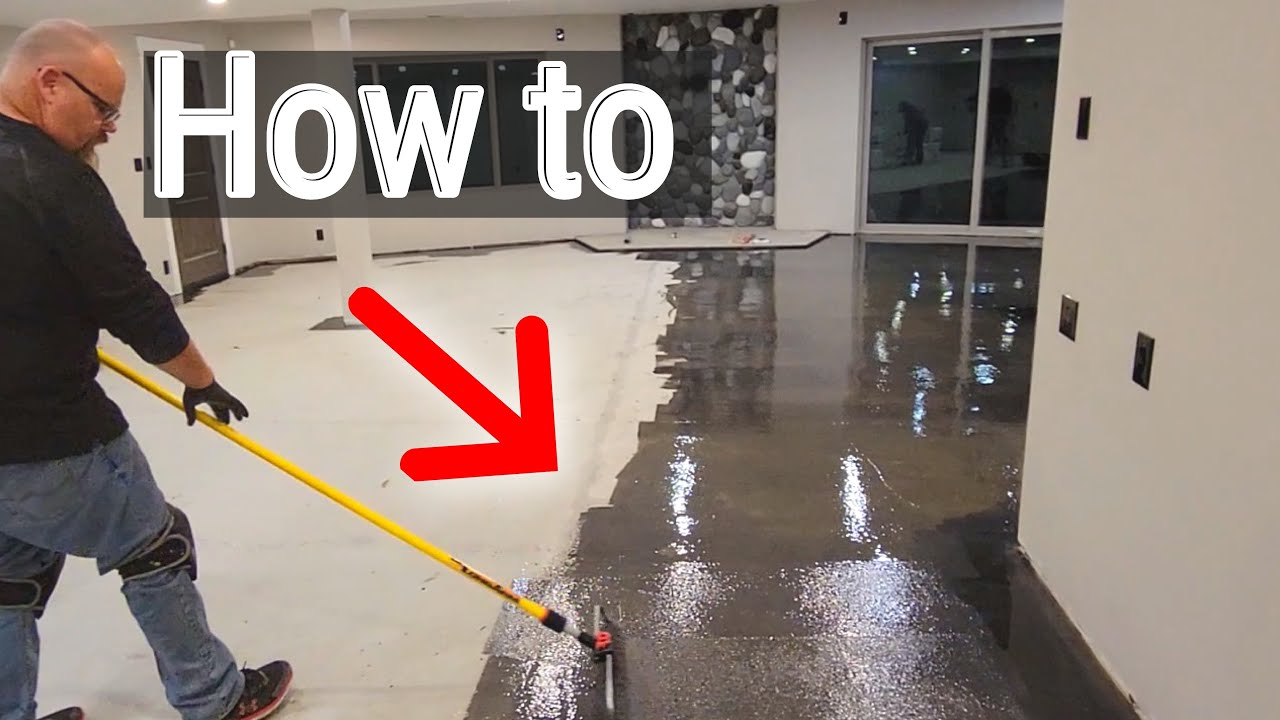
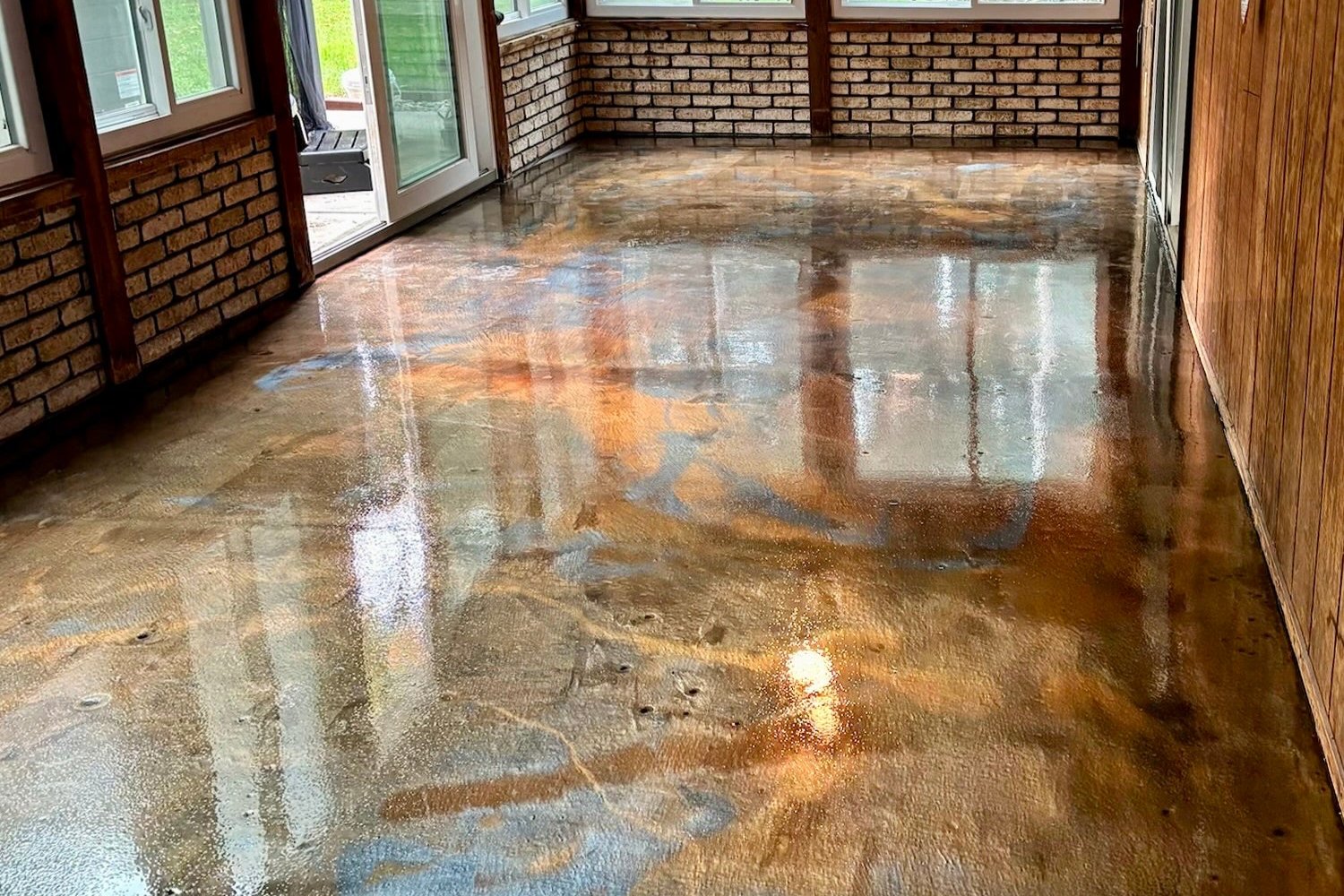
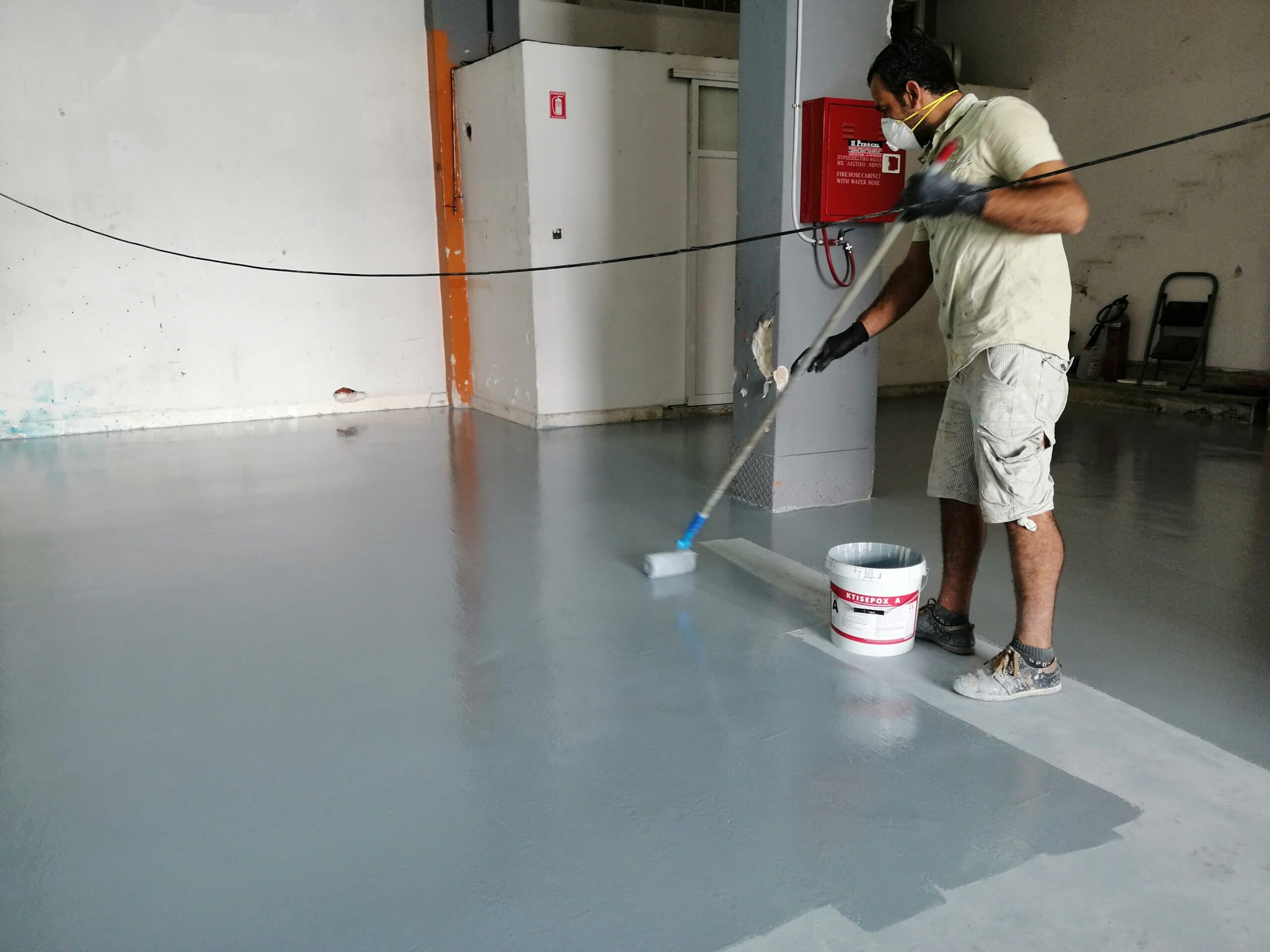
Mix the epoxy well. Pour it on the floor slowly. Use a roller to spread it. Cover the entire surface. Check for bubbles and smooth them out.
Spread the flakes while the epoxy is wet. Sprinkle them evenly. Use enough flakes for good coverage. Press them gently into the epoxy.
Prepare the top coat mixture. Pour it over the flakes. Use a clean roller to spread it. Ensure it covers all flakes. Let it dry completely before use.
Curing And Drying Process
After applying the epoxy, it’s important to let it cure. This means letting it dry and harden properly. Curing time usually takes a few days. The room should be warm and dry. This helps the epoxy to set correctly. Keep the area free of dust and dirt. This ensures a smooth finish. If the floor feels sticky, it needs more time. Don’t walk on the floor until it’s dry. This might take 72 hours. Be patient for the best results.
Common Mistakes To Avoid
Epoxy floors can be tricky. Not mixing the epoxy wellnot cleaning the surfaceUsing too much or too little hardener can cause problems. The floor might crack. Applying epoxy in cold weather is risky. It may not stick well. Rushing the process is a common error. Take your time for the best result. Ignoring safety gear can be dangerous. Always wear gloves and masks. Not following instructions can lead to failure. Read all steps carefully. Skipping the primer can cause peeling. A primer helps the epoxy stick.
Maintenance And Care
Regular cleaning keeps epoxy floors looking nice. Use a soft broom to remove dirt. Mopping with warm water works well. Avoid harsh chemicals; they can damage the floor. Spills should be cleaned quickly. This prevents stains. Use a plastic scraper for sticky spots. For tough stains, use a mild detergent.
Protect the floor from heavy objects. Use mats under furniture legs. This prevents scratches. Avoid dragging heavy items. Lift and move them instead. Place rugs in high traffic areas. This reduces wear and tear.
Inspect the floor regularly. Look for chips or cracks. Fix them quickly. Small repairs are easy to do. This keeps the floor strong. Regular checks ensure long-lasting beauty.
Frequently Asked Questions
What Is The Best Epoxy For Floors?
The best epoxy for floors is a high-quality, two-part epoxy resin. It offers durability and a glossy finish. Choose an epoxy specifically designed for floors to ensure longevity and resistance to wear. These formulations often include UV protection, making them ideal for both indoor and outdoor applications.
How Long Does Epoxy Flooring Last?
Epoxy flooring can last 10 to 20 years with proper maintenance. Its durability depends on the quality of the epoxy and the installation process. Regular cleaning and occasional reapplication of a topcoat can extend its lifespan. High-traffic areas may require more frequent touch-ups.
Can You Apply Epoxy Over Tile Floors?
Yes, you can apply epoxy over tile floors after proper preparation. Clean and sand the tiles to ensure the epoxy adheres well. Filling grout lines is crucial for a smooth finish. Epoxy can enhance the appearance and durability of tiled surfaces when applied correctly.
How Thick Should An Epoxy Floor Be?
An epoxy floor should be 2 to 3 millimeters thick for optimal durability. This thickness provides sufficient coverage and wear resistance. Thicker applications are recommended for industrial settings. Proper preparation and application ensure the epoxy bonds well with the substrate.
Conclusion
Epoxy floors offer durability and style. Anyone can apply them with patience. Start with cleaning the surface thoroughly. Mix the epoxy carefully. Apply it evenly using a roller. Let it dry completely. Follow safety tips during application. Enjoy the new look of your floors.
Maintain them with regular cleaning. A well-done epoxy floor lasts long. It adds value to your space. Consider trying epoxy for your next flooring project. Transform your floors with this straightforward method. Feel proud of your DIY effort. A new floor enhances any room’s appeal.