
Are you looking to transform your space with the elegance and durability of Luxury Vinyl Plank (LVP) flooring? Cutting LVP flooring might seem daunting at first, but with the right techniques, it’s a task you can master with ease.
Imagine the satisfaction of perfectly installed flooring that enhances the beauty of your home. In this guide, you’ll discover step-by-step methods to cut LVP flooring like a pro, ensuring you achieve a flawless finish without the stress. Whether you’re a DIY enthusiast or just starting out, you’ll find tips and tricks that make the process simple and enjoyable.
Get ready to unlock the secrets to cutting LVP flooring effortlessly and create a stunning look for your rooms. Keep reading to discover how you can turn your flooring project into a rewarding experience.
Tools Needed
Use a utility knife for clean cuts. A tape measure helps with accurate measurements. A straight edge ensures straight lines. A pencil marks where to cut. A square helps keep lines square. A jigsaw is useful for curves and corners. Use flooring spacers for even gaps. A rubber mallet can tap tiles into place.
Wear safety goggles to protect eyes. A dust mask is important for clean breathing. Use ear protection if tools are loud. Gloves keep hands safe from cuts. Knee pads help when working on floors.
Preparation Steps
First, use a tape measure. Measure the length and width of the room. Write down each measurement. Double-check your numbers to be sure. This helps you know how many floor planks you need.
Lay the plank on a flat surface. Use a pencil and a ruler. Draw a line where you want to cut. Make sure it’s straight and clear. This line guides you while cutting. Accuracy is important for a good fit.
Cutting Techniques
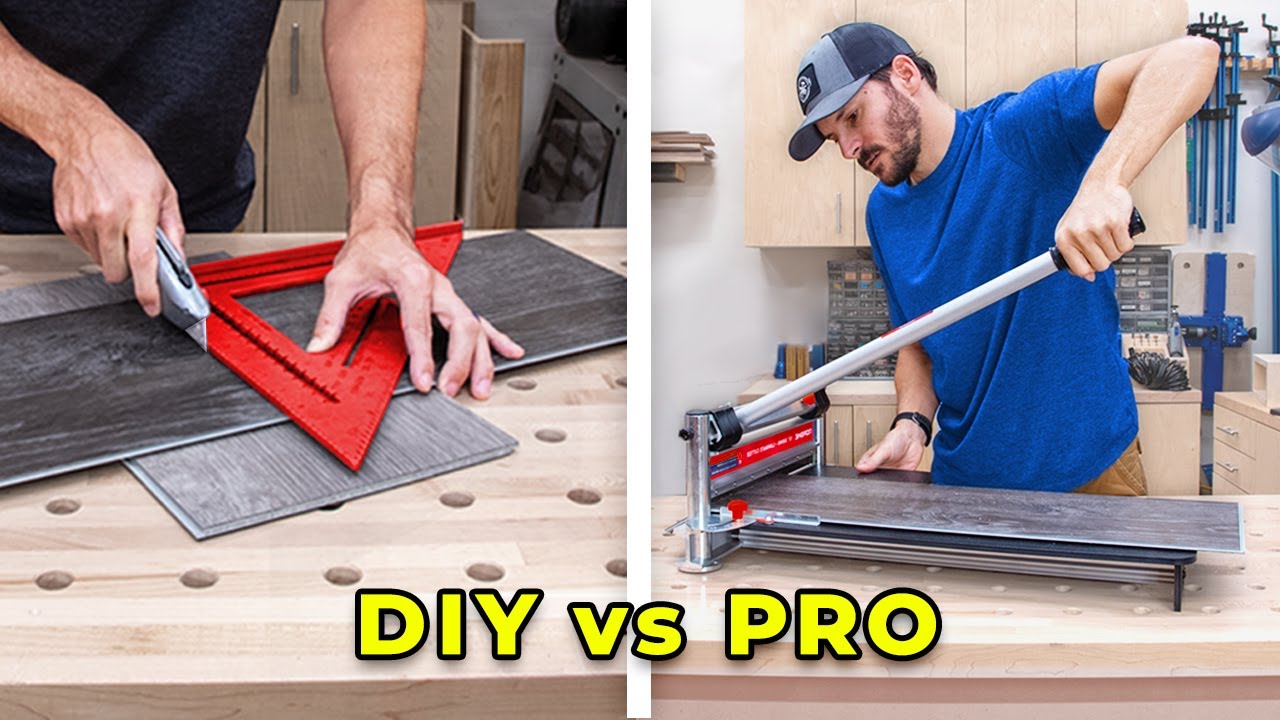
Use a utility knife for this method. Place the LVP on a flat surface. Draw a straight line where you want to cut. Score along the line with the knife. Apply even pressure. Bend the plank gently. It will snap along the scored line. This method is simple and clean.
A utility knife is handy for simple cuts. Hold the plank firmly. Make sure it does not move. Cut along your marked line. Use several passes to deepen the cut. Be careful with your fingers. Keep them away from the blade. This method is safe and easy.
For complex cuts, use a saw. A jigsaw works for curves. A miter saw helps with angles. Always secure the plank before cutting. Wear safety glasses. Saw blades move fast. Keep hands clear of the blade. Sawing gives a precise and smooth cut.
Handling Tricky Cuts
Cutting curved edges can be challenging. Use a flexible ruler for tracing. Follow the traced line with your utility knife. This ensures a precise cut. Take your time with curves. Rushing might cause mistakes. For intricate curves, use a jigsaw. It offers more control. Make sure to check your measurements twice. Mistakes can waste material. Practice on a scrap piece first. This helps build confidence. Be patient and steady. Curves need gentle handling.
Obstacles need special attention. Measure carefully around pipes and corners. Use a cardboard template for tricky shapes. This helps visualize cuts better. Cut slowly with a sharp tool. Protect the flooring from scratches. Use a soft cloth underneath. Double-check your cuts before placing. It’s easier to fix on paper. Ensure flooring fits snugly around obstacles. No gaps should be visible. This keeps the floor looking neat. Safety first; wear gloves to protect hands.
Finishing Touches
LVP flooring requires precise cutting for a seamless look. Use a sharp utility knife or vinyl cutter. Measure twice, cut once for accuracy.
Smoothing Edges
LVP flooring edges need care. Use a fine-grit sandpaper. This helps smooth rough spots. Be gentle when sanding. Avoid over-sanding. It can damage the floor. Clean edges with a damp cloth. This removes dust. Check the edges again. Ensure they are smooth. Smooth edges give a neat finish.
Ensuring Proper Fit
Check each plank’s fit before finishing. Planks should align properly. Look for gaps or uneven spots. Use a tape measure. Measure twice to be sure. Adjust planks as needed. A snug fit prevents movement. Proper fit enhances the floor’s look. Double-check fitting. This step ensures a perfect finish.
:max_bytes(150000):strip_icc()/easy-install-plank-vinyl-flooring-1822808-07-9e82b716c3e94264b4a6084e174e9aeb.jpg)
Common Mistakes
Choosing inappropriate tools often leads to poorly cut LVP flooring. Measuring inaccurately results in mismatched pieces and wasted material. Not allowing for expansion space can cause buckling, affecting floor longevity.
Avoiding Overcuts
Overcuts can waste your valuable material. Measure twice before cutting. Use a sharp blade for precise cuts. A dull blade can slip. Always mark your lines clearly. A pencil or marker works well. Keep your hand steady when cutting. This helps avoid mistakes. Practice on scrap pieces first. Gain confidence and skill this way.
Preventing Chipping
Chipping ruins the flooring edges. Use the right tools to prevent this. A fine-tooth blade is best. Cut slowly and carefully. Fast cuts cause more chips. Support the plank while cutting. This keeps it steady. A smooth cut reduces chipping. Clean your blade often. Dust and debris can cause issues. Protect your flooring with patience and care.
Maintenance Tips
After cutting LVP flooring, dust and debris are common. A vacuum or broom can help remove these. Gently vacuum the area to avoid scratching. Use a soft brush if needed. Water and mild soap work well for cleaning. Avoid harsh chemicals. They can damage the floor.
Regular care keeps LVP floors looking new. Use mats at entrances to trap dirt. Clean spills quickly with a soft cloth. Avoid dragging heavy furniture on the floor. Use felt pads under furniture legs. These steps prevent scratches and wear.


Frequently Asked Questions
What Tools Do I Need To Cut Lvp Flooring?
To cut LVP flooring, you’ll need a utility knife, a straight edge, and a tape measure. For intricate cuts, consider using a jigsaw or a miter saw. Ensure all tools are sharp and in good condition to achieve clean, precise cuts.
Can I Cut Lvp Flooring With A Utility Knife?
Yes, you can cut LVP flooring with a utility knife. Score the plank several times using a straight edge, then snap it along the scored line. This method works well for straight cuts and ensures a clean finish.
How Do I Measure For Cuts In Lvp Flooring?
Start by measuring the space where the plank will fit. Use a tape measure for accuracy. Mark the cutting line on the plank with a pencil, ensuring it matches your measurements. Double-check your measurements before cutting to avoid mistakes.
Is A Miter Saw Necessary For Cutting Lvp?
A miter saw is not necessary but useful for precise, angled cuts. It can save time and provide professional results, especially for complex layouts. For straight cuts, a utility knife is often sufficient.
Conclusion
Cutting LVP flooring is simple with the right tools. Follow the steps carefully. Measure twice to avoid mistakes. Use a sharp utility knife for clean cuts. Make sure the floor is clean before starting. Take your time and work safely.
Practice makes perfect, so don’t rush. With patience, you’ll get great results. Enjoy your new flooring! Remember, proper installation adds value to your home. Happy flooring project!