
Are your beautiful wood floors looking a bit dull and lifeless? You might be surprised to learn that a common household item can bring back their shine.
Vinegar, often found in your kitchen, is not just for cooking—it’s a secret weapon for cleaning. Imagine transforming your floors with a simple, natural solution that’s both effective and gentle. By using vinegar, you can achieve clean, gleaming wood floors without the harsh chemicals that can damage them over time.
Ready to discover how you can revitalize your home with this easy method? Keep reading to find out exactly how vinegar can be your best ally in floor care and maintenance.

Benefits Of Vinegar For Wood Floors
Vinegar is a natural cleaner. It is gentle on wood floors. Vinegar can remove dirt without harming the wood. Vinegar helps kill germs too. It is safe for kids and pets. Vinegar makes floors shine and look nice. Using vinegar saves money. It’s cheaper than store cleaners. Vinegar is eco-friendly. It doesn’t hurt the planet. It also helps remove bad smells. Vinegar is easy to find. Most homes have it already. It mixes well with water. This makes cleaning simple. Vinegar reduces the need for harsh chemicals. People with allergies can use it. It’s gentle on skin. Vinegar is versatile. It can clean many things. It helps keep your home fresh. Vinegar protects wood over time. It helps the floor last longer. Many people use it. They trust its power. Vinegar is a great choice for clean wood floors.

Preparation Before Cleaning
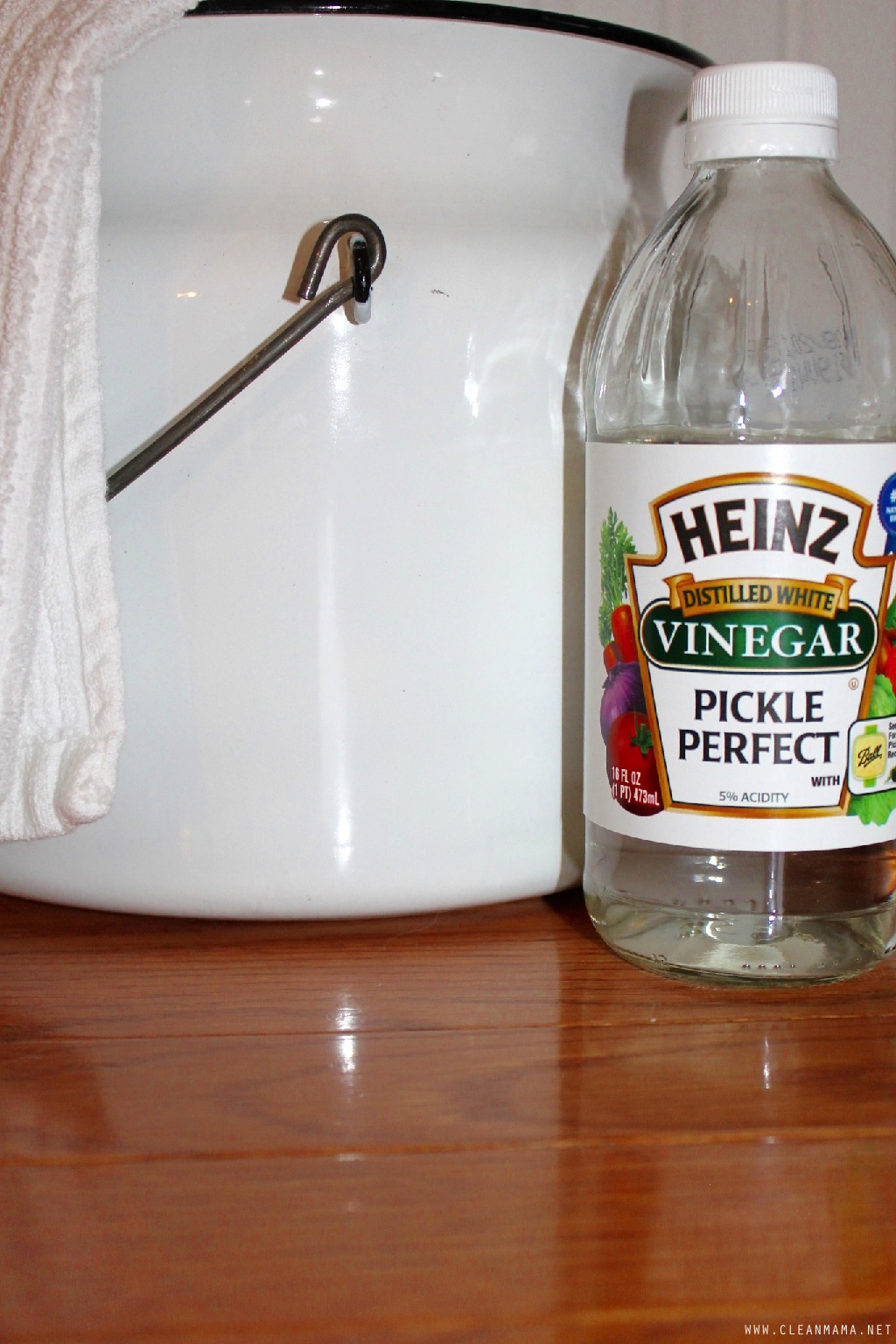
First, gather all needed supplies. You will need a soft broom. A vacuum with a soft brush attachment is useful. Get a mop or a microfiber cloth. Ensure you have a bucket. Vinegar and warm water are essential. Find some clean towels. These will help dry the floor. Make sure to have everything nearby. This makes cleaning easier.
Check what type of wood floor you have. Some floors are sealed. Others might be unfinished. Using vinegar is safe for sealed floors. Unfinished wood might need special care. Always test vinegar on a small spot first. This helps avoid damage. Knowing your floor type is important. It helps in choosing the right method.
Mixing Vinegar Solution
Start with the right vinegar and water ratio. Use one cup of vinegar for every two gallons of water. This ratio keeps the wood safe from damage. Too much vinegar can harm the wood.
Add a few drops of essential oils for a fresh smell. Lavender and lemon are good choices. Mix well before using. The oils help make the floor smell nice without strong chemicals.
Step-by-step Cleaning Process
Always start by removing dust. Use a soft broom or a dry mop. Dust particles can scratch the wood. Sweep the floor thoroughly. Make sure to reach corners and edges. This prevents dirt buildup.
Mix one cup of vinegar with one gallon of water. Dip a mop into the solution. Wring out the mop well. The mop should be damp, not wet. Mop the floor gently. Avoid soaking the wood. This keeps the wood safe.
Use a clean, dry cloth. Wipe the floor after mopping. Drying prevents water damage. Make sure all areas are dry. Check corners and edges. This keeps the floor shiny.
Avoiding Common Mistakes
Vinegar is great for cleaning wood floors. But, using too much can harm. Vinegar is acidic. Too much can damage the wood finish. It is best to use a diluted vinegar solution. Mix one cup of vinegar with one gallon of water. This keeps the floor safe. Always test on a small spot first. This checks if the solution is safe for your floor.
Wood floors hate water. Too much water can warp the wood. Use a damp mop. Not a wet one. Wring it out well before using. This keeps the floor dry. Dry the floor quickly after cleaning. Use a towel or dry mop. This prevents water from staying on the wood. Your floor will thank you!

Maintaining Wood Floors
Keeping wood floors clean is important. Sweep the floors daily to remove dirt. Use a soft broom to avoid scratches. A vacuum can also help. Choose one with a soft brush. Make sure it is gentle on the floor. Mopping should be done weekly. Use a damp mop, not a wet one. Too much water can harm wood. Add a little vinegar to the water. It helps in cleaning and is gentle on wood.
Protecting wood floors keeps them looking new. Place rugs at entryways. They catch dirt and moisture. Use felt pads under furniture. This stops scratches when moving them. Avoid walking in high heels on wood floors. They can dent the surface. Keep pet nails trimmed short. This prevents scratches on the floor. Regular care keeps wood floors in great shape.
Frequently Asked Questions
Is Vinegar Safe For Wood Floor Cleaning?
Yes, vinegar is safe for cleaning wood floors. It is a natural cleaner that removes dirt and grime without harsh chemicals. Dilute vinegar with water to avoid damaging the wood finish. Using a soft cloth or mop ensures gentle cleaning and preserves the floor’s shine.
How Often Should I Clean Wood Floors With Vinegar?
Clean your wood floors with vinegar once a week for best results. Regular cleaning prevents dirt buildup and maintains the floor’s natural beauty. This routine keeps your floors looking pristine and extends their lifespan. Adjust frequency based on foot traffic and household activity.
Can Vinegar Damage Wood Floor Finish?
Undiluted vinegar can damage wood floor finish over time. Always mix vinegar with water before cleaning to protect the surface. This dilution prevents any potential harm while effectively cleaning. Test a small area first to ensure the solution is suitable for your floors.
What Vinegar Type Is Best For Cleaning?
White vinegar is ideal for cleaning wood floors. Its acidity effectively cuts through grime without leaving residue. Avoid using flavored or colored vinegar as they can stain or damage the surface. White vinegar is widely available and affordable for regular cleaning use.
Conclusion
Cleaning wood floors with vinegar is simple and effective. Vinegar keeps floors shining and clean. It’s safe for most wood types. Just mix vinegar with warm water. Mop gently and let it dry. This method is budget-friendly and eco-friendly. It avoids harsh chemicals.
Regular cleaning prevents damage over time. Your floors will look great and last longer. Always test a small area first. Ensure no damage occurs. Enjoy a clean, fresh home with beautiful floors. Remember, a little care goes a long way.
Keep those floors sparkling with ease!