
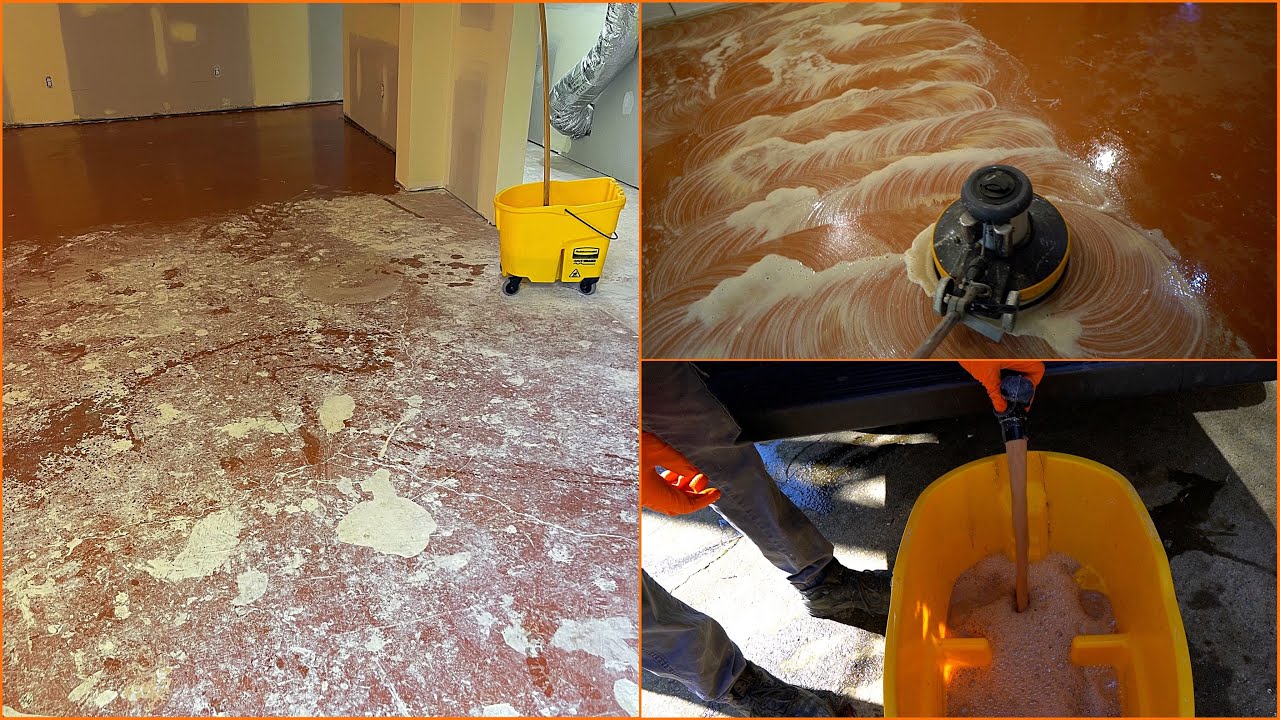

Are you tired of looking at the dirt and grime on your cement basement floor? You’re not alone.
Many homeowners struggle with maintaining the cleanliness of their basement floors. But what if you could transform that dull, stained surface into something clean and inviting? Imagine walking downstairs and feeling proud of your spotless, fresh-smelling basement. In this guide, we’ll reveal simple and effective steps to help you achieve just that.
Get ready to discover the secrets that will make cleaning your cement basement floor a breeze, leaving you with a space that feels brand new. Keep reading to find out how you can make this transformation happen today!
Preparation For Cleaning
First, move all items from the basement floor. This will make cleaning easier. Remove furniture, boxes, and any other objects. You need a clear space to work.
Next, gather the necessary supplies. You will need a broom, mop, and bucket. A scrubbing brush and cleaning solution are also important. These items will help you clean the floor well.
Always wear protective gear before starting. Gloves will keep your hands safe. Goggles protect your eyes from dust. A mask can help you avoid breathing in dirt. Safety is very important.
Initial Dry Cleaning
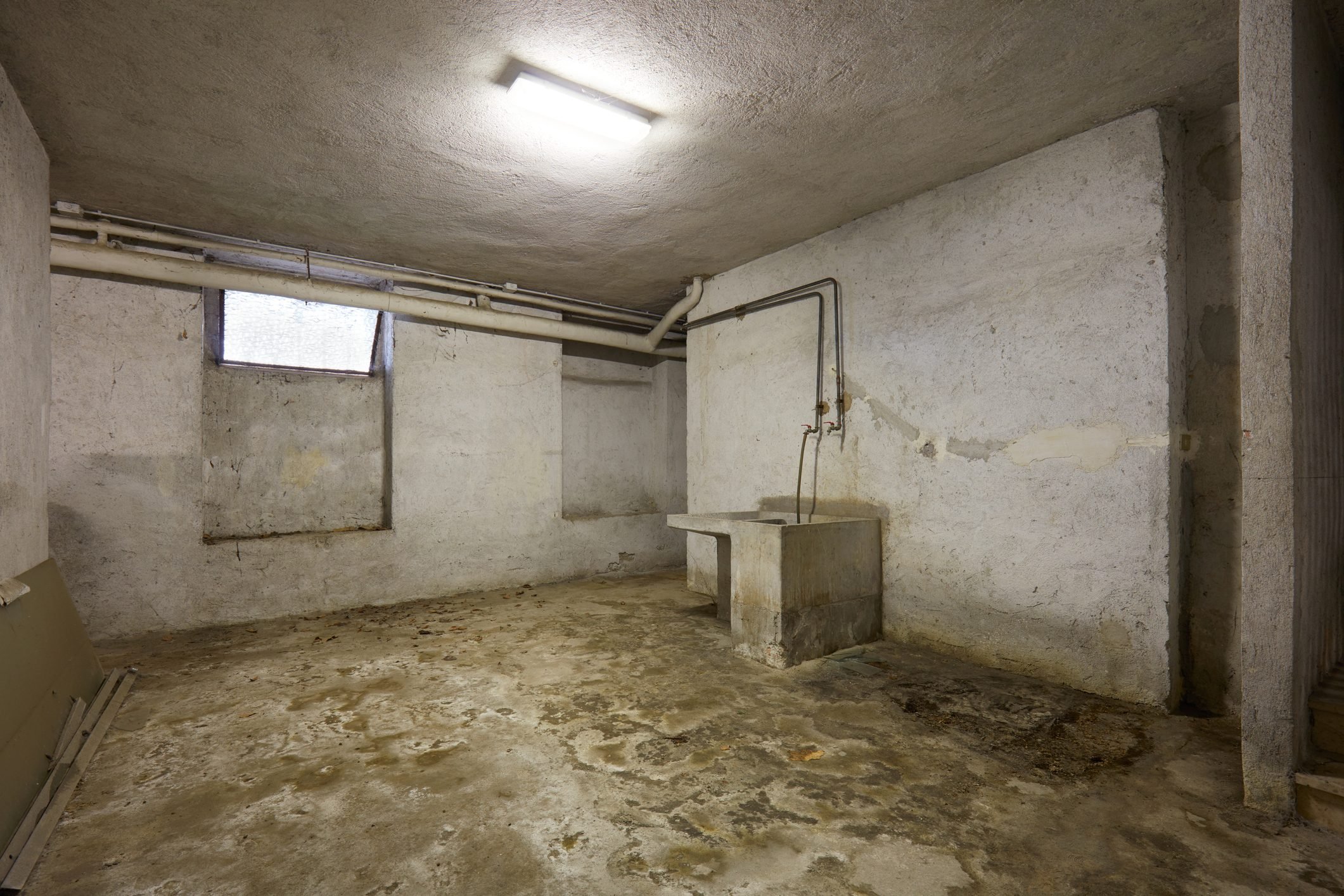
Start by using a broom to sweep the basement floor. Remove all the dust and dirt you see. Make sure to reach into corners and edges. This helps keep the floor neat and ready for deep cleaning. Sweeping also prevents dirt from sticking when wet. Use a dustpan to collect the swept dirt. This keeps the floor tidy. Repeat sweeping if the floor is very dusty. A clean floor is easy to manage.
Use a vacuum cleaner to pick up small dirt pieces. Vacuuming helps remove fine dust and debris. Choose a vacuum with a brush attachment for best results. This helps get into cracks and uneven areas. Move the vacuum slowly for better cleaning. Focus on areas with more dust. A good vacuum keeps the floor clean. This makes the next cleaning steps easier.
Tackling Stains
Basement floors can have different stains. Oil, rust, and grease are common. Identifying the stain type is key. Each stain needs a special method. Use the right way for each one.
For oil and grease, use dish soap. First, blot up excess oil. Apply soap directly to the stain. Scrub with a brush. Rinse with warm water. Repeat until the stain is gone.
Rust can be tricky. Use lemon juice and salt. Sprinkle salt on the stain. Squeeze lemon juice over it. Let it sit for 30 minutes. Scrub with a brush. Rinse with water. Check if the stain is gone.

Deep Cleaning Process
First, create a cleaning solution. Use warm water and mild soap. Mix them in a bucket. Ensure the soap dissolves well. This step is crucial for effective cleaning. Use gloves for safety. Avoid harsh chemicals to protect the floor.
Use a stiff brush. Scrub the floor gently. Focus on stained areas. Scrubbing removes dirt and grime. Work in small sections. This ensures thorough cleaning. Use circular motions for best results.
Rinse the floor with clean water. Use a mop or sponge. Remove all soap residues. This prevents slippery surfaces. Ensure the floor is dry after rinsing. Ventilate the area to speed up drying. Proper rinsing keeps the floor looking fresh.
Drying The Floor
First, gather some clean towels or mops. Make sure they are dry. Place them on the wet areas of the floor. Press down firmly to absorb water. Repeat until most of the water is gone. Use as many towels or mops as needed. Change them if they become too wet.
Open windows to let fresh air in. This will help dry the floor faster. Use a fan to move air around. Point it at the wet spots. The air helps water evaporate. Keep the fan on until the floor is dry. This step prevents mold and musty smells.
Sealing The Floor
Choose an appropriate sealer for your cement floor. Pick a water-based sealer for less smell. Solvent-based sealers last longer but smell more. Make sure the floor is dry before sealing.
Apply the sealer evenly using a paint roller. Start at one corner and move across the floor. Ensure every part of the floor gets covered. Use a brush for the edges and corners. Let the sealer dry for several hours.
Check the floor for any missed spots. Apply a second coat if needed. This makes the floor strong and shiny. Sealing protects the floor from water and stains.
Maintenance Tips
Keep your cement floor clean by sweeping often. Use a broom with stiff bristles. This helps remove dust and dirt. Regular sweeping prevents stains from forming. It also keeps the floor looking nice. Sweep at least once a week.
Spills can happen anytime. Clean spills quickly to avoid stains. Use a damp cloth to wipe them away. If a stain is tough, use a gentle cleaner. Avoid harsh chemicals. They can damage the floor. Treating stains immediately keeps your floor clean and bright.
Deep clean the floor every few months. Use a mild detergent and warm water. Scrub the floor with a soft brush. Rinse with clean water to remove soap. Let the floor dry completely. Deep cleaning keeps the floor fresh and free of grime.
Frequently Asked Questions
What Tools Do I Need For Cleaning?
For cleaning a cement basement floor, you’ll need a broom, mop, bucket, and a scrub brush. Use a degreaser or mild detergent for tough stains. Protective gloves and goggles are recommended for safety. A wet-dry vacuum can help remove excess water after scrubbing the floor.
How Often Should I Clean My Basement Floor?
Clean your cement basement floor at least twice a year. Regular cleaning prevents mold and mildew growth. For high-traffic areas, monthly cleaning is ideal. Inspect for stains or spills frequently. A clean floor helps maintain indoor air quality and prolongs the life of the concrete.
Can Vinegar Damage Cement Floors?
Vinegar is safe for cement floors when diluted with water. It removes stains and deodorizes effectively. Avoid using undiluted vinegar as it may harm the floor’s sealant. Always rinse the area with water after cleaning. A pH-neutral cleaner is preferable for regular maintenance.
How To Remove Oil Stains From Cement?
Use a degreaser or baking soda paste to remove oil stains. Scrub the area with a stiff brush. Allow the cleaner to sit for 15 minutes, then rinse with water. Repeat if necessary for stubborn stains. Regular cleaning prevents oil buildup and preserves the floor’s appearance.
Conclusion
Cleaning a cement basement floor can be simple. Regular maintenance keeps it fresh. Use the right tools for best results. Sweep away dirt first. Scrub with soap and water. Rinse thoroughly to remove soap residue. Dry the floor completely to prevent mold.
Remember, consistent cleaning helps maintain its look. Enjoy a clean and tidy basement. A clean floor improves home safety. You feel better in a clean space. Follow these steps for a cleaner basement. Your cement floor will thank you. Happy cleaning!