
Are you planning a new construction project or considering a property investment? Understanding how to calculate Floor Area Ratio (FAR) can be crucial.
This simple yet powerful metric helps you determine how much floor space you can build on a plot of land. Whether you’re a homeowner dreaming of an extension or a developer aiming for a profitable venture, knowing your FAR can save you time and money.
It can also unlock creative possibilities you might not have considered. By mastering this calculation, you ensure your plans align with local regulations, maximizing your property’s potential. Ready to dive into the details and make informed decisions for your next project? Keep reading, and you’ll discover how easy it is to harness this essential tool.
Understanding Floor Area Ratio (far)
Floor Area Ratio, or FAR, measures building size. It compares building area to land size. FAR helps plan city spaces. Builders use it for zoning rules. A high FAR means tall buildings. A low FAR means short buildings. It’s important for urban planning. City leaders use FAR to control crowding. It keeps cities balanced. It helps with open space planning. FAR is key for city growth.
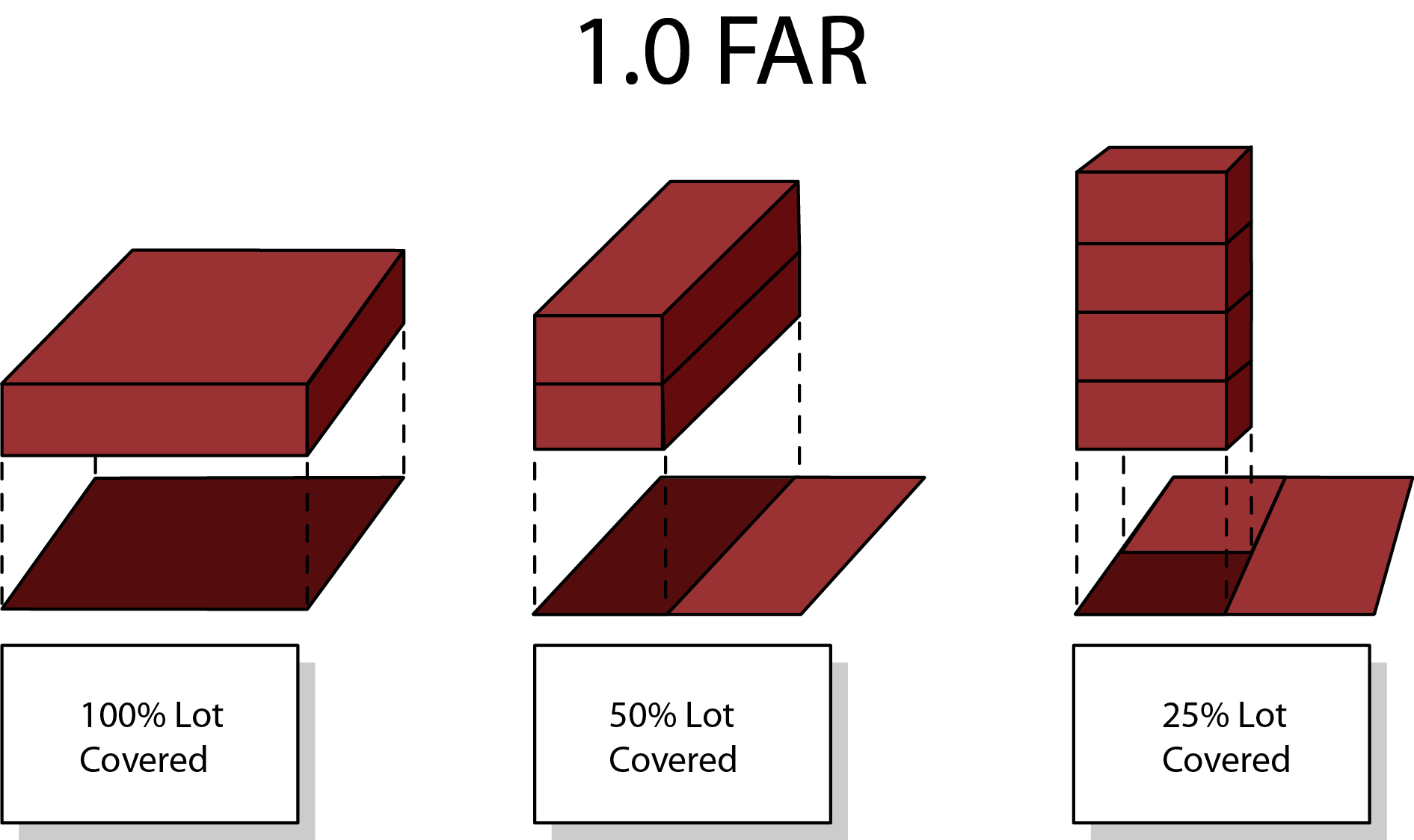
FAR calculation is simple. Divide building area by land area. Use square feet for measurement. A ratio of 1 means equal size. A ratio of 2 means double building size. Knowing FAR helps in buying land. It guides in building design. It impacts property value. It’s crucial in real estate decisions.
Components Of Far
The lot area is the total land space. It includes the space for your house and yard. Every piece of land has a different size. The size is usually measured in square feet or meters. Understanding your lot area helps in planning building projects. It tells how much space you have to build on. It is important for calculating the Floor Area Ratio.
The building floor area is the total space of all floors. It includes rooms, hallways, and closets. Not all spaces are counted. Sometimes garages and basements are not included. The measurement is taken in square feet or meters. Knowing this helps in planning how much you can build. It is a key part of the Floor Area Ratio calculation.
Why Far Matters
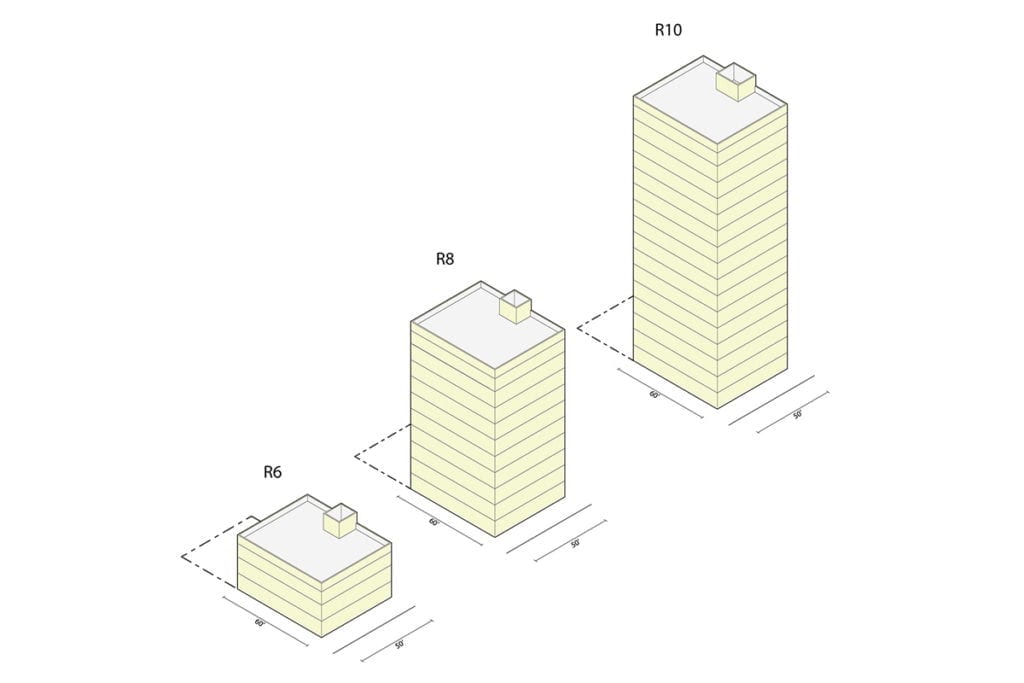
Floor Area Ratio (FAR) helps city planners. It shows how much space a building can use. High FAR means taller buildings. This allows more people to live in a small area. Cities can grow up instead of out. This helps save green spaces. It also makes public transport more useful. With careful planning, FAR can make cities better places to live.
Property value often links to FAR. Buildings with higher FAR can make more money. They can have more homes or offices. This increases income from rent. But, high FAR can also mean more noise and crowding. Buyers may pay more for places with good FAR. It’s important to balance FAR with comfort and space.
Gathering Necessary Data
To find the lot dimensions, measure the length and width of the property. Use a tape measure for accurate results. Note down each measurement carefully. Double-check measurements to avoid errors. Multiply length by width to get the total lot area. This is a crucial step for calculations.
Identify all floors in the building. Measure the size of each floor separately. Add up the measurements to find the total floor space. Check each floor for accurate numbers. Don’t forget to include basement and attic, if applicable. This total is essential for the final calculation.
Step-by-step Calculation Process
The Floor Area Ratio or FAR is a simple concept. It helps to find out how much building you can put on a piece of land. The formula is easy: FAR = Total Building Area / Total Land Area. To use this formula, you need two numbers. First, find the total area of the building. This includes all floors. Next, find the area of the land.
Now you can use the formula. Divide the building area by the land area. This will give you the FAR. A higher FAR means more building space. A lower FAR means less building space. Always check local rules for allowed FAR limits. This is important for planning your building projects.
Common Mistakes To Avoid
Calculating Floor Area Ratio involves common mistakes like ignoring non-buildable areas and misjudging allowable density. Accurate measurements and local zoning rules are vital.
Ignoring Exclusions
Ignoring exclusions can lead to wrong floor area calculations. Some areas like balconies and basements might not count. Always check which parts of the building are excluded. This helps in getting the correct floor area ratio. Misunderstanding these exclusions can lead to legal issues.
Misinterpreting Zoning Laws
Zoning laws are rules that guide building sizes. Misreading these laws can cause problems. Each zone has its own rules. These rules tell how tall or wide a building can be. They also tell where buildings can be placed. Always check the local zoning laws before planning. Mistakes can be costly.
Far Regulations And Compliance
Local zoning laws often guide how buildings are made. These laws tell us how much space a building can use. They help keep areas safe and tidy. Builders must follow these rules. They can’t just build anything they want. Sometimes, laws change over time. This means builders need to stay updated. If they don’t, they might face problems. It’s like playing a game with rules. Everyone needs to know the rules to play well. This keeps everything fair and balanced.
Adapting to changes in zoning can be tricky. Builders need to be quick. They must learn new rules fast. This helps them build things right. If rules change, they must change plans too. It’s important to be flexible. Being flexible helps solve problems. Builders who adapt well succeed. They can make good buildings. Staying informed is key for success.
Tools And Resources
Online calculators make it easy to find the Floor Area Ratio (FAR). Enter the total building area. Then, enter the total land area. The calculator does the math. It’s fast and simple. Many websites offer these tools. Make sure to use a reliable site. Check reviews before using one. This helps you get accurate results.
Sometimes, talking to a professional is best. Architects and engineers know FAR well. They can help explain the numbers. You may need to pay a fee. But it’s often worth it. They provide expert advice. This helps avoid mistakes. You get peace of mind. Always ask questions if unsure.
Frequently Asked Questions
What Is Floor Area Ratio?
Floor Area Ratio (FAR) is a zoning metric. It compares building floor area to the land size. A higher FAR indicates a denser development. It helps manage urban density and design. FAR regulations vary by location, affecting development potential.
How To Calculate Far?
To calculate FAR, divide the total building floor area by the land area. For example, a 10,000 sq ft building on 5,000 sq ft land has a FAR of 2. This calculation helps in understanding development density and zoning compliance.
Why Is Far Important In Urban Planning?
FAR is crucial for controlling urban density. It influences building height and land utilization. High FAR can mean more efficient land use. It helps planners manage infrastructure demands and maintain livable environments. FAR regulations guide sustainable city growth.
What Factors Affect Far Limits?
FAR limits depend on zoning regulations, land use, and environmental concerns. Local government policies often determine these limits. Factors include infrastructure capacity, neighborhood character, and urban growth strategies. FAR limits ensure balanced development and resource management.
Conclusion
Understanding Floor Area Ratio is crucial for planning projects. It guides development and ensures efficient land use. Calculating Floor Area Ratio involves simple math. Just divide building area by land area. This ratio influences building size and density. Always check local regulations for accurate data.
Knowing Floor Area Ratio helps make smart design decisions. It balances space needs with zoning laws. Architects, planners, and developers use this ratio daily. It shapes cities and communities. Accurate calculations lead to successful projects. A vital tool for sustainable development.