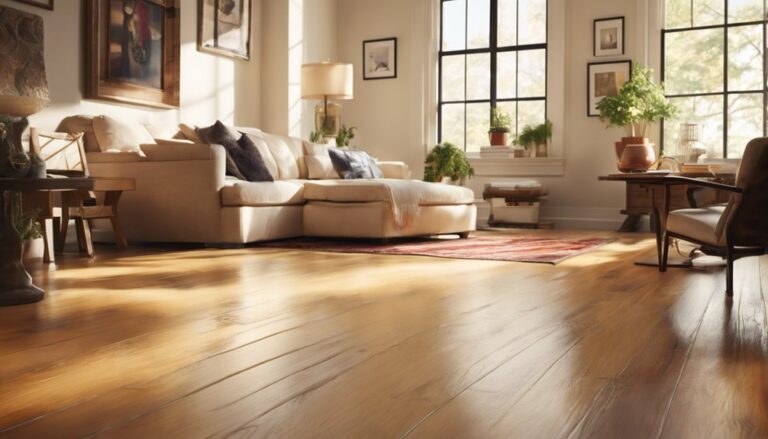

Imagine walking into a room where the wood floors shine with elegance, reflecting the natural beauty of your home. You know that maintaining this luster is not just about aesthetics; it’s also about preserving the value and longevity of your flooring.
But how do you achieve that flawless look without spending a fortune on professional services? The secret lies in learning how to buff your wood floors effectively. This article will guide you through simple, step-by-step techniques that empower you to bring out the best in your floors.
You’ll discover how to transform dull and worn surfaces into stunning showpieces that make every visitor take notice. By the end, you’ll not only save money but also gain the satisfaction of knowing you can handle this task with ease. Ready to uncover the secrets to beautiful wood floors? Let’s dive right in!
Benefits Of Buffing Wood Floors
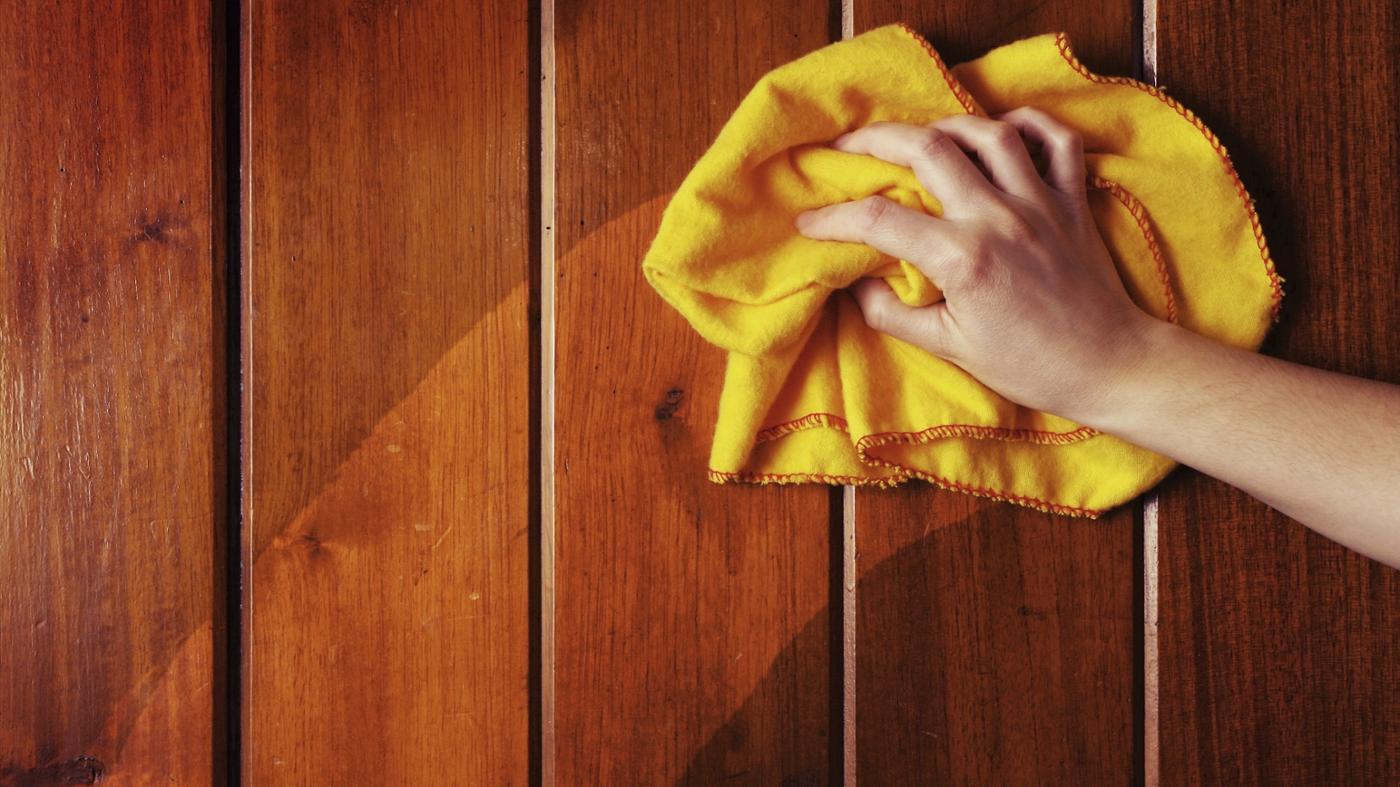
Buffing makes wood floors look new and shiny. It helps remove small scratches and marks. This process can make floors last longer. Buffing is a simple way to care for wood floors. It is also a cost-effective method. Buffed floors are easy to clean. Dust and dirt do not stick easily. This makes the house look cleaner.
Buffing can also improve safety. Smooth floors mean fewer chances to trip. It is important to use the right tools. This ensures the best results. Buffing is a great choice for both old and new floors. It is an easy task to learn. Many people can do it themselves.
Tools And Materials Needed
A buffing machine is key to buffing wood floors. Safety glasses are needed to protect your eyes. Dust masks help you breathe clean air. Knee pads keep your knees safe. Gather these tools before starting.
Choose the right pad for your floor. Soft pads are good for gentle buffing. Hard pads work for tough spots. Different pads do different jobs. Make sure you pick wisely.
Pick the correct polish for your wood type. Some polishes are for light wood. Others work for dark wood. Read labels carefully. Safe polish keeps floors shiny and clean. It also prevents damage.
Preparing The Floor
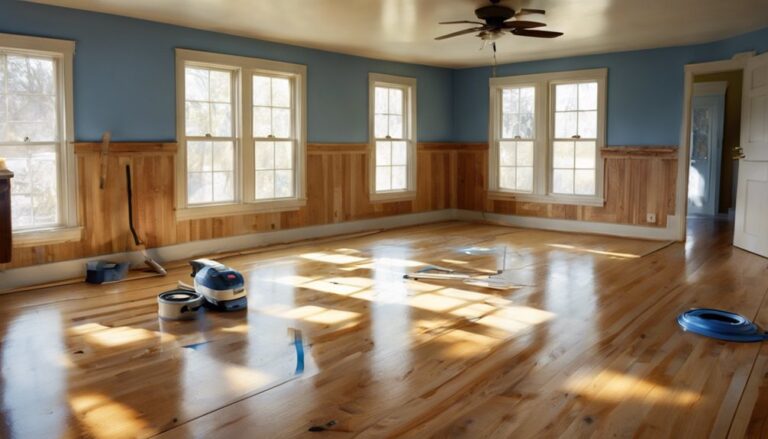
Start by moving all the furniture and rugs. Make sure the floor is empty. This helps in cleaning and buffing. You can ask someone to help you move heavy items. Be careful not to scratch the floor. If needed, use furniture pads.
Use a broom or vacuum to remove dirt and dust. Make sure you reach every corner. A clean surface helps in better buffing. For sticky spots, use a damp mop. Dry the floor with a clean cloth. Don’t leave any water spots.
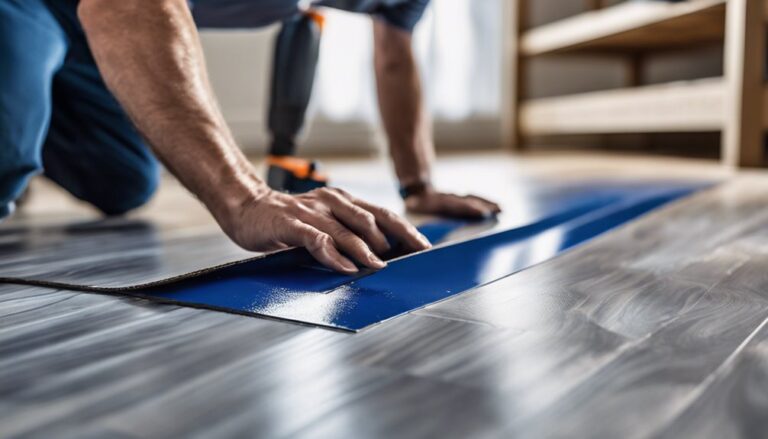
Look closely for any scratches or dents. Small damages can be fixed before buffing. Use wood filler for deep scratches. Sand the area lightly if needed. This ensures the floor looks good after buffing. Check for loose floorboards too.
Buffing Techniques
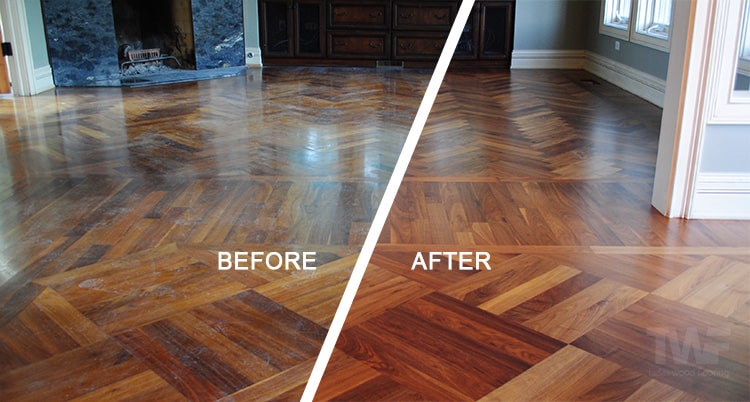
Manual buffing is a simple way to make floors shine. Use a soft cloth or pad for this method. Rub the floor gently in small circles. This helps in removing light scratches. It also brings back the floor’s shine. Always clean the floor before you start. This ensures better results. Work on one section at a time. This gives you more control.
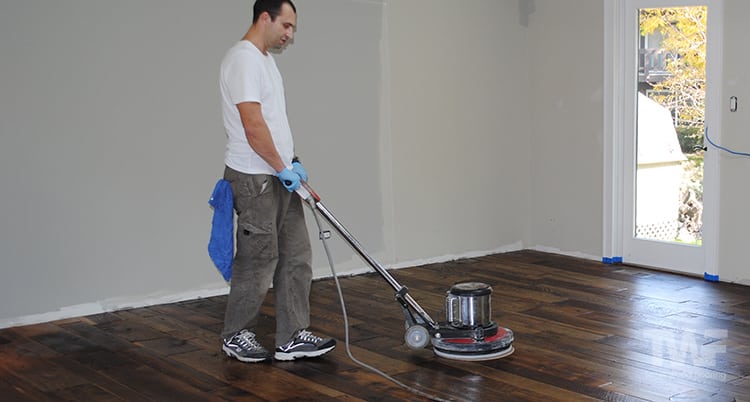
A floor buffer saves time on large areas. It is a machine with a big pad at the bottom. Move the buffer slowly and evenly. Keep your hands steady to avoid uneven spots. Start from the far corner of the room. This helps in covering the whole floor. Always follow the grain of the wood. This prevents damage and scratches.
Always use the right pad for your floor type. Make sure the pad is clean. This prevents dirt from scratching the floor. Use even pressure while buffing. Do not press too hard. This can cause damage. Work in small sections. This ensures a uniform look. Remember to change pads when they get dirty.
Applying Wood Floor Polish
Use a clean mop for the polish. Start at one corner of the room. Move towards the door. Apply polish evenly across the wood. This helps in a smooth finish. Don’t pour too much polish at once. Less is often better. Spread it well for best results.
Let the floor dry fully. It might take a few hours. Avoid walking on the wet floor. Check the polish instructions. They give the right drying time. Proper drying ensures a nice shine.
Don’t use too much water on wood floors. Water can damage the wood. Avoid using harsh chemicals. These can hurt the polish. Stick to recommended products for best care. Always follow the instructions on the polish bottle.
Maintaining Buffed Floors
Sweep the floors often to remove dirt. Use a soft broom for the best results. Vacuum with a hard floor setting to avoid scratches. Mop once a week with a damp cloth. Avoid using too much water. It can damage wood.
Place rugs at entrances to catch dirt. Use felt pads under furniture legs. They prevent scratches. Avoid high heels on the floor. They can cause dents. Keep pet nails trimmed to protect the wood.
Notice dull spots on the floor? It might be time to rebuff. Check for scratches or marks. If you see many, buffing may be needed. Rebuff every few years for a fresh look. This keeps the floor shiny and new.

Frequently Asked Questions
How Often Should You Buff Wood Floors?
Buff wood floors every 3-6 months to maintain their shine and durability. Regular buffing helps remove minor scratches and revives the floor’s finish. Adjust the frequency based on foot traffic and wear.
What Tools Do I Need To Buff Wood Floors?
You’ll need a floor buffer, buffing pads, and a mild cleaning solution. The floor buffer helps to evenly distribute the pressure. Use buffing pads for polishing, and the cleaning solution removes dirt and grime.
Can I Buff Wood Floors Myself?
Yes, you can buff wood floors yourself with the right tools and techniques. Ensure you follow instructions carefully and work in sections. This helps avoid uneven spots and ensures a consistent finish.
What Is The Best Time To Buff Wood Floors?
Buff wood floors when they start looking dull or scratched. Choose a time when foot traffic is minimal. This allows the floors to dry and settle, ensuring a long-lasting shine.
Conclusion
Buffing wood floors brings shine and life back to your space. Regular care keeps them beautiful for years. Clean floors help prevent damage. Use the right tools for best results. Soft cloths and gentle cleaners work well. Pay attention to floor type.
Different wood needs different care. Practice makes perfect in floor maintenance. Take your time, and enjoy the process. Shiny floors add charm to any room. Beautiful floors always make a home inviting. Keep up the routine, and your floors will thank you.
Happy buffing!