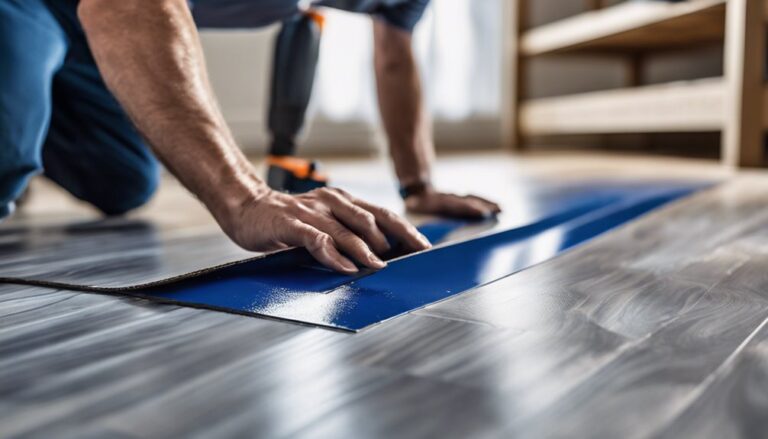

Imagine stepping into your living room, feeling the smooth and solid texture beneath your feet. You’re probably wondering, how thick is vinyl plank flooring?
This question is more than just a curiosity—it’s a key factor in how your flooring looks, feels, and performs over time. Whether you’re upgrading your home or picking out flooring for your new space, understanding the thickness of vinyl plank flooring can make all the difference.
It affects durability, comfort, and even insulation. Dive into this article to discover why the thickness matters, how it influences your choices, and what you should consider before making a purchase. Unlock the secrets behind choosing the perfect vinyl plank flooring for your home and transform your space with confidence. Keep reading to learn everything you need to know!
Types Of Vinyl Plank Flooring
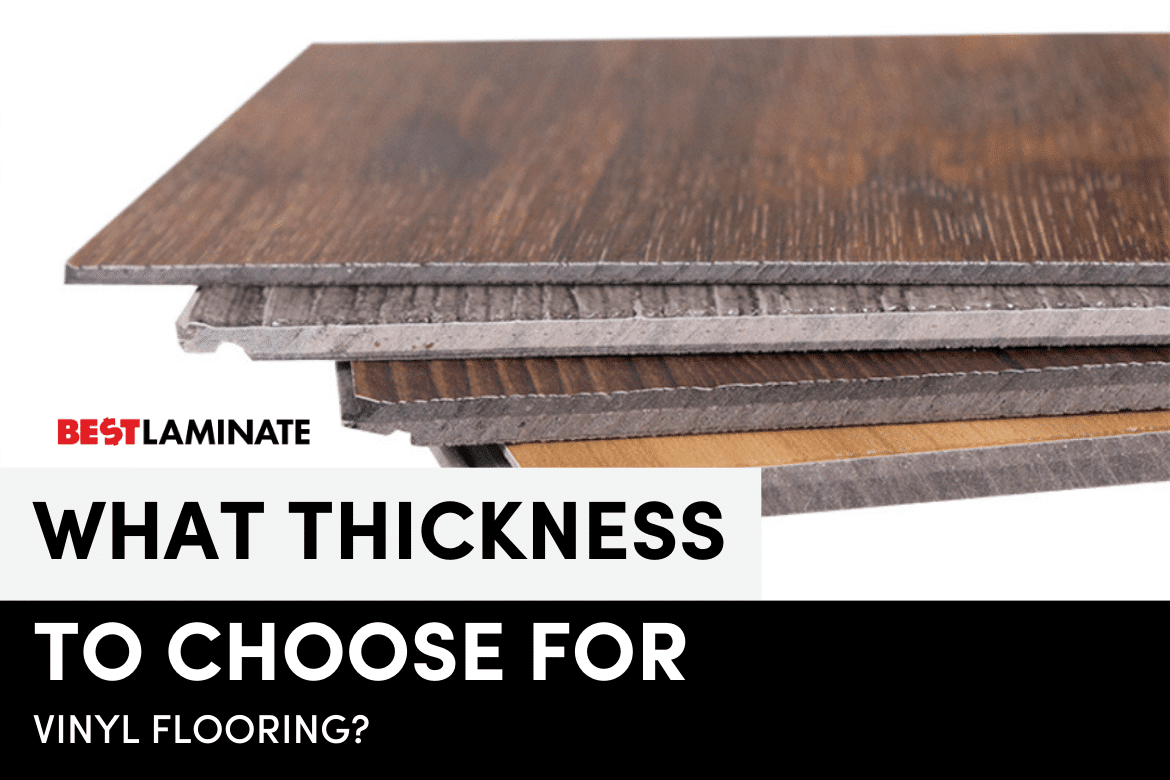
Luxury Vinyl Planks are a popular choice. They look like real wood. They feel strong underfoot. Thickness can vary between 2 mm and 8 mm. Thicker planks provide better sound insulation. They also feel more comfortable.
Rigid Core Vinyl is very durable. It handles heavy traffic well. The core is thick and solid. Thickness often starts at 5 mm. Some go up to 8 mm. This vinyl is great for busy homes. It resists dents and scratches.
Flexible Vinyl Planks are thinner and lighter. They bend easily. Thickness ranges from 1.5 mm to 4 mm. These planks are ideal for low-traffic areas. They are easy to install. They suit DIY projects well.
Thickness Options
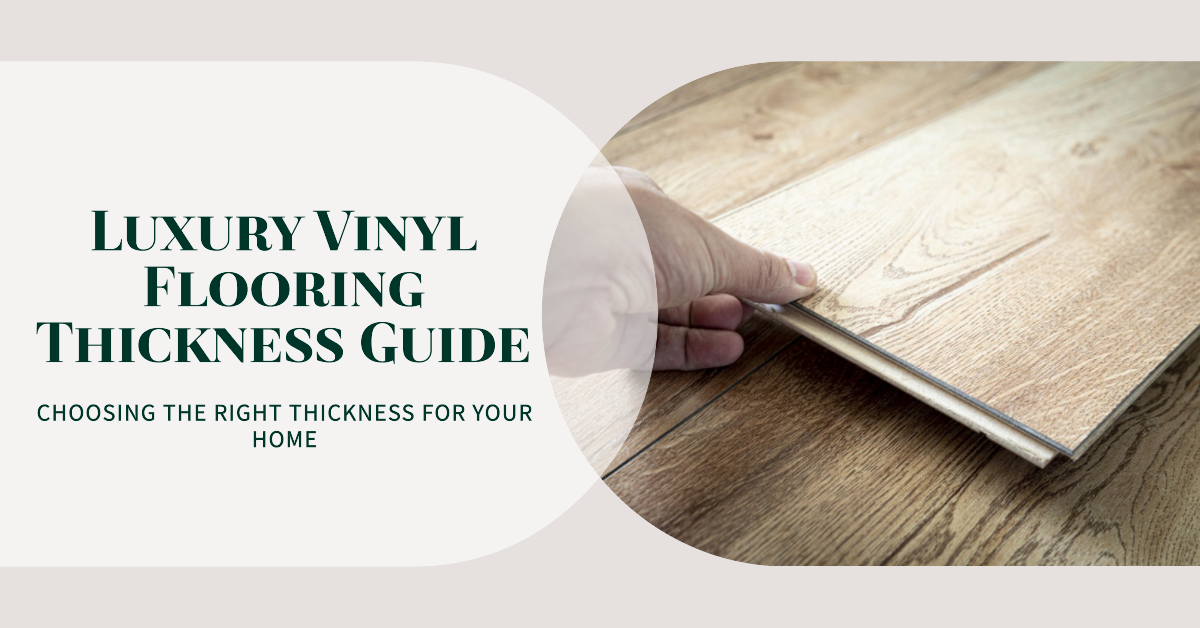
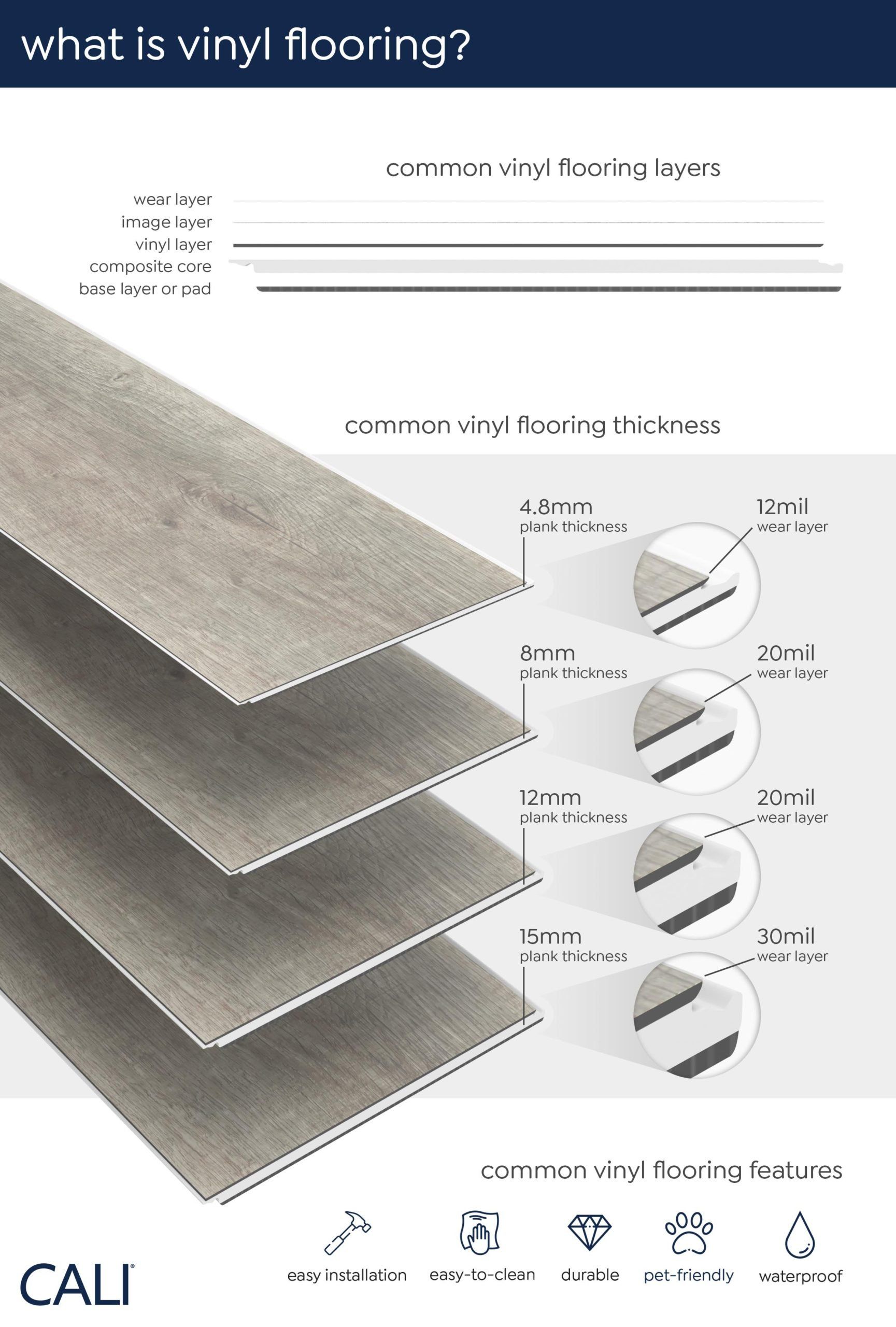
Thin planks are around 2mm to 3mm thick. They are lightweight and easy to install. These planks are good for rooms with light traffic. Not ideal for busy areas. They are often budget-friendly. But can wear out quickly.
Medium planks are about 4mm to 5mm thick. They offer more durability than thin planks. Suitable for most rooms in a home. They can handle moderate foot traffic. A good balance of cost and strength.
Thick planks measure around 6mm to 8mm or more. They are very strong and last long. Perfect for rooms with heavy traffic. Often used in commercial spaces. They provide a luxurious feel underfoot. Higher cost but worth it for durability.
Factors Influencing Thickness Choice
The condition of the subfloor affects the thickness of vinyl planks. Smooth subfloors work well with thinner planks. Uneven subfloors need thicker planks. They help hide imperfections.
Busy rooms need thicker vinyl planks. They stand up to heavy foot traffic. Rooms like the living room or kitchen are examples. Bedrooms or closets might use thinner planks. They see less activity.
The way you install the flooring also matters. Click-lock systems fit well with thicker planks. Glue-down methods can use thinner planks. Each method has pros and cons. Choose based on your needs.
Benefits Of Different Thicknesses
Thicker vinyl plank flooring offers better durability. It lasts longer. It handles heavy foot traffic with ease. Thin planks may wear out faster. They might need replacement sooner. Thicker options save money in the long run.
Walking on thicker flooring feels softer. It is more comfortable for bare feet. Thin planks may feel hard. They can be less pleasant to walk on. Thicker planks provide a cushioned feel. This makes standing and walking easy.
Thicker vinyl planks provide better sound insulation. They reduce noise effectively. They help keep spaces quiet. Thin planks may let more noise through. Thicker planks can absorb sound. They make rooms peaceful.
Installation Considerations
Choosing the right tools is crucial. A tape measure, a utility knife, and a straight edge are essential. Gather all materials before starting. Ensure you have a clean workspace. Keep adhesive and spacers handy. Use protective gear like gloves and goggles. A level can help check flatness. Don’t forget the underlayment for sound and warmth. These tools make work easier and faster.
Start by cleaning the floor. Remove dust and debris. Check for level surfaces. Use a level to ensure flatness. Measure the room size carefully. Cut planks to fit edges and corners. Let planks acclimate in the room. This helps with expansion and contraction. Plan the layout before installation. This prevents errors later.
Skipping acclimation is a big mistake. This leads to gaps. Forgetting to measure twice can lead to errors. Placing planks too close to walls is another mistake. This causes buckling. Not checking surface level can cause uneven floors. Using the wrong adhesive can lead to loose planks. Always follow manufacturer’s instructions.
Maintenance And Care
Vinyl plank flooring typically ranges from 2mm to 8mm in thickness. Thicker options offer enhanced durability and comfort. Regular cleaning and avoiding harsh chemicals help maintain its appearance and longevity.
Cleaning Tips
Regular cleaning keeps vinyl plank flooring looking fresh. Use a soft broom to sweep away dirt. A vacuum without a beater bar also works well. For wet cleaning, use a damp mop. Avoid soaking the floor with water. Mild soap and water clean most spills. Avoid harsh chemicals that might damage the finish. Quick clean-ups prevent stains from setting. Keep the surface dry to avoid slipping.
Preventing Damage
Proper care extends the life of your flooring. Use felt pads under furniture legs to prevent scratches. Do not drag heavy items across the floor. Use rugs in high-traffic areas. Mats near doors catch dirt from shoes. Keep pet nails trimmed to avoid scratches. High heels can dent the surface, so walk carefully. Excessive sunlight can fade the color. Use curtains or blinds to block direct sun.
Repair Strategies
Minor damage can be fixed easily. For small scratches, use a vinyl repair kit. Matching color markers also help. Deep scratches might need a professional touch. Replace damaged planks for a seamless look. Carefully lift the damaged plank. Insert a new plank in its place. Ensure it locks properly with the surrounding planks. Follow manufacturer instructions for best results.
Comparing With Other Flooring Types
Vinyl plank flooring is often thinner than laminate. It usually measures 2mm to 8mm. Laminate flooring ranges from 6mm to 12mm. Both are popular for their durability. Vinyl is more flexible and water-resistant. Laminate feels more like real wood. People like its warmth. Each has its own unique benefits.
Hardwood flooring is generally thicker than vinyl plank. It often measures between 18mm to 20mm. It provides a natural look. Vinyl, however, is easier to maintain. It is less expensive than hardwood. Many choose vinyl for its cost-effectiveness. Hardwood is more traditional and long-lasting. Each type offers different benefits.
Tile flooring varies in thickness. It usually ranges from 6mm to 12mm. Vinyl planks are generally thinner. Tiles are known for their durability and water resistance. They are often used in kitchens and bathrooms. Vinyl is softer underfoot. It is also easier to install. Both offer different styles and uses.

Frequently Asked Questions
How Thick Is Vinyl Plank Flooring Typically?
Vinyl plank flooring thickness ranges from 2mm to 8mm. Thicker planks often offer better durability and comfort. The choice depends on your specific needs and budget. Thicker options may be preferable for high-traffic areas. Consider the subfloor and installation method when selecting thickness.
Does Thicker Vinyl Flooring Mean Better Quality?
Thicker vinyl flooring generally offers better durability and comfort. It can provide improved noise reduction and insulation. However, quality also depends on material and construction. Thicker planks may be more resistant to dents and damage. Always consider both thickness and quality of materials.
What Thickness Is Ideal For High-traffic Areas?
For high-traffic areas, choose vinyl planks at least 5mm thick. Thicker planks provide better durability and resistance to wear. They can withstand heavy foot traffic and furniture movement. Consider additional features like wear layers for enhanced protection. Thicker flooring may also offer better noise reduction.
Is Underlayment Necessary For Thin Vinyl Planks?
Underlayment can be beneficial for thin vinyl planks. It offers added insulation and soundproofing. It can improve comfort underfoot and increase durability. Underlayment may prevent moisture issues with thinner planks. Evaluate your specific needs and subfloor condition before deciding.
Conclusion
Vinyl plank flooring thickness varies, offering choices for different needs. Thicker planks provide durability and comfort underfoot. They are ideal for high-traffic areas and uneven surfaces. Thinner options suit low-traffic spaces and tight budgets. Each thickness has unique benefits, so consider your priorities.
Installation ease and maintenance are key factors too. Choose wisely for long-lasting satisfaction. The right thickness can enhance your home’s appearance and functionality. Don’t overlook this important aspect when selecting flooring. Make a choice that best suits your lifestyle and home environment.