
Are you considering a fresh look for your floors but worried about the costs? Laminate flooring might just be the perfect option for you.
It’s stylish, durable, and often more affordable than other flooring options. But how much will it actually cost to lay laminate flooring in your home? Before you dive into this project, you need to know what to expect so you can plan your budget effectively.
Imagine stepping into your living room and feeling a sense of pride as you admire the sleek, new floors that didn’t break the bank. We’ll break down the expenses involved, from materials to installation, and help you discover how you can achieve a stunning transformation without overspending. Stay with us, and let’s explore how you can enhance your home’s appeal while keeping your wallet happy.
 Flooring: Budget Tips”/>
Factors Affecting Laminate Flooring Costs
Laminate flooring comes in different qualities. Higher quality costs more. It lasts longer. Looks better. Cheaper options might wear out quickly. Choose wisely. Better quality often means better durability. It may save money in the long run. Always check the warranty. It tells a lot about the quality.
Larger rooms need more material. More material means higher costs. Smaller rooms are cheaper to cover. Measure carefully. Avoid buying too much. Or too little. Proper measurement saves money. Always consider extra for cuts and waste. Plan well to avoid surprises.
Simple installation is often cheaper. Complex designs increase costs. Patterns and borders require more work. They need skill. Skilled work costs more. Simple layouts are less expensive. Consider hiring professionals. It may cost more upfront. But saves trouble later. Quality work lasts longer. Choose wisely.

Estimating Material Costs
Laminate flooring can be quite affordable. Basic options start around $1 per square foot. Higher-end styles may reach $5 to $10 per square foot. This range helps fit different budgets.
Colors and patterns also affect price. Fancy designs cost more. Thickness is another factor. Thicker planks often last longer. They usually cost more too.
Installing laminate requires more than just the planks. Underlayment is needed to protect floors. This can cost between $0.30 and $0.60 per square foot.
Tools like saws and spacers are important too. A simple toolkit might be necessary. Buying tools adds to the budget. Don’t forget adhesive and trim. They finish the job nicely.
Labor Costs Overview
Installing laminate flooring by yourself can save money. But it takes time and effort. You might spend around $1 to $2 per square foot on tools and materials. Hiring a professional costs more. Expect to pay $3 to $8 per square foot. Professionals finish faster and do a neat job. Consider your budget and skills before choosing.
Labor costs vary based on location. In big cities, costs can be higher. Smaller towns might have cheaper rates. For example, in New York, it could be $10 per square foot. But in a rural area, it might be $5. Check local rates before deciding. This helps you plan your budget better.
Additional Expenses To Consider
Underlayment and padding are essential for laminate flooring. They help to reduce noise and provide comfort. This layer can cost extra. Prices range from $0.30 to $0.60 per square foot. Choosing the right type is important for your floor. Some options may be more expensive but offer better quality.
Trim and moldings complete the look of your floor. They hide gaps and create a neat finish. Expect to spend around $1 to $5 per linear foot. Costs can vary based on material and style. Wood trim is often more costly than plastic.
Furniture removal and disposal can add to your budget. Moving heavy items can be challenging. Professional services may charge $50 to $150. Prices depend on how much furniture you have. Planning is key to avoid extra fees.
Cost-saving Strategies
Buying in bulk can save money. Stores often offer discounts for large purchases. A big order might get you a lower price per square foot. This helps reduce overall costs. Check with local suppliers for bulk deals.
Look for seasonal discounts. Stores may reduce prices during certain times. Holidays and end-of-season sales are good times to check. These discounts can make laminate flooring more affordable. Keep an eye on local flyers and websites.
Reusing old materials is a smart way to save. Some parts may still be in good shape. Old underlayment or trims can be reused. This reduces the need for buying new supplies. Always inspect items before reusing them. Make sure they are in good condition.
Budgeting For Unexpected Costs
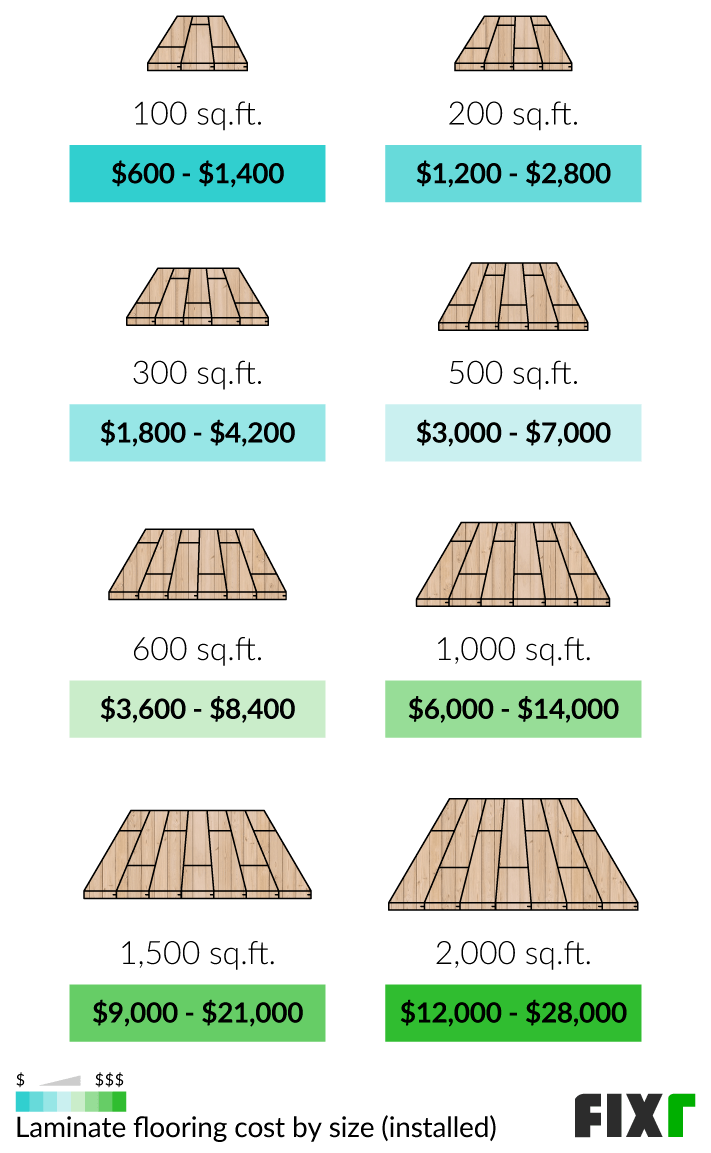
Laying laminate flooring involves costs for materials, labor, and unexpected expenses. Prices can vary widely depending on the floor size and quality. Preparing a budget that includes unforeseen costs ensures a smooth installation process.
Damage Repairs
Damage repairs can increase flooring costs. Scratches and dents need fixing. This can cost extra money. Sometimes, boards need replacing. This adds to expenses. Proper installation can reduce damage. Careful handling of materials is important. Accidental damage might happen. Keep some extra money for this.
Permit Fees
Permit fees might be needed for flooring. Some areas require permits. Check local rules before starting work. Permit costs can vary. Some places charge more. Some charge less. Ignoring permits can lead to fines. Fines are costly. Always include permit fees in your budget. This avoids surprises later.
Frequently Asked Questions
What Is The Average Cost Of Laminate Flooring?
The average cost of laminate flooring typically ranges from $2 to $8 per square foot. Prices vary based on quality, brand, and installation complexity. Additional costs may include underlayment, transitions, and labor. Always compare prices and consult with professionals for accurate estimates tailored to your specific needs.
How Do Installation Costs Affect Total Expenses?
Installation costs significantly impact the total expense of laying laminate flooring. Professional installation can range from $2 to $5 per square foot. DIY installation may reduce costs but requires skill and time. Consider both options carefully to ensure quality results within your budget.
Are There Any Hidden Costs For Laminate Flooring?
Hidden costs can include underlayment, transition strips, and baseboards. Removal of old flooring and preparation of the subfloor may also add to expenses. It’s crucial to account for these additional costs when budgeting for your laminate flooring project.
How Long Does Laminate Flooring Last?
Laminate flooring typically lasts 15 to 25 years, depending on quality and maintenance. Proper care can extend its lifespan. Regular cleaning and avoiding excessive moisture are essential. Consider investing in higher-quality laminate for longer durability and better resistance to wear and tear.
Conclusion
Budgeting for laminate flooring is straightforward and essential. Costs vary based on material quality and installation method. Always plan for extra expenses like underlayment and trims. Seeking professional help ensures perfect installation but adds to costs. DIY can save money if done carefully.
Shop around for deals and compare prices before buying. Quality and durability should guide your choice, not just price. Consider the room’s purpose and traffic. Proper care extends the lifespan of your flooring. Research thoroughly and choose wisely for a beautiful, lasting floor.