
Are you considering a fresh new look for your floors? Vinyl flooring might be the perfect choice for you.
It’s stylish, durable, and easy to maintain. But before you dive into your renovation project, you’re probably wondering: “How much will it cost to install vinyl flooring? ” This is a question on many homeowners’ minds, and finding the answer can be crucial in planning your budget effectively.
Imagine walking across a floor that not only looks amazing but also feels just right under your feet. Vinyl flooring can offer that experience without breaking the bank, and knowing the installation cost upfront can help you make informed decisions. We’ll break down the costs associated with vinyl flooring installation, helping you understand the factors that influence pricing and ensuring you get the best value for your money. Stay with us to discover the secrets behind transforming your space with vinyl flooring, and learn how to make the most out of your investment.
Factors Affecting Vinyl Flooring Cost
Different types of vinyl flooring affect costs. Luxury vinyl tiles and planks are pricier. Sheet vinyl is often cheaper. Each type has unique features. Choose based on your needs.
Higher quality vinyl costs more. Thick vinyl is also expensive. Thicker options last longer. They provide better cushioning. Consider your budget when choosing.
Labor costs vary by region. Some areas charge higher rates. Experienced installers may charge more. Compare different quotes. Choose what fits your budget.
Flooring costs depend on location. Hard-to-reach areas cost more. Stairs and narrow spaces take extra time. Think about the layout of your home.
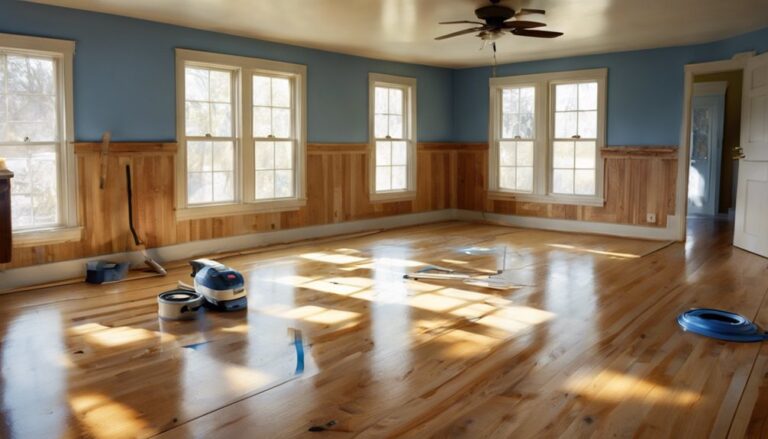
Removing old flooring adds to costs. Professional removal is safer. DIY can save money. Consider disposal fees too. Plan for these extra expenses.

Types Of Vinyl Flooring
Sheet vinyl comes in large, continuous sheets. It’s great for big rooms. You can choose many colors and patterns. Sheet vinyl is water-resistant. It is also easy to clean. This type of flooring is budget-friendly.
Vinyl plank looks like real wood. It is a popular choice. People like it for its natural look. Vinyl plank is durable and strong. It can handle lots of foot traffic. Easy to install. Perfect for DIY projects.
Luxury Vinyl Tile (LVT) is stylish and modern. It mimics stone or ceramic tiles. People love its beauty and design. LVT is comfortable to walk on. It is also resistant to scratches. Ideal for bathrooms and kitchens.
Cost Breakdown
Vinyl flooring can cost between $2 to $5 per square foot. Thickness and quality affect the price. Higher quality means more money. Luxury vinyl is usually pricier. These materials are often more durable. They last longer.
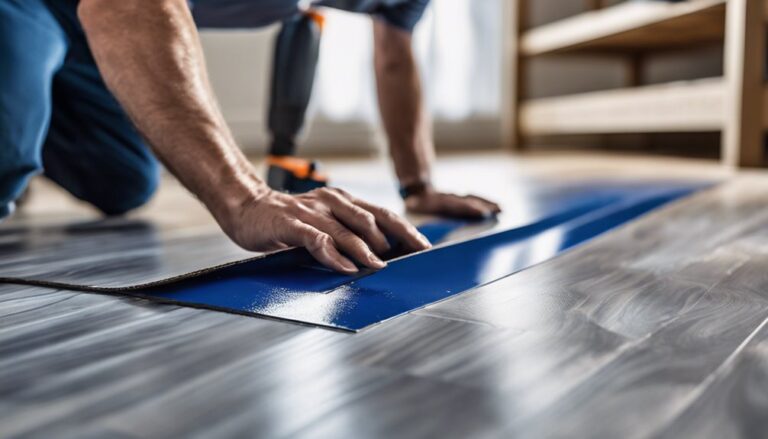
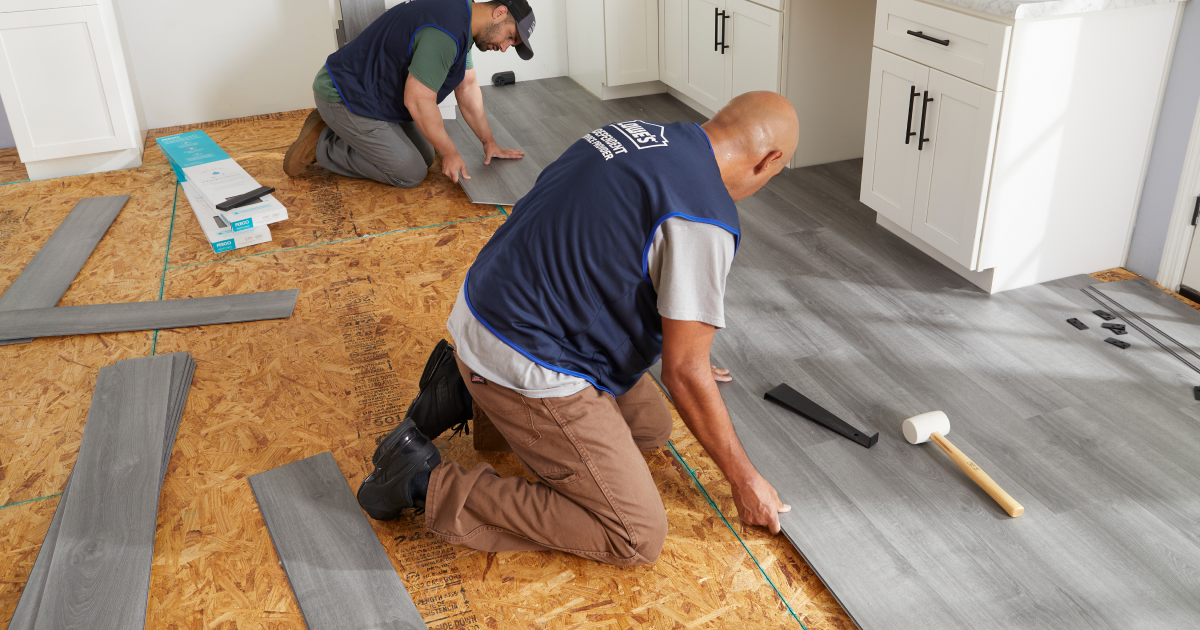
Hiring a professional can cost $1 to $3 per square foot. DIY installation might save money. But it requires skill and tools. Some stores offer free installation. They include it with purchase. It’s a good deal.
Preparing the floor adds cost. You might need to remove old flooring. Subfloor repair can be necessary. This adds extra charges. Underlayment might be required. It improves the floor’s performance.
Diy Vs Professional Installation
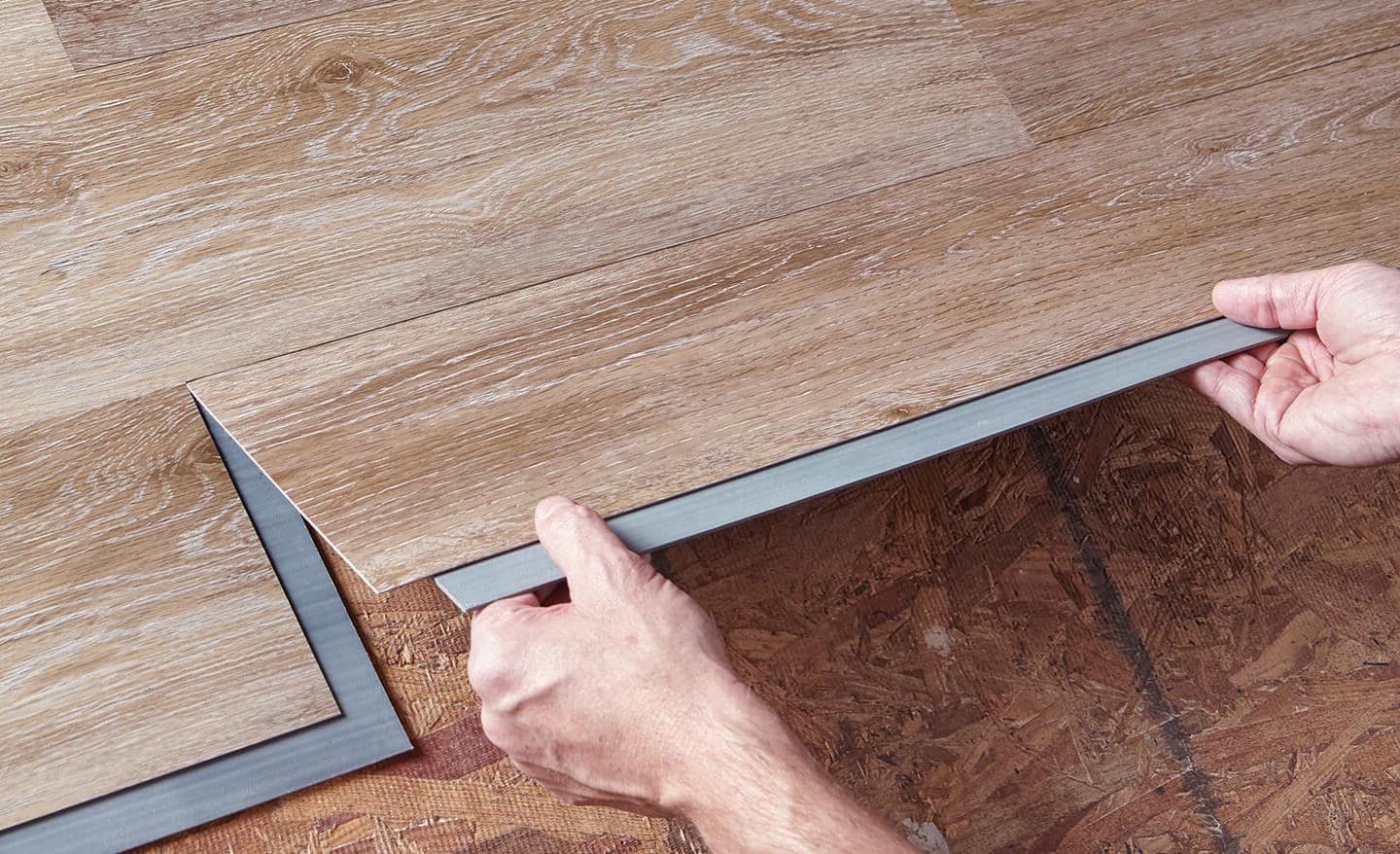
DIY installation can save money. No labor cost. You have control over the process. Flexibility in schedule. But it requires time and effort. Mistakes can be costly. Limited tools might be a problem. Some skills are necessary. Quality might suffer if inexperienced. Frustration can occur.
Professionals bring experience and skills. They have proper tools. Quality is usually better. They finish faster. No need to worry about mistakes. Professionals offer warranty. They provide guidance on materials. Stress-free experience for you. Reliable results every time.
Budgeting Tips
Collect quotes from different contractors. Compare the prices carefully. Look for hidden fees. Check if the quote includes labor and materials. It’s important to know what you are paying for. Ask questions if anything seems unclear.
Vinyl flooring comes in many types. Some are cheaper than others. Luxury vinyl is more costly but looks nice. Sheet vinyl is often cheaper. Pick the one that fits your budget. Remember to check the quality too.
Always keep extra money aside. Unexpected costs can come up. Maybe you need extra materials. Or the job takes longer than planned. Being prepared helps avoid surprises. Set aside 10% of your budget for these costs.
Long-term Maintenance Costs
Vinyl flooring offers low long-term maintenance costs. It resists stains and scratches, needing only simple cleaning. This makes it an economical choice for households.
Routine Cleaning
Vinyl flooring is easy to clean. Use a soft broom for dust. A damp mop helps with spills. Avoid strong chemicals. They can harm the floor. Warm water is often enough. Mild soap is okay sometimes. Keep the floor dry. This stops mold from growing. Clean often for a shiny look.
Repairs And Replacements
Vinyl can get scratches. Heavy items cause dents. Repair kits can fix minor damage. They are cheap and easy to use. Replace damaged planks if needed. It’s easy to swap them. Keep extra planks for emergencies. Major damage might need a professional. This can cost more money.
Protective Measures
Use rugs in busy areas. They protect the floor. Furniture pads stop scratches. Heavy items need protection. Move them carefully. Sunlight can fade the floor. Use curtains or blinds. Keep the floor safe from harm. This helps it last longer.
Frequently Asked Questions
What Is The Average Cost Of Vinyl Flooring Installation?
The average cost of vinyl flooring installation ranges from $2 to $12 per square foot. Costs vary based on material quality, labor, and location. Installation can include additional expenses like removing old flooring or preparing the subfloor. It’s advisable to get quotes from professionals for an accurate estimate.
How Long Does Vinyl Flooring Last?
Vinyl flooring can last 10 to 20 years with proper care. Longevity depends on the quality of the material and maintenance. Regular cleaning and avoiding excessive moisture can extend its lifespan. High-traffic areas may see more wear and tear, so choose durable options for these spaces.
Can I Install Vinyl Flooring Myself?
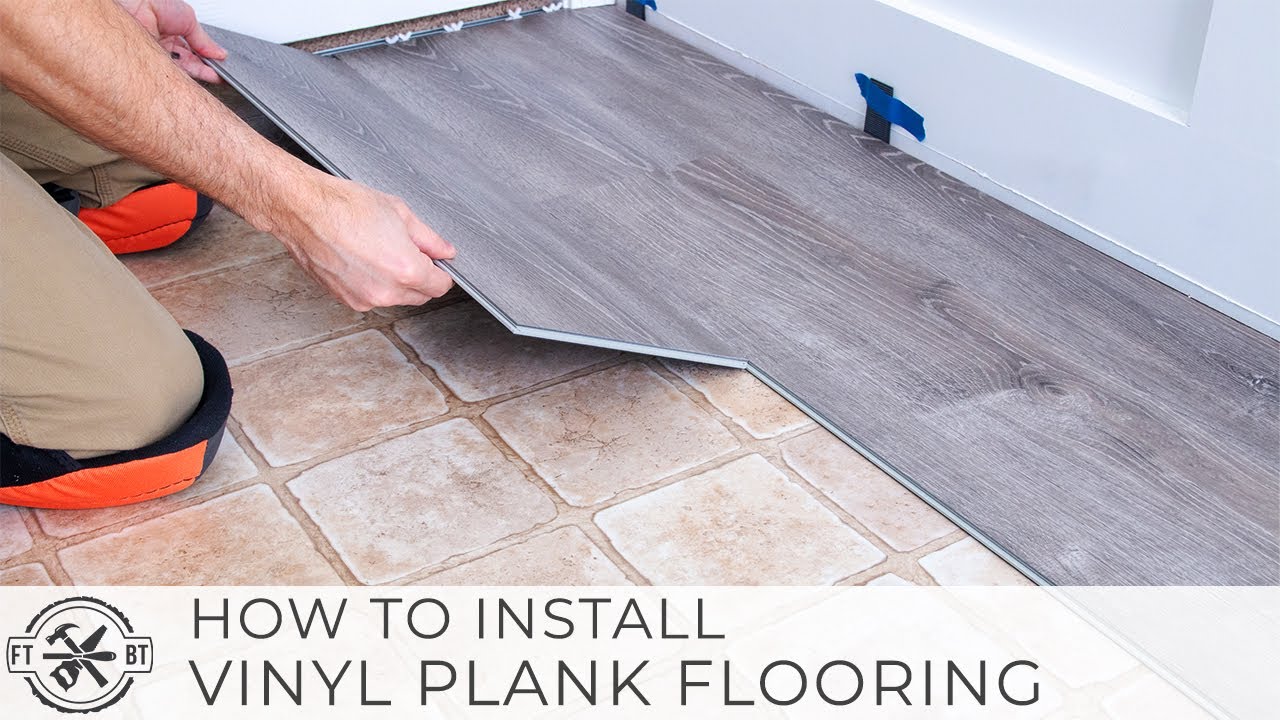
Yes, you can install vinyl flooring yourself with the right tools and instructions. DIY installation can save money but may require time and skill. Ensure you prepare the subfloor properly and follow manufacturer guidelines. For complex layouts, consider professional installation for best results.
What Factors Affect Vinyl Flooring Installation Cost?
Several factors affect vinyl flooring installation cost, including material type, labor, and room size. Removal of old flooring and subfloor preparation can increase costs. Customizations like patterns or borders may also affect pricing. Always compare quotes from different installers to find the best deal.
Conclusion
Vinyl flooring offers a cost-effective solution for any space. It’s durable. Easy to maintain. Installation costs vary based on several factors. Size of the area matters. Type of vinyl affects price. Professional installation ensures quality. DIY can save money but requires skill.
Always plan your budget carefully. Consider hidden costs like tools and supplies. Choosing the right installer can impact overall expense. Research and compare quotes for the best deal. Make informed decisions for your flooring project. Enjoy the new look and comfort vinyl flooring brings.
Your home will thank you.