
Are you considering a fresh new look for your home and wondering how much it might cost to replace your flooring? You’re not alone.
Many homeowners find themselves facing this question, especially when looking to enhance the aesthetics and functionality of their space. Choosing the right flooring can transform a room from dull to dazzling, but understanding the costs involved is crucial. You might be surprised to learn how various factors can influence the final price, from the type of material you select to the size of your space.
By exploring the ins and outs of flooring replacement costs, you can make informed decisions that align with your budget and vision. Stick around as we unravel the mysteries of flooring expenses and help you navigate this important home improvement decision with confidence.
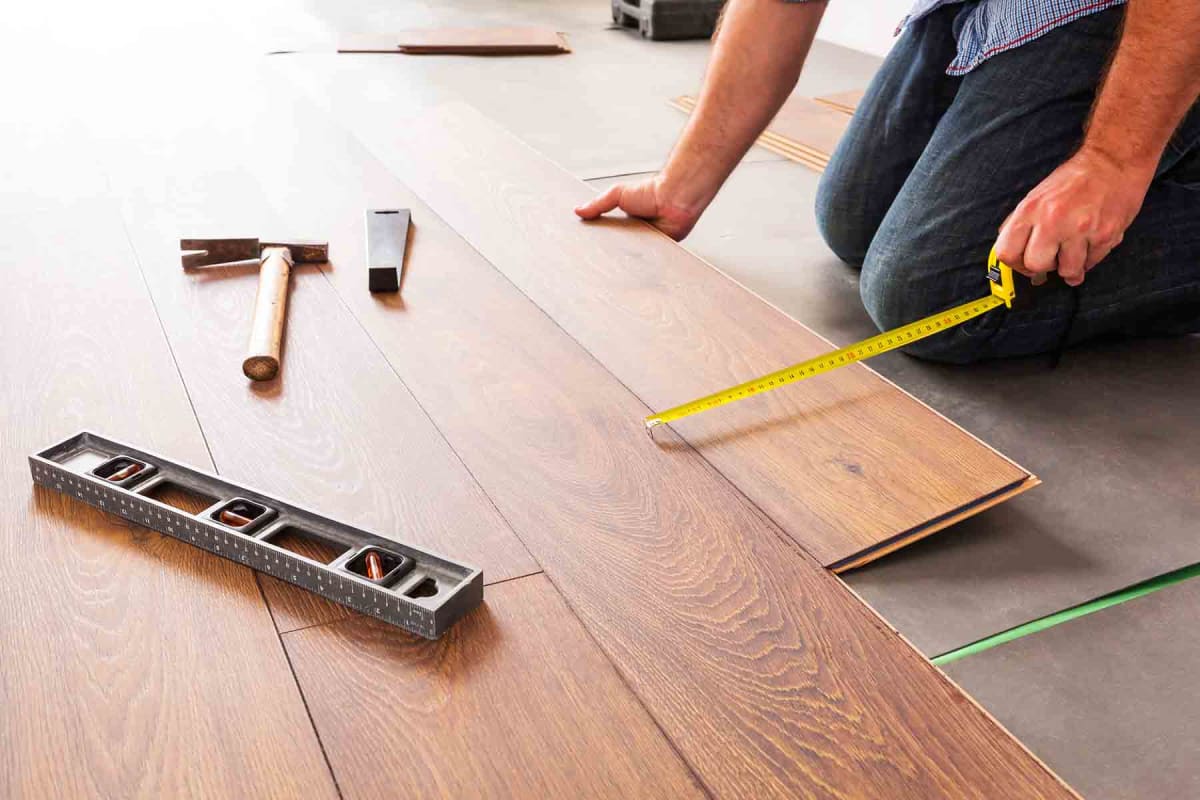
Factors Influencing Flooring Costs
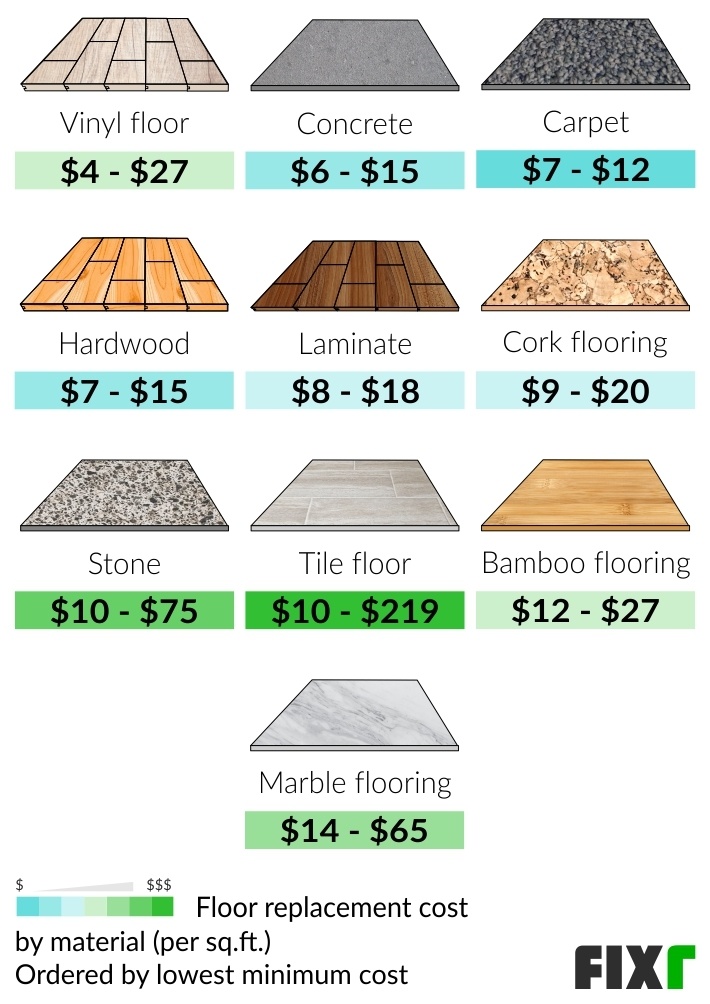
The cost of flooring depends on the material you choose. Hardwood is usually more expensive. Laminate and vinyl are cheaper options. Tile can vary in cost. Carpet is often affordable. Each material has its own price range. Choose based on your budget.
Bigger rooms need more flooring. This means higher costs. Odd shapes can also increase expenses. More waste is likely. Measuring your room helps in planning costs. Smaller rooms are cheaper to floor.
Installing flooring needs professional help. Labor fees can be high. Costs differ by region. Some materials are harder to install. This can raise fees. DIY might save money. But it’s not always easy.
Extra costs can surprise you. Old flooring may need removal. This adds to expenses. Underlayment might be necessary. Some materials need it. Hidden fees can include delivery charges. Always ask for a detailed quote.

Cost Breakdown By Flooring Type
Hardwood flooring costs between $6 and $12 per square foot. The total price depends on the type of wood. Oak is cheaper than exotic woods like mahogany. Installation adds to the cost, making it $12 to $20 per square foot. It lasts long with good care. Many people love its natural look and feel.
Laminate flooring is budget-friendly. It costs $1 to $6 per square foot. It looks like real wood. Installation is easy and costs $2 to $8 extra. This type of floor is good for busy homes. It handles spills and scratches well.
Vinyl and linoleum are cheap and durable. Prices range from $1 to $5 per square foot. Installation might add $1 to $3 more. These floors are great for kitchens and bathrooms. They are water-resistant and easy to clean.
Tile flooring is elegant and strong. Costs go from $5 to $10 per square foot. Installation is tricky and costs $5 to $15 more. Tiles work well in wet areas. They last a long time if installed right.
Carpet options have varied prices. Basic carpet costs $1 to $3 per square foot. Luxury types can reach $10. Installation adds $1 to $4. Carpets are soft and cozy. They help keep rooms warm.
Diy Vs. Professional Installation
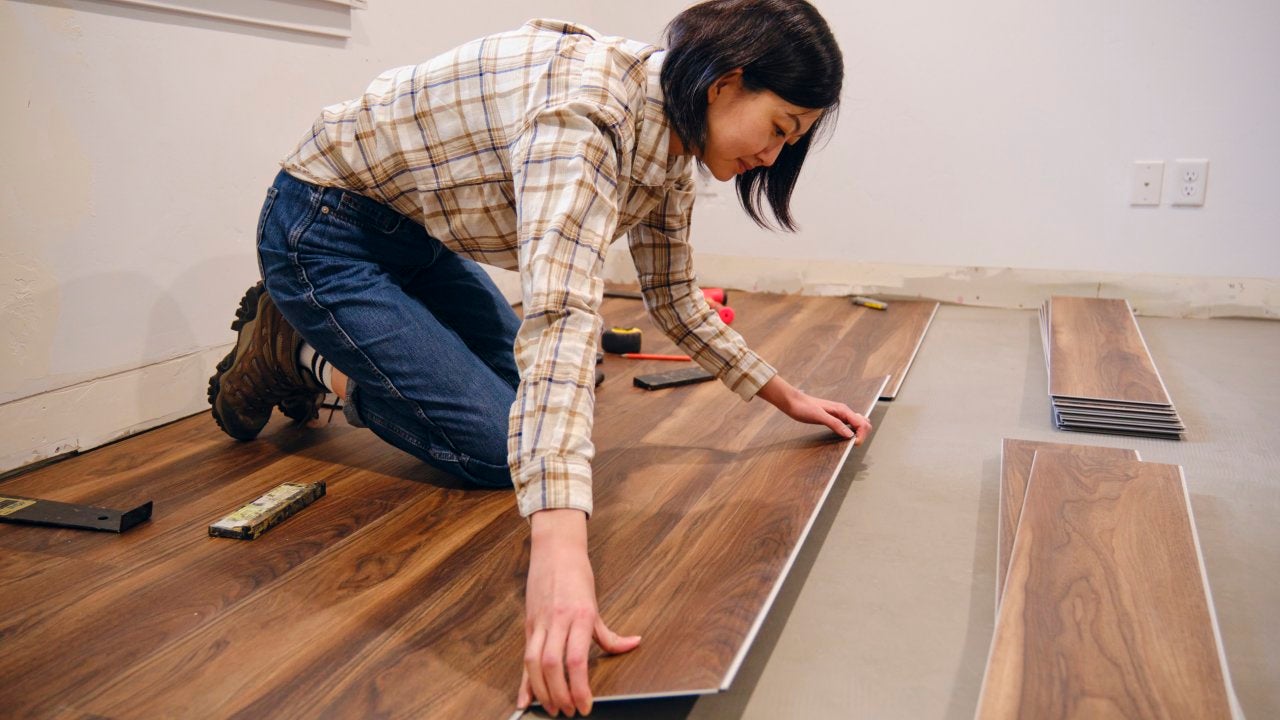
DIY flooring can save money. You buy the materials. You do the work. This gives you control over the project. Yet, it can be hard work. Mistakes might happen. Fixing them can cost more money. Also, it takes time. You need tools. Not everyone has them. DIY can be fun. But it can be stressful too. Think about your skills. Are they enough for the task?
Professionals have skills and experience. They know the best methods. They bring their tools. Their work is fast and neat. Mistakes are less likely. This means less stress for you. They also offer guarantees. If problems arise, they fix them. This ensures peace of mind. Professionals might cost more. Yet, their work can last longer. Quality often saves money in the end.
| Aspect | DIY | Professional |
|---|---|---|
| Material Cost | Lower | Varies |
| Labor Cost | None | Higher |
| Time Investment | More | Less |
| Quality | Depends on skill | Usually high |
| Tools Needed | Must buy or rent | Provided by pro |
Budget-friendly Flooring Alternatives
Vinyl is a cheap choice for floors. It is water-resistant and durable. Laminate flooring mimics wood but costs less. It is easy to install. Carpet tiles are soft and cozy. They can be replaced easily. Bamboo flooring is eco-friendly and affordable. It looks like wood.
Second-hand wood can be a great option. It adds charm and saves money. Recycled tiles are good for bathrooms. They are strong and cheap. Old carpet can be reused for small areas. This saves money and reduces waste. Reclaimed wood flooring is unique and budget-friendly.
Stores often offer discounts on flooring. Clearance sales have cheaper prices. They sell end-of-line products. Seasonal sales can offer great deals. Bulk buying can reduce costs. Always compare prices before buying. It helps save money.
Estimating Total Project Costs
Material costs vary by type. Hardwood is often more expensive. Vinyl and laminate are cheaper options. Prices can range from $1 to $10 per square foot. High-quality flooring costs more. Bulk purchases may offer discounts. Don’t forget to include extra for waste.
Labor expenses depend on the job’s complexity. Professionals charge based on hours or square footage. Rates may vary by location. Expect to pay between $3 and $10 per square foot. Skilled labor costs more. DIY can save money but requires time and effort.
Always plan for unexpected costs. Old flooring removal may add fees. Subfloor repairs might be needed. Delivery fees can surprise you. Budget for extra materials. Small costs add up quickly. Keep a reserve fund ready.
Financing And Payment Options
Saving money can help replace flooring. Plan a budget. Track all expenses. Set aside a small amount each month. Over time, savings will grow. This helps avoid debt. Paying from savings keeps costs low.
Banks offer loans for home projects. Research loan options. Compare interest rates. Choose the best option. Loans can make big projects affordable. Pay back over time. Read all terms carefully. Know the repayment plan.
Credit cards can be useful. Some offer installment plans. Pay in small amounts. Check interest rates first. Avoid high fees. Some stores offer payment plans. Spread cost over months. This can make it easier.
Tips For Cost-saving
Getting quotes from different contractors can save money. Each contractor may offer different prices. Compare the quotes carefully. Look for hidden fees and extra costs. Choose the best offer for your budget. Always ask questions if confused. Clear communication helps avoid surprises.
Plan your project during sales or discounts. Prices drop during off-peak seasons. Scheduling in advance can help reduce costs. Contractors may charge less during slow months. Plan well to avoid rushed decisions. A good plan saves both time and money.
Regular cleaning keeps floors looking new. Use gentle cleaners to protect the surface. Avoid dragging heavy items across the floor. Place mats near doors to catch dirt. Polishing can extend the floor’s life. This means less frequent replacements. Taking care of floors saves money in the long run.
Frequently Asked Questions
How Much Does Flooring Replacement Cost On Average?
The cost to replace flooring varies widely based on material and labor. On average, expect to pay between $1,500 and $4,500 for a typical room. Materials like hardwood can cost more, while laminate or vinyl may be cheaper. Always consider additional costs like removal and subfloor repairs.
What Factors Affect Flooring Replacement Cost?
Several factors influence the cost of replacing flooring. These include the type of material, room size, and labor charges. Additional expenses may arise from removing old flooring, subfloor repairs, and installation complexity. High-quality materials and custom designs can also increase the overall cost significantly.
Is Diy Flooring Installation Cheaper?
Yes, DIY installation can be cheaper, but it requires skill and tools. You can save on labor costs by installing the flooring yourself. However, mistakes can be costly and time-consuming to fix. Consider your expertise and time availability before deciding on a DIY approach.
How Long Does It Take To Replace Flooring?
The time needed to replace flooring depends on material and room size. Typically, it takes a few days to complete a standard room. Complex designs or larger spaces may require more time. Professional installers can often complete projects faster than DIY methods.
Conclusion
Replacing flooring requires careful budgeting and planning. Costs vary widely. Material choice impacts expenses significantly. Installation charges also differ based on complexity. Labor costs add to the total. Consider additional costs like removal and disposal. Measure your space accurately. This helps in estimating expenses correctly.
Choose durable materials to save money long-term. Compare prices from different suppliers. Get multiple quotes for installation services. A well-planned approach ensures cost-effective flooring replacement. Make informed decisions. Keep your budget in mind. Your new floor should offer style and functionality without breaking the bank.