
Are you thinking about giving your floors a fresh, modern look without breaking the bank? Vinyl tile flooring might just be the perfect solution for you.
But before you dive into this home improvement project, it’s crucial to understand the costs involved. You deserve to make informed decisions that align with your budget and style preferences. By the end of this article, you’ll have a clear picture of the expenses related to installing vinyl tile flooring, helping you make the best choice for your home.
Don’t let uncertainty hold you back—let’s uncover the true costs together, ensuring you achieve the stunning floors you’ve always wanted.
Factors Influencing Costs
Different vinyl tile types change the cost. Some tiles are thicker. Thicker tiles might cost more. Tiles with special designs can be expensive. Simple tiles are cheaper. Luxury vinyl tiles cost the most. Basic vinyl tiles are less expensive. Durability and appearance matter in pricing.
Larger areas need more tiles. More tiles mean higher costs. Small spaces need fewer tiles. Costs are lower for small spaces. Cost increases as space grows. Measure area size before buying tiles. Bigger spaces need more labor too.
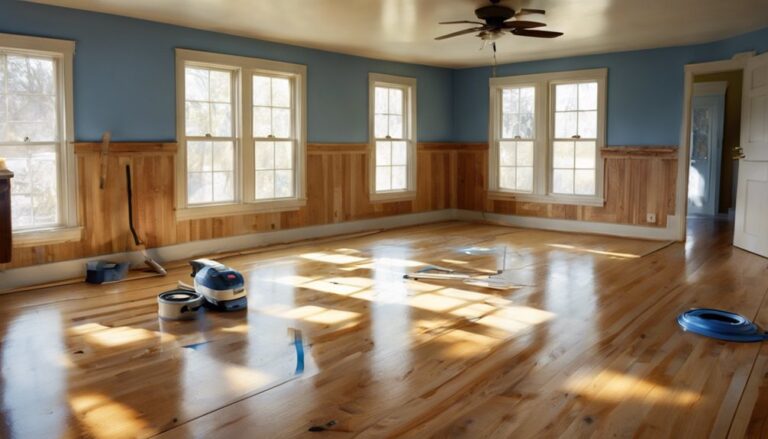
Good subfloor saves money. Bad subfloor needs repairs. Repair costs add up quickly. Smooth subfloor helps tile lay flat. Flat laying reduces labor time. Uneven subfloor costs more to fix. Subfloor condition affects overall cost.
Labor costs depend on worker skill. Skilled workers charge more. Hourly rates vary by region. Complex designs need more time. More time means more money. Simple installs cost less. DIY saves labor costs but takes longer.
Location changes costs. Big cities have higher prices. Rural areas might be cheaper. Shipping costs affect prices too. Nearby suppliers lower shipping costs. Local prices vary widely. Location is a big factor in cost.

Material Costs
Luxury vinyl tiles are a stylish choice. They often look like wood or stone. Prices can be between $2 and $5 per square foot. These tiles are durable and water-resistant. Perfect for kitchens and bathrooms.
Standard vinyl tiles are cheaper than luxury ones. They cost about $1 to $3 per square foot. While not as fancy, they still work well. Good for any room in the house.
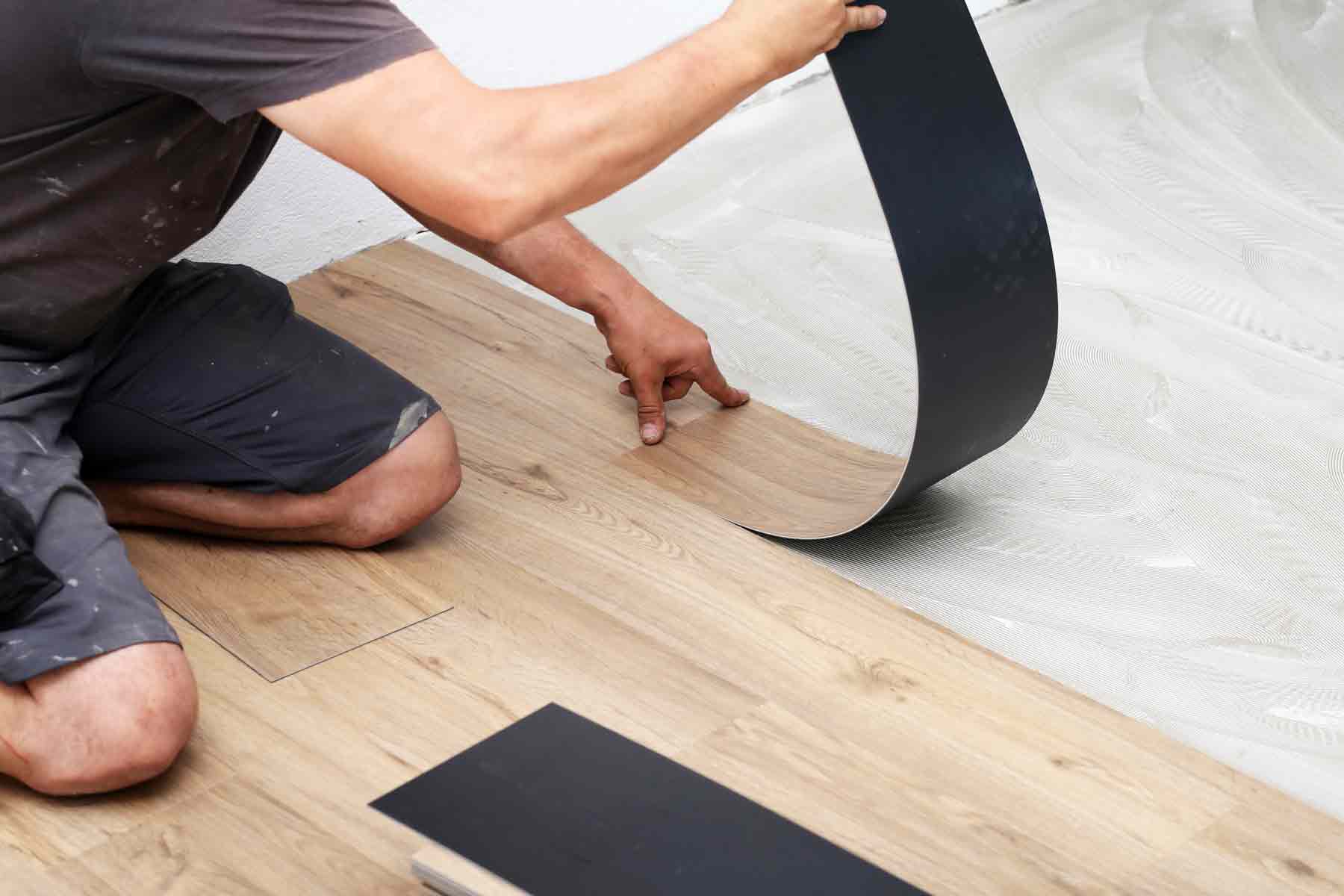
Extra materials are necessary for installation. You may need adhesive or glue. This can add $0.50 to $1 per square foot. Don’t forget about tools. A cutter or roller might be required. These can cost $10 to $30 each.
Labor Expenses
Hiring a professional can make things easier. Professional installation costs can vary. Usually, rates are between $3 to $7 per square foot. Prices depend on location and floor condition. Always ask for a detailed quote. This helps avoid surprises later.
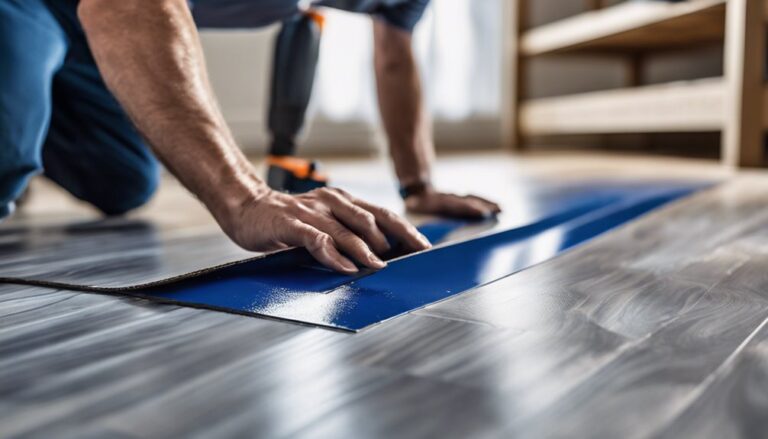
Doing it yourself can save money. DIY installation costs less than hiring a pro. You only pay for materials and tools. Be ready to spend time and effort. Mistakes can happen and may cost more to fix. It’s important to follow instructions carefully.
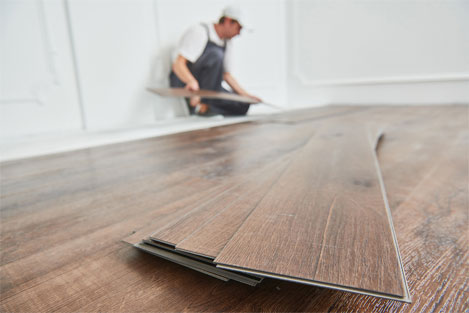
Installing vinyl tile takes time. A small room might take a day or two. Larger rooms need more time. Speed depends on skill and experience. Professionals work faster than most DIYers. Plan your time well to avoid any rush.
Additional Costs To Consider
Consider extra expenses like underlayment and adhesive when installing vinyl tile flooring. Professional installation fees can also add up. Preparing the floor might require leveling or repairs, influencing the overall cost.
Old Flooring Removal
Removing old flooring can add extra costs. Labor charges vary based on flooring type. Heavy or glued floors may require more work. This increases the total price. Some professionals include removal in their service. Others charge separately. Always check with your contractor.
Subfloor Repairs
Subfloor condition affects costs. Damaged or uneven subfloors need fixing. Repair costs depend on damage extent. Small issues may be cheaper. Major damage can be costly. Ensuring a smooth subfloor is vital. It impacts the final look of vinyl tiles.
Waste Disposal Fees
Old flooring disposal incurs fees. Some contractors handle disposal. Others may charge extra. Waste disposal rules vary by location. Local regulations can affect disposal costs. Always inquire about disposal terms. Knowing all fees helps plan your budget.
Cost-saving Tips
Buying in bulk can save you money. Stores often give discounts for large purchases. This helps lower the price per tile. You spend less overall. It is a smart way to cut costs.
Look for off-season discounts. Stores offer sales during slow months. These deals help you save money. You get more for less. Plan your purchase during these times. It pays off.
Always compare contractor quotes before hiring. Different contractors charge different prices. Get quotes from at least three. Choose the one that fits your budget. This ensures you get the best deal.
Budget Planning
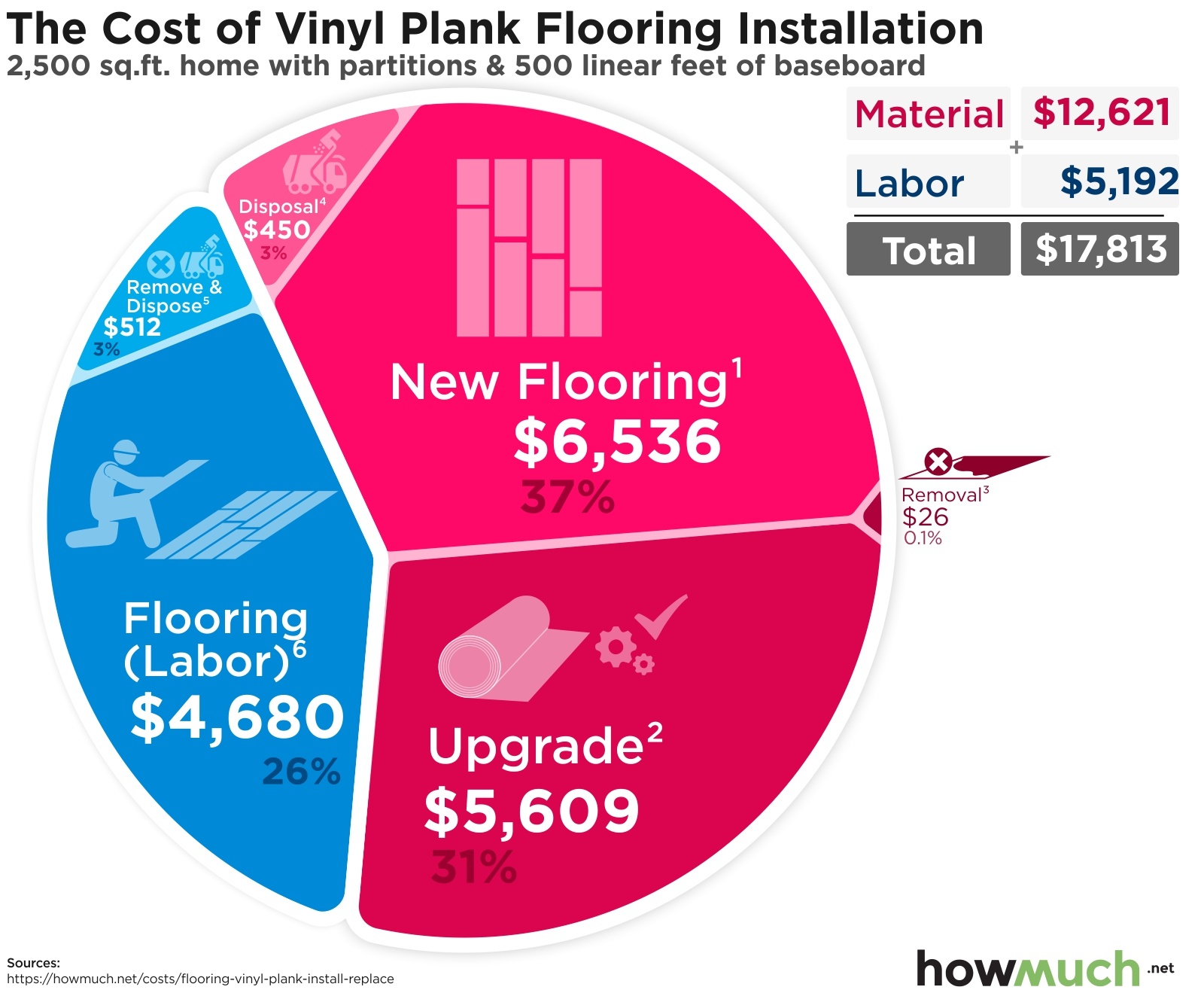
Installing vinyl tile flooring can vary in cost depending on materials and labor. Typically, expenses range from $2 to $7 per square foot. Proper budget planning ensures you stay within financial limits while achieving desired results.
Estimating Total Costs
Vinyl tile flooring costs can vary. Prices depend on the tile type. Expect to pay around $2 to $5 per square foot. Labor costs can add up. Installers may charge $1 to $3 per square foot. Don’t forget about tools and supplies. These can cost $50 to $100 extra.
Setting A Realistic Budget
Setting a budget is smart. Plan for materials and labor. Calculate the floor area first. Then, check local prices. Visit stores or call for quotes. Always add a little more. This helps with unexpected costs.
Allocating For Unexpected Expenses
Unexpected costs can happen. A tile may break during install. You might need extra tiles. Set aside 10% of your budget for surprises. This way, you’re ready for anything.
Frequently Asked Questions
How Much Does Vinyl Tile Flooring Cost Per Square Foot?
Vinyl tile flooring typically costs between $2 and $7 per square foot. Prices vary based on quality, brand, and design. Higher-end vinyl tiles can cost more. Installation costs are additional and depend on the complexity of the project. Always consider both material and labor costs when budgeting.
What Factors Affect Vinyl Tile Flooring Installation Cost?
Several factors affect installation costs, including room size, subfloor condition, and tile type. Complex patterns or designs increase labor costs. Geographical location also influences pricing, with urban areas often being more expensive. Additional expenses may include floor preparation, removal of old flooring, and baseboard adjustments.
Is Vinyl Tile Flooring Cheaper Than Hardwood?
Yes, vinyl tile flooring is generally cheaper than hardwood. Vinyl offers a cost-effective alternative with a similar aesthetic appeal. While hardwood provides natural beauty and durability, vinyl is more affordable and easier to maintain. It’s an excellent option for budget-conscious homeowners seeking style and functionality.
How Long Does Vinyl Tile Installation Take?
Vinyl tile installation usually takes a few days. The duration depends on room size, floor condition, and installation method. Simple projects in small areas may take only a day. Larger or more complex installations require more time. Proper preparation and planning can ensure a smooth and timely installation process.
Conclusion
Vinyl tile flooring offers a cost-effective option for home improvement. Prices vary based on quality, size, and installation needs. Installation costs depend on labor rates and room size. Budgeting is key for accurate expense planning. Compare prices from different suppliers to find the best deal.
Consider the long-term benefits of durability and easy maintenance. Vinyl tiles can enhance your home’s look without breaking the bank. Make sure to factor in all costs, including preparation and installation. With proper planning, you can enjoy stylish flooring that suits your budget and lifestyle.