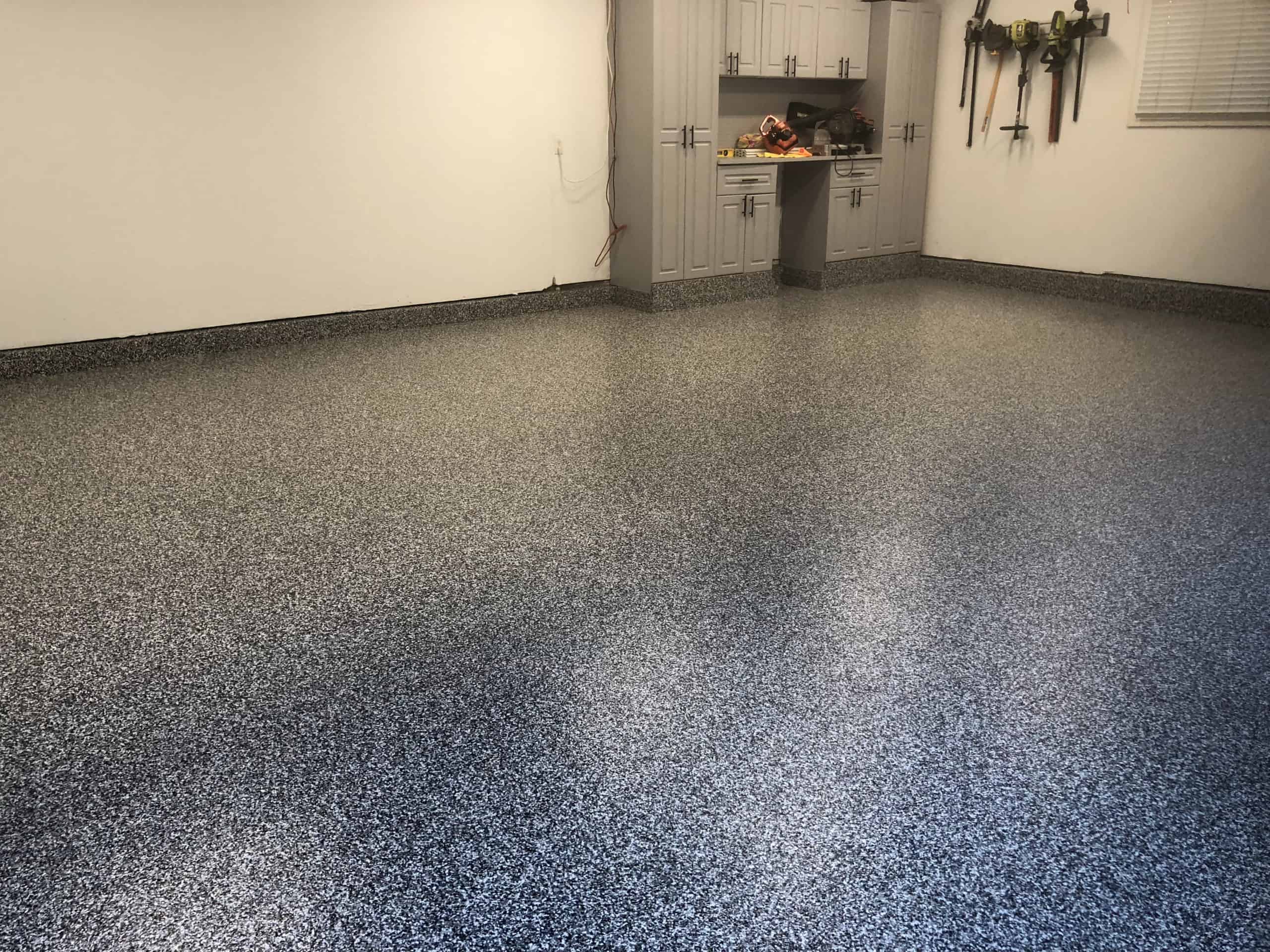

Imagine pulling into your garage and being greeted by a sleek, durable floor that not only looks fantastic but also stands up to wear and tear. Epoxy garage flooring can transform your space, giving it a professional finish that is both practical and visually appealing.
But as you consider this upgrade, one question likely stands out: “How much does it cost to epoxy your garage floor? ” Knowing the cost is crucial, but understanding the factors that affect this investment can be even more valuable.
You deserve a garage that reflects your style and meets your needs without breaking the bank. Dive into this article to uncover the costs involved, and discover how you can achieve the garage of your dreams without unnecessary expenses.
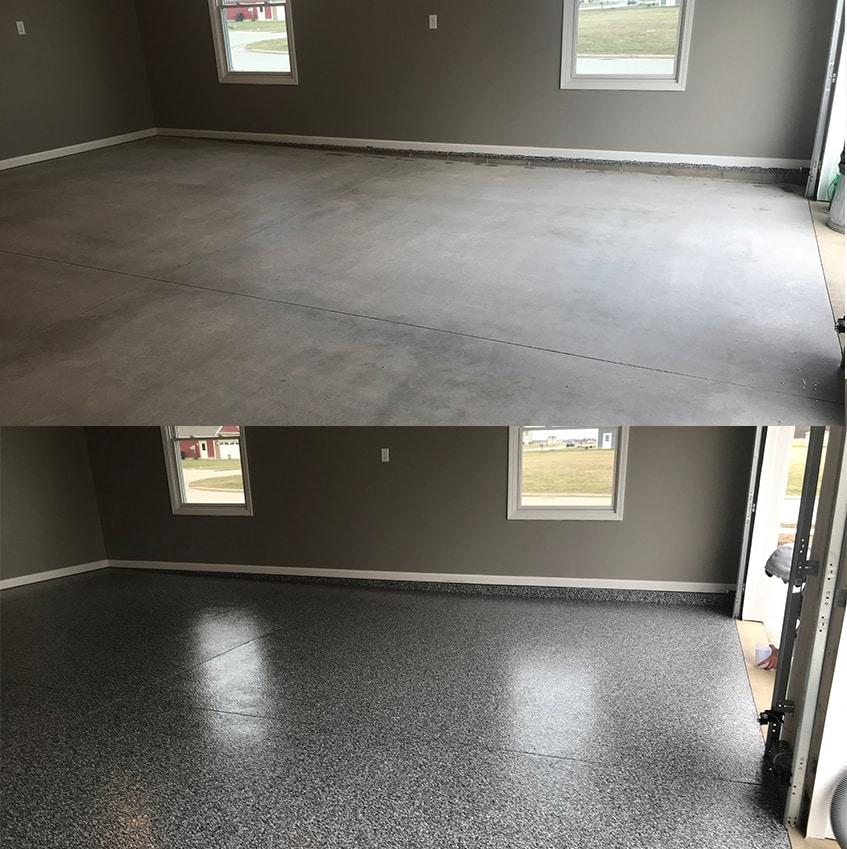 Floor: A Complete Guide”/>
Factors Influencing Cost
Bigger garages need more epoxy. This means more money. Smaller garages use less epoxy. Costs can be lower. Measure your garage first. Know the size. It helps plan the cost.
Epoxy comes in many types. Water-based epoxy is cheaper. Solid epoxy costs more. Quality and type matter. Choose wisely. It affects the price a lot.
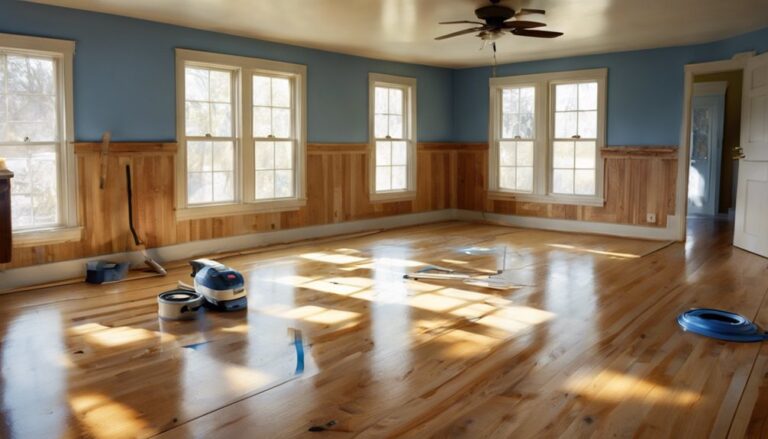
Prepping the surface is key. Old stains need cleaning. Cracks need fixing. Good preparation makes epoxy stick better. It may cost extra. But it’s worth it.
Hiring a professional can cost more. But they know their work. Doing it yourself saves money. But it’s hard work. Think before you decide. Consider the time and effort.

Material Costs
Epoxy costs vary based on type. Water-based epoxy is cheapest. It costs about $30 to $50 per gallon. Solvent-based epoxy is stronger. It costs around $45 to $150 per gallon. Solid epoxy is most durable. It costs about $45 to $150 per gallon too.
Extra materials add to the cost. You need primer. It costs $20 to $50 per gallon. Also, color chips for decoration. They cost $10 to $20 per bag. A sealant is important. It costs $30 to $60 per gallon.
Tools make the job easier. You need a paint roller. It costs $10 to $20. Also, a scraper. It costs about $5 to $15. A paintbrush is handy. It costs $5 to $10. A mask is important for safety. It costs $10 to $20.
Professional Vs. Diy
DIY epoxy kits cost between $50 and $200. This depends on brand and size. Professionals charge between $3 and $12 per square foot. Total costs can be $1,200 to $6,000 for a two-car garage. Kits save money but require more time and effort. Professionals provide quality and durability. Consider your budget and skills.
DIY projects can be fun and save money. You learn new skills and feel proud. But they can be messy and time-consuming. Mistakes can be costly. Results may not be perfect. Professionals have experience and tools. Think about time and skill level before deciding.
Professionals ensure a high-quality finish. They handle surface prep and application. This ensures long-lasting results. You save time and avoid stress. Costs are higher than DIY. But the investment is worth it for many homeowners. Decide based on budget and desired finish.
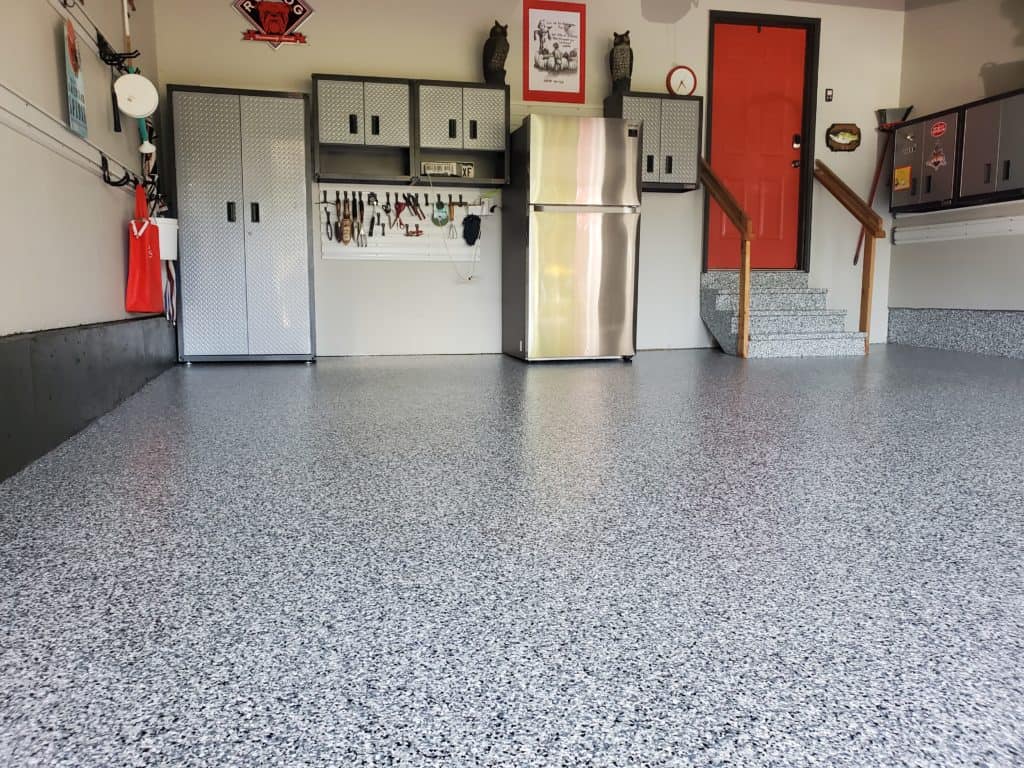
Hidden Expenses
Small cracks need fixing before applying epoxy. Patching costs can add up. Deep cracks are more expensive to fix. Labor fees increase total cost. Surface preparation is essential for a smooth finish. Old floors may need more repairs.
Moisture testing checks for water under the floor. Wet floors make epoxy fail. Testing prevents future damage. Testing costs vary by region. Testing tools might be needed. These tools can be costly.
Epoxy floors need regular cleaning. Special cleaners might be required. Keeping the floor shiny costs money. Repairs are needed for scratches. These costs add up over time.
Cost-saving Tips
Epoxy garage flooring costs vary based on materials and labor. DIY kits offer savings, but professional installation ensures durability. Compare options to find the best fit for your budget.
Bulk Purchasing
Buying in large amounts can save you money. Stores often give discounts for big orders. You may get lower prices per unit. This helps you stay within your budget. Try to plan ahead and buy more at once.
Seasonal Discounts
Some stores offer special prices during certain times of the year. Watch for sales during holidays or end-of-season. These discounts can help you save a lot. Check ads and store websites often.
Choosing The Right Finish
Different finishes have different costs. A simple finish costs less. Some finishes are more durable but also more expensive. Choose one that fits your needs and budget. Think about how much you want to spend.
Long-term Investment
Epoxy floors are very strong. They last a long time. This means less money spent on repairs. A well-done epoxy floor can stay good for years. It handles heavy things and lots of use.
Good floors add value to a home. Buyers like them. A nice garage floor can make a home sell better. It looks clean and neat. This can help the home’s value grow.
Epoxy floors can be a wise choice. They save money over time. The floor stays looking good. It is a smart way to use money for a home. This makes it a good investment.
Frequently Asked Questions
What Factors Affect Epoxy Garage Floor Cost?
The cost of epoxy garage floors depends on several factors, including the size of the area, the quality of epoxy used, labor costs, and any additional design elements. More complex designs or high-quality materials can increase the overall cost.
Is Epoxy Garage Flooring Worth The Investment?
Epoxy garage flooring is worth the investment due to its durability, resistance to stains, and aesthetic appeal. It also increases your property’s value and provides a safer, non-slip surface. The long-lasting nature of epoxy makes it a cost-effective option.
How Long Does Epoxy Flooring Last?
Epoxy flooring can last 10-20 years with proper maintenance. Its longevity depends on factors like foot traffic, exposure to chemicals, and regular cleaning. High-quality epoxy and professional installation can extend its lifespan significantly.
Can I Install Epoxy Flooring Myself?
DIY epoxy flooring installation is possible but challenging. It requires proper preparation, mixing, and application to ensure durability. Hiring a professional ensures a flawless finish and reduces the risk of mistakes that could lead to costly repairs.
Conclusion
Epoxy garage floor costs vary. Factors include size, condition, and materials. Budget for prep work. This ensures a smooth finish. Quality products may cost more but last longer. DIY options can save money. Professional services might offer better results. Consider your needs and decide wisely.
A well-done epoxy floor boosts durability. It enhances your garage’s look. Invest in quality for long-term benefits. Research and compare options. Choose what’s best for your budget and needs. A smart choice today adds value tomorrow.