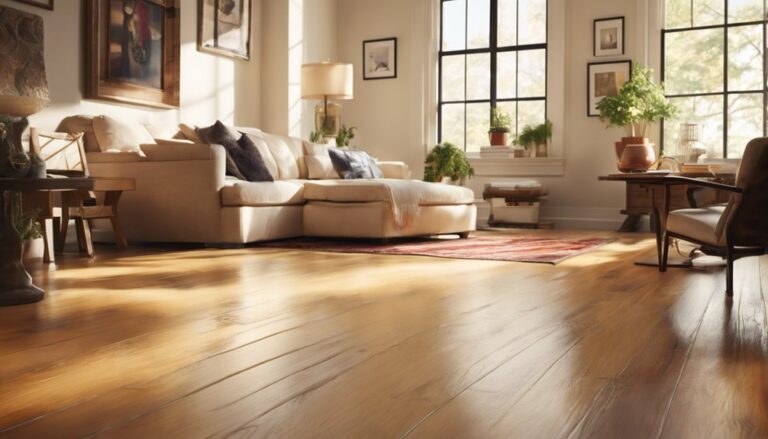

Imagine walking into your home and feeling the warmth and elegance of hardwood floors beneath your feet. There’s something timeless about the beauty they bring to any space.
You’re likely considering making this transformation, but one question stands in your way: how much will it cost to install hardwood floors? You’re not alone in wondering about this. Many homeowners dream of upgrading their floors but hesitate due to concerns about budget and expense.
We’ll break down the costs associated with installing hardwood floors, helping you understand the factors involved and what you can expect. By the end, you’ll have a clear picture of whether this home improvement project fits your budget and can make an informed decision. Ready to dive into the world of hardwood flooring costs? Let’s get started!
 Floor: A Complete Guide”/>
Factors Influencing Cost
Different types of hardwood have different costs. Oak is usually cheaper than Cherry. Exotic woods can be very expensive. Choose wisely based on your budget.
High-quality hardwood is more expensive. Grades affect the cost too. Clear grade is the best and costs more. Rustic grade is cheaper but has more flaws.
Larger areas need more wood. This increases the cost. Small rooms are cheaper to cover. Measure your space to estimate costs.
Labor charges vary by location. Some places have higher rates. Skilled workers may cost more. Compare prices to save money.
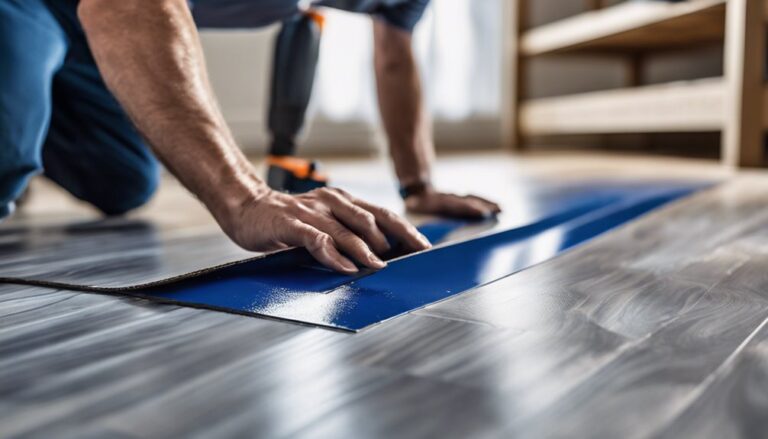
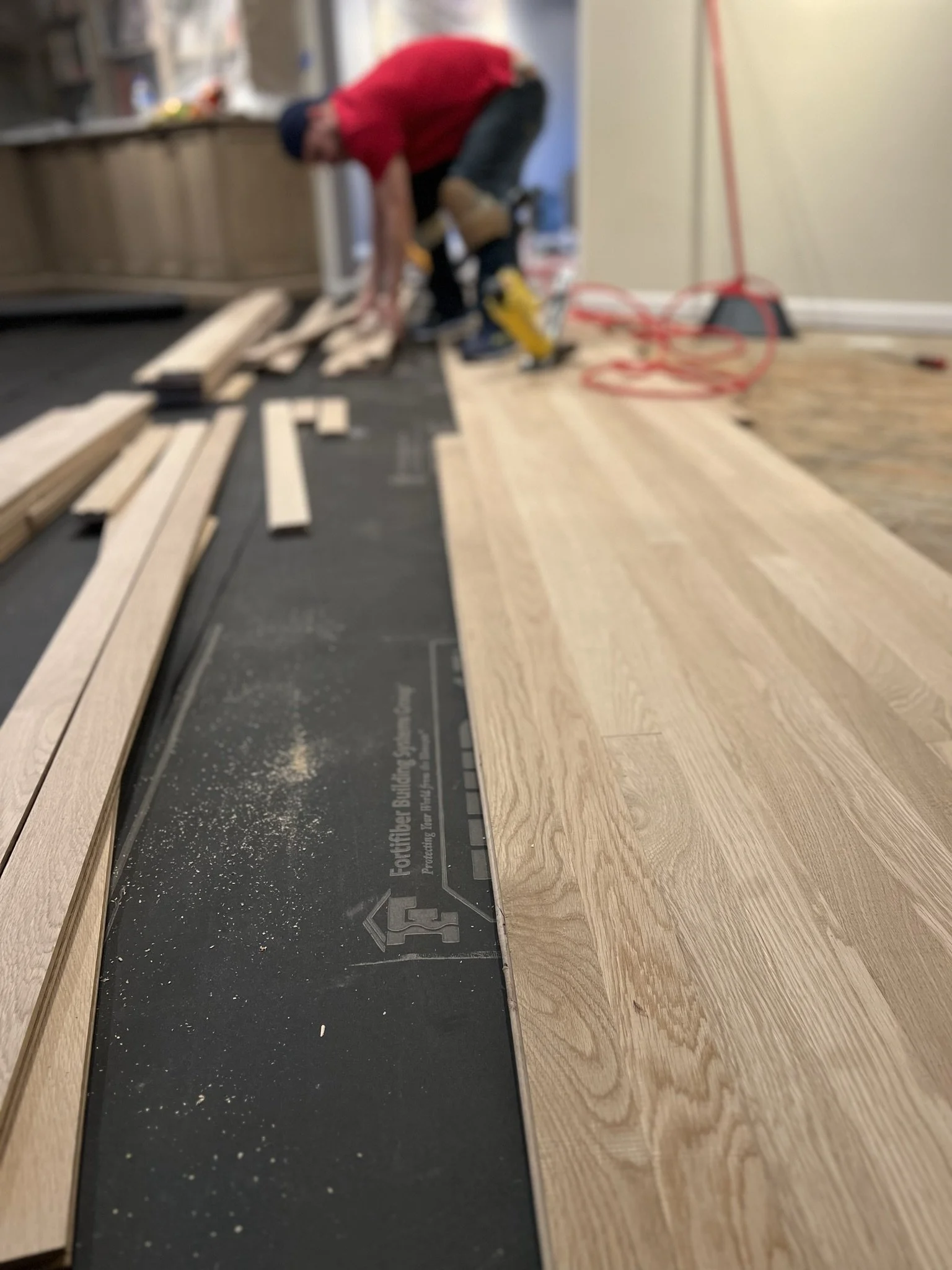
You need extra materials like underlayment and adhesives. These add to the total cost. Don’t forget about nails and finish. Plan ahead to avoid surprises.
Types Of Hardwood Flooring
Solid hardwood is made from one piece of wood. It is very durable and can last a long time. This type can be sanded and refinished many times. It offers a classic look that many people love. It is important to know that it can swell or shrink. This happens with changes in moisture and temperature. Solid hardwood is perfect for living rooms and bedrooms. It adds value to your home.
Engineered hardwood has layers. These layers make it strong. The top layer is real wood, giving it a genuine look. It is less likely to expand or shrink. This makes it good for kitchens and basements. Engineered hardwood is often more affordable. It is also easier to install than solid hardwood.
Reclaimed wood is old wood reused for new floors. It is eco-friendly because it reduces waste. Each piece has a unique look and story. This wood might come from barns or old factories. It can be more costly due to its history. Reclaimed wood brings charm and character to any space. It is a great choice for those who care about the environment.
Cost Breakdown
The cost of hardwood materials varies. Some types are more expensive than others. Oak and maple are common choices. They are often priced higher. Exotic woods can be even more costly. The price depends on the quality and type of wood.
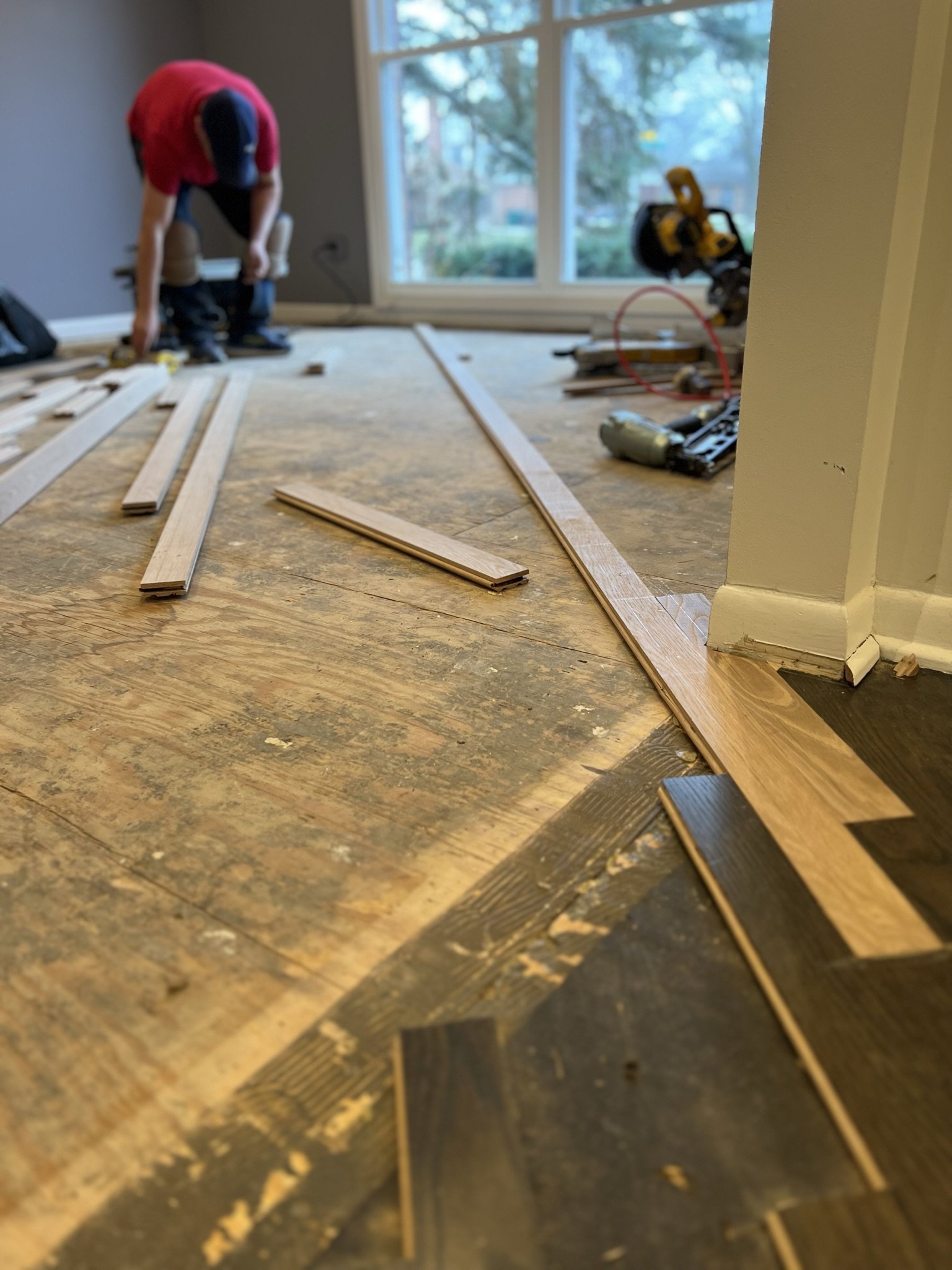
Installation costs depend on the size of the room. Larger rooms require more labor. Professionals charge by the hour or by the square foot. Costs can include removing old flooring. Prices can vary based on the complexity of the work.
Finishing adds to the cost. This includes staining and sealing. These steps protect the wood. They enhance its appearance. The type of finish affects the price. Some finishes are more durable and long-lasting.
Maintaining hardwood floors requires regular care. Cleaning supplies are needed. Repairs may be necessary over time. Polishing can keep floors looking new. These expenses add up. They contribute to the overall cost of owning hardwood floors.
:max_bytes(150000):strip_icc()/installing-hardwood-floor-170040982-582b748c5f9b58d5b17d0c58.jpg)
Diy Vs Professional Installation
Doing it yourself can save money. But, it takes time and effort. Professionals do it faster. They bring expertise and tools. Yet, they charge more. DIY gives control over the project. Mistakes can be costly. Professionals ensure quality. Their work often lasts longer. Consider your skills before choosing.
DIY installation is cheaper. No labor costs. Only pay for materials. Professional installation costs more. Includes labor fees. Materials might be discounted. Price varies by location. Check local rates. DIY can be risky if inexperienced. Mistakes might mean higher costs later.
DIY requires basic skills. Measuring, cutting, and fitting. Professionals have advanced skills. They know tricks of the trade. DIY needs patience and precision. Mistakes can ruin the floor. Professionals handle complex tasks easily. Choose based on your skill level.
Regional Price Variations
Cost differences exist between urban and rural areas. In urban areas, prices are often higher. More people live there. So, demand is higher too. Workers in cities may charge more. They have more expenses. Rural areas often have lower costs. Fewer people need flooring. So, prices can be lower. But, travel costs can add up. Workers might need to drive far. This can increase the price.
Geographical influences also affect costs. Local climate matters. Humid places may need special wood. Some areas have more trees. This can lower costs. Nearby factories can reduce shipping fees. But, remote places might pay more. Shipping can be expensive.
Budgeting Tips
Hardwood floors can be expensive. Plan carefully before you start. List all costs involved. Wood type affects price. Some wood is more costly. Measure the area to know how much you need. Don’t forget the cost of labor. Compare prices from different stores. Avoid surprises by setting a buffer in your budget.
Talk to different contractors. Ask for quotes from each. Explain your budget clearly. Some may offer better deals. Negotiate for a lower price. Sometimes, they can give discounts. Stay polite but firm. Make sure you both understand the job plan. This helps avoid extra charges later.
Search for discounts online. Many stores have sales. Check regularly for special offers. Coupons can save money. Ask friends about any deals they know. Seasonal sales can help lower costs. Buying in bulk might get a better rate. Every dollar saved helps your budget.
Avoiding Hidden Costs
Understanding the full cost of hardwood floor installation is crucial. Consider expenses beyond materials, such as labor, underlayment, and delivery fees. Planning ahead can prevent unexpected charges and keep your budget in check.
Preparing The Subfloor
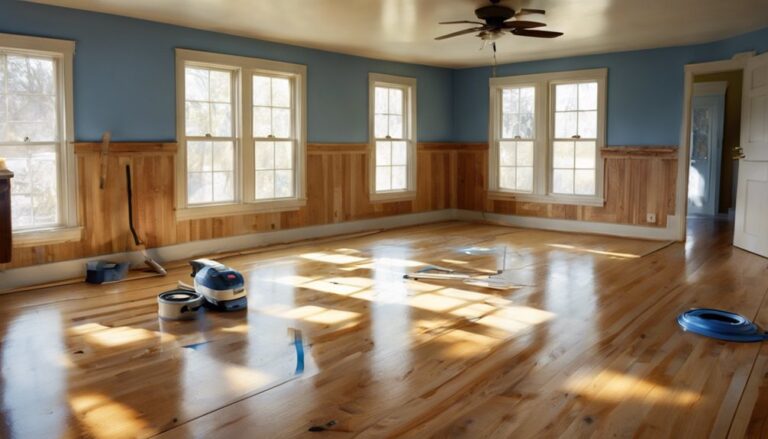
Before laying hardwood, the subfloor must be ready. A clean and level base is key. Subfloor preparation can add to your costs. Scratches or bumps need fixing. Sanding might be required. This ensures a smooth finish. Proper preparation avoids future issues.
Disposal Of Old Flooring
Old floors need removal before new ones fit. Disposal can be tricky. Some old floors are heavy. Removing them takes time and effort. Disposal fees could surprise you. Plan for this in your budget. Hire professionals if needed. They handle heavy lifting and safe disposal.
Permits And Regulations
Permits might be needed for your flooring project. Local rules vary. Check with local authorities. They guide you on requirements. Permits can cost extra. Avoid fines by following rules. Make sure your project is legal. This protects your home investment.

Future Considerations
Considering the future, installing hardwood flooring involves costs for materials, labor, and potential unforeseen expenses. It’s essential to budget for quality wood and professional installation to ensure durability and appeal. Keep in mind, prices can vary based on wood type and regional labor rates.
Lifespan Of Hardwood
Hardwood floors last for a long time. Many types last over 50 years. Durability is a big plus. With care, they stay beautiful. Scratches can happen, but they are fixable. Regular cleaning helps a lot. A good polish brings back shine. Quality wood matters for a longer lifespan.
Potential Resale Value
Homes with hardwood floors sell better. Buyers love the look. They often pay more for them. Hardwood makes rooms feel warm and cozy. It adds a classic touch. Real estate agents suggest it for higher value. It is a smart investment. The floor can be a selling point.
Environmental Impact
Hardwood floors come from trees. Sustainable practices are important. Some woods are better for the earth. Reclaimed wood is an eco-friendly choice. It uses old wood again. Floors can be recycled. They need less chemical cleaning. This is good for the planet. Choose certified wood for best impact.
Frequently Asked Questions
What Factors Affect Hardwood Floor Installation Cost?
The cost of installing hardwood floors depends on several factors. These include the type of wood, labor charges, and room size. Additional costs may arise from subfloor preparation or removal of old flooring. Geographic location can also influence the total cost.
Always get multiple quotes for the best price.
How Long Does Hardwood Floor Installation Take?
Typically, hardwood floor installation takes 1 to 3 days. The timeline depends on room size and complexity. Preparation, such as acclimation and subfloor work, may add extra days. It’s essential to plan for potential delays. Consult with professionals for a more precise estimate based on your specific project.
Is Professional Installation Necessary For Hardwood Floors?
Professional installation is highly recommended for hardwood floors. Experts ensure proper fitting, reducing gaps and imperfections. They have the right tools and experience for a seamless finish. DIY installation risks costly mistakes. Investing in professional services can enhance the floor’s durability and appearance, ensuring long-term satisfaction.
Can I Install Hardwood Floors Over Concrete?
Yes, you can install hardwood floors over concrete. However, a moisture barrier is crucial to prevent damage. Engineered hardwood is often preferred for concrete installations due to its stability. Proper preparation and professional advice ensure a successful installation. Always check the manufacturer’s guidelines for specific requirements and recommendations.
Conclusion
Choosing hardwood flooring is a smart investment for your home. It adds beauty and value. Costs vary based on wood type and labor. Consider your budget and style preferences. Get quotes from local professionals. Compare their expertise and prices. Also, factor in long-term benefits and maintenance costs.
Hardwood floors can last for decades with proper care. They offer durability and elegance. Make an informed decision. Research thoroughly. Your choices today impact your home’s future value. Enjoy the timeless charm and warmth of hardwood floors. It’s worth every penny spent.