
Have you ever wondered how many steps are in one floor? Whether you’re planning to build your dream home, starting a new fitness routine, or just curious, knowing this can be surprisingly useful.
Picture this: you’re trying to get fit, counting steps as you climb the stairs. But wait, how many steps should you actually expect when you ascend a floor? This seemingly simple question can make a big difference in your daily life and choices.
You might discover insights that help you design better spaces or optimize your workout routine. Dive into this article to uncover the mystery of steps per floor, and you might just find yourself looking at stairs in a whole new light!

Factors Influencing Step Count
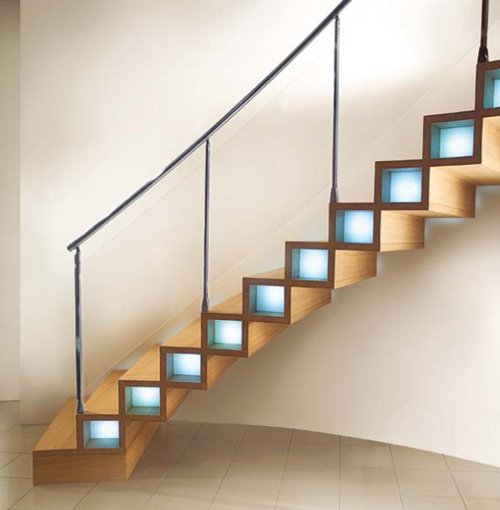
The design of a building affects the number of steps. Some buildings have high ceilings. This means more steps per floor. Others have low ceilings. Fewer steps are needed here. Building shape can also impact step count. Spiral stairs take more steps. Straight stairs take fewer.
The building’s purpose changes step count. Schools often have more steps. This is for safety reasons. Offices may have fewer steps. They focus on space saving. Hotels often have steps for looks. This varies step numbers.
Steps follow rules and standards. Safety laws guide step numbers. Different countries have different rules. Standard step heights also vary. This can change total steps. Builders follow these rules closely.
Variations In Residential Buildings
Exploring residential building designs reveals varied staircases across floors. The step count depends on ceiling height and stair design. Typically, one floor may have around 12 to 16 steps, influenced by architectural choices and building codes.
Single-family Homes
Single-family homes usually have fewer steps between floors. These homes often have 8 to 12 steps in a flight. The number of steps can differ by home design. Some homes have steeper stairs. Others have more gentle slopes. The height of each step also affects the total count. Steps are usually around 7 inches tall. This makes climbing easy and safe.
Apartments And Condominiums
Apartments and condos might have more steps. These buildings often have 10 to 15 steps per floor. The number of steps depends on the building’s structure. Some condos have more levels. This means more steps to climb. Tall buildings sometimes have elevators too. This helps people reach higher floors easily. Steps in these buildings are usually the same height as in homes. This keeps them comfortable to use.
Commercial And Industrial Buildings
Office buildings can be tall. They often have many floors. Each floor may have around 10 to 12 steps. Steps can be steep or flat. Stairs help people move between floors. Elevators are also common in office buildings. Elevators make it easier for people to travel up and down. Some buildings have ramps instead of stairs. Ramps are good for people who use wheelchairs. Safety is important when using stairs or ramps. Always hold the railing while climbing stairs. It helps prevent falls and accidents.
Warehouses and factories are often large and spread out. These places usually have fewer floors than office buildings. One floor might have fewer than 10 steps. Large machines may be used to move goods. Workers use stairs to reach higher levels. Safety is a top concern in warehouses. Signs often remind workers to be careful. Proper lighting is also important in these spaces. Bright lights help workers see clearly. This reduces the chance of accidents.

Public Infrastructure
Determining the steps in one floor depends on building design and ceiling height. Generally, a floor has about 12 to 16 steps. Architects consider safety, comfort, and accessibility in stair design.
Schools And Universities
Schools often have stairs with a
Hospitals And Health Facilities
Hospitals are usually large with many floors. The steps per floor can vary widely. Generally, they have 12 to 18 steps per floor. This can change based on the building’s design. Doctors and nurses move swiftly through these spaces. Visitors and patients require easy access. Elevators are often used for convenience. The steps are constructed to be safe and sturdy.
Historical And Cultural Buildings
Museums often have many stairs. Each floor can have 15 to 20 steps. Big museums might have more. Heritage sites might vary. Some have spiral staircases. Others have wide steps. Old buildings may have stone steps. Each step can be different in size. Visitors enjoy exploring these steps.
Churches often have tall towers. Many steps lead up. Some towers have 100 steps or more. Temples can have long stairways. Pilgrims climb many steps. Some steps are wide, some narrow. Stairs in temples often have symbolic meanings. Climbing is seen as a journey. People enjoy visiting these places.
Step Count Guidelines
Safety in stair design is very important. Stairs should have even steps. Uneven steps can cause falls. Handrails are necessary for support. They help people move safely. For wheelchair users, ramps are better. Ramps should have a gentle slope. This makes them easier to use. Lighting is also key. Bright lights help people see the steps clearly. This can prevent accidents.
Comfort in stairs means easy climbing. Steps should not be too high. High steps make people tired. Tread width should be enough for one foot. This helps in balance. Material of the stairs matters too. Soft coverings are better. They reduce noise and increase comfort. Design should consider all users. Kids, adults, and elders. Everyone should find stairs easy and comfortable.
Impact Of Technology
Builders use smart machines to make strong buildings. These machines help make work fast and easy. Workers use machines to lift heavy things. This keeps them safe. Builders can make tall buildings with these machines. They work both day and night. Walls are now built with special tools. These tools make sure the walls are straight. Modern techniques save time and money. They also make buildings last longer. Builders can finish a house in just weeks. This is much faster than before.
Homes now have smart systems to help us. These systems control lights and fans. People can use their phones to turn them on or off. This is called smart technology. It makes life easy. These systems can also save energy. They turn off lights when not needed. Smart homes help keep us safe too. They have cameras and alarms. People feel safe in their homes. With these solutions, living is more fun and easy.
Practical Considerations
Maintenance and Durability are key factors in building stairs. Proper care keeps them safe and strong. Regular checks help find cracks or loose parts. This prevents accidents and keeps stairs looking new. Good materials like wood or steel last longer. They handle wear and tear better than cheaper options. Paint or varnish protects surfaces from damage. It also makes them easy to clean. Dirt and water can weaken stairs over time. So, keeping them dry is important. Fix small issues quickly to avoid bigger problems. This saves money in the long run. Well-maintained stairs improve home value.
Cost Implications vary based on design and materials. Simple stairs are cheaper. Fancy designs cost more. Material choice affects price. Wood is often less expensive than steel. Labor costs also add up. Skilled workers charge more. But they ensure quality work. Budget carefully for all costs. This includes maintenance in the future. Spending wisely keeps overall costs down. Quality materials may cost more upfront. But they save money by lasting longer. Consider all factors before making decisions. Good planning avoids unexpected expenses.

Frequently Asked Questions
How Many Steps Are In A Typical Floor?
A typical floor has around 10 to 15 steps, depending on the building’s design and stair dimensions. Residential buildings often have fewer steps than commercial structures. Variations occur due to factors like ceiling height and stair angle, influencing step count.
Always check specific building plans for accurate step numbers.
What Factors Affect Step Count Per Floor?
Step count is affected by ceiling height, stair angle, and tread depth. Higher ceilings and steeper angles result in more steps. Building regulations also play a role, ensuring safe and comfortable stair designs. Step dimensions and design preferences can vary, impacting the exact number of steps per floor.
Are Steps Uniform Across All Buildings?
No, steps vary across buildings due to design differences. Residential, commercial, and industrial structures have distinct step counts. Factors like purpose, design standards, and space availability cause variations. Always refer to building plans or consult architects for precise step numbers in specific buildings.
How Do Building Codes Influence Step Count?
Building codes set safety standards, impacting step count. They dictate step dimensions, ensuring safe ascent and descent. These regulations require specific tread and riser measurements, affecting total steps per floor. Compliance with codes ensures staircases meet safety requirements, influencing design and step count.
Conclusion
Understanding the steps in a floor helps with planning and safety. Most floors have around 12 to 16 steps. Step count varies based on ceiling height. Taller ceilings mean more steps. Keep this in mind when designing or renovating. Knowing step counts aids in accessibility.
This is crucial for elderly or disabled individuals. Safety is key, and proper step count reduces accidents. Consider these factors for a functional and safe staircase. Thoughtful design benefits everyone, providing ease and comfort. By considering step count, you create a welcoming space.