
Have you ever wondered how long it takes for an epoxy floor to dry? Whether you’re considering installing an epoxy floor in your home, garage, or business, understanding the drying time is crucial.
It affects not only your schedule but also the ultimate durability and appearance of your floor. Imagine the frustration of stepping on a beautifully coated floor only to leave marks because it wasn’t fully cured. You want to avoid that, right?
That’s why knowing the drying time is essential to ensure your floor is ready for action. Dive into this guide to discover everything you need to know about the drying process of epoxy floors, so you can plan confidently and enjoy a flawless finish. Curious about the factors that influence drying time and how you can speed it up? Keep reading to unlock the secrets of epoxy drying and ensure your next flooring project is a success.
Factors Affecting Drying Time
Warm temperatures help epoxy dry faster. Cold temperatures slow drying. High humidity can delay the process. Low humidity speeds it up. A balance is best for drying.
Different epoxies dry at different rates. Fast-drying types take less time. Standard types may take longer. Always check the product label.
Thin layers dry quickly. Thick layers need more time. Multiple thin layers are recommended. They help avoid delays in drying.
Good air flow helps drying. Poor ventilation causes delays. Open windows and use fans. They speed up the drying process.
Stages Of Epoxy Drying
The initial cure happens in about 12 hours. During this time, the epoxy starts to harden. It feels sticky to touch. You can walk on it with care. Avoid placing heavy items on the floor.
The partial cure stage takes 24 to 48 hours. The floor is harder now. You can walk on it normally. It is still not ready for heavy loads. Keep the area clean and avoid spills.
The full cure completes in 7 days. The floor is strong and durable. You can move furniture back. It is ready for normal use. Enjoy your new epoxy floor!
Typical Drying Timeframes
Most epoxy floors need time to dry. Standard epoxy usually takes 24 to 72 hours. This is for the initial drying. Complete curing takes longer. It can take up to a week. During this time, avoid heavy use. This helps the floor become strong and durable. A good plan ensures the best results.
Some epoxies dry faster. Fast-drying epoxy can be ready in 6 to 12 hours. This is good for quick projects. But, it may not be as strong. Always check the instructions. Follow them closely for the best outcome. Choose wisely based on your needs.

Tips For Faster Drying
Keep the room warm and dry for best results. Humidity slows drying. Use a dehumidifier to reduce moisture. Open windows for airflow. Fresh air helps the floor dry faster. Ensure the temperature is between 70°F and 85°F. This is the best range for drying.
Fans move air and speed up drying. Place fans around the room. Heaters can help if it’s too cold. Warm air helps the epoxy dry faster. Do not overheat the room. Keep the temperature safe for the materials.
Some epoxy brands dry faster. Look for quick-dry labels. These can save time. Always check product instructions. Follow them for best results. Quick-dry options may cost more. But they can be worth it.
Common Drying Challenges
Epoxy floors sometimes feel sticky. Sticky floors are not dry. Humidity makes this worse. Low temperatures do too. Mixing the epoxy wrong causes tackiness. Patience is key. Wait for dry days. Ventilation helps. Fans make air move. Dry air helps dry floors.
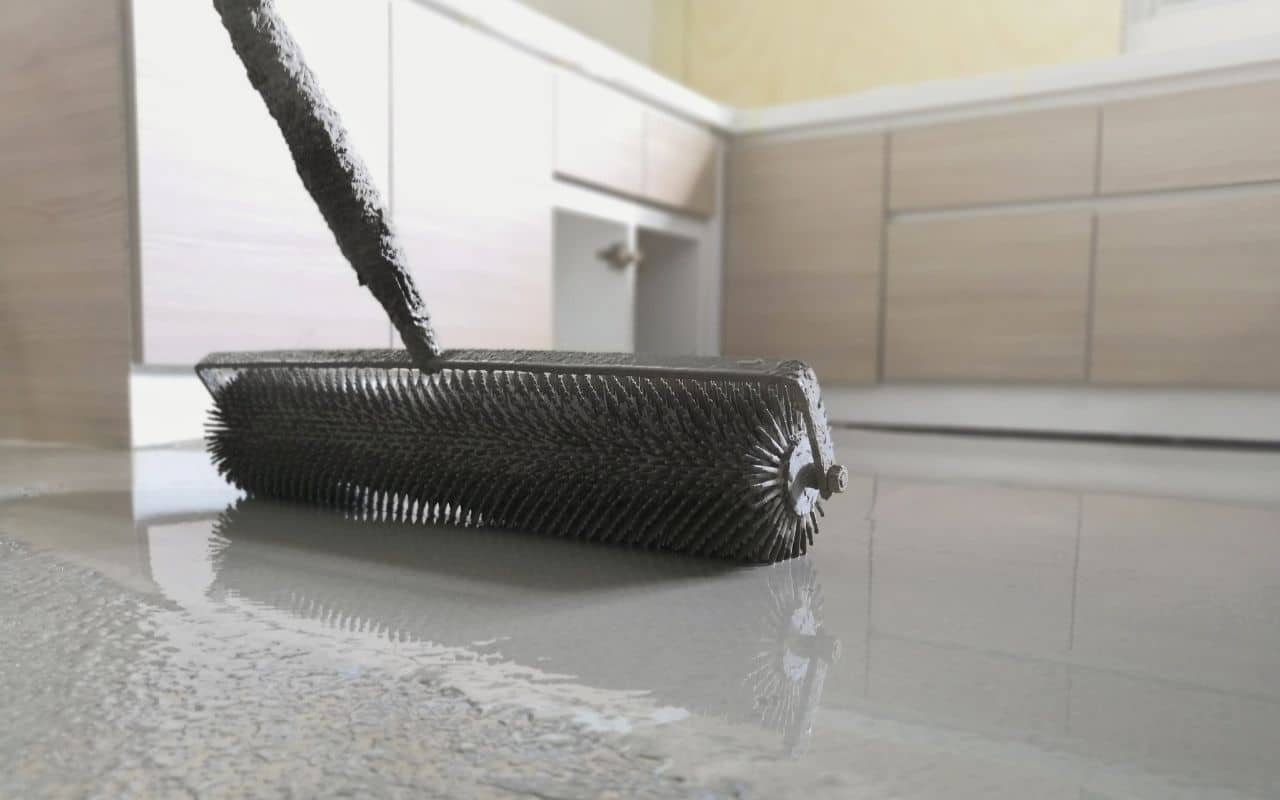
Bubbles can form on epoxy floors. Trapped air causes these bubbles. Improper mixing can lead to blisters. Rapid temperature change is bad. Warm days are best. Slow drying prevents bubbles. Use a roller to smooth out blisters.
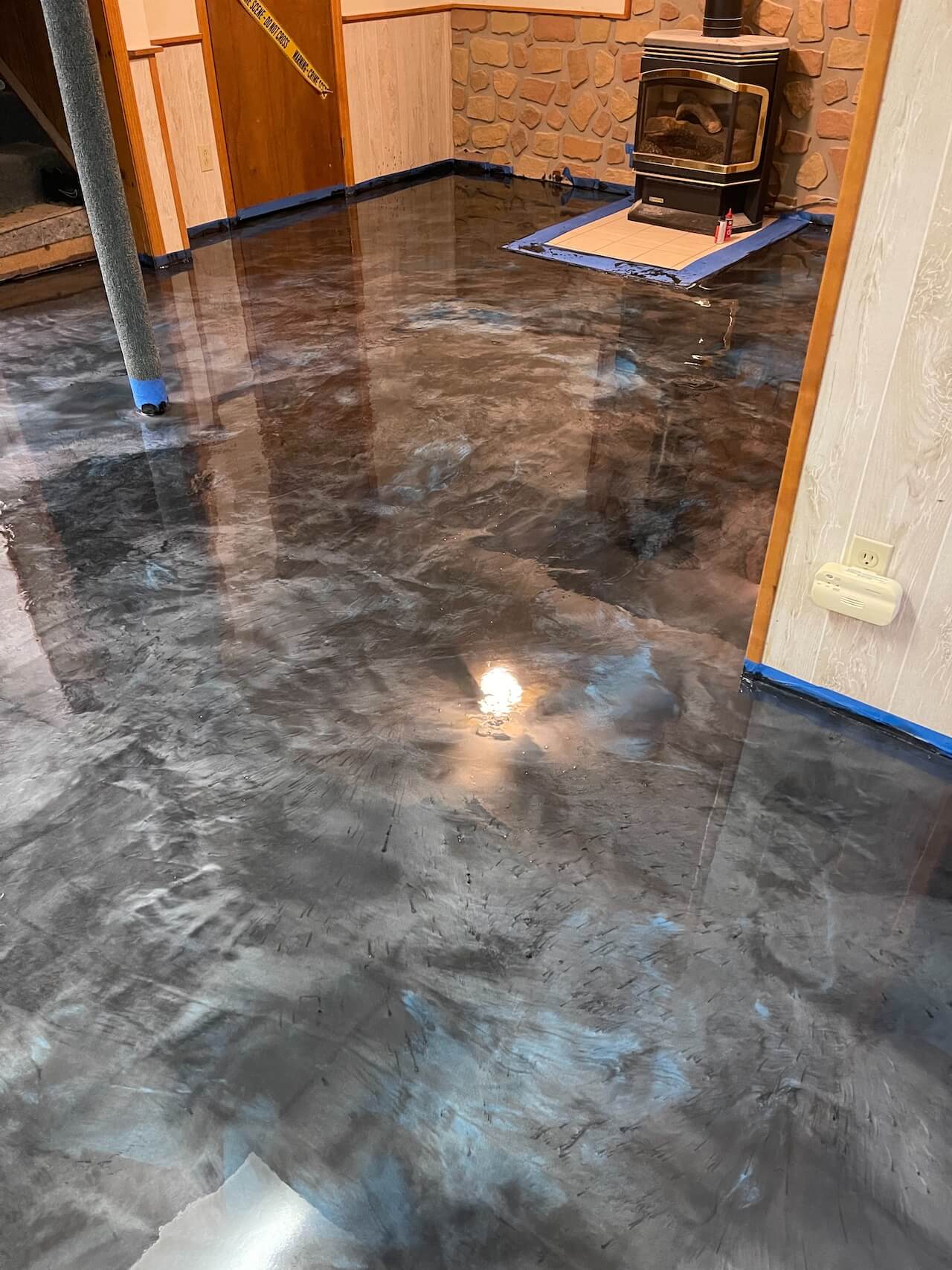
Parts of the floor may dry at different times. This happens if the floor is not even. Thicker areas take longer. Thin layers dry faster. Ensure even application for best results. Use a leveler to smooth the floor. Check for shiny spots; they may still be wet.
Safety Precautions During Drying
Epoxy floors usually dry within 24 to 72 hours. Ensure good ventilation to prevent fumes buildup. Use protective gear like gloves and masks to avoid skin and respiratory issues.
Proper Ventilation
Good air flow is important for drying epoxy floors. Open windows and doors to allow fresh air inside. This helps the floor dry faster and reduces smell. Use fans to improve ventilation. Place them near the open windows or doors. This way, the air moves better. Keep pets and kids away from the area. They might disturb the drying floor.
Personal Protective Equipment
Wear protective gear when working with epoxy. Gloves protect your hands from chemicals. Wear a mask to avoid breathing in fumes. Safety glasses keep your eyes safe. Long sleeves and pants cover your skin. Make sure to wear sturdy shoes. This protects your feet from any spills.
Handling Spills And Drips
Clean up any spills right away. Use paper towels or old cloths. Dispose of them safely after use. Do not let epoxy touch your skin. Rinse with water if it does. Keep the area clean and tidy. This helps ensure safety during drying.
Maintenance After Drying
Use a soft mop to clean the floor. Avoid using harsh chemicals. Water and mild soap are best. Clean spills quickly to prevent stains. Dry the floor after cleaning to avoid slips. Ensure all corners are cleaned properly.
Sweep the floor daily to remove dust. Dirt can scratch the surface. Use a microfiber mop for regular cleaning. Keep the floor dry to maintain its shine. Avoid dragging furniture across the floor. Place mats at entrances to catch dirt.
Heavy objects can dent the floor. Use pads under furniture legs. Do not use metal tools on the floor. Sharp objects can cause scratches. Keep the floor away from direct sunlight. Sun can fade the floor color over time.
Frequently Asked Questions
How Long Before Walking On Epoxy Floors?
Epoxy floors typically require 24 to 48 hours to dry before you can walk on them. This drying time ensures the surface is hard enough to prevent any damage. However, it’s always best to check the manufacturer’s guidelines for specific drying times as they can vary.
Can Epoxy Floors Dry Faster With Heat?
Yes, using heat can speed up the drying process of epoxy floors. Increasing the ambient temperature and ensuring proper ventilation can help. However, it’s crucial to follow the manufacturer’s instructions to avoid negatively affecting the curing process or compromising the finish.
What Affects Epoxy Floor Drying Time?
Several factors can affect epoxy floor drying time, including temperature, humidity, and ventilation. Colder temperatures and high humidity levels can slow down the drying process. Ensuring proper airflow and following the manufacturer’s instructions can optimize drying conditions.
Is Epoxy Floor Drying Time The Same As Curing?
No, drying time and curing time for epoxy floors are different. Drying time refers to when the floor is dry to the touch. Curing time is when the floor has reached full hardness and chemical resistance, typically taking 7 to 10 days.
Conclusion
Epoxy floors need time to dry. Usually, they dry in 24 hours. But full curing takes longer. Often, it’s around 72 hours. Conditions matter a lot. Temperature, humidity, and airflow affect drying. Cooler spaces slow the process. Warm areas speed it up.
Planning helps avoid surprises. Choose the right time for installation. Ensure proper ventilation. This leads to a perfect finish. Remember, patience pays off. Wait for full curing before heavy use. Protect your investment by following guidelines. Your floor will last longer.
Enjoy a durable, beautiful surface. It’s worth the wait.