
Imagine walking into your kitchen or office, only to stumble over equipment that seems awkwardly placed. You might wonder, “Is there a standard height for floor-mounted equipment?”
This question is more crucial than you might think, impacting both safety and efficiency in your space. You deserve a seamless environment where every piece of equipment is perfectly positioned for optimal use. By understanding the ideal height for floor-mounted equipment, you can enhance the functionality and aesthetics of your surroundings.
This article will guide you through the essential factors to consider, ensuring you make informed choices that benefit both you and your space. Curious about the ideal height? Let’s dive in and discover the secrets to perfect placement.
Importance Of Proper Equipment Height
Keeping equipment at the right height is vital for safety. If equipment is too low, it can cause tripping hazards. When equipment is too high, reaching for it can lead to injuries. Proper height ensures everyone stays safe. It also helps prevent accidents. Equipment should be easy to see and use. This makes the area safer for everyone.
Equipment should be easy to reach for all users. Both tall and short people should use it comfortably. Proper height ensures everyone can access the equipment. This is important for people in wheelchairs too. Accessible equipment is user-friendly. It makes using the equipment easy for everyone. Good design helps all people.
Equipment at the right height reduces strain. It helps prevent muscle pain. Ergonomic design is key for comfort. Proper height supports good posture. This keeps users comfortable while using equipment. Good height makes tasks easier. It also reduces fatigue. Everyone should feel good using the equipment.

Factors Influencing Equipment Height
Different equipment has different height needs. Ovens and stoves need to be at a safe height. This helps avoid burns. Refrigerators often sit lower to the floor. It makes it easy to access food. Dishwashers might be higher for easy loading.
People’s heights affect equipment height needs. Shorter people need lower equipment. Taller people need higher equipment. Children need special consideration. This ensures safety and ease of use. Elderly users might need equipment adjusted for accessibility.
Room size can limit equipment height. Small kitchens may have less space. Equipment might need to fit under counters. Large rooms can have more flexible heights. Ceiling height also plays a role. Equipment can’t be too tall for the room.
Industry Standards And Guidelines
Building codes help keep us safe. They tell us how high equipment should be. Safety is the most important rule. Equipment should not block exits or hallways. This prevents trips and falls. Codes may vary. Check with local authorities.
Manufacturers know their products best. They suggest the right height for equipment. Following their guidance keeps equipment working well. Proper height ensures tools work as they should. Always read manuals for specific advice.
Different industries have different needs. Restaurants might need equipment at one height. Factories might need another height. Keeping equipment at the right height helps with efficiency. It also helps with safety. Follow industry trends for the best results.

Adjustable Equipment Solutions
Adjustable designs make life easier. They suit different needs. These designs help with space. They can fit anywhere. More room for movement. They improve comfort. No more bending or stretching. Better posture. Less strain on the body. Easy cleaning. No more hard-to-reach spots. Safer environment for everyone.
Many mechanisms exist. Spring-loaded designs are popular. Easy to adjust. Another type is hydraulic. Smooth and precise movements. Manual adjustments are simple. No tools needed. Electric adjustments for ease. Just push a button. Each type offers unique benefits. Choose what suits your needs.
Think about space first. Measure the area. Consider weight limits. Equipment must be stable. Check durability. Strong materials last longer. Maintenance is crucial. Keep equipment clean. Safety checks are necessary. Ensure the design is user-friendly. Everyone should find it easy to use.
Case Studies And Examples
In homes, equipment height matters. Safety is important. Children need protection. Equipment should be out of reach. Pet-friendly homes need secure setups. Stoves, for example, must be at a safe height. Elderly residents need accessible equipment. This helps with daily tasks. Wheelchair users need reachable equipment. Proper height makes life easier.
In stores, equipment placement affects customers. Shelves must be reachable. Customers find items easily this way. Cash registers should be at a comfortable height. Workplace safety is important too. Employees need safe equipment. Kitchens in restaurants need good equipment height. This helps chefs work better. Customer service counters must be accessible. Everyone should feel welcome.
Hospitals need careful equipment placement. Patient safety comes first. Equipment must not block pathways. Staff need easy access to tools. This helps them work fast. Exam tables should be adjustable. Patients feel more comfortable. Waiting areas need proper equipment placement. This ensures a pleasant stay.
Future Trends In Equipment Design
New technologies change how equipment is made. Smart systems help machines work better. Robots make tasks easier. Sensors check how machines are doing. They make sure everything is fine. This means less repair time. Machines work for longer. Companies save money. Smart designs are becoming popular.
Eco-friendly designs matter now. Green materials are used more. They help save the planet. Designs focus on using less energy. Recycling is important too. It helps reduce waste. Equipment lasts longer. Durable designs are the new trend. They help protect nature.
User-friendly designs make life easier. Simple controls help people use machines. Designs focus on what people need. Comfort is key. Machines are easy to understand. Safety features keep people safe. They stop accidents. Easy access is important. People like simple equipment.
Frequently Asked Questions
What Is The Ideal Height For Floor Equipment?
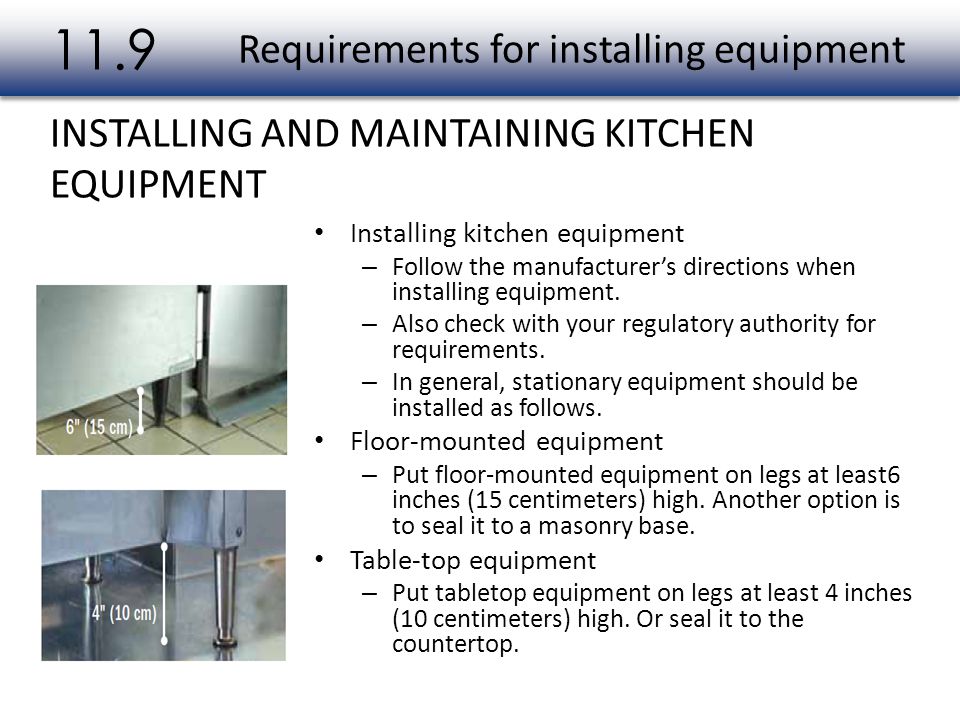
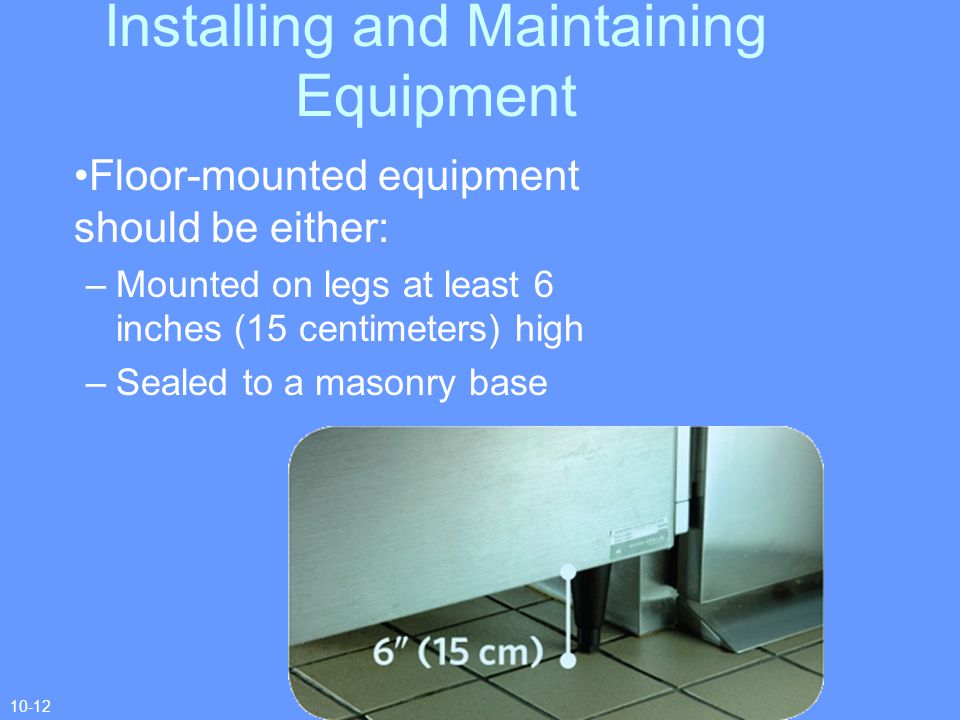
The ideal height for floor-mounted equipment is typically 6 inches from the floor. This height ensures proper ventilation and easy cleaning. It also helps in avoiding water damage. Specific requirements may vary depending on the equipment type and industry standards.
Always consult manufacturer guidelines for precise recommendations.
Why Is Equipment Elevation Important?
Elevating equipment is crucial for safety, maintenance, and efficiency. It prevents water damage and allows proper airflow. It also simplifies cleaning and maintenance tasks. Proper elevation helps comply with industry regulations. Ensuring the right height can extend equipment lifespan and enhance operational effectiveness.
How Does Equipment Height Affect Performance?
Proper equipment height ensures optimal performance by allowing adequate airflow and preventing overheating. It minimizes dust accumulation and potential water damage. Correct height also facilitates easy access for cleaning and maintenance. Overall, it contributes to efficiency, safety, and longevity of the equipment.
Are There Specific Regulations For Equipment Height?
Yes, certain industries have regulations for equipment height to ensure safety and efficiency. These standards may vary by region and equipment type. It’s essential to check local codes and manufacturer guidelines. Compliance helps avoid penalties and ensures optimal equipment operation and longevity.
Conclusion
Choosing the right height for floor-mounted equipment matters. It affects safety and efficiency. Equipment too low can be hard to use. Too high can cause strain and discomfort. Measure carefully before installation. Consult professionals if needed. Each space has unique needs.
Consider the users and tasks performed. Regular checks ensure equipment stays secure and functional. Proper height boosts productivity and reduces accidents. Planning and precision make spaces more user-friendly. Always aim for balance and practicality. Keep spaces safe and accessible for all users.