

Imagine walking into your kitchen or pantry and knowing that all your food is stored safely and securely, away from any potential harm. How would that make you feel?
Pretty good, right? Proper food storage is crucial for maintaining food quality and safety, and one key aspect is ensuring that your food is kept off the floor. But just how far off the ground should your groceries be? This simple yet important detail can make a world of difference in preventing contamination and spoilage.
Are you confident that your food storage practices are keeping your family safe? Dive into the article to discover the optimal height for storing food off the floor and learn how this small adjustment can have a big impact on your health and peace of mind.
Importance Of Proper Food Storage
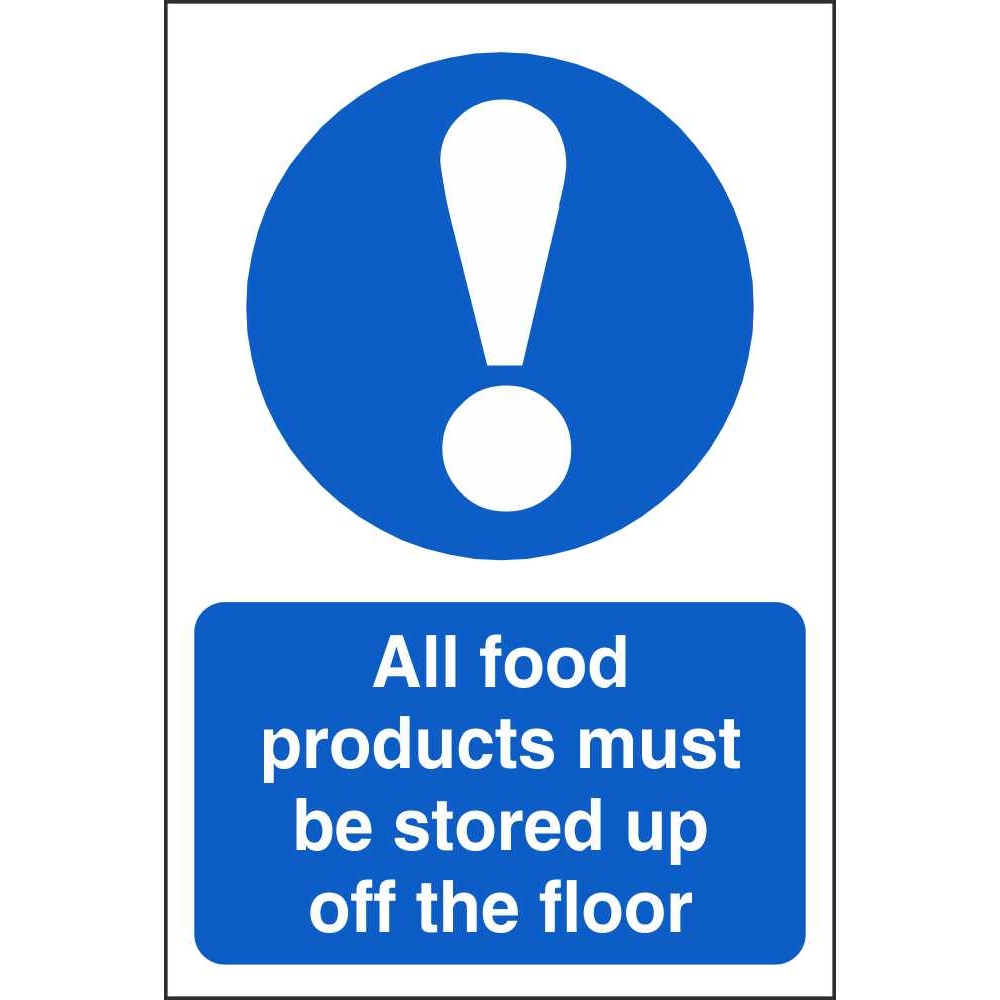
Proper food storage is very important. It keeps food safe from contamination and pests. Food should be stored at least six inches off the floor. This helps to avoid dirt and spills. Keeping food off the floor also helps with air circulation. It prevents moisture buildup which can cause mold.
Storing food higher keeps it away from cleaning chemicals on the floor. This prevents harmful chemical exposure. Proper storage also makes cleaning easier. It ensures that food stays fresh and safe for everyone.
Remember, storing food correctly keeps it safe and healthy. It is a simple way to protect our food and health.
Risks Of Storing Food On The Floor
Storing food on the floor can lead to contamination. Dust and dirt easily settle on food. This makes the food unsafe to eat. Germs and bacteria can spread quickly. Floors are not clean spaces. Food needs to be kept in safe places. Clean shelves or containers are much better. This keeps food away from harmful dirt.
Pests love food on the floor. They find it easy to reach. Ants, rats, and bugs can eat and spoil it. Pests can make people sick. They carry germs and spread diseases. Keeping food off the floor helps keep pests away. Use sealed containers to protect food. This way, pests cannot get in.
Recommended Elevation For Food Storage
Food must be stored at least 6 inches off the floor. This helps keep food safe from dirt and water. Storing food this way also keeps pests away. It is important to follow these rules for clean food. Many industries follow this standard.
Health departments have strict rules for storing food. Keeping food off the floor stops germs from spreading. It protects food from damage and keeps it fresh. These rules help keep people healthy. Following them is very important for food businesses.

Best Practices For Food Storage
Food storage is important for safety. Use pallets to keep food off the floor. Shelves can help organize food items. Keep food away from dirt and water. This stops germs from spreading.
Organize food by type. Store canned goods together. Put fresh foods in one place. Use labels to find items quickly. Make sure there is enough space between items. This helps air flow and keeps food fresh.
Benefits Of Elevated Food Storage
Keeping food off the floor helps maintain cleanliness. It protects food from dust and dirt. Bugs and animals cannot reach it easily. This means less chance for contamination. Clean food is safer to eat.
Raised storage makes food easy to grab. No need to bend or stretch. This can help people of all ages. Finding items becomes quicker and simpler. It makes cooking and cleaning more fun.
Common Mistakes To Avoid
Shelves can only hold so much weight. Too much weight can make them break. Always check how much weight a shelf can hold. Heavy items should be placed on lower shelves. Light items go on top. This keeps shelves safe and strong. It also helps you find what you need.
Food should be stored at least 6 inches off the floor. This keeps food safe from dirt and pests. It also helps air to flow around the food. Airflow keeps food fresh longer. Remember, keeping food off the floor is very important. It helps keep food safe and clean.
Tools And Equipment For Safe Storage
Storage racks help keep food off the floor. They come in many types. Metal racks are very strong. They last a long time. Plastic racks are light. Easy to move. Wooden racks look nice. But they can break. Choose racks that hold your food safely. Make sure they are clean. Avoid rust or dirt.
Picking the right equipment is key. Shelving units should fit your space. They must be sturdy. Avoid shelves that wobble. Bins and containers should seal tight. This keeps food fresh. Labels help you find things fast. Use labels on all containers. Trolleys move food around easily. Choose ones with wheels that lock.
Training Staff On Storage Practices
Staff must know food can be unsafe. Germs grow fast on floors. Learning about germs keeps food safe. Teach staff to keep food away from dirt. Clean storage reduces health risks. Healthy storage means healthy food.
Regular checks keep food safe. Staff should check storage often. Use checklists for easy checks. Make sure food stays off the floor. Look for spills and clean them quickly. Follow rules for safe storage. Clean storage helps keep food fresh.
Frequently Asked Questions
Why Store Food Off The Floor?
Storing food off the floor prevents contamination and pests. It also complies with health regulations. Proper storage ensures food safety and quality. Elevating food helps maintain hygiene standards and reduces spoilage risks.
How High Should Food Be Stored?
Food should be stored at least six inches off the floor. This height prevents contamination from spills and pests. It also allows for proper cleaning underneath storage areas. Ensure shelves or pallets are stable and clean.
What Are The Risks Of Floor Storage?
Floor storage can lead to contamination from dirt and moisture. It also increases the risk of pest infestation. Food can be damaged or spoiled if stored improperly. Maintaining proper elevation helps avoid these risks.
Is Shelving Necessary For Food Storage?
Shelving is essential for organized and safe food storage. It keeps food elevated and accessible. Shelves help maintain hygiene and simplify inventory management. Ensure shelves are clean and sturdy for optimal storage.
Conclusion
Storing food off the floor is crucial for safety. It prevents contamination and pests. Keeping food elevated also avoids moisture damage. Aim for at least six inches off the ground. This simple step helps maintain freshness. It ensures food quality and hygiene.
Easy to implement in homes and businesses. Consider shelving options to organize efficiently. Regular checks can ensure compliance with safety standards. Safe storage practices protect health and save money. A small effort can lead to big benefits. Remember, safe storage is key to healthy meals.