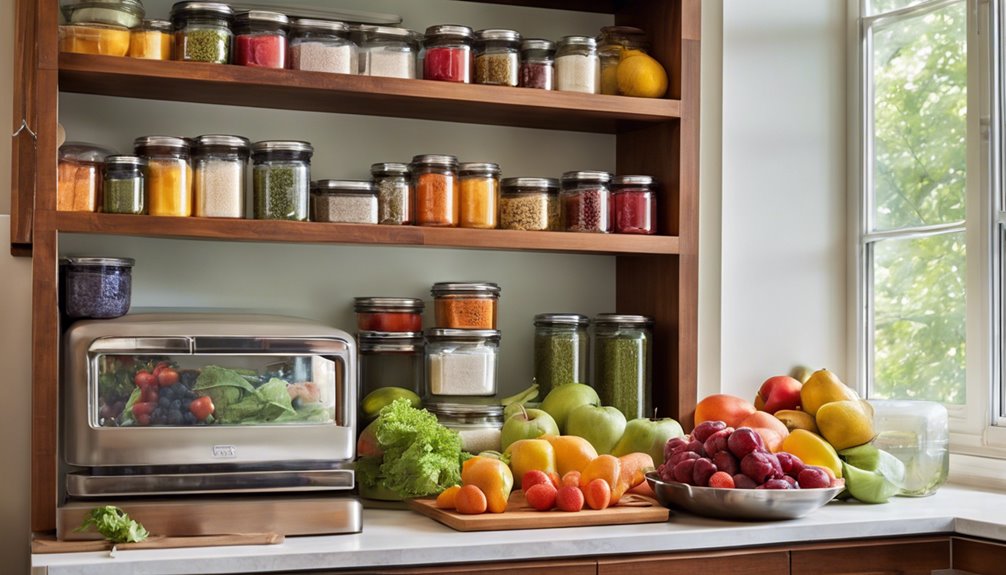

You should store food at least six inches off the floor. This height prevents contamination and minimizes the risk of pests. For ideal safety, heavier items should be lower and lighter items higher, keeping frequently used items at eye level for easy access. Raw foods must be stored separately from ready-to-eat items to avoid cross-contamination. Additionally, maintaining cleanliness around your storage area is essential for hygiene. Following these guidelines not only complies with food safety regulations but also enhances kitchen efficiency. If you're curious about further best practices, you might want to explore more tips on effective food storage.
Importance of Food Storage Height
When you consider food storage height, it's vital to understand how it affects both accessibility and food safety. Proper food preservation hinges on effective storage techniques that prevent contamination and spoilage. Storing food at the right height helps you avoid contact with moisture and pests typically found near the floor. It also guarantees that you can easily reach items, reducing the risk of accidents and promoting efficient kitchen organization. Furthermore, maintaining an ideal height can aid in managing temperature variations, significant for perishable goods. Ultimately, recognizing the importance of food storage height will empower you to create a more functional and safe storage environment, enhancing your overall food management practices while preserving the quality of your ingredients.
Recommended Storage Heights
When storing food, adhering to ideal height guidelines is essential for both accessibility and safety. You'll want to take into account hygiene standards to minimize contamination risks and guarantee proper air circulation. Understanding these recommended storage heights can help you maintain a more organized and safe food storage environment.
Ideal Height Guidelines
While it might seem convenient to store all food items at any height, adhering to recommended storage heights is essential for both accessibility and safety. The ideal storage height typically ranges from 15 to 48 inches off the floor, depending on the type of food. For frequently used items, keep them within easy reach—preferably between waist and eye level. Height considerations also include avoiding placement above head height, which can lead to accidents when retrieving items. Storing heavier items lower helps prevent strain or injury. By following these guidelines, you guarantee that your food storage is not only practical but also promotes a more efficient and enjoyable cooking experience. Always prioritize ease of access and safety in your storage choices.
Safety and Hygiene Standards
To maintain safety and hygiene standards in food storage, it's vital to observe recommended heights that minimize the risk of contamination and accidents. Storing food at least six inches off the floor helps protect it from dirt and moisture, important for effective sanitation practices. Additionally, avoid placing food directly under plumbing fixtures or near cleaning supplies to reduce cross contamination risks.
Store raw foods on lower shelves and ready-to-eat items higher up, which helps to separate them and further mitigate potential hazards. By following these guidelines, you not only promote a safer food environment but also empower yourself to uphold the highest standards of hygiene. Remember, a well-organized storage area contributes considerably to overall food safety.
Guidelines for Home Kitchens
When organizing your kitchen, it's essential to follow recommended storage heights to maximize space and guarantee safety. Consider the type of food you're storing, as different items have specific guidelines that affect both accessibility and freshness. By adhering to these principles, you can create a more efficient and safe food storage environment.
Recommended Storage Heights
Proper food storage height is essential for both safety and efficiency in your kitchen. Ideally, food items should be stored at least 6 inches off the floor to prevent contamination and pests. When considering shelf spacing, make certain that heavier items are placed lower for easy access, while lighter products can go higher. This not only maximizes your storage solutions but also helps maintain a more organized space. For frequently used items, aim for eye level to streamline your cooking process. Remember to adjust your shelves according to the size and type of containers you use, allowing for flexibility in your kitchen layout. By following these guidelines, you can create an effective and functional food storage system tailored to your needs.
Safety Considerations
Ensuring safety in your kitchen involves more than just organizing food items; it requires adhering to specific guidelines that help prevent contamination and accidents. One primary consideration is the height at which you store your food. Keeping food at least six inches off the ground minimizes the risk of moisture and pests, both of which can compromise food safety. Additionally, using proper storage techniques, like stacking heavier items below lighter ones, can prevent injuries when accessing shelves. Always maintain a clean environment around your storage areas to discourage bacteria growth. By following these safety considerations, you not only protect your food but also create a more efficient and enjoyable cooking space. Your commitment to food safety is essential for a thriving kitchen.
Food Type Guidelines
Understanding how to store different types of food is critical for maintaining freshness and preventing spoilage. By adhering to food type classifications, you can optimize food type storage in your kitchen. Here are some guidelines to follow:
- Dry Goods: Store at least 6 inches off the floor to avoid moisture.
- Canned Goods: Keep them in a cool, dark area, ideally 12 inches above ground level.
- Refrigerated Items: Position shelves around 5-6 feet high for easy access.
- Frozen Foods: Store in the freezer, ideally at eye level, to reduce the chance of freezer burn.
Commercial Kitchen Standards
While compliance with commercial kitchen standards may seem challenging, it's vital for maintaining food safety and operational efficiency. Understanding the proper heights for food storage is critical, as it directly impacts hygiene and accessibility. In effective commercial kitchen layouts, food storage systems should elevate items off the floor, typically at least six inches, to prevent contamination and pest access. Properly designed systems not only optimize space but also guarantee that food is stored in a manner that meets health regulations. By adhering to these standards, you create an environment where food safety isn't just a priority but a practice that fosters freedom in culinary creativity, allowing you to focus on delivering quality dishes without unnecessary worry.
Hazard Analysis and Critical Control Points
When implementing a food safety management system, Hazard Analysis and Critical Control Points (HACCP) serves as an essential framework. It focuses on hazard identification and critical control points to guarantee food safety. To effectively use HACCP, consider these steps:
- Conduct a hazard analysis — Identify potential biological, chemical, and physical hazards in your food storage process.
- Determine critical control points — Pinpoint where you can prevent or reduce hazards to acceptable levels.
- Establish critical limits — Set specific criteria for each critical control point, such as temperature ranges.
- Monitor and verify — Regularly check that your controls are effective and make adjustments as necessary.
Avoiding Pest Infestation
To effectively avoid pest infestation in your food storage areas, it is crucial to implement preventative measures consistently. Start by ensuring your food is stored at least six inches off the floor, minimizing access for pests. Regularly inspect your storage spaces for signs of pests and potential entry points, sealing any gaps to enhance pest control. Keep your storage areas clean and organized; crumbs and spills attract unwanted visitors. Use airtight containers for all food items, reinforcing food safety and reducing exposure to pests. Additionally, consider integrating natural deterrents or traps to monitor pest activity without compromising your food. By following these guidelines, you'll create a safer environment, protecting your food from pests while maintaining your freedom to enjoy it.
Preventing Contamination Risks
Since food storage is essential for maintaining safety and quality, preventing contamination risks should be a top priority. To guarantee both cross contamination prevention and surface contamination prevention, follow these guidelines:
- Store food items six inches off the floor to minimize exposure to dirt and bacteria.
- Use separate containers for raw and cooked foods to avoid cross contamination.
- Regularly clean and sanitize the storage surfaces to prevent surface contamination.
- Regularly check expiration dates and discard expired items to maintain food safety.
Accessibility and Convenience
Effective food storage isn't just about safety; it's also about accessibility and convenience. You want your food items within easy reach, ensuring user-friendly designs that facilitate quick access. Consider the height of your storage solutions, as it can greatly affect your kitchen dynamics.
| Height (inches) | Accessibility | Convenience |
|---|---|---|
| 0-12 | Very Easy | Quick Grab |
| 12-24 | Easy | Moderate Reach |
| 24-36 | Moderate | Requires Stretching |
| 36+ | Difficult | Inconvenient Access |
Storing items at appropriate heights enhances your kitchen experience, making meal prep faster and more enjoyable. Prioritize easy access to frequently used items, and you'll appreciate the efficiency in your daily routine.
Food Safety Regulations
When it comes to food storage height, understanding minimum storage heights is essential for compliance with local safety regulations. You need to be aware of specific standards that dictate how high food items should be stored to prevent contamination and guarantee proper ventilation. Keeping these regulations in mind not only safeguards food quality but also helps you avoid potential legal issues.
Minimum Storage Heights
To guarantee food safety, you need to adhere to minimum storage heights established by regulations. Proper food storage isn't just about convenience; it's vital for preventing contamination. Here are the minimum storage heights you should follow:
- Shelves: Keep food at least 6 inches off the floor.
- Bulk Items: Store large containers a minimum of 6 inches above the ground.
- Dry Goods: Ascertain sealed products are elevated 6 inches to prevent moisture exposure.
- Perishable Foods: Refrigerate items at least 4 inches above the refrigerator floor.
Local Compliance Standards
While understanding local compliance standards is crucial for maintaining food safety, it's important to recognize that regulations can vary greatly from one region to another. Local regulations dictate how high food must be stored to prevent contamination and guarantee safety. You'll need to stay informed about your area's specific requirements, as failure to comply can lead to significant penalties. Regular compliance checks are essential for confirming your storage practices meet these standards. By staying aware of local regulations, you can not only protect public health but also maintain your establishment's reputation. Remember, adhering to these guidelines empowers you to operate freely while prioritizing safety and quality in your food storage practices.
Best Practices for Organization
Although organizing your food storage may seem challenging, implementing effective practices can simplify the process and enhance your kitchen's efficiency. Here are some organization strategies to contemplate for ideal storage solutions:
- Categorize: Group similar items together, like canned goods, grains, and spices.
- Label: Clearly label containers and shelves to make finding items quick and easy.
- Prioritize: Place frequently used items at eye level for easy access, while less-used items can go higher or lower.
- Rotate: Use the FIFO (First In, First Out) method to guarantee older items are used first, reducing waste.
Frequently Asked Questions
Can I Store Food Directly on the Floor if It's Sealed?
You might think storing food directly on the floor in sealed containers is okay, but it's not recommended. Even sealed, contaminants can seep in through tiny openings or during temperature changes. Floor storage exposes food to dirt, pests, and moisture, which can compromise safety. For ideal food safety and quality, it's best to elevate stored items. Keeping food off the floor minimizes risks and helps maintain its integrity over time.
What Materials Are Best for Food Storage Containers?
When considering the best materials for food storage containers, glass containers and plastic bins stand out. Glass containers are non-reactive, durable, and can be safely used in the microwave or oven, making them versatile. Plastic bins, on the other hand, are lightweight and often more affordable, but verify they're BPA-free to avoid harmful chemicals. Both options provide flexibility and can help you maintain an organized kitchen while keeping your food fresh and safe.
How Often Should I Check Food Storage Heights?
In the dance of food safety, you're the conductor, ensuring everything's in harmony. You should check storage heights regularly, ideally every few months, to align with storage guidelines. This helps prevent cross-contamination and maintains the integrity of your food. Don't forget to adjust if you notice changes in your environment or storage conditions. Keeping an eye on these heights not only protects your food but also gives you peace of mind.
Are There Specific Heights for Different Food Types?
When it comes to food storage, there are indeed specific heights recommended based on food types, aimed at ensuring compliance with food safety guidelines and food storage regulations. For instance, perishable items should be stored at least six inches off the floor, while dry goods can often be stored higher. Understanding these distinctions helps maintain quality and reduces contamination risks, allowing you to enjoy the freedom of safe, well-organized food storage.
What Common Mistakes Should I Avoid in Food Storage?
Did you know that nearly 48% of foodborne illnesses stem from improper food storage? To avoid common mistakes, make certain you're not stacking items too high, as this can lead to instability and contamination risks. Additionally, maintain proper temperature control; storing perishables at the right temperature is vital for safety. Always check expiration dates and avoid overcrowding your storage areas—this guarantees air circulation and keeps your food fresh and safe.