
Are you planning a trip to a Spanish-speaking country or trying to brush up on your language skills? Maybe you’re just curious about how everyday words translate into Spanish.
Whatever your reason, knowing how to say “floor” in Spanish can be surprisingly useful. Imagine confidently navigating a hotel, confidently asking for directions, or simply impressing your friends with your linguistic skills. We’ll not only reveal the Spanish word for “floor” but also delve into its uses and variations.
Stay with us, and you’ll discover how a simple word can open doors to deeper cultural connections and enhance your communication. Ready to expand your vocabulary and boost your confidence? Let’s get started!
Common Spanish Terms For Floor
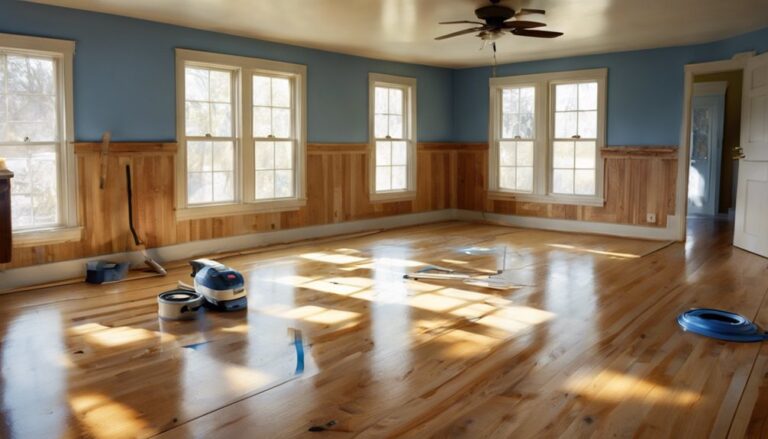
Piso is a common word for floor in Spanish. People use it to describe the surface you walk on inside a building. When talking about different levels in a building, piso can also mean “storey”. This word is useful when visiting places with many floors. Remember, piso is mainly used for indoor floors.
Suelo refers to the ground or soil outdoors. It’s also used for indoor floors sometimes. Suelo is more general than piso. It can mean any surface you walk on, inside or outside. In gardens and parks, suelo is a common term. Suelo helps describe the earth beneath us.

Regional Variations
In Latin America, the word for floor can vary. In Mexico, people say “piso.” In Argentina, it’s called “suelo.” Different countries use different words. It can be confusing. But, it’s fun to learn!
Spain has its own way of saying things. In Spain, “floor” is “suelo.” But in some regions, people might say “piso.” Dialects can change words. It’s important to listen carefully. You might hear new words. Each dialect is unique and special.
Contextual Usage
In Spanish, the word for floor is suelo. People use it often in daily chats. For example, “El suelo está limpio” means “The floor is clean.” Kids play on the suelo and people walk on it. It’s a common word in homes and schools. Everyone understands this word. It is simple. Easy for everyone.
The word suelo is also used in formal places. Offices, banks, and schools use it. In a meeting, someone might say, “El suelo es de mármol.” This means, “The floor is made of marble.” People use suelo to describe the type of floor. It can be wood, tile, or carpet. This word is important. Everyone should know it.
Language Tips For Learning
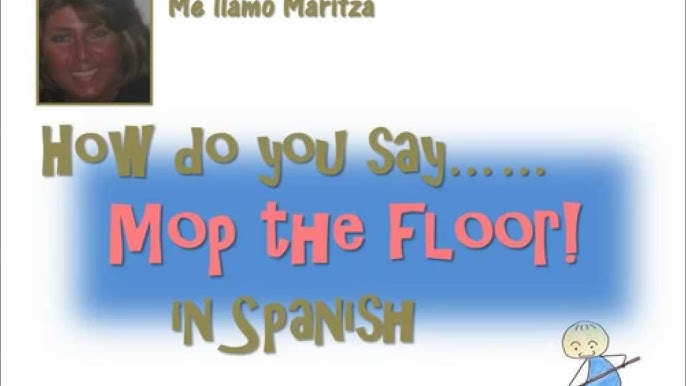
The Spanish word for floor is suelo. Pronounce it as sway-lo. The ‘s’ is soft. The ‘u’ sounds like ‘oo’. The ‘e’ sounds like ‘eh’. The ‘l’ is light.
Say the word slowly. Listen to native speakers. Repeat often.
Link the word suelo to soil. Both words sound alike. Imagine the floor as soil. Visualize standing on soil. This helps memory.
Use flashcards to remember. Draw a floor on one side. Write suelo on the other. Practice daily. Say the word aloud. This reinforces learning.
Common Mistakes To Avoid
Misunderstanding Spanish vocabulary is common. The word for “floor” can be “piso” or “suelo” depending on context. Many confuse these terms, leading to errors in conversation. Understanding their correct usage ensures clear communication.
False Cognates
Many people think “floor” in Spanish is “flor.” This is wrong. “Flor” means flower in English. The correct word is “suelo.” Be careful with words that sound the same. They might not mean the same. These are called false cognates.
Contextual Misunderstandings
“Piso” also means “floor” in Spanish. But it can mean apartment too. Use “suelo” for the ground floor. Use “piso” when talking about levels or floors in buildings. This avoids confusion. Always think about the context of the conversation. This helps in choosing the right word.

Resources For Further Learning
Learn Spanish through online courses available on various platforms. Websites like Coursera and Udemy have many options. Some courses are free. Others may need payment. Videos and quizzes make learning fun. Choose courses with good reviews. This way, you get quality content.
Many apps help you learn Spanish words. Apps like Duolingo and Babbel are popular. They teach basic words like floor in Spanish. Lessons are short and simple. Practice daily to improve quickly. These apps are free to download. Some features may need a subscription. Check app reviews before downloading.

Frequently Asked Questions
What Is The Spanish Word For Floor?
The Spanish word for floor is “suelo. ” It refers to the ground or floor surface. Depending on the context, other words like “piso” may be used, especially for different types of floors or levels in buildings. It’s important to choose the right term based on context.
How Do You Use “suelo” In A Sentence?
In Spanish, “suelo” is used to describe the ground or floor. For example: “El suelo está limpio,” means “The floor is clean. ” It’s commonly used in everyday conversation to refer to the surface beneath our feet.
Is “piso” Interchangeable With “suelo”?
“Piso” and “suelo” can be interchangeable in some contexts, but they have different uses. “Piso” often refers to floors in buildings or levels. “Suelo” typically means the ground or floor surface. It’s essential to understand the context to use them correctly.
Can “suelo” Refer To Soil?
Yes, “suelo” can also refer to soil or earth. In agriculture or gardening contexts, “suelo” is used to describe the ground’s composition. It highlights the versatility of the word in different situations, whether indoors or outdoors.
Conclusion
Learning the Spanish word for “floor” broadens your language skills. It opens up new ways to communicate. Spanish connects you with millions globally. Remember, “piso” is commonly used in Spanish-speaking countries. Practice saying “piso” to boost your confidence. Use it in conversations with friends or travel adventures.
Language learning enriches your experiences. It brings cultures closer. So, keep exploring new words. Every new word is a step forward. Embrace the journey of language learning. Enjoy the process. Keep practicing and expanding your vocabulary. Language is a lifelong adventure.