
Are you planning to upgrade your floors but feeling a bit lost about how to measure the space accurately? Figuring out square footage for flooring might seem daunting, but it’s actually quite simple once you know the basics.
Getting this right can save you time, money, and a lot of frustration. Imagine the satisfaction of walking into your home, knowing that every tile and plank fits perfectly. By learning how to measure square footage correctly, you ensure that your flooring project will be smooth and successful.
Stay with us as we guide you through a step-by-step process, making it easy for you to tackle any flooring project confidently.
Basics Of Square Footage
Square footage tells how big a space is. It’s used for flooring. You need to know the length and width of a room. Measure these in feet. Then, multiply the length by the width. This gives you the square footage.
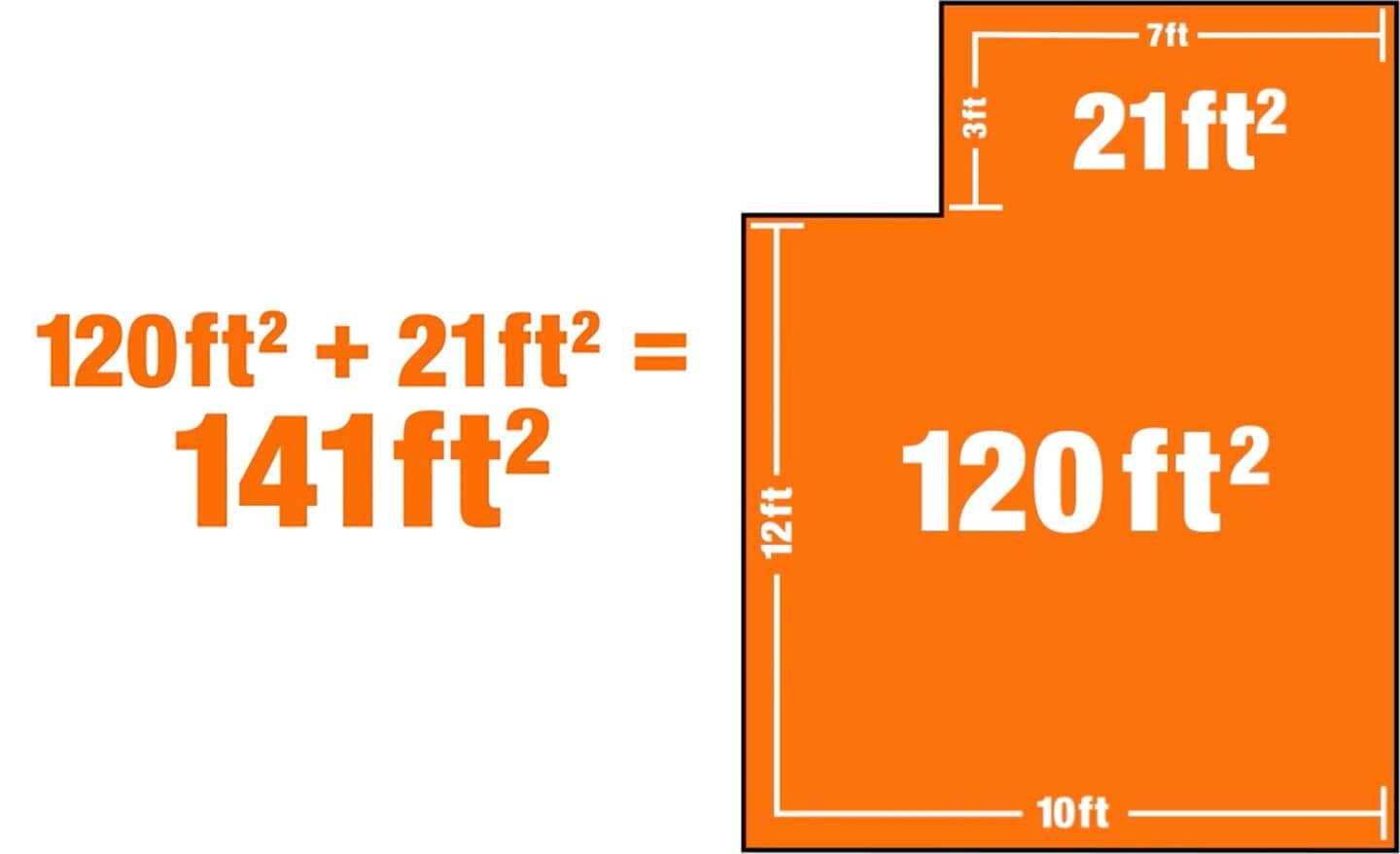
If a room is 10 feet long and 12 feet wide, the square footage is 120. Always measure twice to be sure. It’s important to get it right. You don’t want too much or too little flooring. This will help in planning your project. Always keep a calculator handy. It makes the work easy.
Tools Needed For Measurement
Measuring square footage needs a few simple tools. A measuring tape is essential. It helps to measure the room’s length and width. Make sure the tape is long enough. A notepad is useful for jotting down numbers. A calculator will help in multiplying length by width. This gives the total square footage. A pencil is useful for making quick changes. Don’t forget a ruler for smaller spaces. For rooms with odd shapes, a graph paper can be handy. It helps in drawing the room’s layout.
These tools make measuring simple and easy. Measuring accurately helps in buying the right amount of flooring. It’s important to double-check measurements. This avoids mistakes and saves time.
Measuring Rectangular Rooms
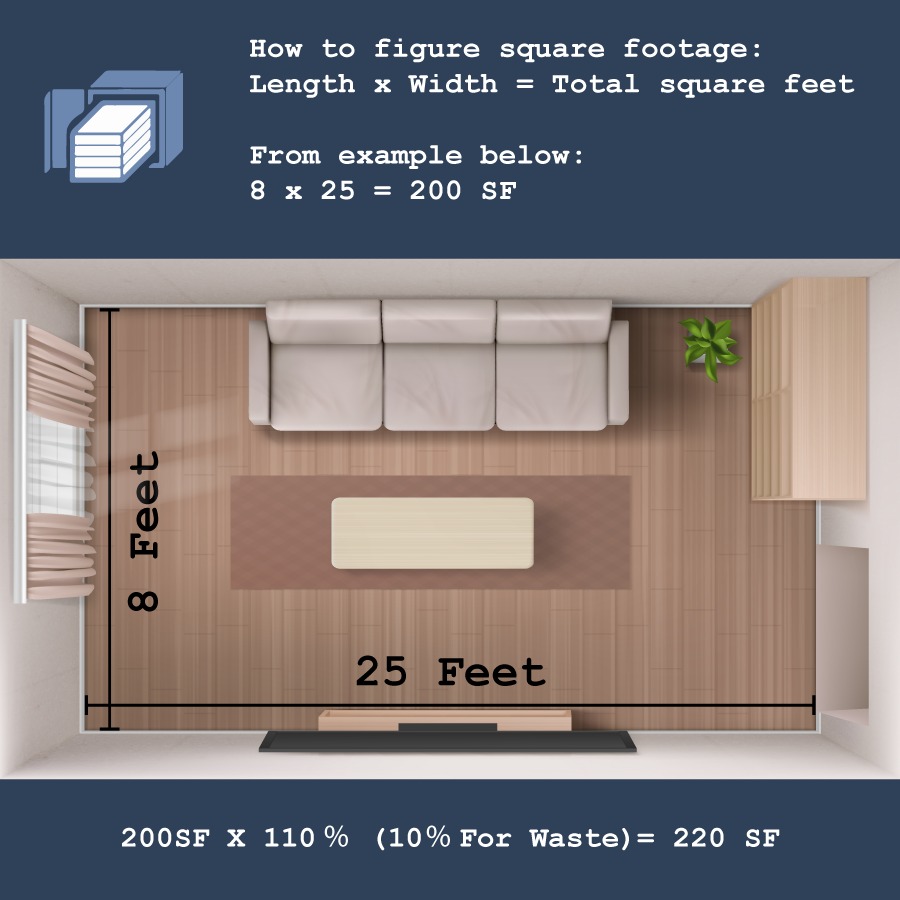
Measure the length of the room first. Use a tape measure. Write down the number. Next, measure the width of the room. Again, note the measurement. Multiply the length by the width. The result is the room’s square footage. This tells you how much flooring you need.
Some rooms have fixtures like fireplaces or built-in shelves. These can reduce the flooring area. Measure these fixtures separately. Subtract their square footage from the total room area. This gives the actual square footage needed. It’s important to be accurate. This ensures you get the right amount of flooring.
Measuring Irregular Spaces
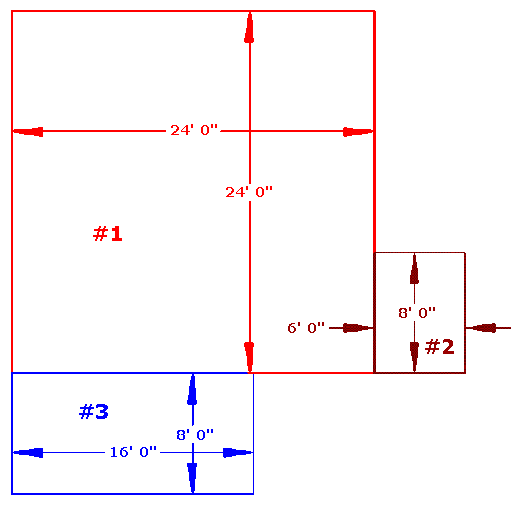
Irregular spaces can be tricky. Start by dividing them into simple shapes. Draw lines to separate areas. Rectangles and triangles work best. Measure each shape’s length and width. Write these numbers down. Multiply length by width for each shape. This gives you the area in square feet. Add all the areas together. Now you have the total square footage.
Use the grid method for odd spaces. Draw a grid over the area. Each square in the grid is one foot by one foot. Count how many squares cover the space. Half squares count too. Add them together for total square footage. This method is easy. It helps when spaces are uneven. Great for quick estimates!
Measuring Multi-level Areas
Measure each floor level separately. Use a measuring tape for accuracy. Write down the length and width of each room. Multiply length by width to find the square footage. Add the square footage of all rooms together. This gives you the total for each level.
Stairs need special attention. Measure one stair step first. Multiply the length by the width. This gives you the square footage for one step. Count all the steps. Multiply the square footage of one step by the total number of steps. Add this to the total square footage of your floors.
Handling Open Floor Plans
Open floor plans can feel tricky. Divide the space into smaller sections. Use furniture or rugs to mark these sections. Measure each section separately. Add the measurements together for total square footage. This makes it easier to plan flooring.
Rooms have furniture like sofas or tables. Think about these when measuring. Furniture takes up space. Measure around big pieces. Leave some extra space for comfort. This helps find the right flooring amount.
Calculating Waste Factor
Extra material is important for flooring projects. Sometimes tiles or wood pieces break. Having extra helps fix mistakes. Without extra, you might run out. That would delay your project. It’s always smart to buy a bit more.
Importance Of Extra Material
Flooring often needs cuts and adjustments. Extra material covers these. It also helps if you make a mistake. Extra ensures a smooth process. No need to rush back to the store. Peace of mind is worth it.
Standard Waste Percentage
| Type of Flooring | Waste Percentage |
|---|---|
| Tile | 10% |
| Hardwood | 5-10% |
| Carpet | 10-15% |
These percentages help plan your purchase. Knowing them saves time and stress. Always add this to your total square footage.
Using Digital Tools
Digital tools make measuring easy. Many apps and software can help. They provide accuracy and speed. You don’t need to be an expert. Just follow simple steps. Enter room dimensions into the app. The app calculates square footage for you. It’s quick and simple.
These tools also reduce mistakes. They offer real-time results. You can check your measurements instantly. Some apps even have extra features. They suggest flooring materials based on size. This can help with planning and budgeting. Digital tools save time. They make flooring projects easier and more fun.
Consulting With Professionals
Seeking expert help is important for complex flooring projects. Experts provide accurate measurements. This saves time and money. Professional advice helps avoid costly mistakes. Their experience is valuable. They know the best materials and techniques.
Benefits of professional measurements are numerous. Precise calculations ensure correct material purchase. This avoids wastage. Professionals often work quickly. This speeds up the flooring process. They bring specialized tools for better results. Hiring experts can be cost-effective in the long run.
Frequently Asked Questions
How Do I Calculate Flooring Square Footage?
To calculate square footage, measure the room’s length and width in feet. Multiply these two numbers to get the square footage. For irregular shapes, divide the area into smaller rectangles, calculate each area, then sum them up. Always add 10% extra for waste and cutting.
What Tools Do I Need For Measuring?
You need a tape measure or laser distance measurer, and a notepad for recording dimensions. A calculator can help with calculations. For irregular areas, graph paper can be useful to sketch the layout. These tools ensure accurate measurements and ease the calculation process.
Can I Use A Phone App For Measuring?
Yes, many apps can calculate square footage using augmented reality. These apps measure dimensions by scanning the room with your phone’s camera. Ensure the app is reliable by checking reviews. However, for best accuracy, double-check with a traditional tape measure or laser measurer.
How To Measure Irregular-shaped Rooms?
Divide the room into smaller rectangles or squares. Measure each section separately. Calculate each section’s square footage, then add them together. For curves or odd shapes, use a flexible measuring tape to trace the outline. This method ensures more accurate total square footage.
Conclusion
Calculating square footage for flooring can be simple. Measure length and width. Multiply these numbers. This gives total square footage needed. Accurate measurements save money. They prevent buying too much or too little material. Always double-check measurements. Use a calculator for precision.
Consult a professional if unsure. Proper flooring enhances any space beautifully. It adds value to your home. Understanding square footage helps make informed decisions. You choose the right amount of flooring. Enjoy the process and your new floor!