
Imagine stepping out of bed on a chilly morning and feeling the warmth of the floor beneath your feet. Sounds like a dream, right?
But with heated floors, this cozy experience can be your everyday reality. You might be wondering how this modern marvel works and if it’s something you could benefit from. Don’t worry! You’re about to uncover the fascinating mechanics behind heated floors and how they can transform your home into a haven of warmth and comfort.
This article is your gateway to understanding the magic beneath your feet. By the end, you’ll not only know how heated floors work but also why they might be the perfect addition to your space. So, are you ready to explore this warmth-inducing technology and discover what it can do for you and your home? Keep reading, and let the warmth guide you!
Types Of Heated Floors
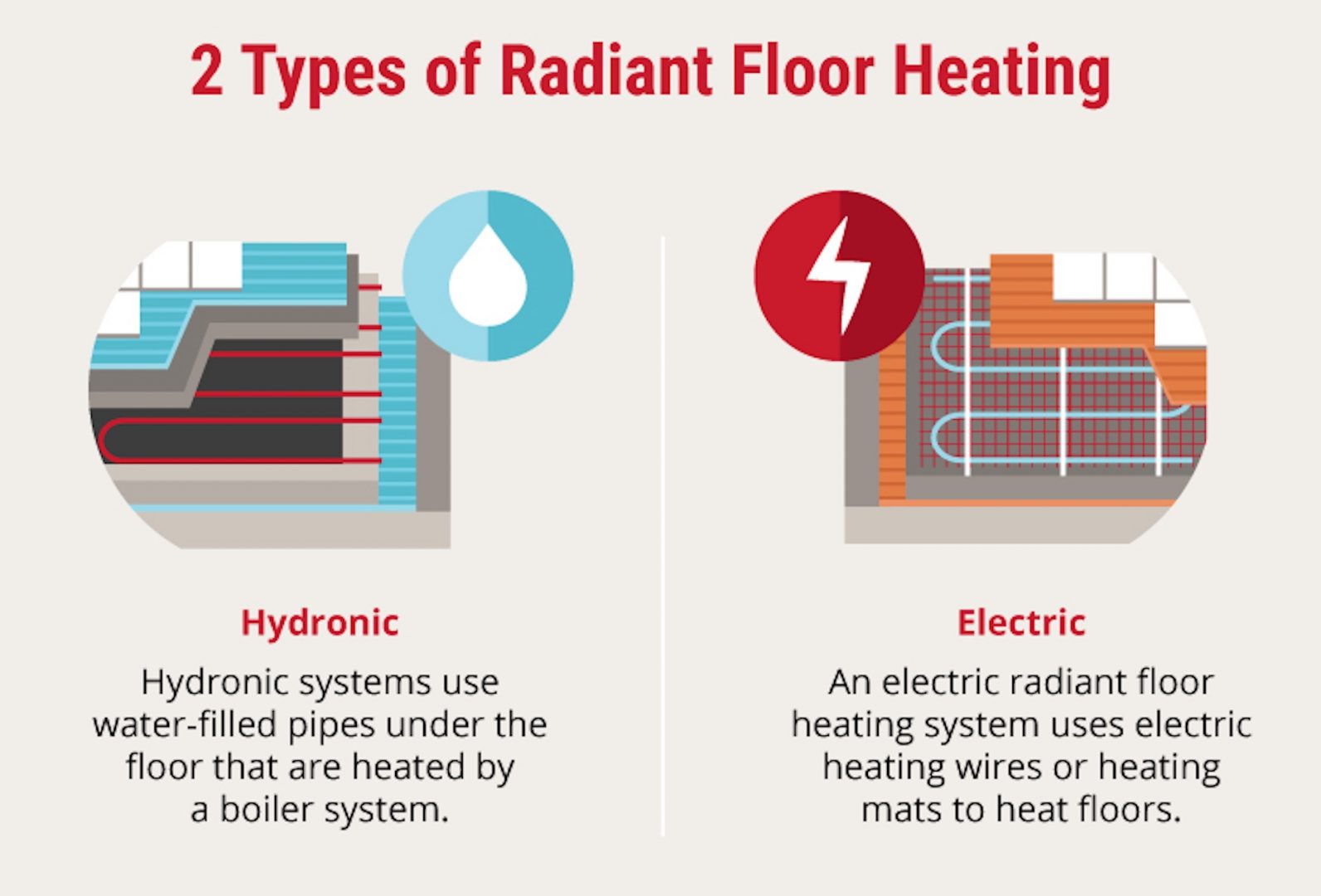
Electric radiant heating uses wires under the floor. These wires heat the floor. They are easy to install. Electric systems are good for small areas. They warm up quickly. You can control them with a thermostat. This helps save energy.
Hydronic radiant heating uses water pipes. These pipes carry hot water. The water heats the floor. Hydronic systems are best for large areas. They take longer to install. They use boilers to heat water. This makes them more efficient. You can adjust the temperature easily.
Components Of Heated Floor Systems
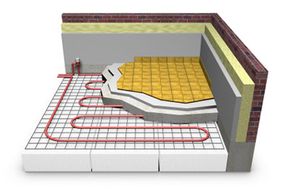
Heating mats and cables are the heart of heated floors. They spread warmth evenly. Mats fit under tiles easily. Cables are flexible and can cover big areas. Both mats and cables use electricity. They keep floors warm and cozy.
Pipes and tubing carry hot water. They are used in hydronic systems. These systems use a boiler to heat water. Warm water flows through the pipes. This makes the floor warm. Hydronic systems are good for large areas.
Thermostats manage the floor’s temperature. They help save energy. You can set the heat level. Some controls are smart. They can learn your schedule. This ensures floors are warm when you want.
Installation Process
First, make a plan for the heated floors. Measure the room size. Clear the floor of any items. Ensure the surface is smooth and clean. This step is important to prevent any issues later. Gather all necessary tools. This includes a tape measure, trowel, and heating mats.
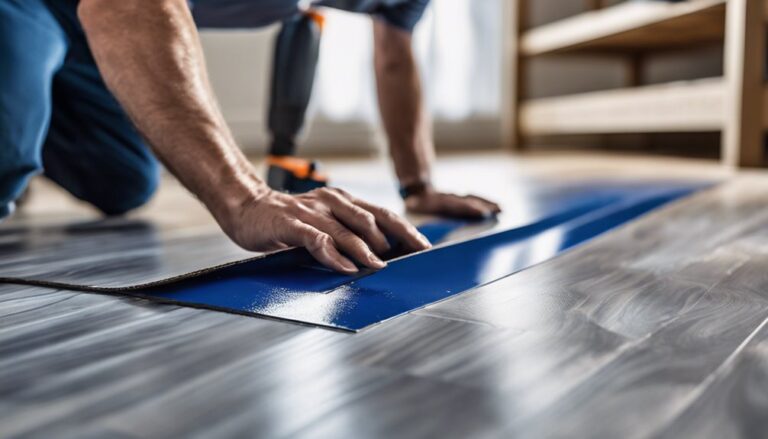
Roll out the heating mats on the floor. Cut the mats to fit the room shape. Be careful not to cut the wires. Secure the mats with tape. This keeps them in place. Spread a layer of thin-set mortar over the mats. Then, place tiles or flooring on top. Let it dry properly.
Connect the heating system to power. Use a thermostat to control the heat. If you have a boiler, connect the pipes correctly. Ensure all connections are tight. This prevents leaks and ensures safety. Test the system before use. Make sure everything works well.

Energy Efficiency
Heated floors can save you money on energy bills. They heat rooms evenly, using less energy. Traditional heaters may waste energy. Heated floors work at lower temperatures. This means using less power. Over time, these savings add up. Your wallet will thank you.
These floors are better for the planet. They use less energy, so they leave a smaller carbon footprint. Many systems use electricity from renewable sources. This helps reduce harmful emissions. Eco-friendly choices benefit the Earth. Heated floors are one of them.
Benefits Of Heated Floors
Heated floors provide even warmth across the room. No cold spots on the floor. Feet feel pleasantly warm. This warmth spreads through the air. It creates a cozy feeling. Cold weather is more enjoyable. Walking barefoot feels good.
With heated floors, there is no need for radiators. This frees up space in the room. More room for furniture and activities. Rooms look tidier and spacious. You can use every inch of space.
Heated floors can help reduce dust in the air. This is better for people with allergies. Dust settles less on heated floors. Warm floors can ease joint pain. Good for people with arthritis. Healthier indoor air quality.
Common Challenges
Understanding the mechanics of heated floors can be tricky. Many struggle with installation complexity and high initial costs. Ensuring uniform heat distribution poses another challenge for homeowners.
Installation Costs
Heated floors can be costly to install. The price depends on the floor size. More square feet mean more money. Electric systems are usually cheaper than water-based systems. But they might cost more to run. Hiring a professional can add to the expense. DIY can save money, but it’s tricky. Mistakes can lead to problems later.
Maintenance Requirements
Heated floors need regular care. Dust can affect performance. Regular cleaning helps. Electric systems might need less upkeep. But, they can break if not checked. Water-based systems need more attention. Leaks can happen and need fixing quickly. Annual checks help in preventing problems.
Potential Issues
There can be some problems with heated floors. Electric floors might not heat evenly. Some spots can be colder. Water systems can have leaks. Fixing leaks can be messy. Floors can also take time to heat up. This might not be good for fast heating needs. Checking systems regularly can help avoid issues.
Future Trends In Heated Floors
Heated floors can talk to smart home devices. You can use your phone to control the heat. Voice commands can make your floor warm. Smart thermostats know when you want heat. They adjust the temperature without you asking.
New materials make floors warm faster. Some are thinner and lighter. These materials save space. They also use less energy. Graphene is one such material. It heats up quickly and cools down slowly.
Heated floors can be eco-friendly. They use less energy compared to older systems. Using renewable energy like solar power helps too. Some floors use recycled materials. This reduces waste and helps our planet.
Frequently Asked Questions
What Are The Types Of Heated Floors?
Heated floors come in two main types: electric and hydronic. Electric systems use electric cables or mats. Hydronic systems circulate heated water through pipes. Both types provide consistent warmth and energy efficiency. Choosing between them depends on installation cost, energy source, and personal preference.
Are Heated Floors Energy Efficient?
Yes, heated floors are energy efficient. They provide even heat distribution, reducing energy waste. Unlike forced-air systems, they don’t lose heat to ductwork. They allow lower thermostat settings while maintaining comfort. This efficiency can lead to lower energy bills, making them a cost-effective heating option.
How Long Do Heated Floors Last?
Heated floors are designed to last many years. Electric systems can last over 20 years with proper care. Hydronic systems can last even longer, sometimes up to 35 years. Regular maintenance ensures longevity. Professional installation and good quality materials also contribute to a long lifespan.
Can Heated Floors Be Installed In Any Room?
Yes, heated floors can be installed in any room. They’re popular in bathrooms and kitchens for added comfort. They can also be used in living rooms and basements. Installation in each room may vary based on flooring type. Consulting with a professional ensures compatibility and efficiency.
Conclusion
Heated floors offer comfort and warmth in your home. They gently heat from beneath, creating cozy spaces. Installation is straightforward with modern systems. Enjoy the luxury of warm tiles during winter. They’re efficient and can reduce heating costs. Plus, they add value to your property.
Imagine stepping onto a warm floor on chilly mornings. This technology blends comfort with practicality. Now you know how they work. Consider heated floors for your next home upgrade. They make everyday living more pleasant. Warm floors enhance your home’s ambiance effortlessly.
Simple, effective, and delightful.