
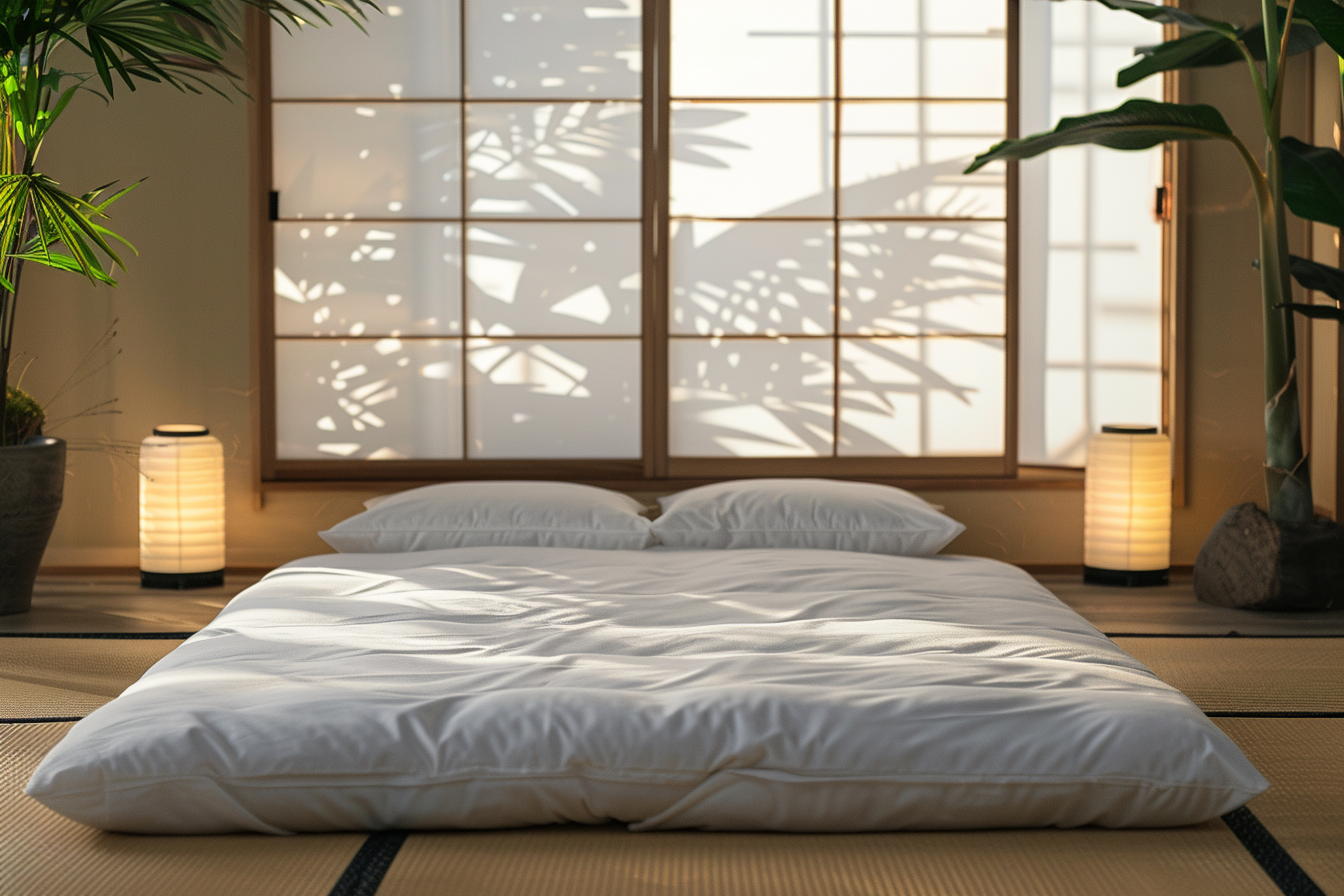

Imagine walking into a Japanese home and seeing a serene room with soft tatami mats and a neatly folded futon ready for bedtime. It’s intriguing, isn’t it?
You might wonder why Japanese people choose to sleep on the floor instead of a bed. This unique practice isn’t just about tradition; it’s a lifestyle choice that can offer surprising benefits. As you explore this fascinating aspect of Japanese culture, you’ll discover how floor sleeping can influence your health, comfort, and even your sleep quality.
Does sleeping on the floor sound uncomfortable? You might be surprised at what you find. Uncover the secrets behind this age-old tradition and see if it might be the refreshing change your sleep routine needs. Keep reading to learn why this simple practice could transform your nightly rest into a rejuvenating experience.
Tatami Mats: The Foundation
Tatami mats have a rich history in Japan. They first appeared in the 8th century. Samurai and nobles used them in their homes. Over time, common people started using tatami too. These mats became a symbol of Japanese culture. Homes and tea rooms often use them today. They provide comfort and have a unique feel.
Tatami mats are made with natural materials. The top layer is woven rush grass. Inside, they have a core of rice straw or wood chips. This makes them firm yet soft. Each mat is rectangular, fitting perfectly in rooms. People enjoy sitting and sleeping on them. They are easy to clean and maintain, adding to their popularity.
Futons: The Traditional Bedding
Futons are a key part of Japanese sleep culture. There are two main types of futons. Shikibuton is a mattress that goes on the floor. Kakebuton is a thick blanket. Shikibuton provides a firm base for sleeping. Kakebuton keeps you warm.
Japanese people use futons daily. They sleep on them at night. During the day, they fold and store them. This helps save space in small homes. Storage also keeps futons clean and fresh. Regular airing out is important. It helps to keep them fluffy and dry. Futons are easy to maintain. They fit well in any room size.
Cultural Significance
Sleeping on the floor is a common practice in Japan. It saves space in small homes. Futons are used as bedding. They can be folded and stored easily. This practice shows respect for simplicity. Many Japanese homes have tatami mats. These are soft and comfortable for sleeping.
Floor sleeping connects to Zen philosophy. Zen values simplicity and mindfulness. Sleeping close to the ground feels natural. It helps people stay grounded. This practice promotes a calm mind. It encourages living with less. Many people find peace in this way. It is more than just a habit. It is a way of life.
Health Benefits
Sleeping on the floor, a common practice in Japan, offers several health benefits. It aligns the spine naturally, which can reduce back pain and improve posture. Many find it promotes restful sleep, enhancing overall health.
Spinal Alignment
Sleeping on the floor can help maintain a straight spine. The firm surface supports the back naturally. This can reduce back pain over time. Soft beds might cause spinal misalignment. A straight spine is important for good posture. It can improve overall health and comfort.
Improved Sleep Quality
A firm sleeping surface can lead to better sleep. The body may relax more easily. People often feel refreshed in the morning. Soft mattresses can cause restlessness. Floor sleeping might reduce tossing and turning. Many find it leads to deeper sleep. Feeling rested improves daily life activities.
Modern Adaptations
Some Japanese homes have hybrid sleeping arrangements. People use both beds and futons. Beds are popular in cities. They save space in small apartments. Futons are traditional and cozy. They are easy to store during the day. This makes rooms look bigger.
Western styles have changed Japanese sleeping habits. More people now use beds. Western beds are comfortable and stylish. They are also easy to find. Stores sell many types of beds. Families like trying new things. This mix of styles is common now. It shows how cultures blend.

Common Misconceptions
Many believe Japanese people sleep on the floor. This is not entirely true. Tatami mats and futons are common in Japan. They are not the same as sleeping directly on the floor. Tatami mats are soft and provide comfort. Futons are thick and offer warmth during cold nights. Beds are also found in many Japanese homes. People choose what suits them best.
Floor sleeping can be comfortable. It aligns the spine and may help back health. Warmth is provided by using thick futons. Some people prefer beds for extra cushioning. Both methods have their benefits. It depends on personal preference and tradition. Sleeping on the floor is not cold or hard when done correctly.
Future Trends
Japanese culture embraces minimalism, often opting for floor sleeping on futons. This traditional practice promotes health and space-saving benefits. Modern trends see a blend of floor sleeping with contemporary design, reflecting a balance between tradition and innovation.
Popularity Among Younger Generations
The idea of sleeping on the floor is growing. Many young people find it cool. They enjoy the comfort and simplicity. Floor beds take less space. This is perfect for small homes. Some say it helps with posture. Others believe it connects them to tradition. More young people are trying it. They share their experiences online. This makes it more popular.
Potential Global Adoption
Sleeping on the floor is not just in Japan. People around the world are curious. They want to try new things. Floor sleeping is cheap. It can be healthier too. No need for expensive beds. It fits any room style. This trend might spread. More countries may adopt it. People like trying new sleeping habits. It could become a global trend.

Frequently Asked Questions
Why Do Japanese Sleep On The Floor?
Japanese people traditionally sleep on the floor using futons. This practice saves space and maintains cleanliness. It also aligns with minimalist living and provides ergonomic benefits. Sleeping on the floor is believed to improve posture and blood circulation. This cultural tradition is rooted in practicality and simplicity.
Are Futons Comfortable For Sleeping?
Yes, futons can be comfortable for many people. They offer firm support, which can alleviate back pain. Futons are also versatile, being easily folded and stored. Some people prefer them for their minimalist aesthetic. However, comfort can be subjective, and personal preference varies.
Do All Japanese People Sleep On Futons?
Not all Japanese people sleep on futons. While traditional, many now use Western-style beds. Urbanization and modern housing influence this shift. However, futons remain popular for their space-saving nature. The choice often depends on individual preference and lifestyle.
What Are The Benefits Of Floor Sleeping?
Floor sleeping offers several benefits. It promotes better posture and spinal alignment. The firmness can reduce back and joint pain. It also encourages better blood circulation. Additionally, floor sleeping is often cooler, which can improve sleep quality.
Conclusion
Sleeping on the floor is common in Japan. It offers comfort and tradition. Tatami mats and futons create a cozy sleep space. Many Japanese find it restful. This practice supports posture and relaxation. It’s simple and effective. Some might consider it unique.
But it’s part of daily life there. Embracing cultural practices can offer new perspectives. This method suits many lifestyles. It reflects harmony and simplicity. Understanding this tradition enriches cultural appreciation. Curious about trying it? It might surprise you. Give it a thought.
Respect the tradition. Explore the benefits. Enjoy a peaceful sleep.