
Are you tired of spending a fortune on commercial wood floor cleaners that leave your floors less than sparkling? Imagine having a cleaner that’s not only budget-friendly but also tailored to your specific needs, ensuring your floors shine like new.
You don’t need to be a professional or spend a lot of money to achieve this. With a do-it-yourself wood floor cleaner, you can have spotless floors without the harsh chemicals that many store-bought products contain. Ready to discover how you can create an effective cleaning solution right from your pantry?
Let’s dive into the simple steps and natural ingredients that will transform your cleaning routine and give your floors the care they deserve.
Benefits Of Diy Wood Floor Cleaner
Making your own wood floor cleaner is easy. It saves money and uses natural ingredients. Most store cleaners have chemicals. These can be bad for pets and kids. DIY cleaners are safer for everyone. They also work well on dirt and stains.
You control the ingredients. This means you can avoid smells you don’t like. Many DIY cleaners use vinegar. Vinegar is great for cleaning. It also helps in making floors shiny. Another benefit is that it’s environment-friendly. Less waste and fewer plastic bottles.
Essential Ingredients
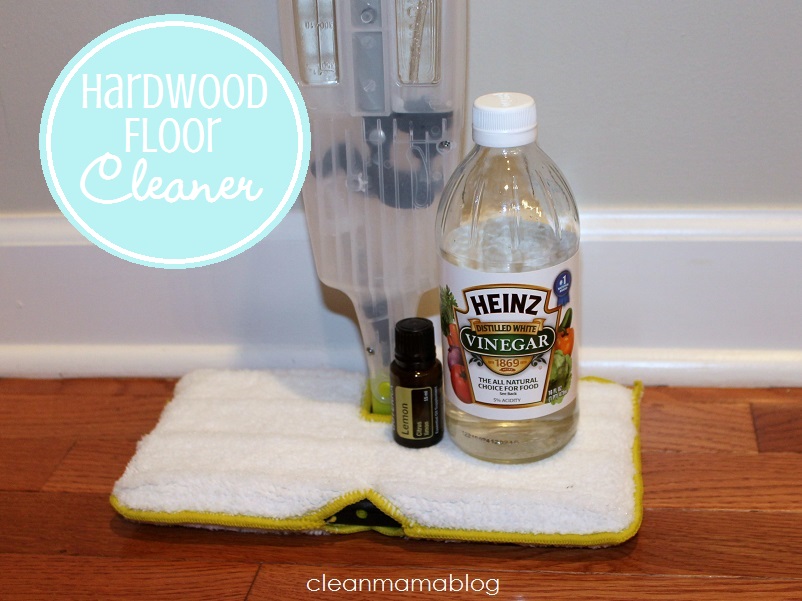
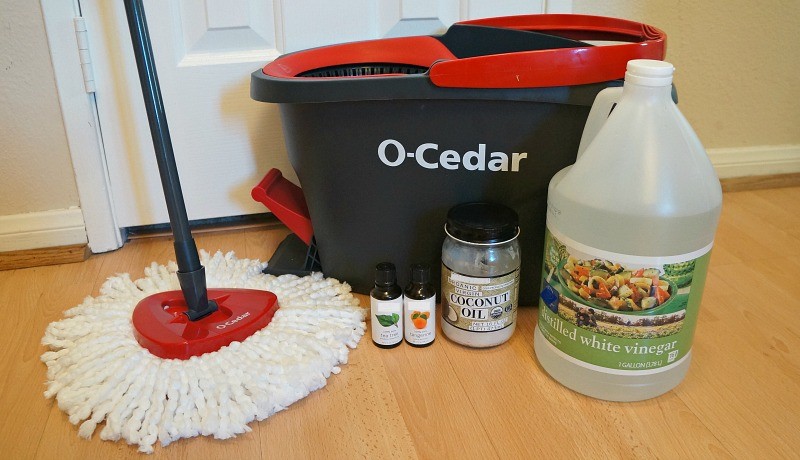
Vinegar is a powerful natural cleaner. It helps to remove dirt and stains. Use white vinegar for best results. It leaves no strong smell. Lemon juice can also help. It adds a fresh scent. Lemon cuts through grease easily. Another good cleaner is baking soda. It scrubs tough spots without scratching. It is safe and gentle on wood.
Essential oils give a nice scent. Lavender or tea tree oil are good choices. They also fight germs. Add a few drops to your cleaner. Olive oil helps to shine the floor. It makes wood look new. Use just a small amount. Castile soap is another safe choice. It cleans without harsh chemicals. Just a little bit goes a long way.
Simple Cleaning Solutions
Vinegar and Water Mix is a great cleaner. It is easy and cheap. Just mix vinegar and water. Use equal parts of each. This mix cleans dirt well. It leaves floors shiny. Always test on a small area first. Avoid using too much. It may damage some floors.
Lemon Juice Formula is another option. Lemon juice smells good. It cleans well too. Mix lemon juice with water. Use equal parts again. It is safe for most floors. It is natural and effective. Like vinegar, test on a small spot first. It can brighten wood floors.

Deep Cleaning Methods
Create a homemade wood floor cleaner with easy-to-find ingredients. Mix water, white vinegar, and a few drops of essential oil. Gently mop the floor, leaving it shiny and clean.
Baking Soda Paste
Baking soda is a natural cleaner. Mix baking soda with water to form a paste. Apply the paste to dirty spots on the floor. Scrub gently with a soft brush. This removes stains without scratching. Rinse the area with clean water. Dry with a soft cloth to avoid water spots.
Oil And Vinegar Blend
Oil and vinegar make a good cleaner. Mix olive oil and white vinegar in equal parts. Add a few drops of essential oil for a nice scent. Apply this blend on the floor with a mop. The vinegar cleans, and the oil adds shine. Wipe with a dry cloth to remove excess oil. Floors will look clean and shiny.
Application Techniques
Start with a clean mop. Dip it into the wood floor cleaner. Squeeze out the extra liquid. You don’t want the floor too wet. Gently glide the mop over the floor. Cover all areas evenly. Let the floor dry. Avoid walking on it while it’s wet. This keeps the floor shiny and clean.
Choose a soft cloth for buffing. Rub the cloth over the floor in small circles. This helps shine the wood. It also removes any leftover cleaner. Make sure to get into corners. Don’t miss any spots. Buffing makes the floor look new. It’s an easy way to keep your floor bright.
Maintaining Wood Floors
Regular cleaning keeps wood floors shiny and clean. Use a soft broom to sweep dust and dirt daily. A vacuum with a hardwood setting works well too. Avoid water puddles on the floor. Wood and water are not friends. Use a damp mop for cleaning. But make sure it’s not too wet. Dry the floor after mopping. This keeps the wood safe from damage.
Place mats at doors to catch dirt. This helps keep floors clean. Use pads under furniture legs. This stops scratches on wood. Avoid wearing heels on wood floors. They can dent the surface. Trim pet nails to prevent scratches. Always clean spills right away. This stops stains and damage.
Common Mistakes To Avoid
Using too much water on wood floors is a big mistake. Water can seep into the wood and cause damage. Always use a damp mop, not a soaking wet one. Another mistake is using harsh chemicals. These can strip the wood’s finish. Choose gentle cleaners meant for wood.
Forgetting to sweep or vacuum first is also wrong. Dirt can scratch your floor during cleaning. Make sure to remove dust and debris first. Lastly, not drying the floor after cleaning can lead to streaks. Use a soft cloth to dry the floor completely.
Tips For Longevity
Create your own wood floor cleaner with simple ingredients. Mix water, vinegar, and essential oils. This solution removes dirt and shines floors, all naturally.
Proper Storage Of Solutions
Store your cleaning solutions in a cool and dry place. Keep them away from direct sunlight. This ensures the solutions stay effective. Use original containers with labels. Avoid mixing different solutions. This prevents chemical reactions. Store them out of reach of children and pets. Follow safety instructions on the label. Proper storage extends the life of your products.
Routine Floor Checks
Check your wood floors regularly. Look for scratches or dents. Address any issues immediately. This prevents further damage. Clean spills right away. Moisture can harm wood. Use a soft cloth for cleaning. Avoid using excess water. Inspect high traffic areas. Pay attention to wear and tear. Routine checks keep your floor looking new.

Frequently Asked Questions
What Ingredients Make A Good Wood Floor Cleaner?
A good DIY wood floor cleaner uses vinegar, water, and essential oils. Vinegar naturally cleans and disinfects, while essential oils add fragrance. Mix one cup of vinegar with one gallon of warm water. Add a few drops of essential oil for scent.
This mixture effectively cleans and maintains wood floors.
How Often Should I Clean My Wood Floors?
Clean your wood floors weekly to maintain their shine and durability. Regular cleaning prevents dirt and grime buildup. Use a microfiber mop for gentle cleaning. Avoid excessive water, which can damage wood. Monthly deep cleaning ensures floors remain in excellent condition.
Consistent care prolongs the life of your wood floors.
Can Vinegar Damage Wood Floors?
Vinegar is safe for wood floors when diluted with water. It effectively cleans without damaging the finish. Avoid using undiluted vinegar, which may strip the floor’s protective layer. Always test the solution on a small area first. Use a soft cloth or mop to apply the cleaner gently.
Is Essential Oil Necessary In Wood Floor Cleaner?
Essential oils add fragrance but aren’t necessary for cleaning effectiveness. They provide a pleasant scent while cleaning. Use oils like lavender or lemon for a fresh aroma. Choose oils that don’t leave residue. Their antimicrobial properties can enhance cleaning. Test oils on a small area to ensure compatibility with your floors.
Conclusion
Cleaning wood floors at home saves money and effort. DIY solutions are simple and effective. Mix ingredients found in your kitchen. Vinegar and water create a gentle cleaner. Olive oil adds shine and protection. Baking soda tackles tough stains. These ingredients work together well.
They care for your wood floors naturally. No harsh chemicals needed. Keep your floors clean and beautiful. DIY cleaning is easy and rewarding. Try these methods today. Enjoy the results. Your floors will thank you!