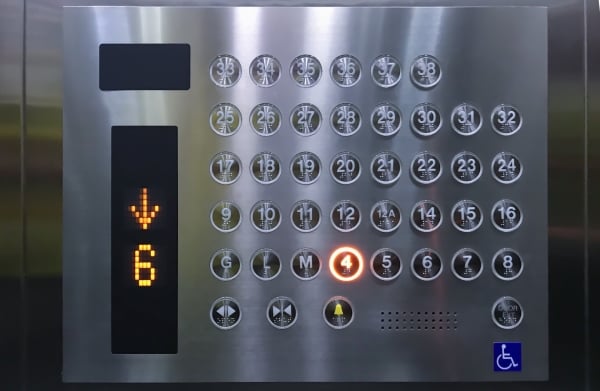

Have you ever stepped into an elevator and noticed the absence of the 13th floor? It’s not a coincidence.
This quirky detail in building architecture raises curiosity and questions. Why do some buildings skip the 13th floor? Is it superstition, tradition, or something else entirely? As you delve into this intriguing topic, you’ll uncover fascinating insights about how beliefs and psychology shape the spaces where we live and work.
By understanding the reasons behind this architectural choice, you might even change how you perceive the buildings around you. Keep reading to discover the secrets behind the elusive 13th floor and unravel the mysteries that lie within our built environment.
The Origins Of The 13th Floor Superstition
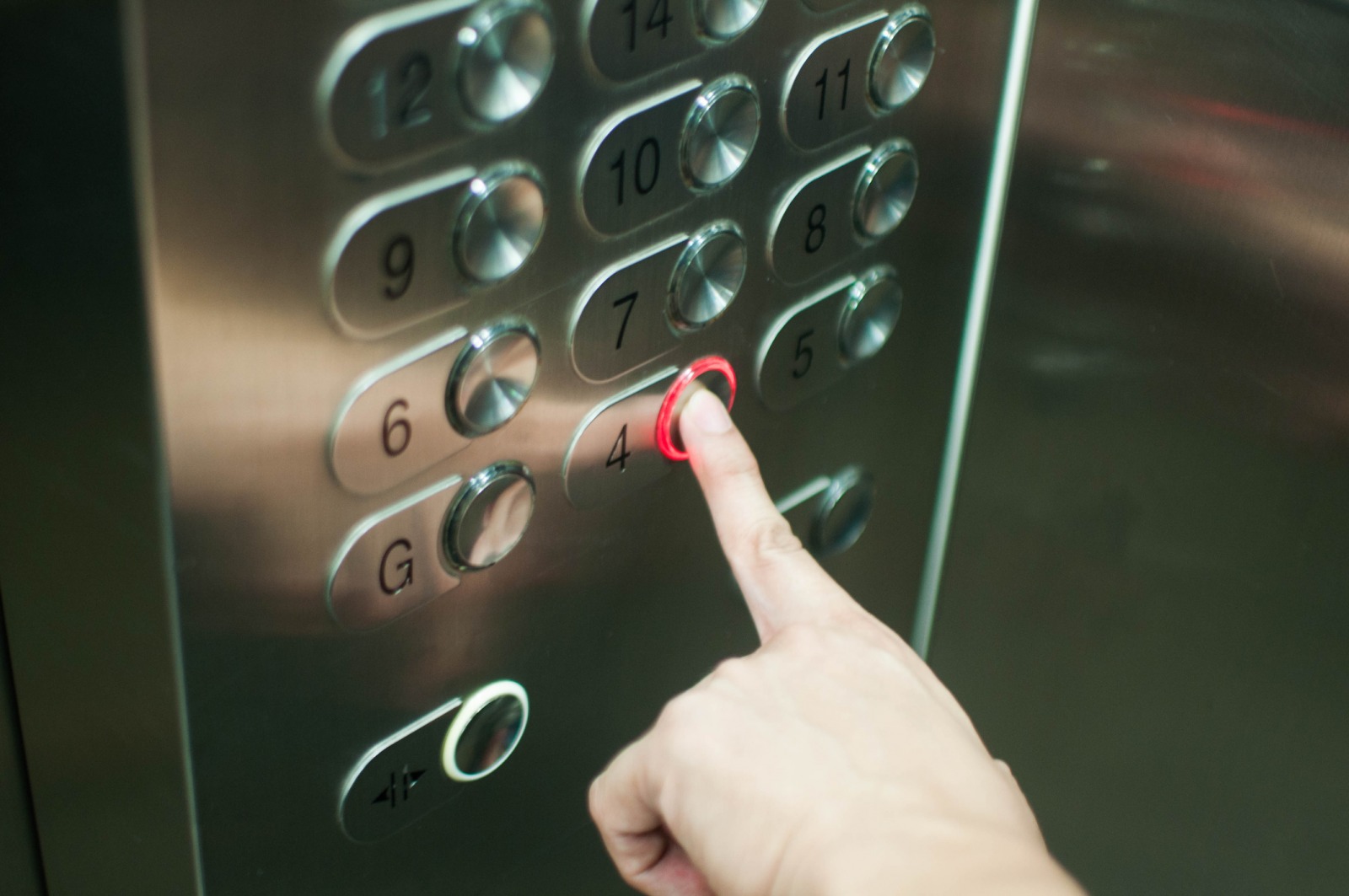
Many buildings skip the 13th floor. People are scared of the number 13. This fear is called triskaidekaphobia. It is an old belief. Some think it is unlucky. Some cultures think 13 is bad. The number is linked to bad luck. Builders avoid this number. Many hotels have no 13th floor. Elevators skip from 12 to 14. This superstition is strong. Many people believe it.
The fear comes from stories. Old tales speak of bad things. People remember these tales. They share them with others. Stories make people scared. They avoid the 13th floor. This belief has spread. It is now common everywhere. Builders follow this belief. People feel safe without a 13th floor. It makes them happy.
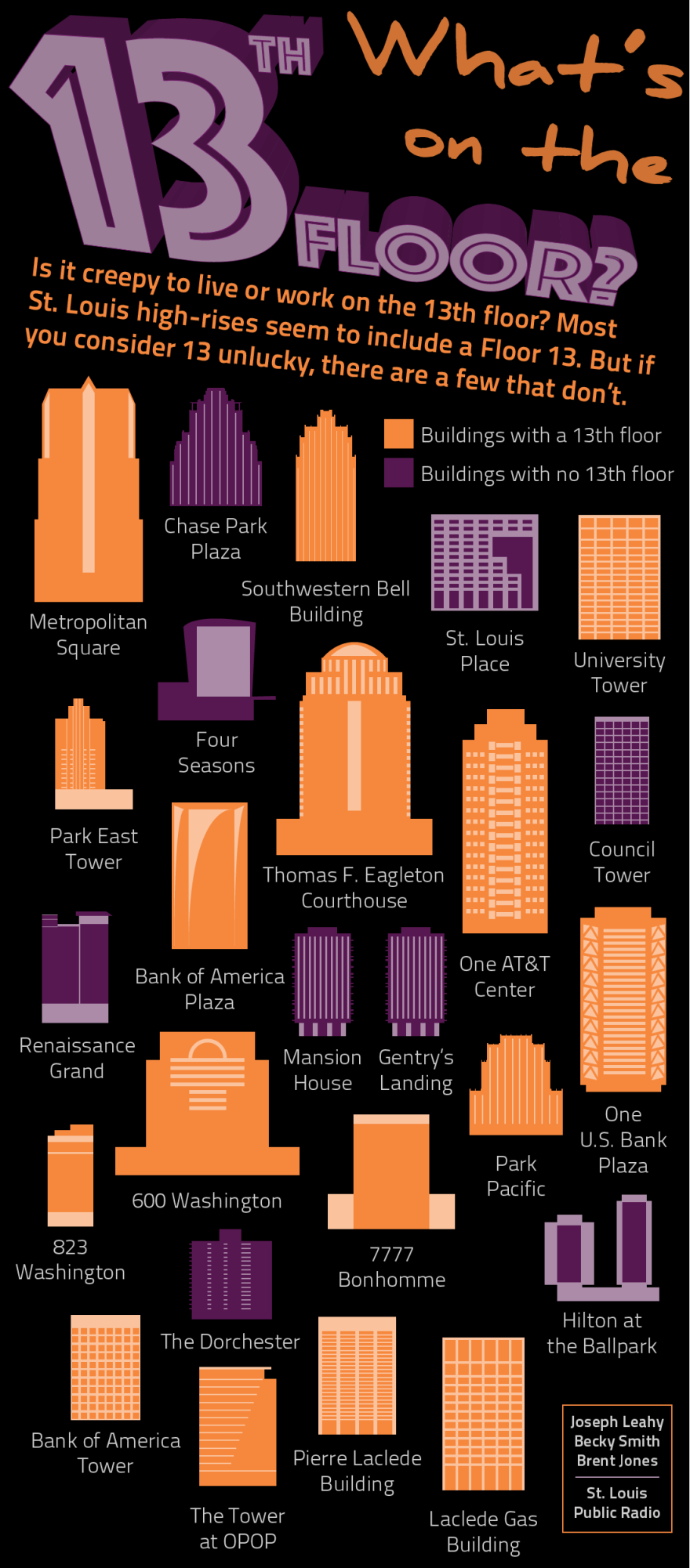
Historical Influence On Architecture
Many buildings skip the 13th floor. This is due to old beliefs. People think the number 13 is unlucky. Builders often avoid using it. They label the floor as 14 instead. This makes people feel safer.
Some cultures have strong feelings about numbers. In the past, architects listened to these beliefs. They aimed to please tenants. They wanted their buildings to be popular. So, they skipped the 13th floor.
In some places, this tradition continues. It shows the power of beliefs in design. Buildings reflect the culture and times. They tell stories of what people once feared.
Cultural Perspectives On Number 13
The number 13 often causes fear in some cultures. Many people think it brings bad luck. This belief is called triskaidekaphobia. Some buildings skip the 13th floor. They label it as the 14th floor. This is because many fear the number 13.
In some places, 13 is a lucky number. People in Italy and China often see it as positive. They believe it brings good fortune. Not all cultures fear the number 13. Some even celebrate it. Different cultures have different beliefs.
Buildings reflect these beliefs. Some have a 13th floor. Some do not. It all depends on what people in the area believe. Culture shapes how buildings are numbered. Superstitions affect architecture. People’s beliefs influence designs.
Psychological Impact On Real Estate
Many people feel scared of the number 13. This fear affects buildings. Some builders skip the 13th floor. Superstition is a big reason. People feel safer without a 13th floor. This can influence property choices. Buyers might avoid a place with a 13th floor. Some think it brings bad luck. Developers listen to these fears. They want their buildings to be popular. So, skipping the 13th floor seems smart.
Real estate needs to consider feelings. If people feel worried, they might not buy. Buildings need to be welcoming. Numbers matter. Skipping the 13th floor can help sell more units. Builders aim to make buyers happy. They know superstitions can be strong. Choosing to skip a floor can be a wise decision.
Modern Architectural Practices
Skyscrapers touch the sky with tall structures. New designs are bold and creative. Architects use sleek glass panels for walls. These panels reflect sunlight beautifully. Buildings have green spaces on rooftops. These gardens help clean the air. Many skyscrapers twist and turn. This makes them look like art.
Building tall structures requires strong materials. Engineers use advanced steel and concrete. These materials are very strong. They can hold heavy weight. New machines help in construction. They work fast and safely. Some buildings are made in parts. These parts are joined later. This saves time and effort.

Case Studies Of Iconic Buildings
Some buildings skip the 13th floor. This is due to superstition. In many cultures, 13 is seen as unlucky. Some hotels and office buildings have no 13th floor. The Empire State Building is one example. It has no 13th floor in its design. Another famous building is the Trump Tower. It also skips the 13th floor. This is done to make people feel safe.
Some buildings include the 13th floor. They do not believe in bad luck. These designers want to use all space. The Schneider Building includes a 13th floor. This is common in some places. They see the number as just a number. This helps them use every floor. It can be a way to stand out.
Public Perception And Media Influence
Many people feel uneasy about the number 13. This fear is known as triskaidekaphobia. Some buildings skip the 13th floor. They label it as the 14th floor instead. This choice is mostly due to public beliefs. People think the number 13 brings bad luck. Movies and TV often show 13 as unlucky too.
Because of this, owners avoid using it in buildings. They want to make people feel safe and happy. Owners think skipping the 13th floor helps with this. Some people notice and talk about it. Others do not care much. It is all about how we see things. Different cultures have different beliefs about numbers.
The Future Of The 13th Floor In Architecture
Many buildings skip the 13th floor. Superstition is the main reason. People fear bad luck. Architects choose to avoid it. Some buildings jump to floor 14. Others use different names. It could be 12A or 12B. Builders think this keeps people happy. Not everyone agrees. Some think it’s silly. They want to use all floors. Technology might change things. New ideas in design might help. It could become a normal floor. People might not worry about it. The 13th floor may have a future.
Frequently Asked Questions
Why Do Some Buildings Skip The 13th Floor?
Many buildings skip the 13th floor due to superstition. The number 13 is considered unlucky in several cultures, prompting developers to avoid it. This practice, known as “triskaidekaphobia,” aims to maintain tenant satisfaction and prevent potential vacancies.
Is The 13th Floor Common In Hotels?
Hotels often skip the 13th floor to cater to superstitious guests. This practice is widespread, especially in Western countries, to avoid discomfort. Instead, floors are renumbered, ensuring guests feel at ease during their stay.
What Happens If A Building Has A 13th Floor?
If a building has a 13th floor, it’s usually a regular floor. Some buildings embrace the number, disregarding superstitions. Tenants can occupy it like any other floor, without any negative implications linked to the number 13.
Do Superstitions Affect Building Design?
Yes, superstitions can impact building design. Developers often consider cultural beliefs in floor numbering. Avoiding the 13th floor is a common practice, aiming to enhance tenant satisfaction and prevent potential tenant reluctance.
Conclusion
Understanding the mystery of the 13th floor is fascinating. Many buildings skip it due to superstitions. Some architects choose clever numbering. This avoids any bad luck fears. Yet, not all buildings follow this trend. Some proudly include the 13th floor.
It shows how beliefs vary widely. Exploring different cultures can reveal more insights. Remember, next time you enter a tall building, check the elevator panel. You might find the 13th floor missing. Or, discover it there, quietly defying superstition. So, whether a floor is labeled 13 or not, each choice has a story.